ATLAS / ANCIENT—PRESENT
All historyHow Atlas is sourced← Back to Atlas
Back to Atlas timeline
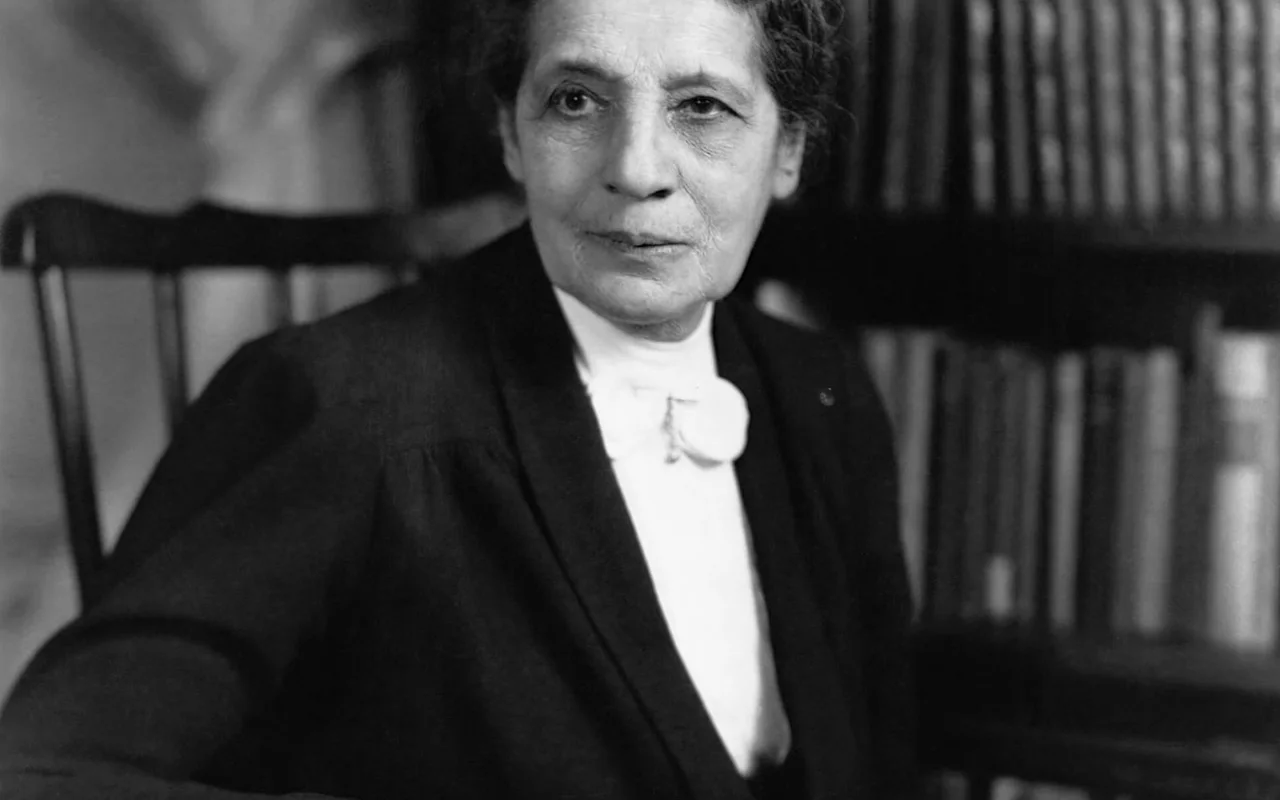
Lise Meitner NatGeo.jpg

1938–1945 CE · experimental fission, interpretation, chain reaction and atomic war · Europe · Science

Nuclear fission and the nuclear age

Hahn and Strassmann’s 1938 experiments produced evidence of uranium fission; Meitner and Frisch supplied the physical interpretation and name. Chain-reaction research then led rapidly to a reactor and the Manhattan Project.

Atlas dossier · World Wars

Free device narration · synchronized English captions · transcript available

Why it matters

The 1945 atomic bombings of Hiroshima and Nagasaki made nuclear weapons’ civilian devastation inseparable from the science’s later uses in energy and medicine, arms racing, exposure and disarmament politics.

Date
1938–1945 CE · experimental fission, interpretation, chain reaction and atomic war
Historical setting
World Wars · Europe
People & communities
Lise Meitner · Otto Frisch · Otto Hahn · Fritz Strassmann · reactor and weapons workers · Hiroshima and Nagasaki civilians
Experiment and interpretation were separate achievements

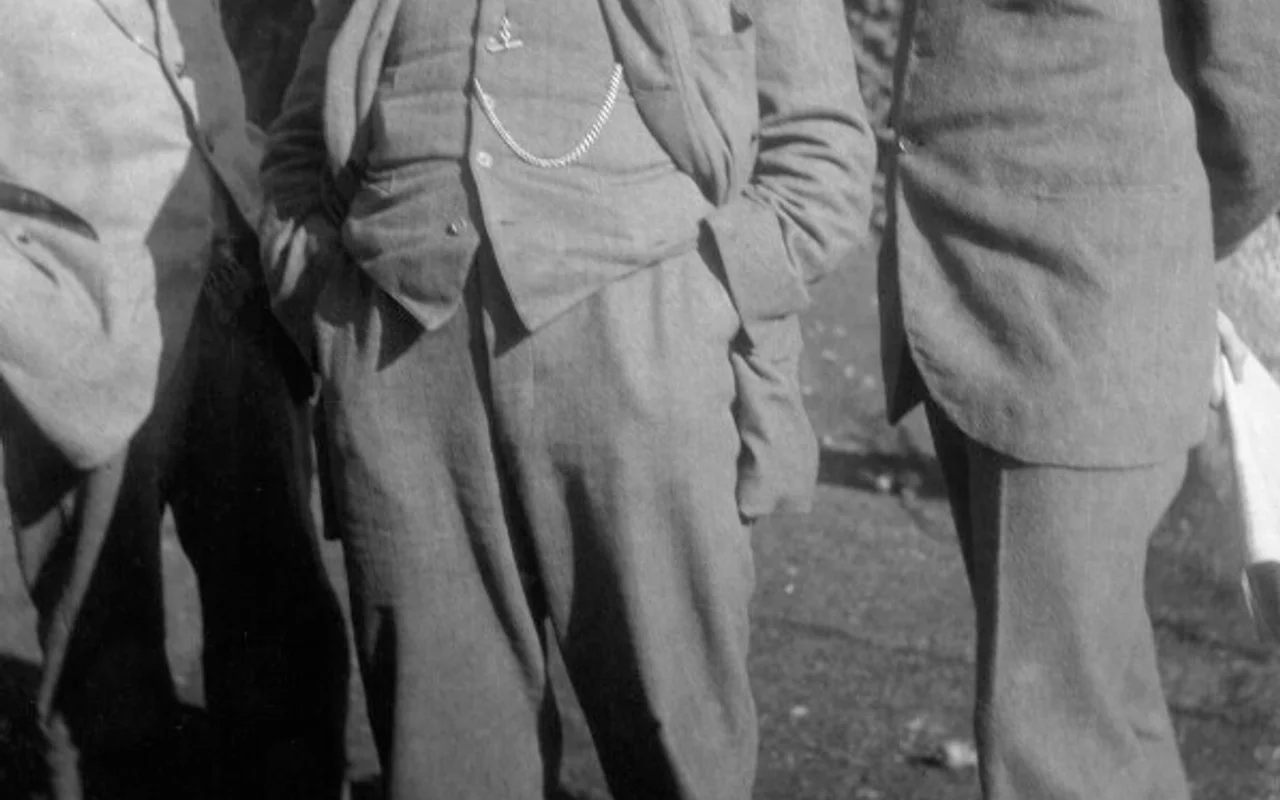
Hahn and Strassmann reported barium among the products of neutron-bombarded uranium in December 1938. Meitner and Frisch explained the result as nuclear fission and estimated the released energy. Naming both stages corrects a prize-centred story without pretending that a wider laboratory network can be reduced to four names.

IAEA: Lise Meitner and the discovery of nuclear fission ↗

The 1945 boundary is ethical as well as technical

Chain-reaction research led to the first controlled reactor and then to weapons produced by the Manhattan Project. The atomic bombings of Hiroshima and Nagasaki killed civilians immediately and through later injury and radiation. The endpoint connects laboratory history to warfare without claiming that reactors, nuclear medicine, arms racing or disarmament ended in 1945.

Academic research on fission and the nuclear age ↗

Illustrated sequence

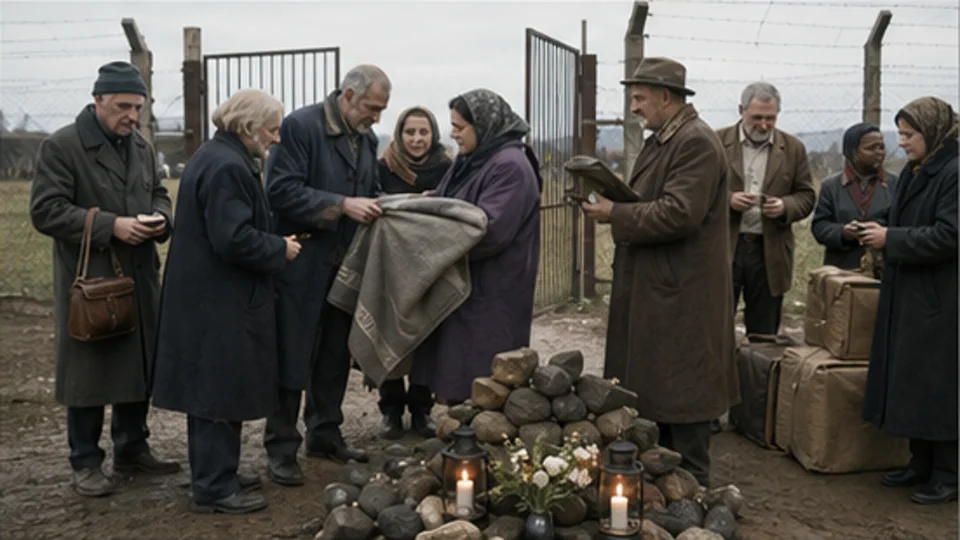
A visual presentation accompanying this entry. Read each image’s attribution to distinguish archival records, later depictions and reconstructions.

Interpretation note

Evidence, memory and historical debate

This dossier distinguishes the event’s basic chronology from later arguments about meaning, responsibility and legacy. When comparing religious, national, Indigenous or scholarly interpretations, consult the primary and institutional sources above alongside peer-reviewed historical work.

Elsewhere in the world

Parallel histories near this moment

1939–1945 CE · global war and Nazi genocide · GlobalSecond World War and Holocaust

Axis aggression widened into a global war of invasion, occupation, resistance and mass civilian death. Within it, Nazi Germany and collaborators systematically murdered six million European Jews in the Holocaust and persecuted and murdered millions of other victims.

1930s–1945 CE · selected theory, measurement and policy milestones · GlobalMacroeconomics, national accounts and welfare states

The Depression and wartime planning accelerated several connected developments: Keynes’s aggregate-demand framework, Kuznets and others’ national-income accounts, and country-specific programmes for employment, social insurance and economic stabilization.

1940s–1970 CE · selected research and adoption phase · GlobalGreen Revolution and crop science

Public research institutes, plant breeders and farmers developed and adopted high-yielding wheat and rice varieties, especially in Mexico and parts of South and Southeast Asia, alongside irrigation, fertilizer, credit and extension systems.