ATLAS / ANCIENT—PRESENT
All historyHow Atlas is sourced← Back to Atlas
Back to Atlas timeline
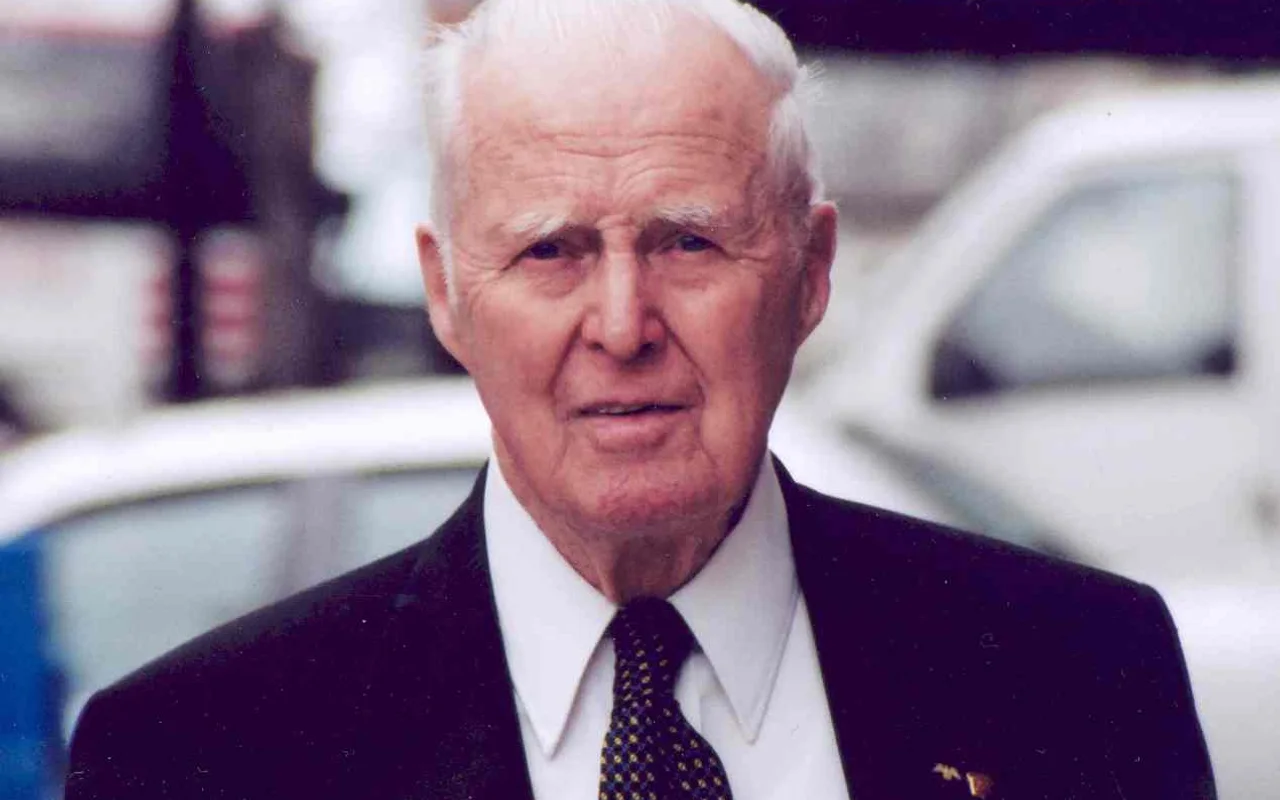
Norman Borlaug (2004).jpg

1940s–1970 CE · selected research and adoption phase · Global · Science

Green Revolution and crop science

Public research institutes, plant breeders and farmers developed and adopted high-yielding wheat and rice varieties, especially in Mexico and parts of South and Southeast Asia, alongside irrigation, fertilizer, credit and extension systems.

Atlas dossier · Cold War & Decolonization

Free device narration · synchronized English captions · transcript available

Why it matters

The package raised cereal yields and reduced some famine risks, but gains varied by crop and region and could deepen unequal access to land, water and credit while increasing fertilizer, pesticide and groundwater pressures.

Date
1940s–1970 CE · selected research and adoption phase
Historical setting
Cold War & Decolonization · Global
People & communities
Farmers · agricultural laborers · plant breeders · M. S. Swaminathan · Norman Borlaug · research institutes · governments
A package, not a miracle seed

Semi-dwarf wheat and rice varieties produced high yields where breeding was joined to irrigation, fertilizer, pest control, credit, extension and procurement. Mexican wheat programmes and Asian rice institutes followed different paths, while farmers selected and adapted crops rather than merely receiving technology from one celebrated scientist.

Nobel Peace Prize 1970: Norman Borlaug ↗

Benefits and costs varied

Higher cereal output reduced some famine risks, but adoption favoured irrigated regions and farmers able to obtain land, water and capital. Intensive input use created groundwater, soil and pollution pressures, and the first wave largely bypassed many crops and regions. The timeline is therefore a selected adoption phase, not a universal revolution completed by 1970.

Academic research on the Green Revolution ↗

Illustrated sequence

A visual presentation accompanying this entry. Read each image’s attribution to distinguish archival records, later depictions and reconstructions.

Interpretation note

Evidence, memory and historical debate

This dossier distinguishes the event’s basic chronology from later arguments about meaning, responsibility and legacy. When comparing religious, national, Indigenous or scholarly interpretations, consult the primary and institutional sources above alongside peer-reviewed historical work.

Elsewhere in the world

Parallel histories near this moment

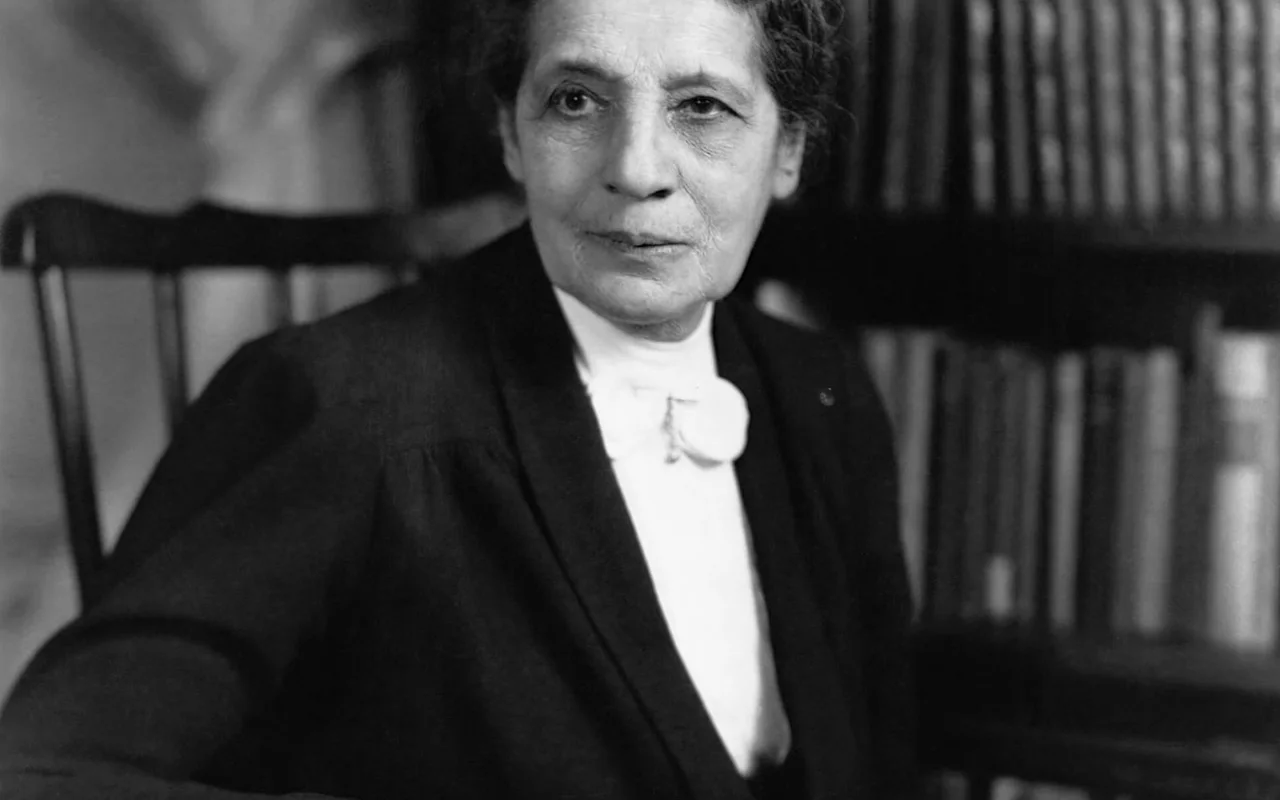
1938–1945 CE · experimental fission, interpretation, chain reaction and atomic war · EuropeNuclear fission and the nuclear age

Hahn and Strassmann’s 1938 experiments produced evidence of uranium fission; Meitner and Frisch supplied the physical interpretation and name. Chain-reaction research then led rapidly to a reactor and the Manhattan Project.

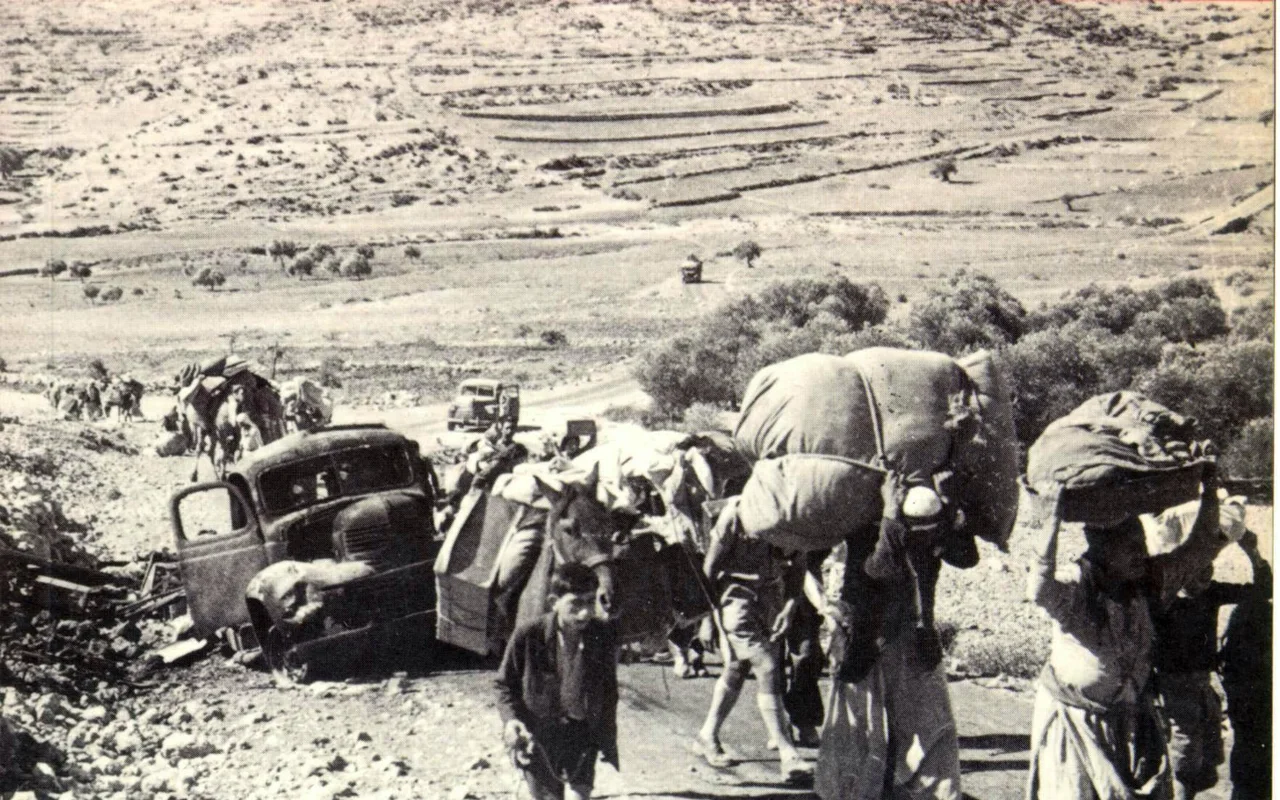
1947–1949 CE · partition proposal, civil war, statehood, regional war and displacement · Middle East1948 war, Palestinian displacement and the making of Israel

The UN General Assembly recommended partition in 1947; civil war followed, Israel declared statehood as the British Mandate ended in May 1948, and neighbouring Arab states entered the war. More than 700,000 Palestinians were displaced or expelled in the Nakba.

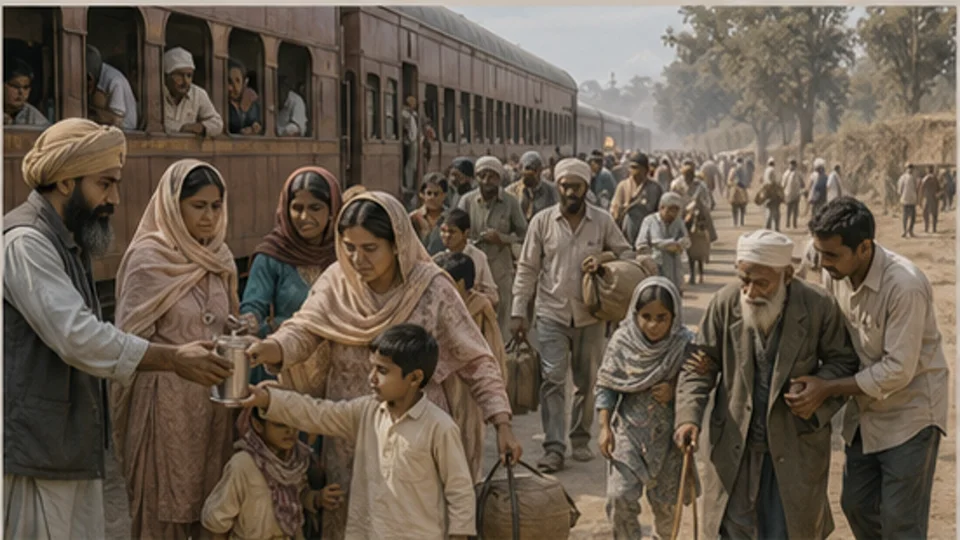
1947–1948 CE · independence, Partition, migration and first Kashmir war · AsiaPartition and independence of India and Pakistan

British rule ended and India and Pakistan became independent in August 1947. A hurried boundary divided Punjab and Bengal amid one of the twentieth century’s largest forced migrations, communal violence and the first war over Kashmir.