ATLAS / ANCIENT—PRESENT
All historyHow Atlas is sourced← Back to Atlas
Back to Atlas timeline
Partition and independence of India and Pakistan — original Atlas editorial reconstruction

1947–1948 CE · independence, Partition, migration and first Kashmir war · Asia · Rights

Partition and independence of India and Pakistan

British rule ended and India and Pakistan became independent in August 1947. A hurried boundary divided Punjab and Bengal amid one of the twentieth century’s largest forced migrations, communal violence and the first war over Kashmir.

Atlas dossier · Cold War & Decolonization

Free device narration · synchronized English captions · transcript available

Why it matters

Independence and Partition were related but not identical: liberation from empire coincided with displacement, gendered violence, divided provinces and unresolved sovereignty that cannot be reduced to three national leaders.

Date
1947–1948 CE · independence, Partition, migration and first Kashmir war
Historical setting
Cold War & Decolonization · Asia
People & communities
Migrating families · Gandhi · Nehru · Jinnah · local relief communities

Independence and Partition were not one event

India and Pakistan became independent in August 1947, while the Radcliffe boundary was published only after the ceremonies. Punjab and Bengal were divided, princely states faced separate accession decisions and war began over Jammu and Kashmir. A single date cannot contain those different constitutional and military processes.

British Library: South Asia collections ↗

Migration totals do not erase individual histories

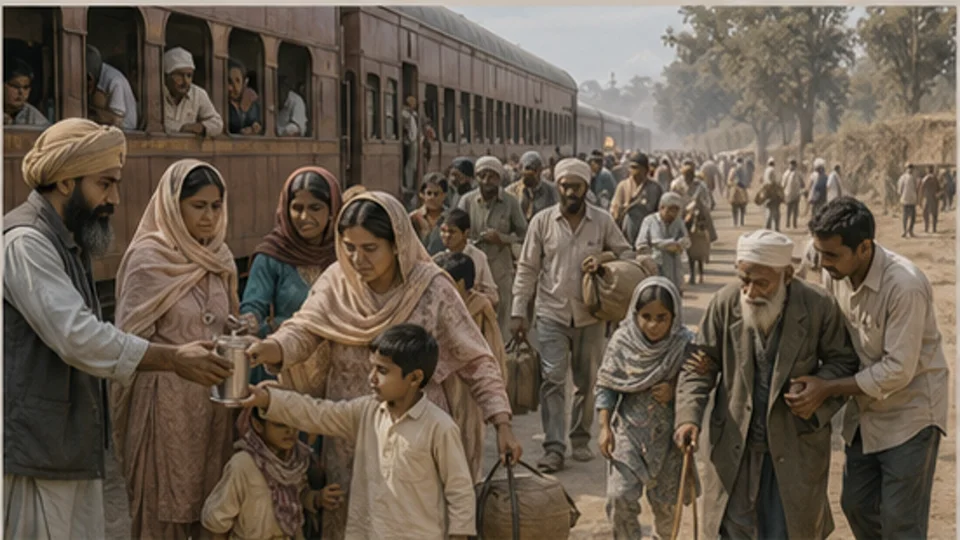
Millions of Hindus, Muslims and Sikhs crossed new borders amid killing, abduction, sexual violence and loss of home. Totals remain estimates drawn from disrupted records. Oral histories and family archives recover experiences—especially women’s—that official transfer-of-power documents often leave at the margins.

Academic research on Partition ↗

Illustrated sequence

Silent pan-and-zoom motion derivative of the Partition and independence of India and Pakistan reconstruction; not archival footage.

Interpretation note

Evidence, memory and historical debate

This dossier distinguishes the event’s basic chronology from later arguments about meaning, responsibility and legacy. When comparing religious, national, Indigenous or scholarly interpretations, consult the primary and institutional sources above alongside peer-reviewed historical work.

Elsewhere in the world

Parallel histories near this moment

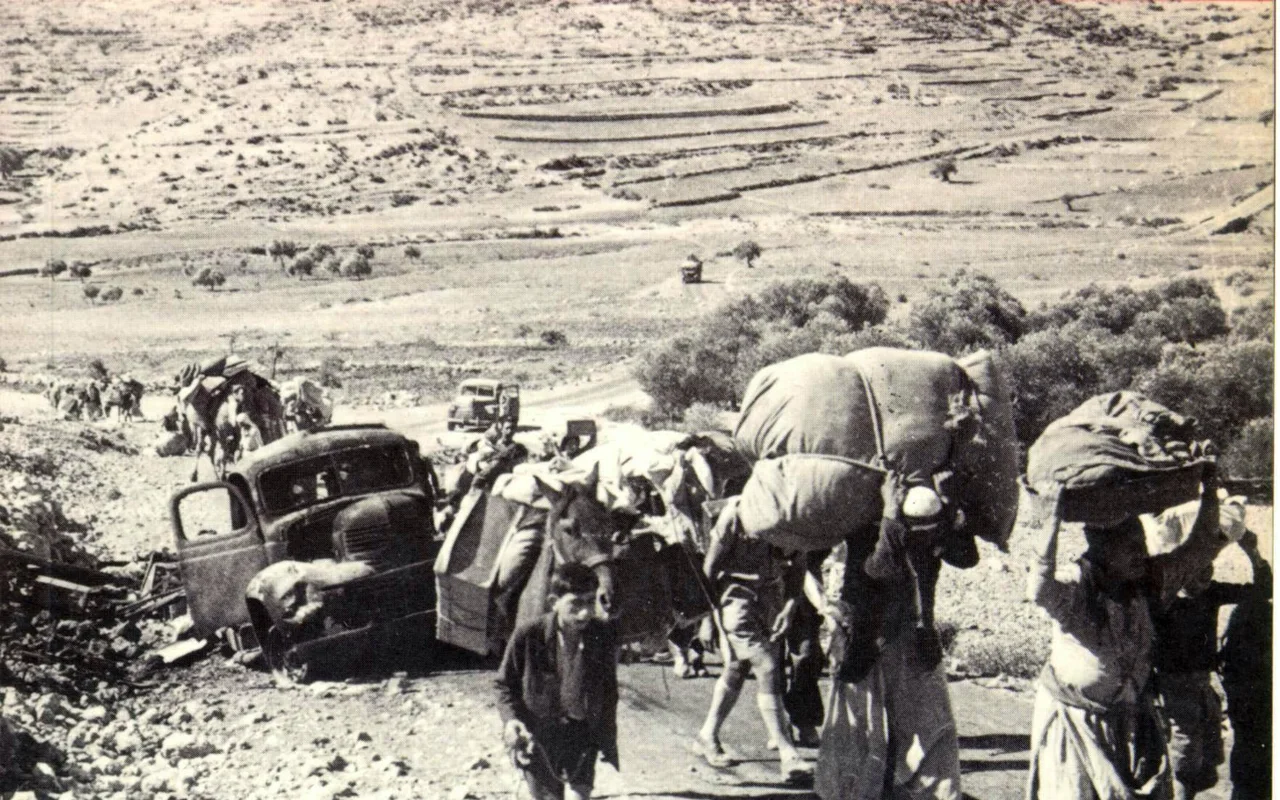
1947–1949 CE · partition proposal, civil war, statehood, regional war and displacement · Middle East1948 war, Palestinian displacement and the making of Israel

The UN General Assembly recommended partition in 1947; civil war followed, Israel declared statehood as the British Mandate ended in May 1948, and neighbouring Arab states entered the war. More than 700,000 Palestinians were displaced or expelled in the Nakba.

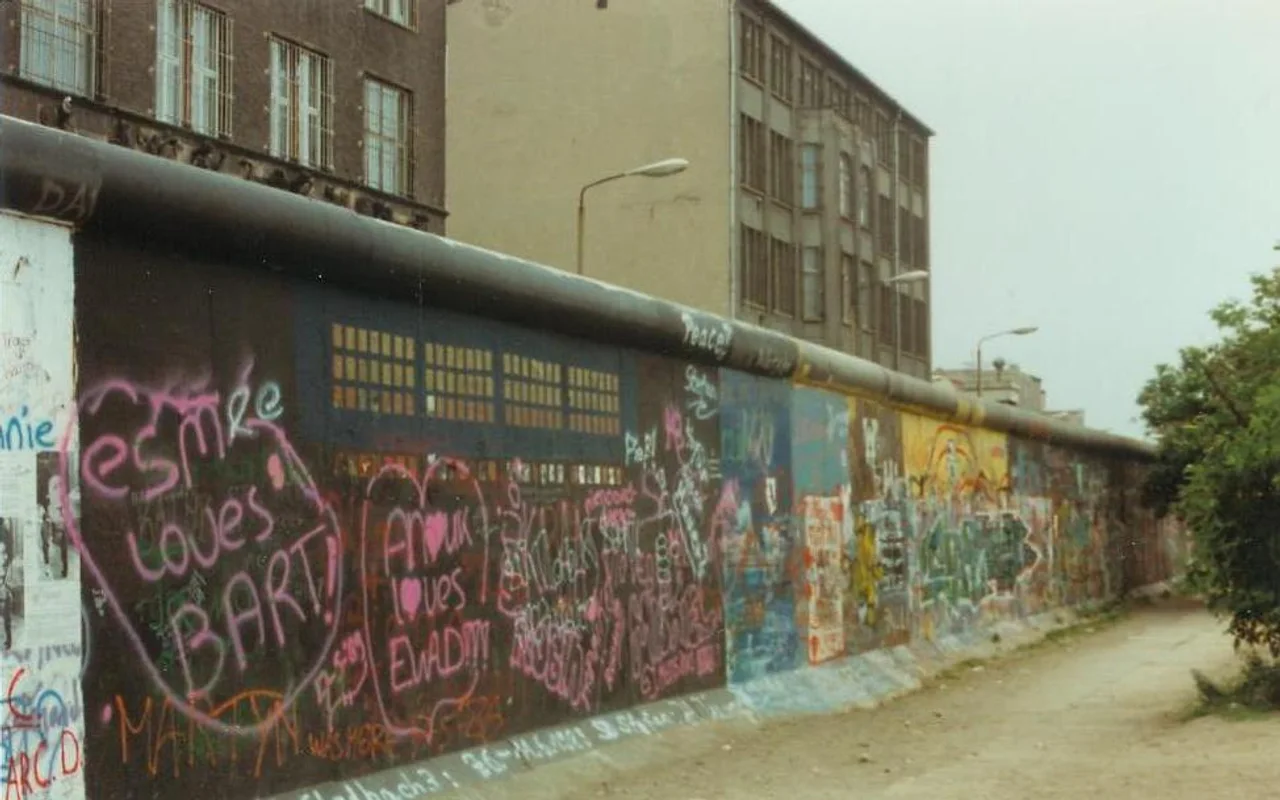
1947–1991 CE · conventional Cold War boundary · GlobalCold War, nuclear brinkmanship and Soviet collapse

U.S.- and Soviet-led blocs built alliances, nuclear arsenals, intelligence systems and competing political economies, while wars in Korea, Vietnam, Afghanistan and elsewhere were fought by states and movements with their own aims.

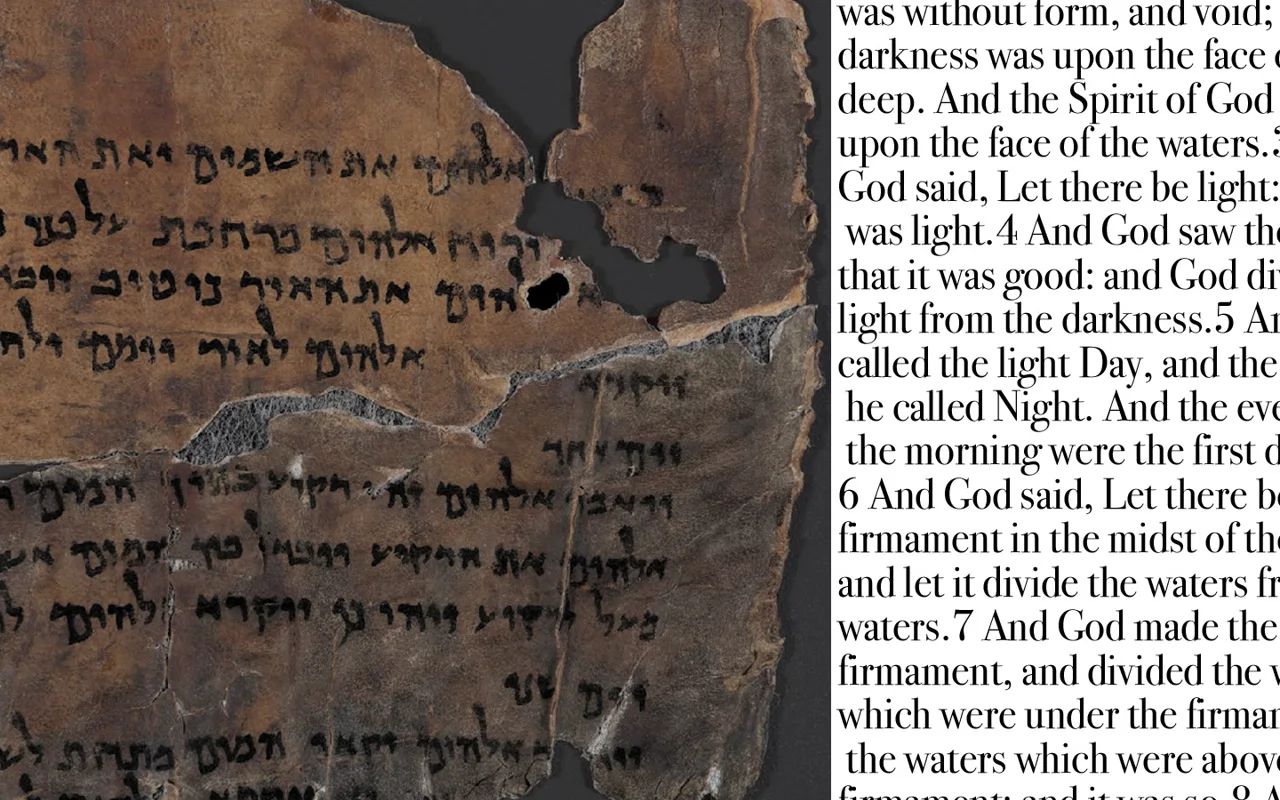
1947–1956 CE · cave discoveries and dispersed manuscripts · Middle EastThe Dead Sea Scrolls are discovered

Bedouin discoverers, antiquities dealers and archaeologists brought to light manuscripts from eleven caves near Qumran between 1947 and 1956, including biblical texts and other Jewish writings copied during the late Second Temple period.

Explore the connections

Indian Rebellion of 1857 and the end of Company rule →