ATLAS / ANCIENT—PRESENT
All historyHow Atlas is sourced← Back to Atlas
Back to Atlas timeline
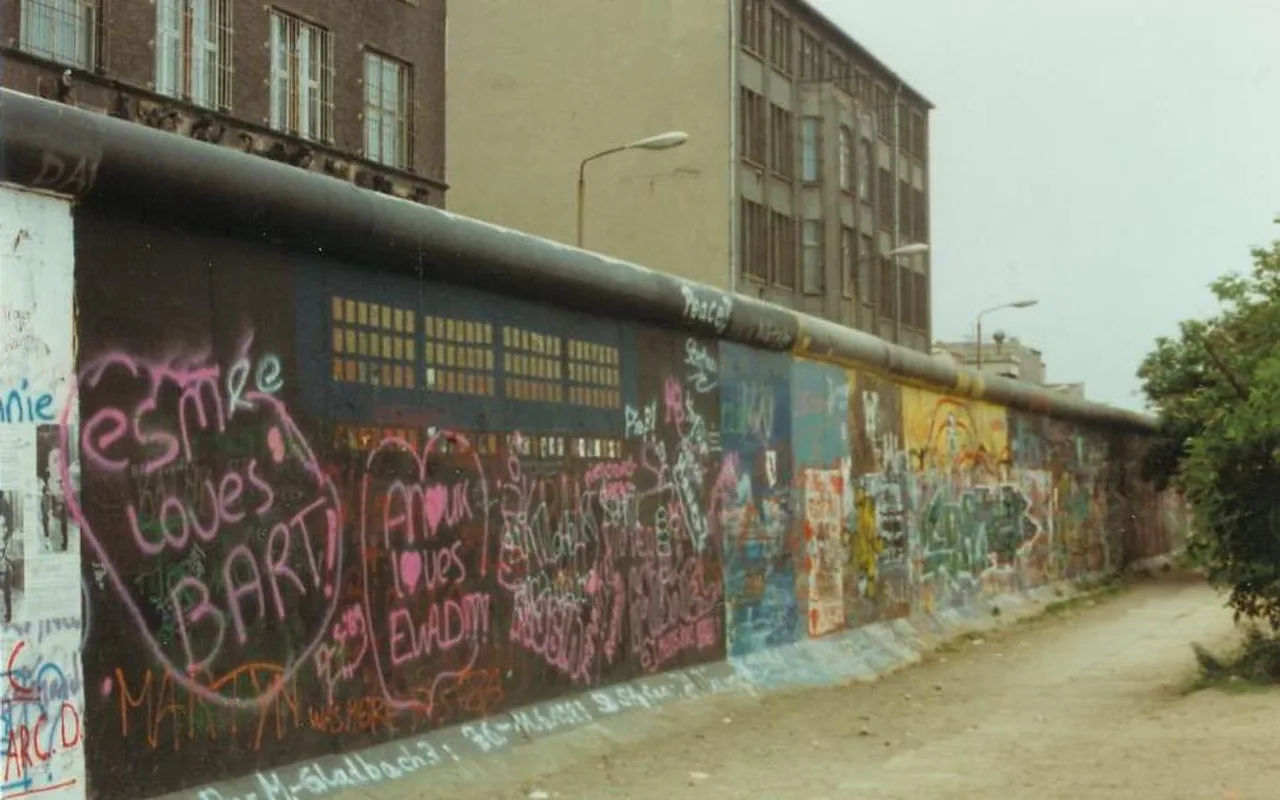
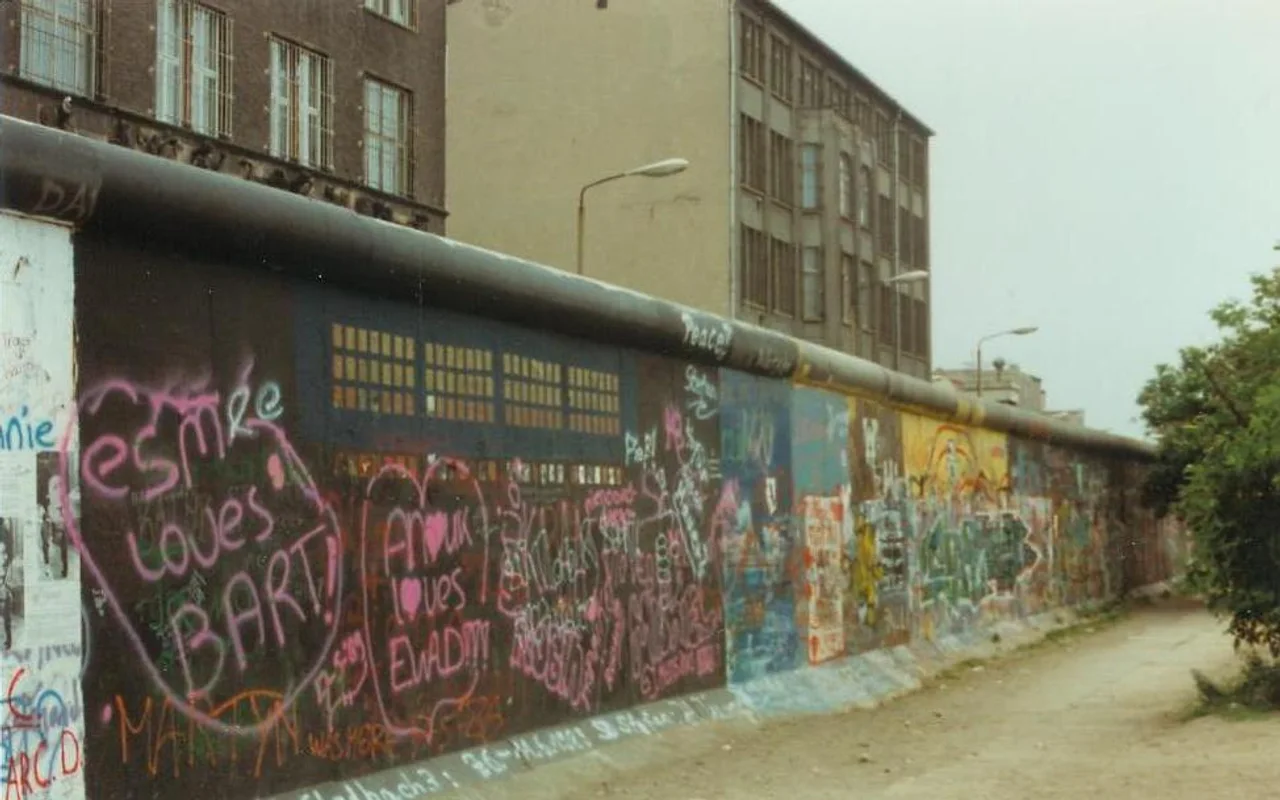
Berlin Wall (June 1989).jpg

1947–1991 CE · conventional Cold War boundary · Global · War

Cold War, nuclear brinkmanship and Soviet collapse

U.S.- and Soviet-led blocs built alliances, nuclear arsenals, intelligence systems and competing political economies, while wars in Korea, Vietnam, Afghanistan and elsewhere were fought by states and movements with their own aims.

Atlas dossier · Cold War & Decolonization

Free device narration · synchronized English captions · transcript available

Why it matters

Nuclear deterrence coexisted with repeated crises, proxy wars and intervention rather than producing a peaceful era. Reform, popular movements, economic strain and national claims contributed to the 1989 revolutions and the Soviet Union’s dissolution in 1991.

Date
1947–1991 CE · conventional Cold War boundary
Historical setting
Cold War & Decolonization · Global
People & communities
Citizens of divided states · anti-colonial movements · dissidents · soldiers · diplomats · nuclear scientists
A conventional boundary, not a frozen world

The 1947 start marks a widely used phase of open U.S.–Soviet confrontation, not the instant division of every country into two obedient camps. Non-Aligned governments, anti-colonial movements and local actors pursued their own projects even when superpowers supplied weapons, aid or intervention.

U.S. Department of State: the Cold War

Deterrence contained recurring danger

Nuclear arsenals discouraged direct superpower war but generated arms races, accidents and crises rather than guaranteed safety. The Berlin and Cuban crises, proxy wars and public anti-nuclear movements expose the cost of calling the period simply peaceful. Soviet collapse likewise followed reform, economic strain, republican sovereignty movements and political choices, not one cause.

U.S. National Archives: Cold War research

Illustrated sequence

A visual presentation accompanying this entry. Read each image’s attribution to distinguish archival records, later depictions and reconstructions.

Berlin Wall (June 1989).jpg
IMAGE 1

Visual record

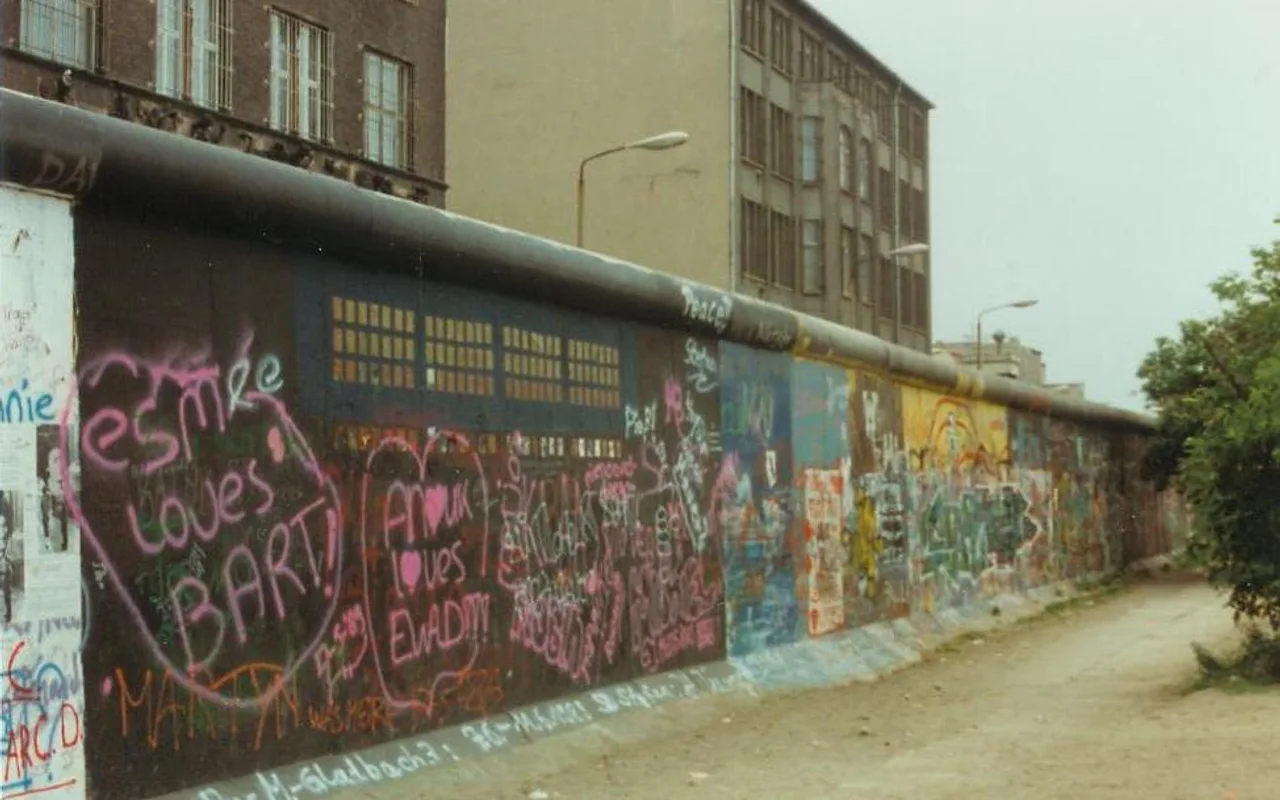
The Berlin Wall in June 1989, before the opening of border crossings that November.

Berlin Wall (June 1989).jpg — Angr; Public domain; via Wikimedia Commons repository. Resized, cropped and converted to WebP for Atlas display.

Source and reuse terms ↗

Interpretation note

Evidence, memory and historical debate

This dossier distinguishes the event’s basic chronology from later arguments about meaning, responsibility and legacy. When comparing religious, national, Indigenous or scholarly interpretations, consult the primary and institutional sources above alongside peer-reviewed historical work.

Elsewhere in the world

Parallel histories near this moment

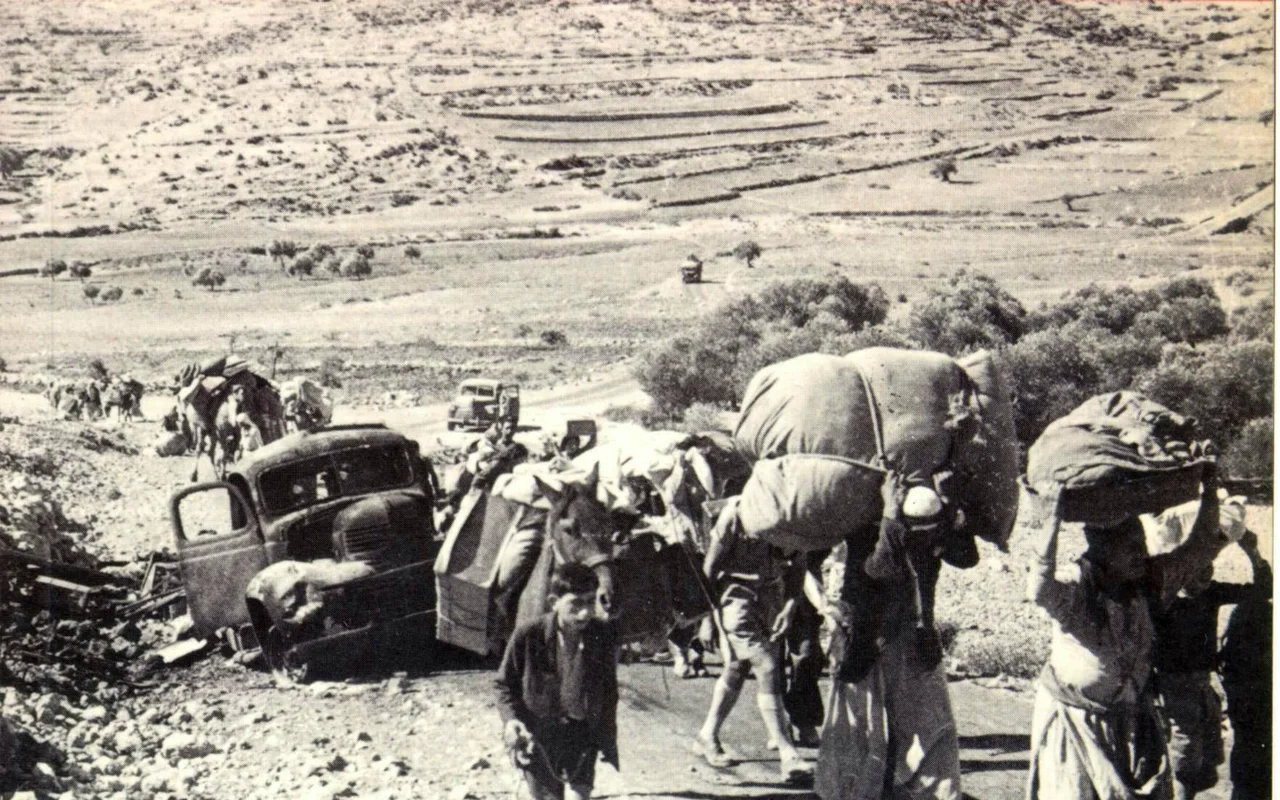
1947–1949 CE · partition proposal, civil war, statehood, regional war and displacement · Middle East1948 war, Palestinian displacement and the making of Israel

The UN General Assembly recommended partition in 1947; civil war followed, Israel declared statehood as the British Mandate ended in May 1948, and neighbouring Arab states entered the war. More than 700,000 Palestinians were displaced or expelled in the Nakba.

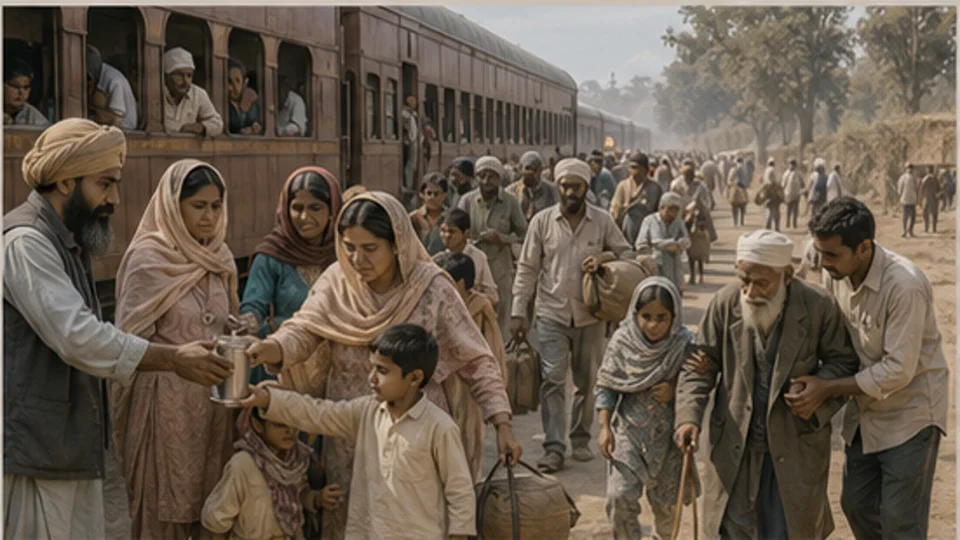
1947–1948 CE · independence, Partition, migration and first Kashmir war · AsiaPartition and independence of India and Pakistan

British rule ended and India and Pakistan became independent in August 1947. A hurried boundary divided Punjab and Bengal amid one of the twentieth century’s largest forced migrations, communal violence and the first war over Kashmir.

1947–1956 CE · cave discoveries and dispersed manuscripts · Middle EastThe Dead Sea Scrolls are discovered

Bedouin discoverers, antiquities dealers and archaeologists brought to light manuscripts from eleven caves near Qumran between 1947 and 1956, including biblical texts and other Jewish writings copied during the late Second Temple period.

Explore the connections

European integration: coal, steel and the common market

Nuclear testing in the Marshall Islands: displacement and fallout

Indonesia’s mass killings and imprisonment, 1965–1966

Cuba’s revolution and the changing Cold War alignment

Operation Condor and dictatorship across borders