ATLAS / ANCIENT—PRESENT
All historyHow Atlas is sourced← Back to Atlas
Back to Atlas timeline
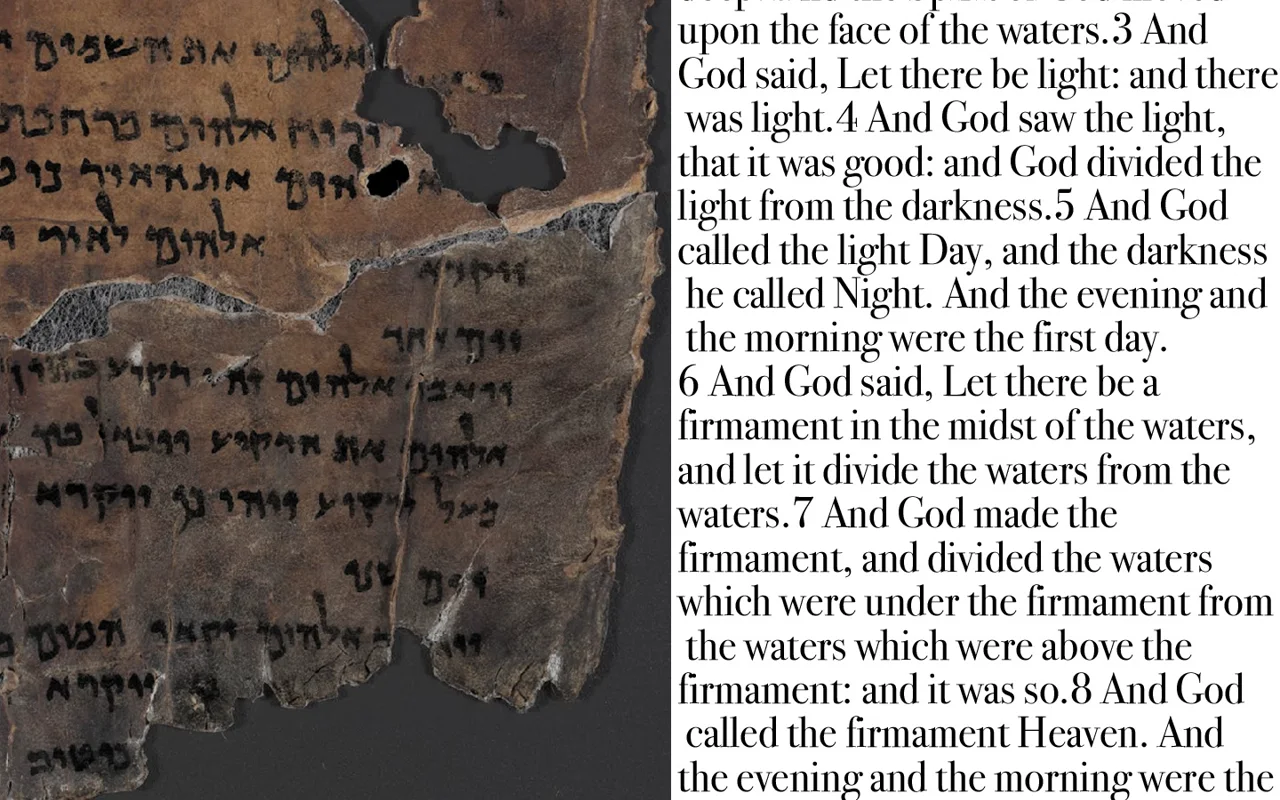
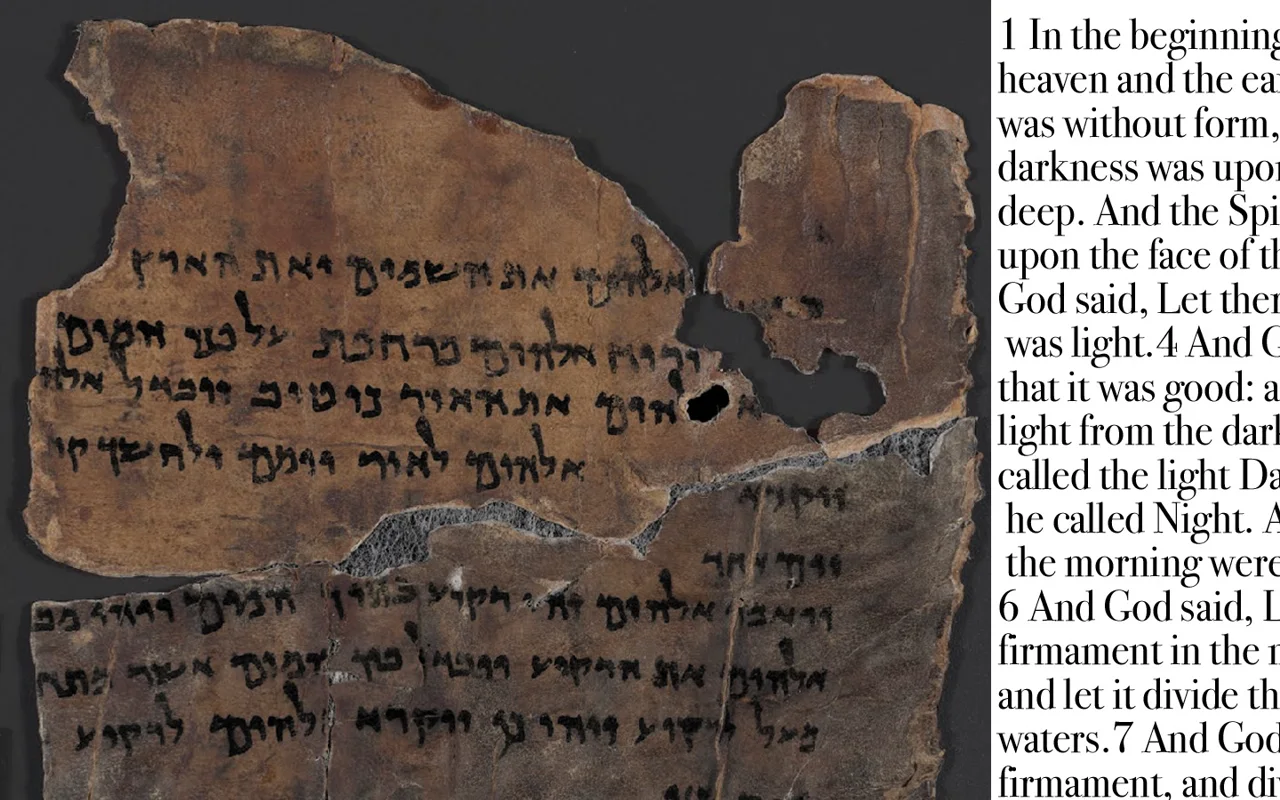
Dead Sea Scroll fragment 4Q7 with Genesis 1

1947–1956 CE · cave discoveries and dispersed manuscripts · Middle East · Faith

The Dead Sea Scrolls are discovered

Bedouin discoverers, antiquities dealers and archaeologists brought to light manuscripts from eleven caves near Qumran between 1947 and 1956, including biblical texts and other Jewish writings copied during the late Second Temple period.

Atlas dossier · Cold War & Decolonization

Free device narration · synchronized English captions · transcript available

Why it matters

The scrolls illuminate ancient Jewish textual diversity and biblical transmission; they are not Christian manuscripts or a single intact library, and their acquisition, ownership, reconstruction and fragment provenance require explicit care.

Date
1947–1956 CE · cave discoveries and dispersed manuscripts
Historical setting
Cold War & Decolonization · Middle East
People & communities
Bedouin discoverers · local antiquities workers · scroll scholars · Jewish communities of the Second Temple period
Discovery unfolded across caves and markets

The first manuscripts emerged in 1947 through Bedouin discovery and the antiquities market; searches and excavations eventually identified material from eleven caves by 1956. Fragments were dispersed among institutions and collections, making ownership, access and provenance part of the modern history rather than an incidental footnote.

Israel Museum: the Digital Dead Sea Scrolls

Ancient Jewish manuscripts, not a Christian archive

The scrolls include copies of biblical books, sectarian writings and other Jewish texts from the late Second Temple period. They illuminate textual variation and the religious world in which Christianity emerged, but they do not directly narrate Jesus’s life and should not be advertised as a sensational proof of later doctrines.

Academic research on Qumran and the Dead Sea Scrolls

Illustrated sequence

A visual presentation accompanying this entry. Read each image’s attribution to distinguish archival records, later depictions and reconstructions.

Dead Sea Scroll fragment 4Q7 with Genesis 1
IMAGE 1

Visual record

A modern composite (2017) places a Dead Sea Scroll fragment beside printed English text from Genesis. The English text is an explanatory addition.

Dead Sea Scroll fragment 4Q7 with Genesis 1 — KetefHinnomFan; CC0 1.0 Universal; via Wikimedia Commons. Resized, cropped and converted to WebP for Atlas display.

Source and reuse terms ↗ · Read the licence ↗

Interpretation note

Evidence, memory and historical debate

This dossier distinguishes the event’s basic chronology from later arguments about meaning, responsibility and legacy. When comparing religious, national, Indigenous or scholarly interpretations, consult the primary and institutional sources above alongside peer-reviewed historical work.

Elsewhere in the world

Parallel histories near this moment

1947–1991 CE · conventional Cold War boundary · GlobalCold War, nuclear brinkmanship and Soviet collapse

U.S.- and Soviet-led blocs built alliances, nuclear arsenals, intelligence systems and competing political economies, while wars in Korea, Vietnam, Afghanistan and elsewhere were fought by states and movements with their own aims.

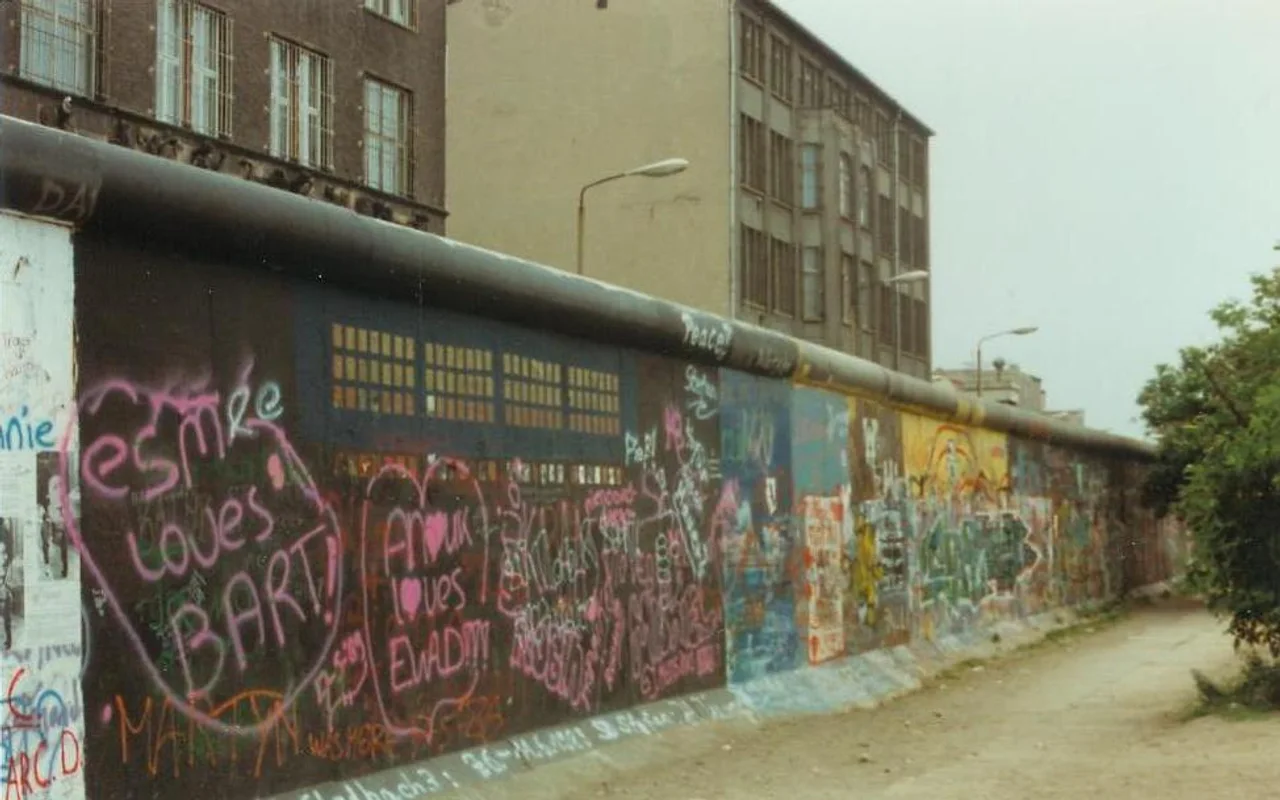
1947–1948 CE · independence, Partition, migration and first Kashmir war · AsiaPartition and independence of India and Pakistan

British rule ended and India and Pakistan became independent in August 1947. A hurried boundary divided Punjab and Bengal amid one of the twentieth century’s largest forced migrations, communal violence and the first war over Kashmir.

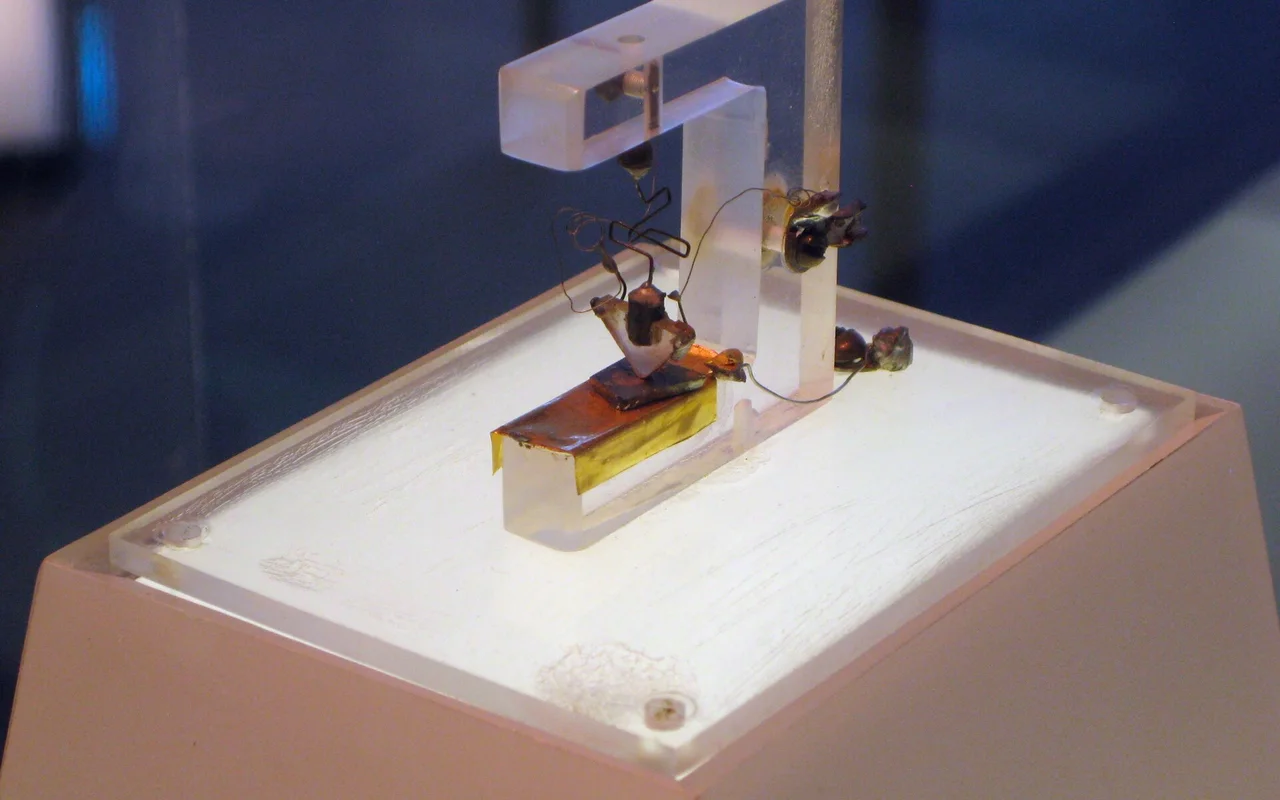
1947–1971 CE · transistor, integrated-circuit and microprocessor milestones · AmericasTransistor, electronic computing and microprocessors

The 1947 point-contact transistor, later junction and MOS transistors, integrated circuits in the late 1950s and a commercial microprocessor in 1971 progressively concentrated electronic switching and computation.