Why it matters
The conflict transformed borders, law, human rights, technology and decolonization.
- Date
- 1939–1945
- Historical setting
- World Wars · Global
- People & communities
- Axis and Allied powers · persecuted peoples · resistance movements
1939–1945 · Global · War
Total war, genocide, occupation, resistance and atomic weapons left a radically altered world order.
Atlas dossier · World WarsFree device narration · synchronized English captions · transcript available
Why it matters
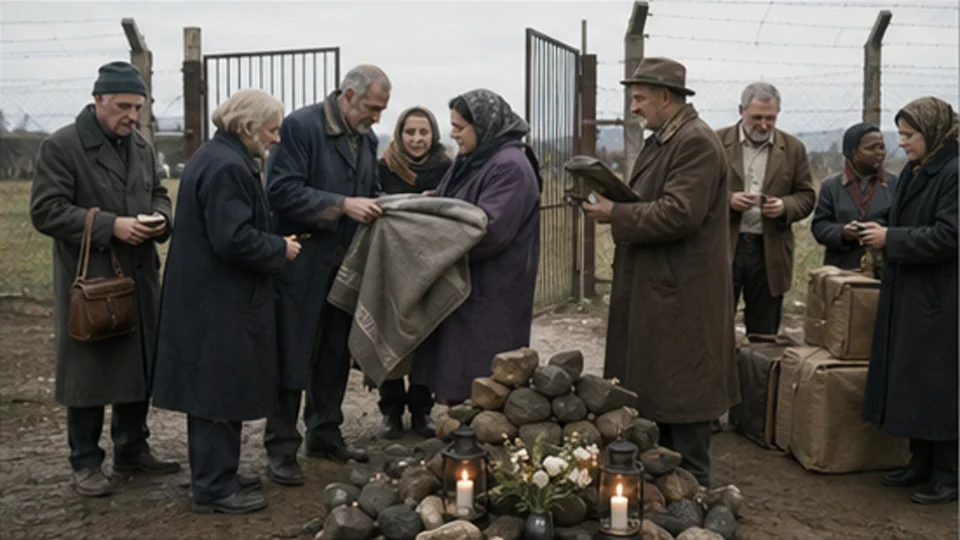
Total war, genocide, occupation, resistance and atomic weapons left a radically altered world order.
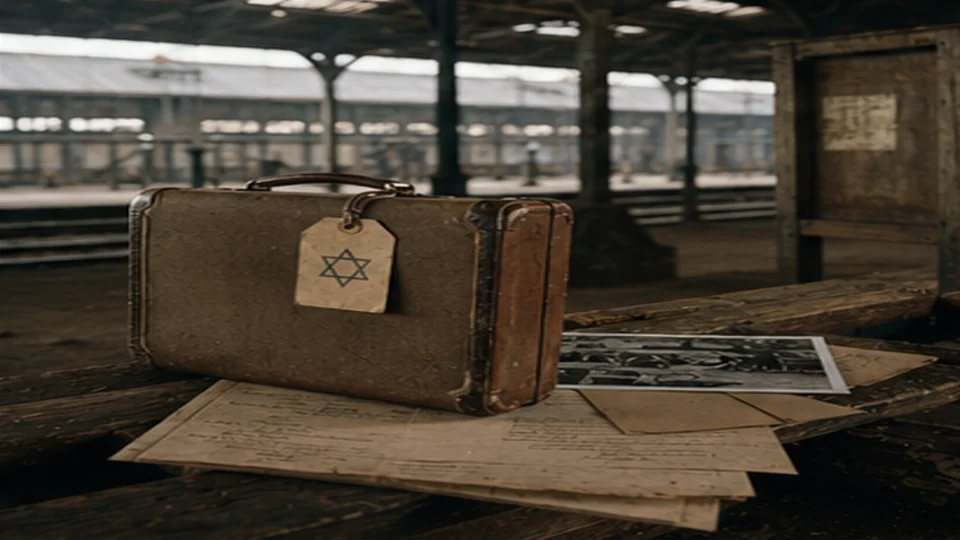
Axis and Allied powers · persecuted peoples · resistance movements
The conflict transformed borders, law, human rights, technology and decolonization.
Interpretation note
This dossier distinguishes the event’s basic chronology from later arguments about meaning, responsibility and legacy. When comparing religious, national, Indigenous or scholarly interpretations, consult the primary and institutional sources above alongside peer-reviewed historical work.
Elsewhere in the world
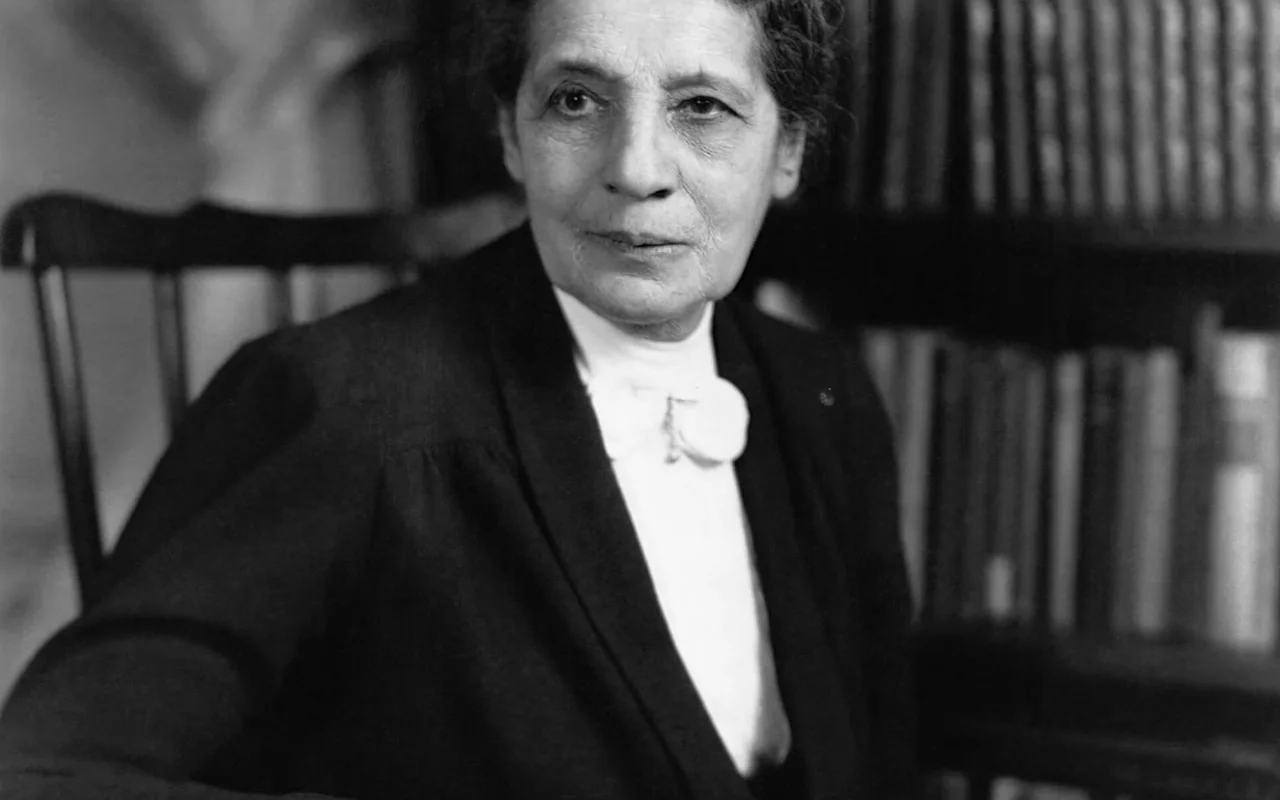 1938–1945 · EuropeNuclear fission and the nuclear age
Researchers showed that splitting some atomic nuclei released enormous energy, leading rapidly to reactors and atomic weapons during the Second World War.
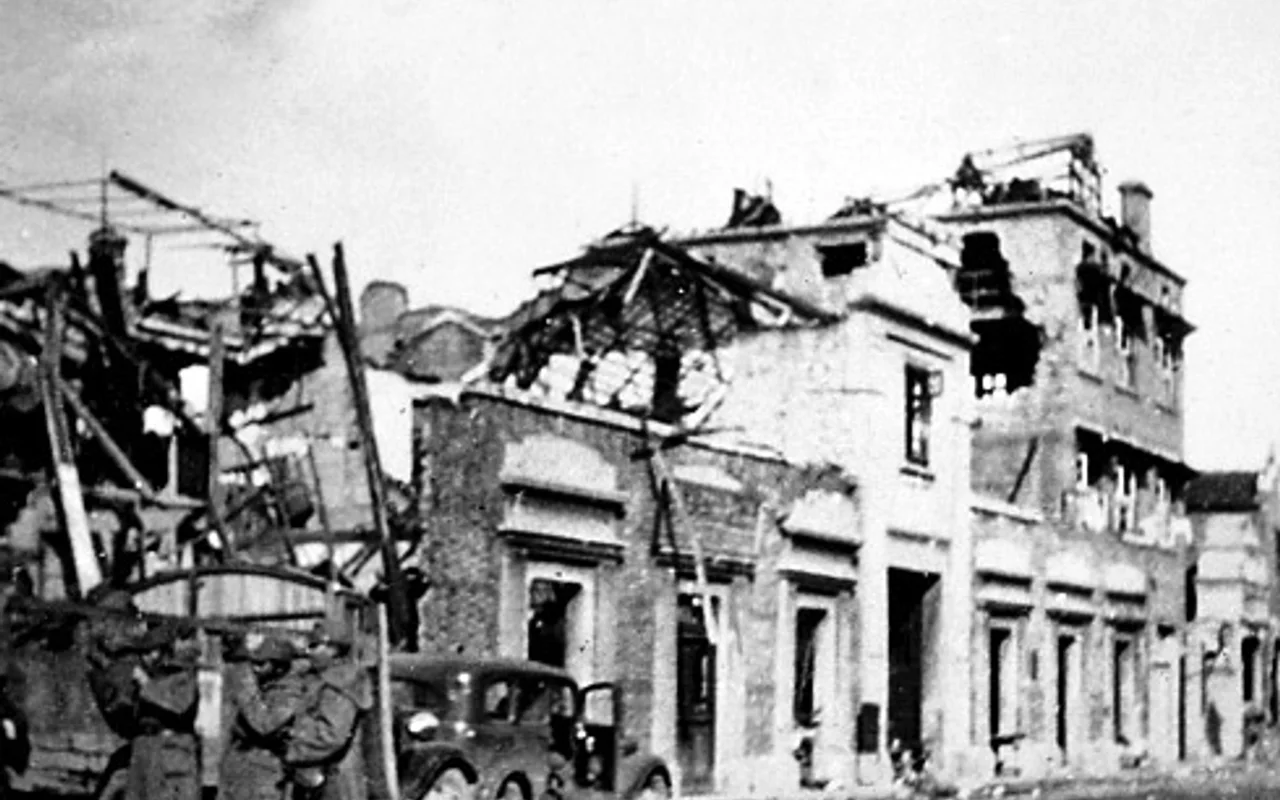 1931–1945 · AsiaThe Asia-Pacific War and Nanjing
Japanese imperial expansion in Manchuria and China widened into a devastating Asia-Pacific war. The Nanjing Massacre of 1937–38 was one of its most notorious episodes of mass killing, sexual violence and terror against civilians and prisoners.
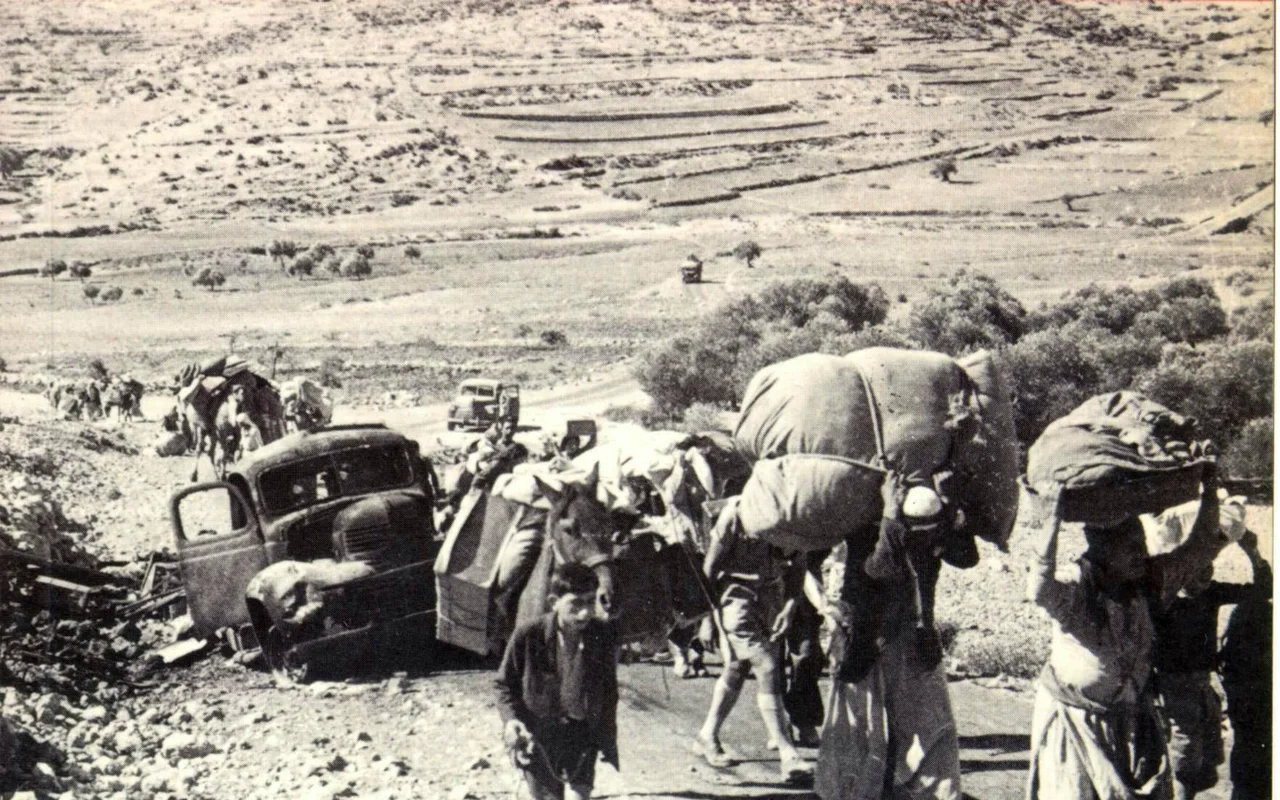 1947–1949 · Middle East1948 war, Palestinian displacement and the making of Israel
The end of the British Mandate, the UN partition plan, civil war and the 1948 Arab–Israeli war created the State of Israel and displaced hundreds of thousands of Palestinians. Israelis and Palestinians carry different memories and narratives of this formative period.