ATLAS / ANCIENT—PRESENT
All historyHow Atlas is sourced← Back to Atlas
Back to Atlas timeline
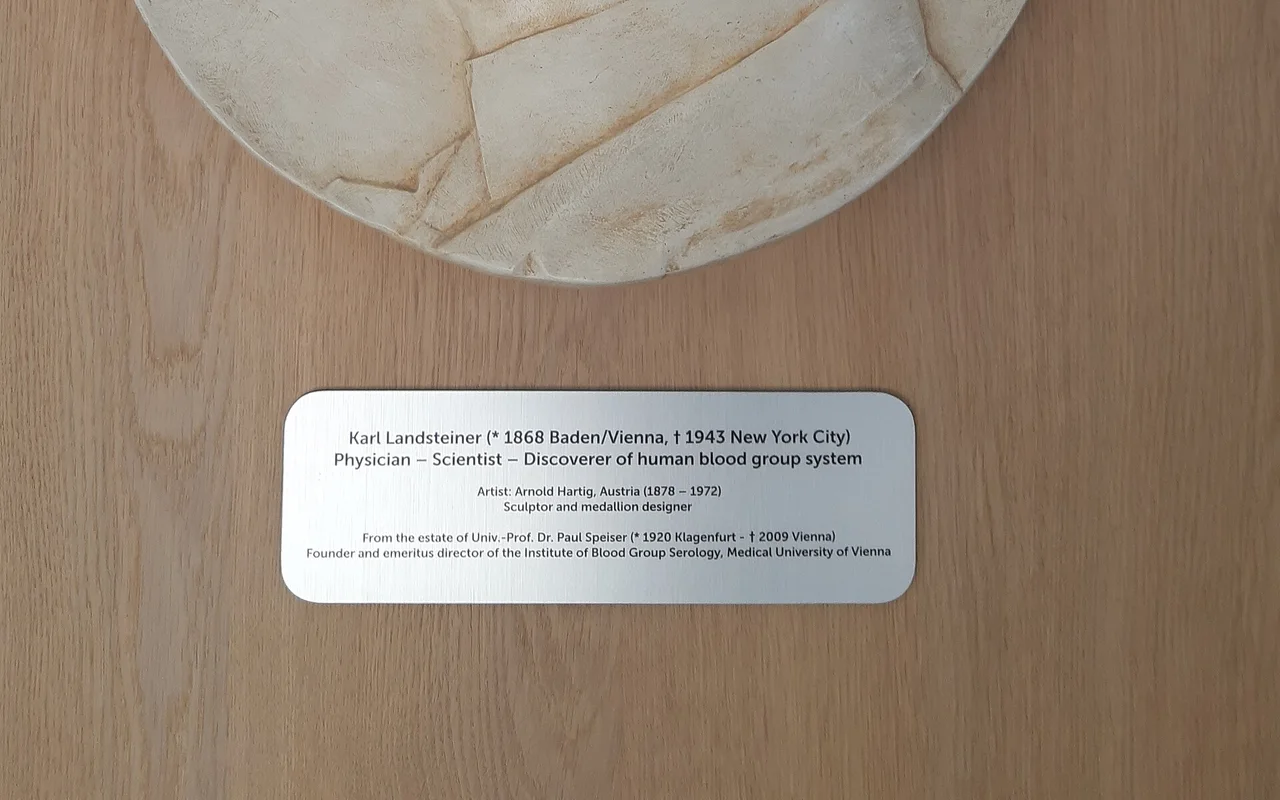
Karl Landsteiner Gedenktafel Portrait KL Privatuniversität Krems.jpg

1901–1923 CE · blood-group, insulin and clinical-use milestones · Europe · Medicine

Blood groups, insulin and modern clinical physiology

Landsteiner’s blood-group work enabled safer compatibility testing, while the Toronto insulin team’s extraction, purification and clinical trials transformed type 1 diabetes from a rapidly fatal disease into a treatable chronic condition.

Atlas dossier · World Wars

Free device narration · synchronized English captions · transcript available

Why it matters

Neither discovery worked alone: transfusion also required typing, cross-matching and blood services, while insulin manages diabetes rather than curing it and depends on continuing access and careful dosing.

Date
1901–1923 CE · blood-group, insulin and clinical-use milestones
Historical setting
World Wars · Europe
People & communities
Karl Landsteiner · Frederick Banting · Charles Best · John Macleod · James Collip · Leonard Thompson · patients, nurses and laboratory teams
Two discoveries, different clinical systems

Landsteiner reported the principal human blood groups in 1901; safer transfusion still required compatibility testing, cross-matching, storage and organised blood services. The 1930 Nobel award records the importance of the discovery, not a claim that one experiment created modern transfusion practice.

Nobel Prize: Karl Landsteiner facts ↗

Insulin was team science and treatment, not cure

Banting and Best’s experiments were conducted in Macleod’s Toronto laboratory, while Collip’s purification work helped make clinical use possible. Leonard Thompson received the first successful course in 1922. The 1923 Nobel award went to Banting and Macleod, who shared their prize money with Best and Collip; the dossier names the wider team and the patient rather than turning the work into a two-man discovery story.

Nobel Prize in Physiology or Medicine 1923 ↗

Illustrated sequence

A visual presentation accompanying this entry. Read each image’s attribution to distinguish archival records, later depictions and reconstructions.

Interpretation note

Evidence, memory and historical debate

This dossier distinguishes the event’s basic chronology from later arguments about meaning, responsibility and legacy. When comparing religious, national, Indigenous or scholarly interpretations, consult the primary and institutional sources above alongside peer-reviewed historical work.

Elsewhere in the world

Parallel histories near this moment

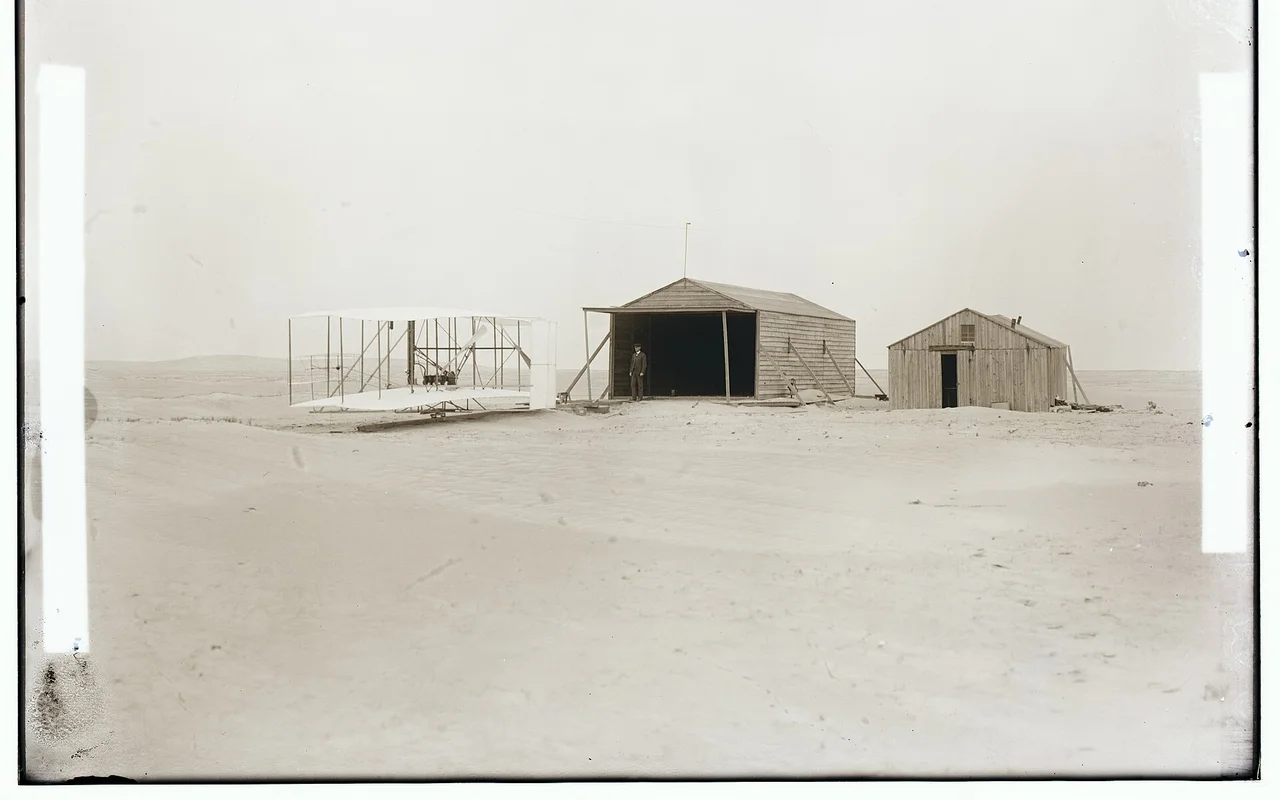
17 December 1903 CE · first sustained, controlled powered airplane flights · AmericasPowered flight

At Kitty Hawk, the Wright brothers made four successful flights in a powered, heavier-than-air machine whose pilot could control pitch, roll and yaw.

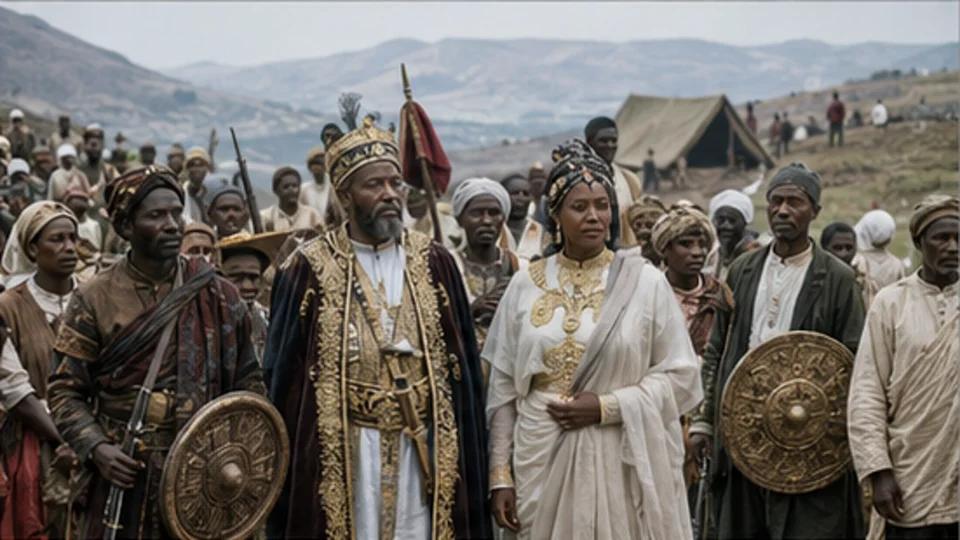
1 March 1896 CE · battle and treaty-recognition milestone · AfricaBattle of Adwa

An Ethiopian army assembled from several regions under Menelik II and Taytu Betul defeated Italy’s invading force at Adwa; Italy recognised Ethiopian independence in the Treaty of Addis Ababa later that year.

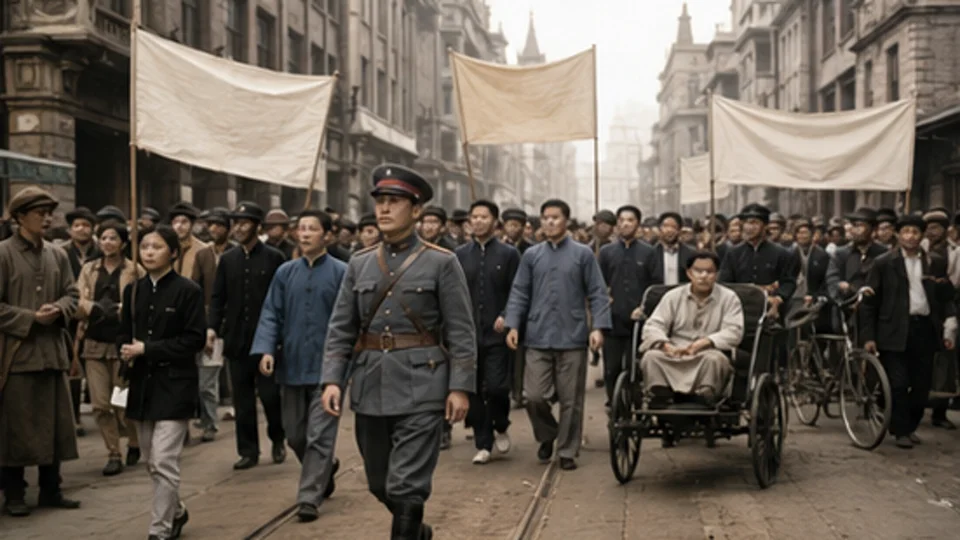
1911–1949 CE · revolution, invasion and competing governments · AsiaChinese revolutions and divided sovereignty

The 1911 Revolution ended Qing rule, but republican government remained contested through regional militarism, Nationalist–Communist conflict and Japanese invasion. In 1949 the PRC was proclaimed on the mainland while the ROC government relocated to Taiwan.