ATLAS / ANCIENT—PRESENT
All historyHow Atlas is sourced← Back to Atlas
Back to Atlas timeline
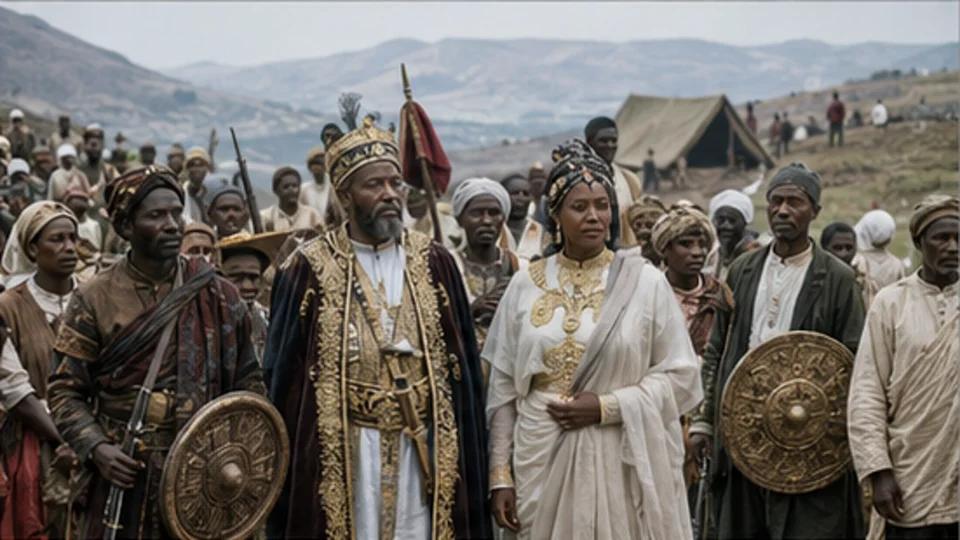
Battle of Adwa — original Atlas editorial reconstruction

1 March 1896 CE · battle and treaty-recognition milestone · Africa · War

Battle of Adwa

An Ethiopian army assembled from several regions under Menelik II and Taytu Betul defeated Italy’s invading force at Adwa; Italy recognised Ethiopian independence in the Treaty of Addis Ababa later that year.

Atlas dossier · Industrial & Imperial Age

Free device narration · synchronized English captions · transcript available

Why it matters

Adwa became a global emblem of African resistance and Black political possibility, although it did not end colonial pressure or erase political inequalities within the Ethiopian empire.

Date
1 March 1896 CE · battle and treaty-recognition milestone
Historical setting
Industrial & Imperial Age · Africa
People & communities
Menelik II · Taytu Betul · Ethiopian regional forces · Italian troops and Eritrean askari

A battle within a treaty dispute

The conflict followed incompatible Amharic and Italian readings of the 1889 Treaty of Wuchale and Italy’s attempt to impose a protectorate. On 1 March 1896, a large Ethiopian army assembled from several regional forces defeated the invading army near Adwa. The account therefore keeps diplomacy, logistics and coalition-building beside battlefield leadership.

University of Washington: The Battle of Adwa ↗

Victory preserved independence, not permanent safety

The Treaty of Addis Ababa later in 1896 recognised Ethiopian independence. Adwa became an anti-colonial and Pan-African symbol, but it did not end imperial pressure: Fascist Italy invaded in 1935 and occupied Ethiopia until 1941. Victory should also not erase Eritrean askari in Italian service or inequalities inside Menelik’s expanding empire.

Library of Congress: Adwa research collection ↗

Illustrated sequence

Silent pan-and-zoom motion derivative of the Battle of Adwa reconstruction; not archival footage.

Interpretation note

Evidence, memory and historical debate

This dossier distinguishes the event’s basic chronology from later arguments about meaning, responsibility and legacy. When comparing religious, national, Indigenous or scholarly interpretations, consult the primary and institutional sources above alongside peer-reviewed historical work.

Elsewhere in the world

Parallel histories near this moment

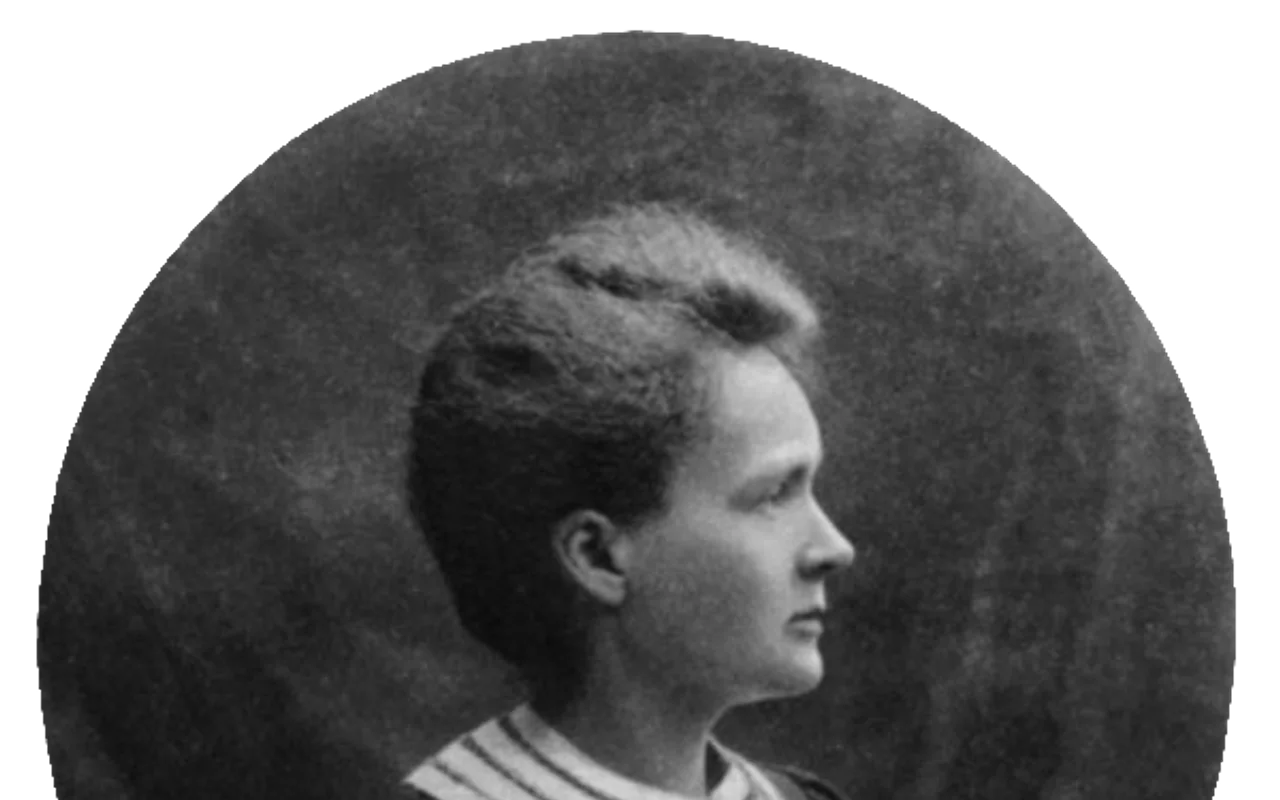
1895–1927 CE · selected radiation and quantum milestones · EuropeX-rays, radioactivity and quantum physics

X-ray imaging, research on radioactivity and several stages of quantum theory were distinct experimental and mathematical programmes that exposed limits in classical physics.

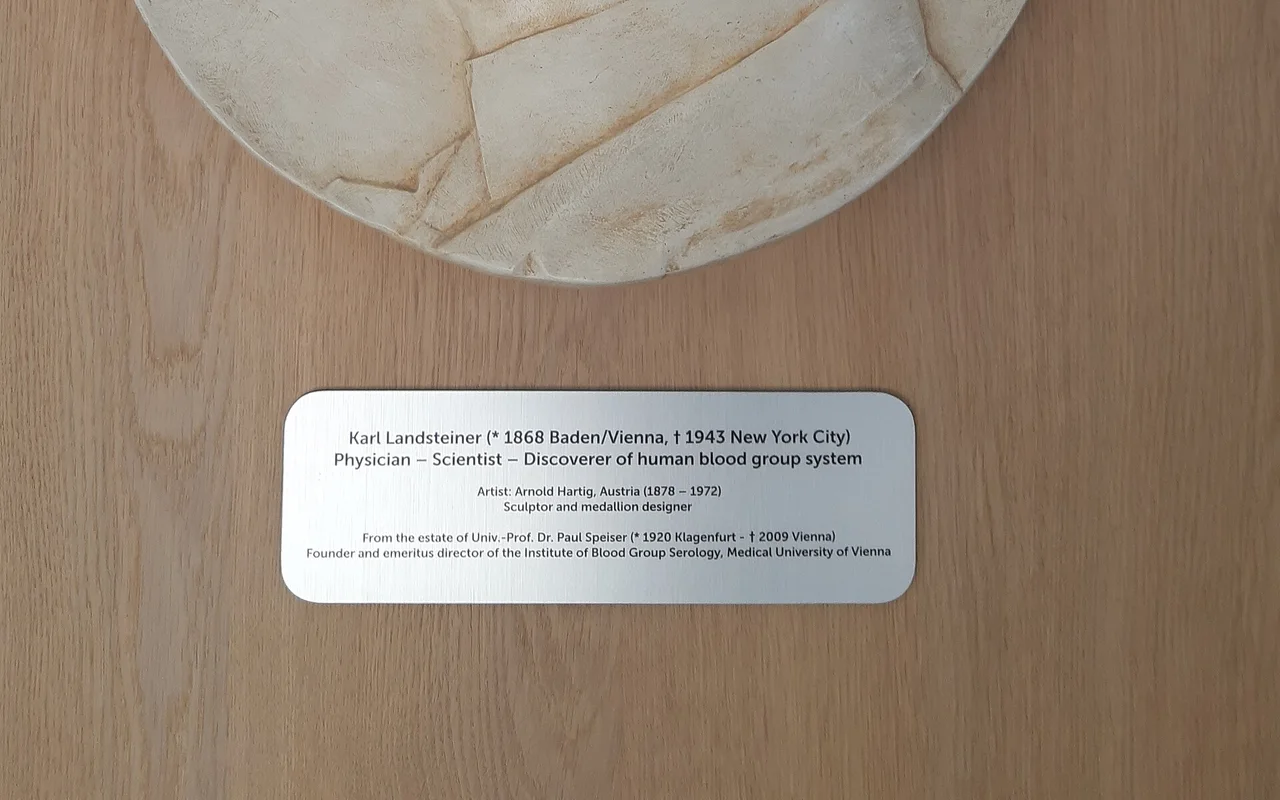
1901–1923 CE · blood-group, insulin and clinical-use milestones · EuropeBlood groups, insulin and modern clinical physiology

Landsteiner’s blood-group work enabled safer compatibility testing, while the Toronto insulin team’s extraction, purification and clinical trials transformed type 1 diabetes from a rapidly fatal disease into a treatable chronic condition.

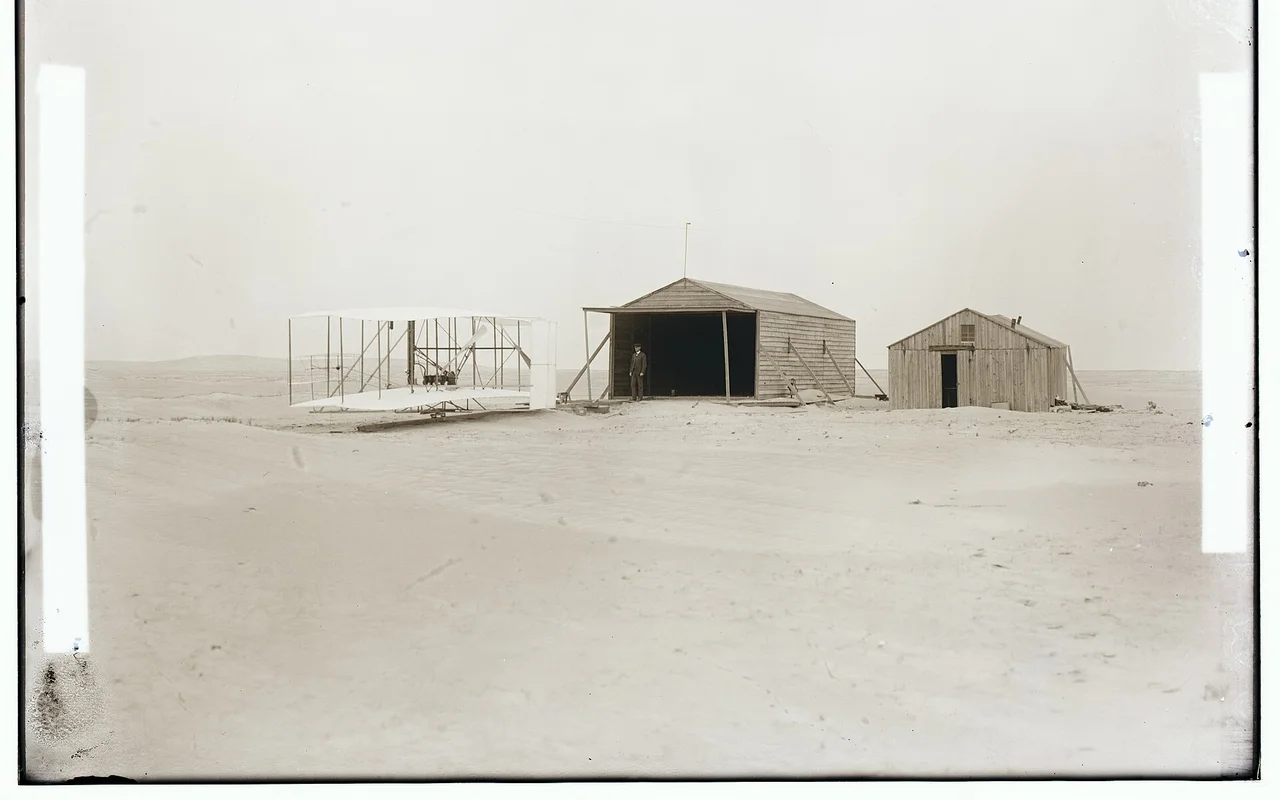
17 December 1903 CE · first sustained, controlled powered airplane flights · AmericasPowered flight

At Kitty Hawk, the Wright brothers made four successful flights in a powered, heavier-than-air machine whose pilot could control pitch, roll and yaw.

Explore the connections

The Zulu Kingdom and the British invasion of 1879 →