ATLAS / ANCIENT—PRESENT
All historyHow Atlas is sourced← Back to Atlas
Back to Atlas timeline
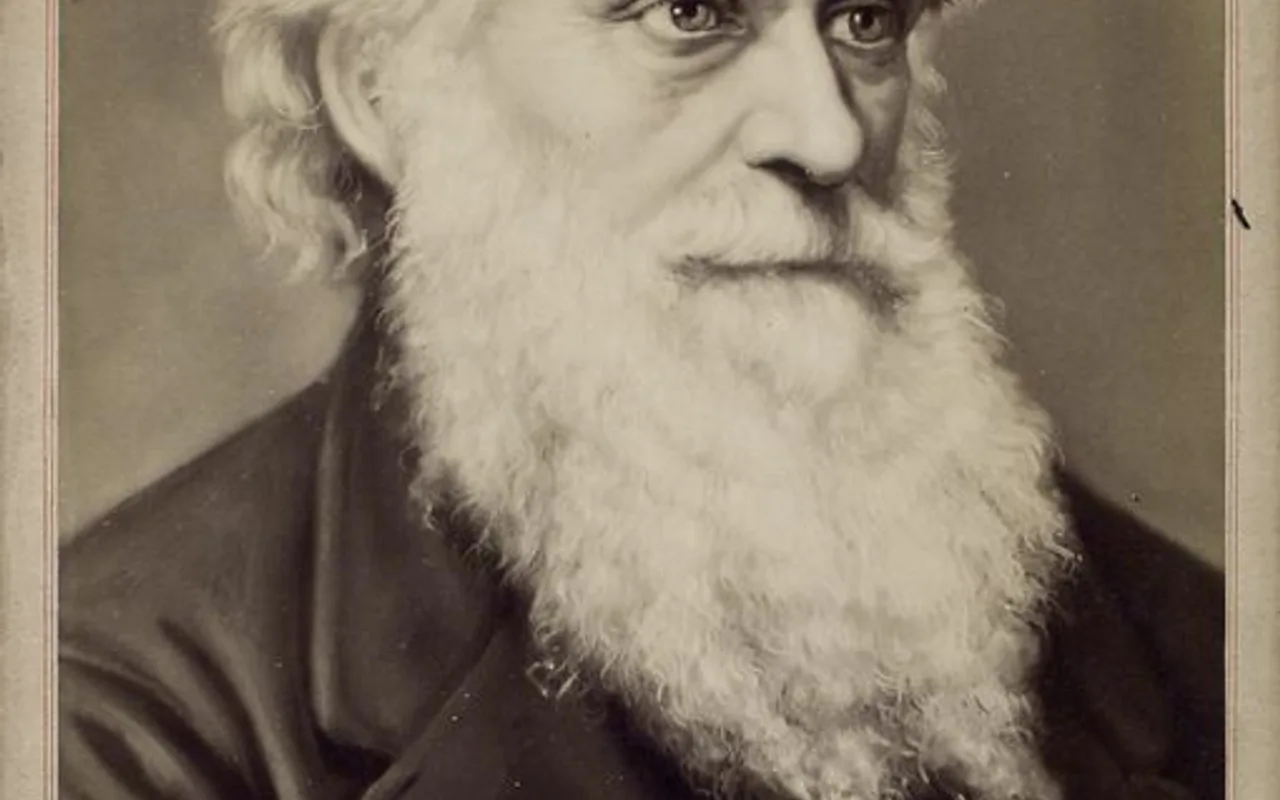
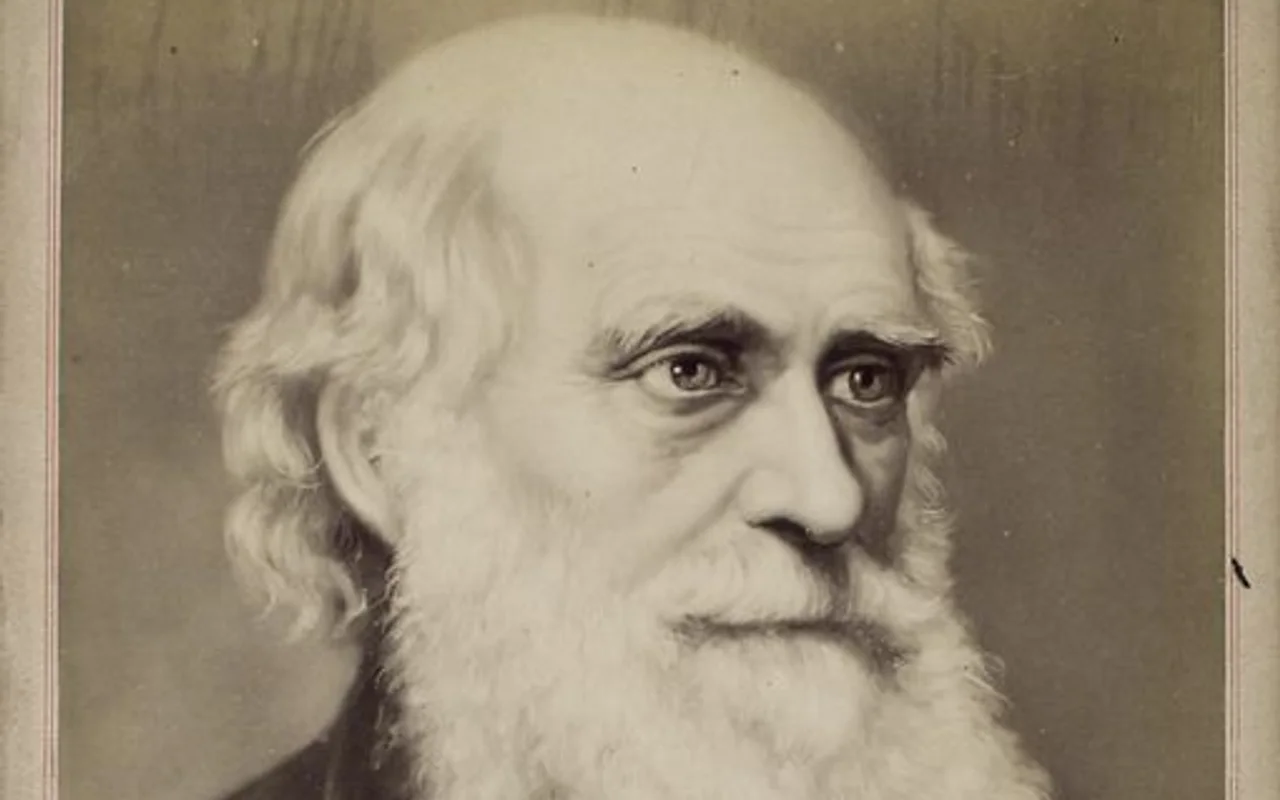
Charles Darwin portrait with autograph.jpg

1859–1866 CE · selected evolution and inheritance publications · Europe · Science

Evolution and heredity

Darwin and Wallace developed natural selection, while Mendel’s pea experiments addressed inheritance through a distinct research programme. Their later synthesis was not completed in 1866.

Atlas dossier · Industrial & Imperial Age

Free device narration · synchronized English captions · transcript available

Why it matters

Evolutionary and genetic ideas transformed biology while also being misused to justify racism, eugenics and social hierarchy.

Date
1859–1866 CE · selected evolution and inheritance publications
Historical setting
Industrial & Imperial Age · Europe
People & communities
Charles Darwin · Alfred Russel Wallace · Gregor Mendel · breeders · naturalists
Natural selection had two named co-discoverers

Darwin and Alfred Russel Wallace jointly presented accounts of natural selection in 1858 before Darwin’s 1859 book. Their work drew on specimens, correspondence and knowledge gathered through imperial and Indigenous encounters. A publication milestone does not make evolution a solitary insight.

Darwin Correspondence Project

Mendel’s experiments were a distinct programme

Mendel presented his pea experiments in 1865 and published them in 1866. Their later connection to evolutionary theory required twentieth-century work and debate. Genetics should not be projected backwards as a completed synthesis in the 1860s, and biological evolution does not justify social hierarchy or eugenics.

Library of Congress: Darwin, Wallace and Mendel collection

Illustrated sequence

A visual presentation accompanying this entry. Read each image’s attribution to distinguish archival records, later depictions and reconstructions.

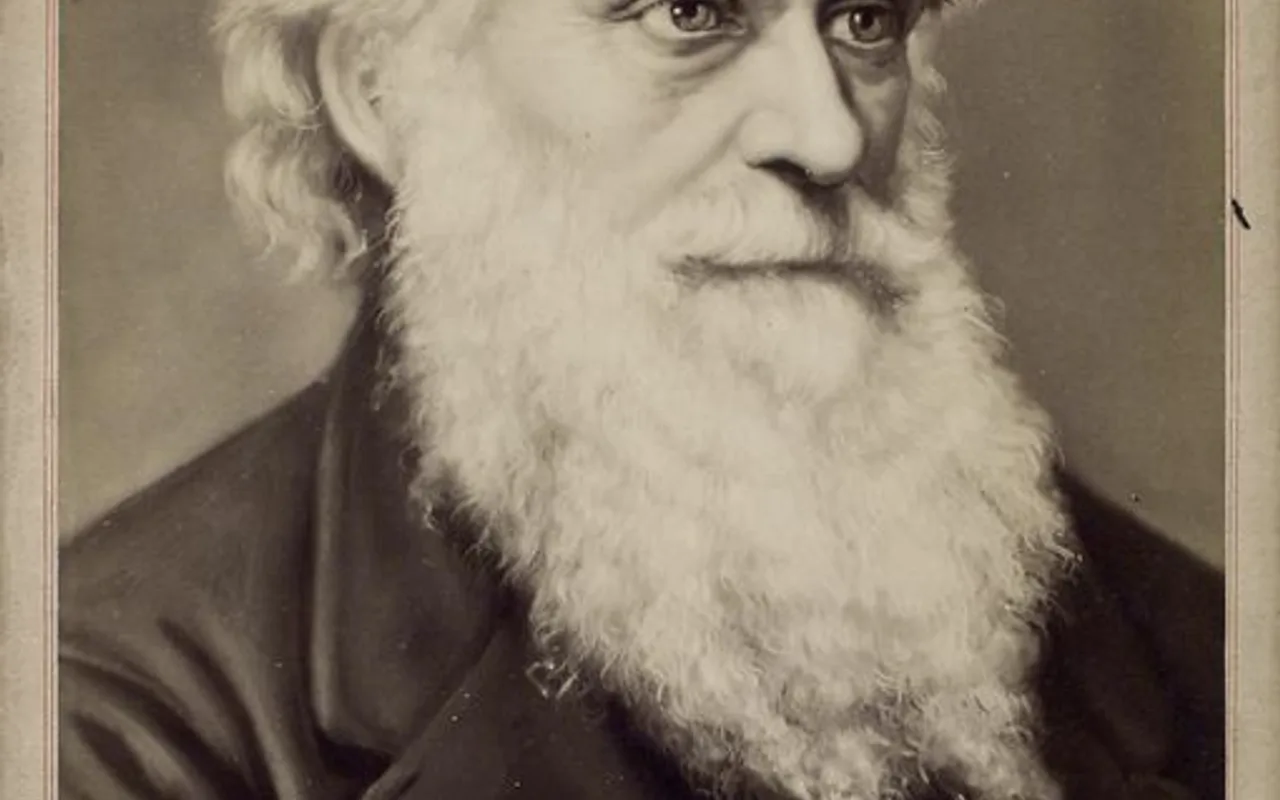
Charles Darwin portrait with autograph.jpg
IMAGE 1

Visual record

Rights-cleared archival or official image · Public domain

Charles Darwin portrait with autograph.jpg — Tucker Collection; Public domain; via Wikimedia Commons

Source and reuse terms ↗

Interpretation note

Evidence, memory and historical debate

This dossier distinguishes the event’s basic chronology from later arguments about meaning, responsibility and legacy. When comparing religious, national, Indigenous or scholarly interpretations, consult the primary and institutional sources above alongside peer-reviewed historical work.

Elsewhere in the world

Parallel histories near this moment

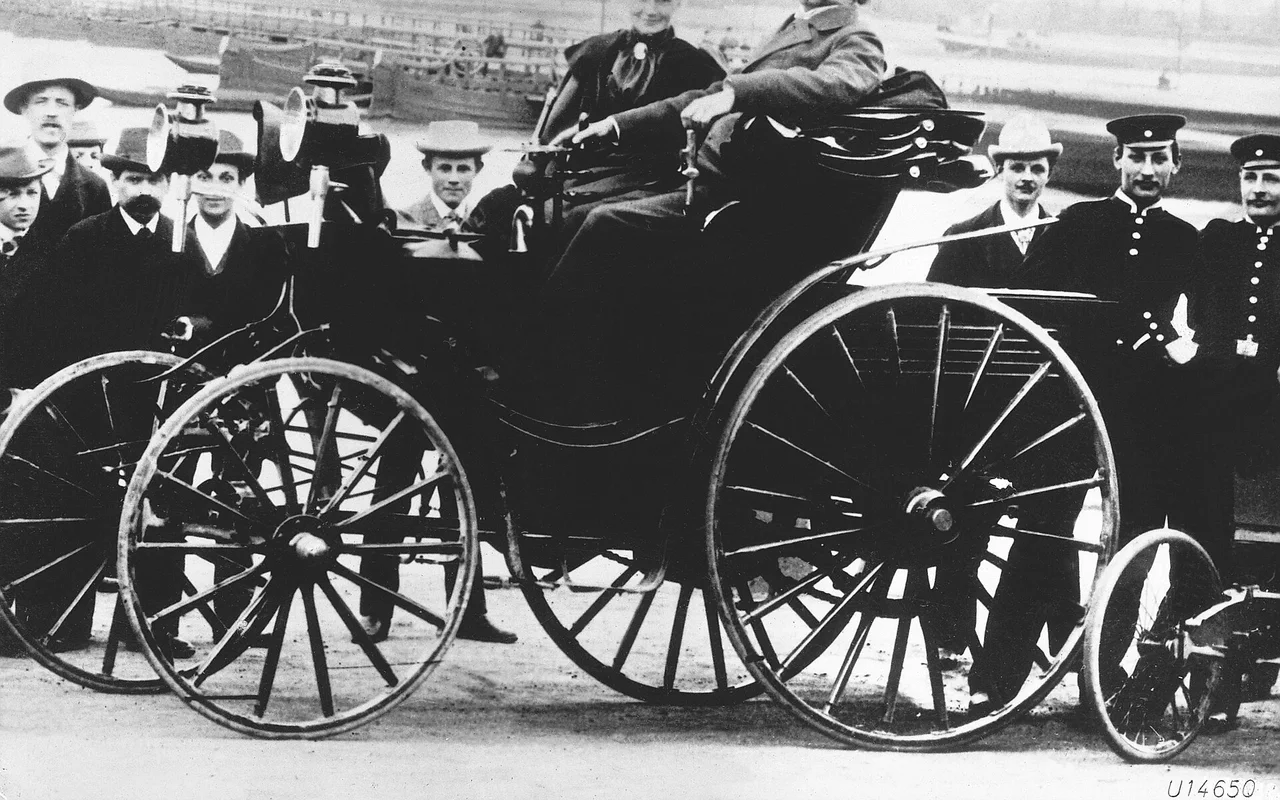
c. 1860–1913 CE · selected engine, automobile and production milestones · GlobalInternal combustion, automobiles and mass mobility

Selected European and U.S. engine, automobile and factory milestones trace a transition toward motor transport; widespread mass mobility developed later and unevenly around the world.

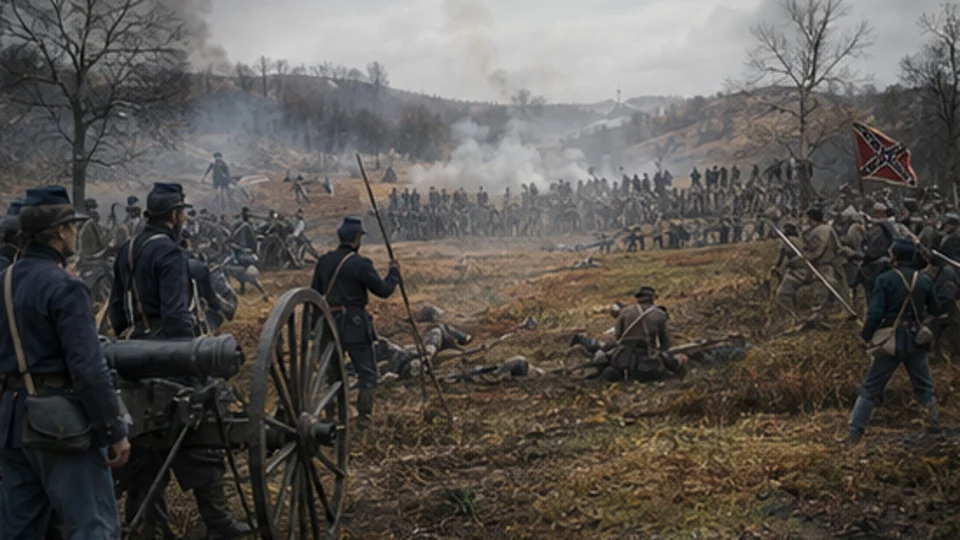
1861–1865 CE · civil war and wartime emancipation · AmericasAmerican Civil War and emancipation

Eleven slaveholding states attempted secession to protect slavery. Enslaved people’s actions, wartime emancipation, Black military service, Union victory and the Thirteenth Amendment destroyed legal chattel slavery.

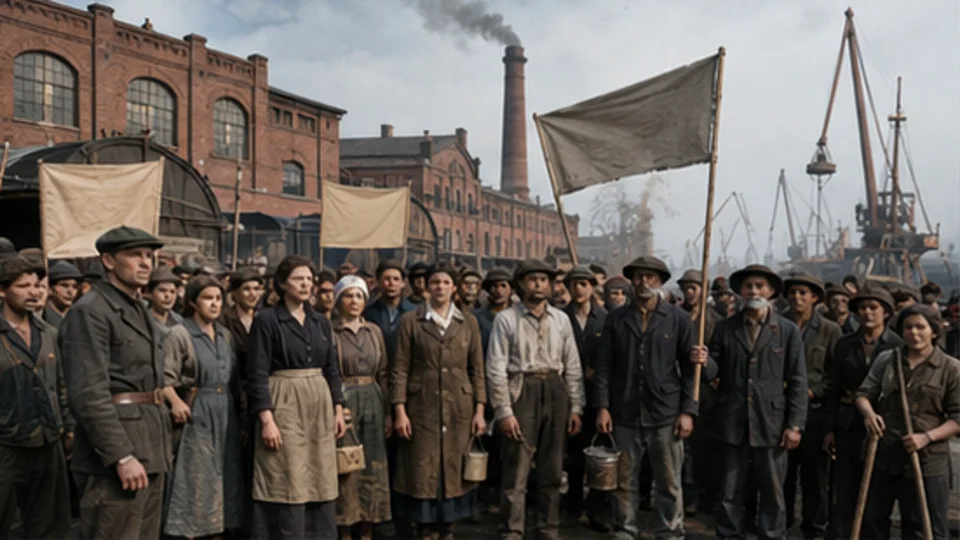
1864–1938 CE · selected organising and labour-law milestones · GlobalLabour and trade-union movements

Workers built unions, parties and international organizations to contest dangerous conditions, low wages and political exclusion.

Explore the connections

The Green Revolution: IR8 rice, farming systems and uneven gains