ATLAS / ANCIENT—PRESENT
All historyHow Atlas is sourced← Back to Atlas
Back to Atlas timeline
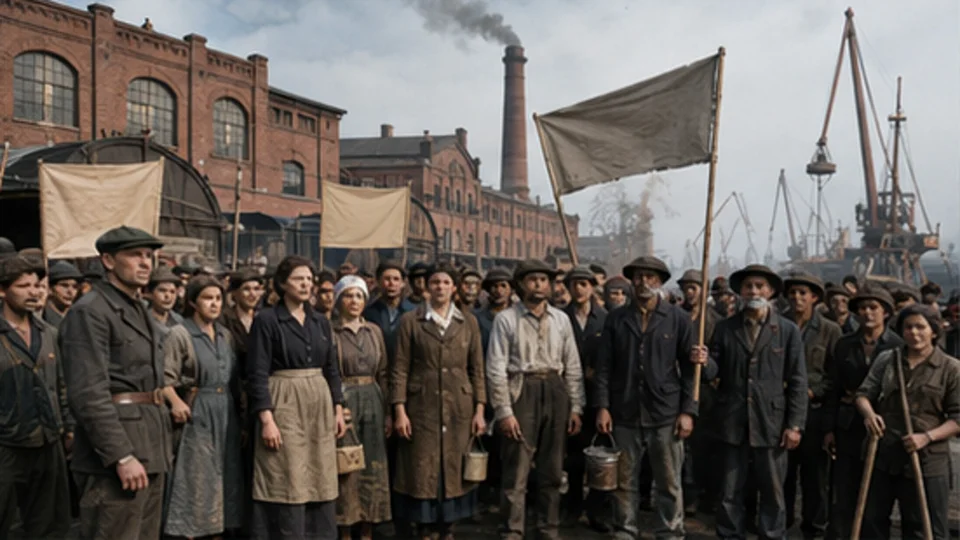
Labour and trade-union movements — original Atlas editorial reconstruction

1864–1938 CE · selected organising and labour-law milestones · Global · Rights

Labour and trade-union movements

Workers built unions, parties and international organizations to contest dangerous conditions, low wages and political exclusion.

Atlas dossier · Industrial & Imperial Age

Free device narration · synchronized English captions · transcript available

Why it matters

Their struggles helped establish limits on working hours, collective bargaining, workplace safety and social insurance, unevenly and often with exclusions by race, gender, migration status and occupation.

Date
1864–1938 CE · selected organising and labour-law milestones
Historical setting
Industrial & Imperial Age · Global
People & communities
Industrial workers · miners · dockworkers · domestic and agricultural labourers

Selected organising milestones, many timelines

The 1864 opening marks the International Workingmen’s Association and the 1938 endpoint a major U.S. labour-law milestone. Neither date defines a global labour movement. Unions, mutual aid, parties, strikes and rural or domestic organising developed under different laws and industrial conditions.

Library of Congress: labour-history collection ↗

Labour protections were unevenly distributed

Working-time limits, bargaining rights, safety rules and social insurance were won through conflict and remained partial. Agricultural, domestic, migrant, colonised and racially excluded workers were often left outside landmark laws or unions. Formal recognition is not the endpoint of labour struggle.

United Nations Digital Library: labour rights ↗

Illustrated sequence

Silent pan-and-zoom motion derivative of the Labour and trade-union movements reconstruction; not archival footage.

Interpretation note

Evidence, memory and historical debate

This dossier distinguishes the event’s basic chronology from later arguments about meaning, responsibility and legacy. When comparing religious, national, Indigenous or scholarly interpretations, consult the primary and institutional sources above alongside peer-reviewed historical work.

Elsewhere in the world

Parallel histories near this moment

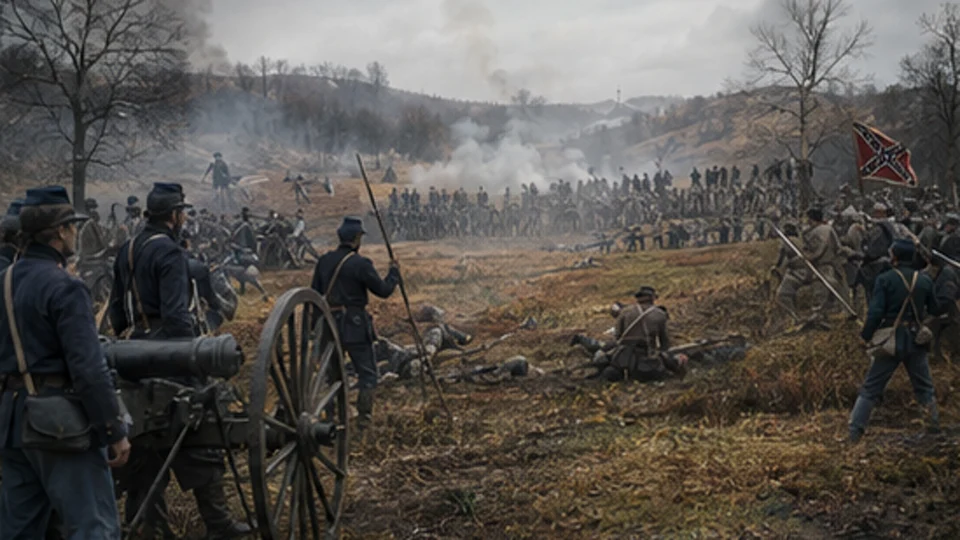
1861–1865 CE · civil war and wartime emancipation · AmericasAmerican Civil War and emancipation

Eleven slaveholding states attempted secession to protect slavery. Enslaved people’s actions, wartime emancipation, Black military service, Union victory and the Thirteenth Amendment destroyed legal chattel slavery.

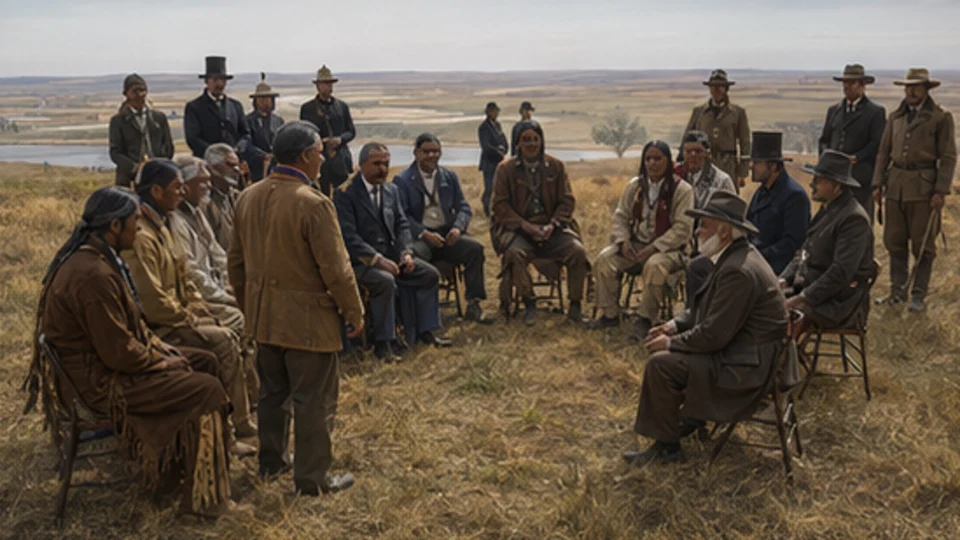
1867–1999 CE · selected state-building and Indigenous-resistance milestones · AmericasCanada, Confederation and Indigenous resistance

Canadian Confederation expanded west and north through treaties, settlement and coercion; First Nations, Inuit and Métis communities negotiated, resisted and survived dispossession and residential schools.

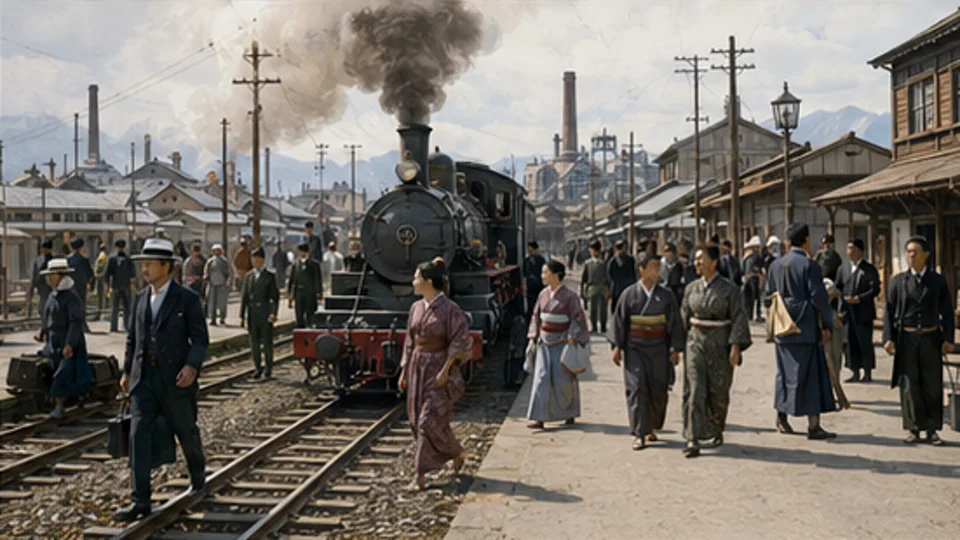
1868–1912 CE · Meiji reign and imperial transformation · AsiaMeiji transformation of Japan

Japan centralized government, industrialized rapidly and reorganized education and the military while building an empire of its own.

Explore the connections

Newcomen’s engine: draining mines with atmospheric pressure →

The Great Famine in Ireland: distress, relief and the archive →

Waterpower, mill systems and industrial work →

Mass schooling in England and Wales: access, fees and attendance →