ATLAS / ANCIENT—PRESENT
All historyHow Atlas is sourced← Back to Atlas
Back to Atlas timeline
Canada, Confederation and Indigenous resistance — original Atlas editorial reconstruction

1867–1999 CE · selected state-building and Indigenous-resistance milestones · Americas · Rights

Canada, Confederation and Indigenous resistance

Canadian Confederation expanded west and north through treaties, settlement and coercion; First Nations, Inuit and Métis communities negotiated, resisted and survived dispossession and residential schools.

Atlas dossier · Industrial & Imperial Age

Free device narration · synchronized English captions · transcript available

Why it matters

Canada’s formation cannot be separated from Indigenous sovereignty, the North-West Resistance, treaty obligations and continuing demands for truth and restitution.

Date
1867–1999 CE · selected state-building and Indigenous-resistance milestones
Historical setting
Industrial & Imperial Age · Americas
People & communities
First Nations · Inuit · Métis · Louis Riel · Canadian officials · residential-school survivors

State expansion and Indigenous sovereignty

Confederation in 1867 did not create an empty west or north. First Nations, Inuit and Métis peoples held distinct laws, territories and political relationships. Numbered treaties, the 1869–1870 and 1885 resistances, settlement and policing belong to a history of negotiation and coercion rather than inevitable nation-building.

National Centre for Truth and Reconciliation ↗

1999 is a milestone, not an endpoint

The creation of Nunavut in 1999 closes this selected timeline as a major constitutional and territorial milestone. It does not resolve every land claim or mark the end of residential-school harms. The last federally run residential school had closed in 1996; survivor testimony and continuing restitution work extend beyond the displayed range.

Library and Archives Canada: Indigenous history ↗

Illustrated sequence

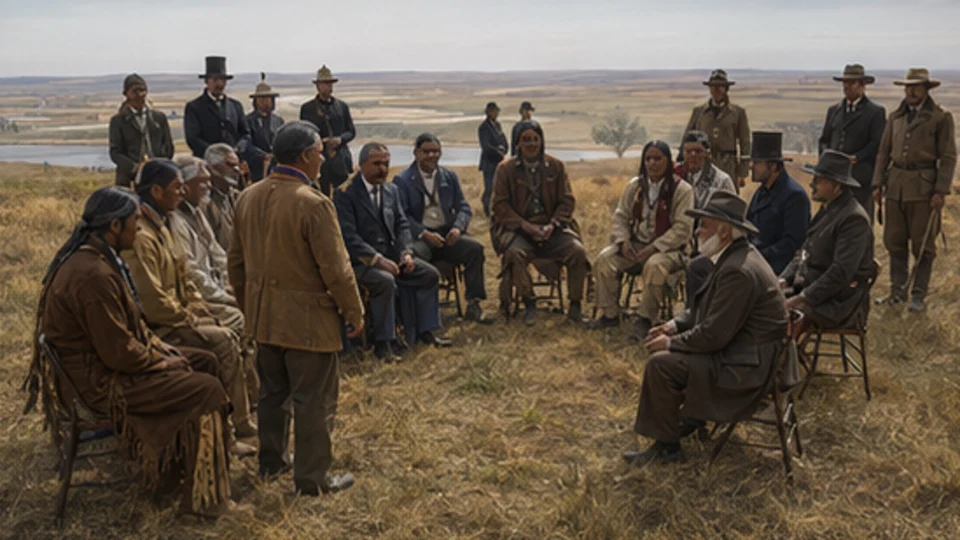
Silent pan-and-zoom motion derivative of the Canada, Confederation and Indigenous resistance reconstruction; not archival footage.

Canada, Confederation and Indigenous resistance: people and actionEnlarge and examine the picture

Examine the picture

IMAGE 2

Supporting Atlas reconstruction

Supporting Atlas reconstruction within the same Canada, Confederation and Indigenous resistance editorial package; not an independent archival record.

World History in Pictures · Same editorial artwork package

How Atlas classifies this artwork →

Interpretation note

Evidence, memory and historical debate

This dossier distinguishes the event’s basic chronology from later arguments about meaning, responsibility and legacy. When comparing religious, national, Indigenous or scholarly interpretations, consult the primary and institutional sources above alongside peer-reviewed historical work.

Elsewhere in the world

Parallel histories near this moment

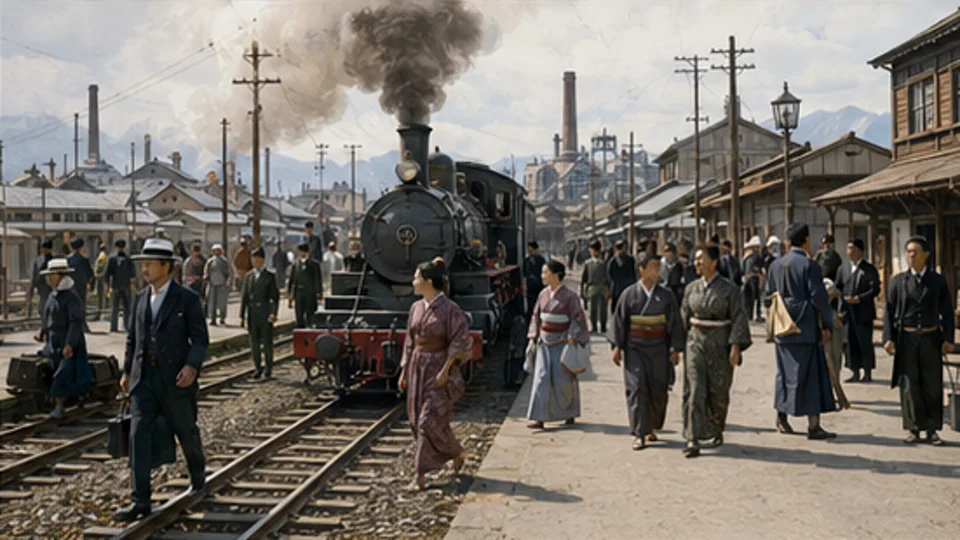
1868–1912 CE · Meiji reign and imperial transformation · AsiaMeiji transformation of Japan

Japan centralized government, industrialized rapidly and reorganized education and the military while building an empire of its own.

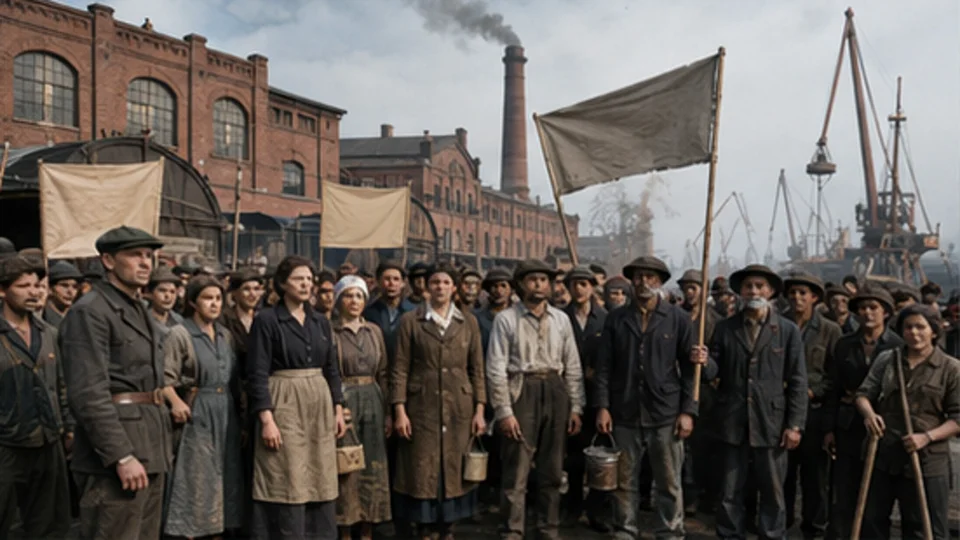
1864–1938 CE · selected organising and labour-law milestones · GlobalLabour and trade-union movements

Workers built unions, parties and international organizations to contest dangerous conditions, low wages and political exclusion.

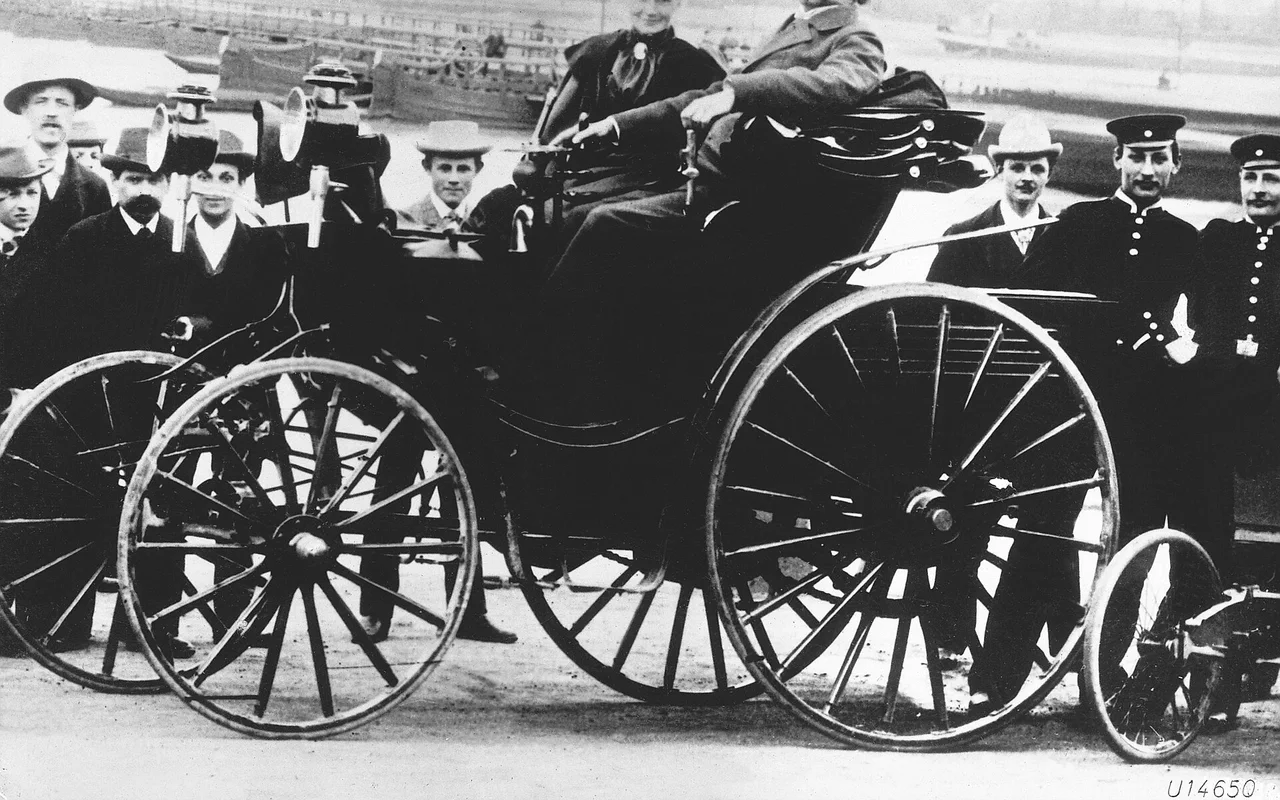
c. 1860–1913 CE · selected engine, automobile and production milestones · GlobalInternal combustion, automobiles and mass mobility

Selected European and U.S. engine, automobile and factory milestones trace a transition toward motor transport; widespread mass mobility developed later and unevenly around the world.

Explore the connections

Te Tiriti o Waitangi and contested sovereignty →

Red River: Métis government and the making of Manitoba →