ATLAS / 1000 BC—PRESENT
How Atlas is sourced← Back to Atlas
Back to Atlas timeline

1868–1912 · Asia · Technology

Meiji transformation of Japan

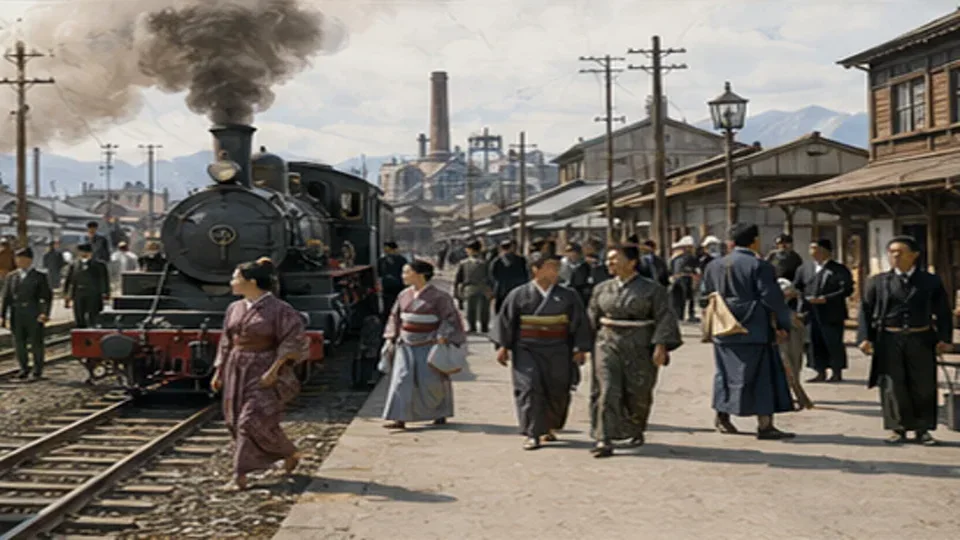
Japan centralized government, industrialized rapidly and reorganized education and the military while building an empire of its own.

Atlas dossier · Industrial & Imperial Age

Free device narration · synchronized English captions · transcript available

Why it matters

The Meiji era complicates a simple West-versus-rest narrative of industrialization and imperialism.

Date
1868–1912
Historical setting
Industrial & Imperial Age · Asia
People & communities
Meiji leaders · samurai · factory workers · farmers · colonized peoples
01

Event

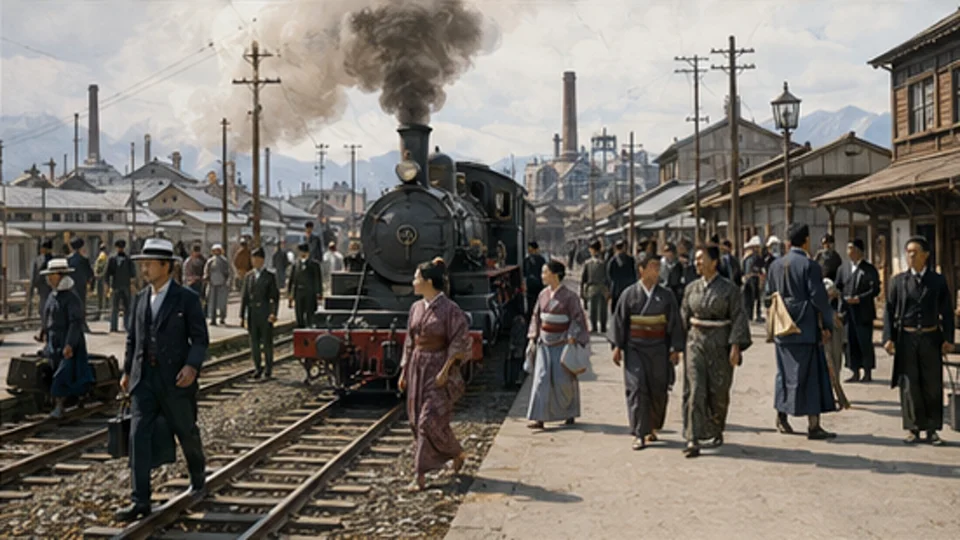
Japan centralized government, industrialized rapidly and reorganized education and the military while building an empire of its own.

02

People

Meiji leaders · samurai · factory workers · farmers · colonized peoples
03

Consequences

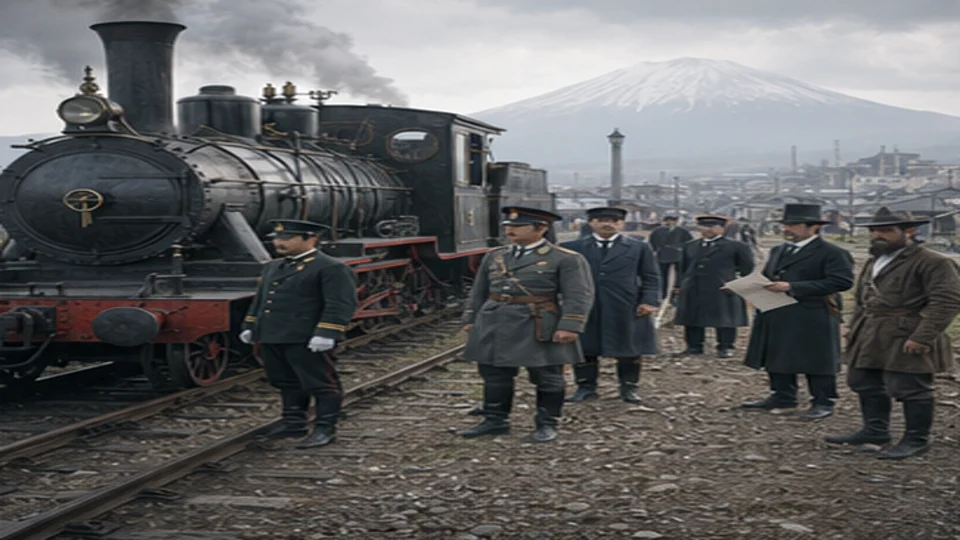
The Meiji era complicates a simple West-versus-rest narrative of industrialization and imperialism.

Supplemental archival visual

A contemporaneous or later historical record, clearly distinguished from the Atlas visual sequence.

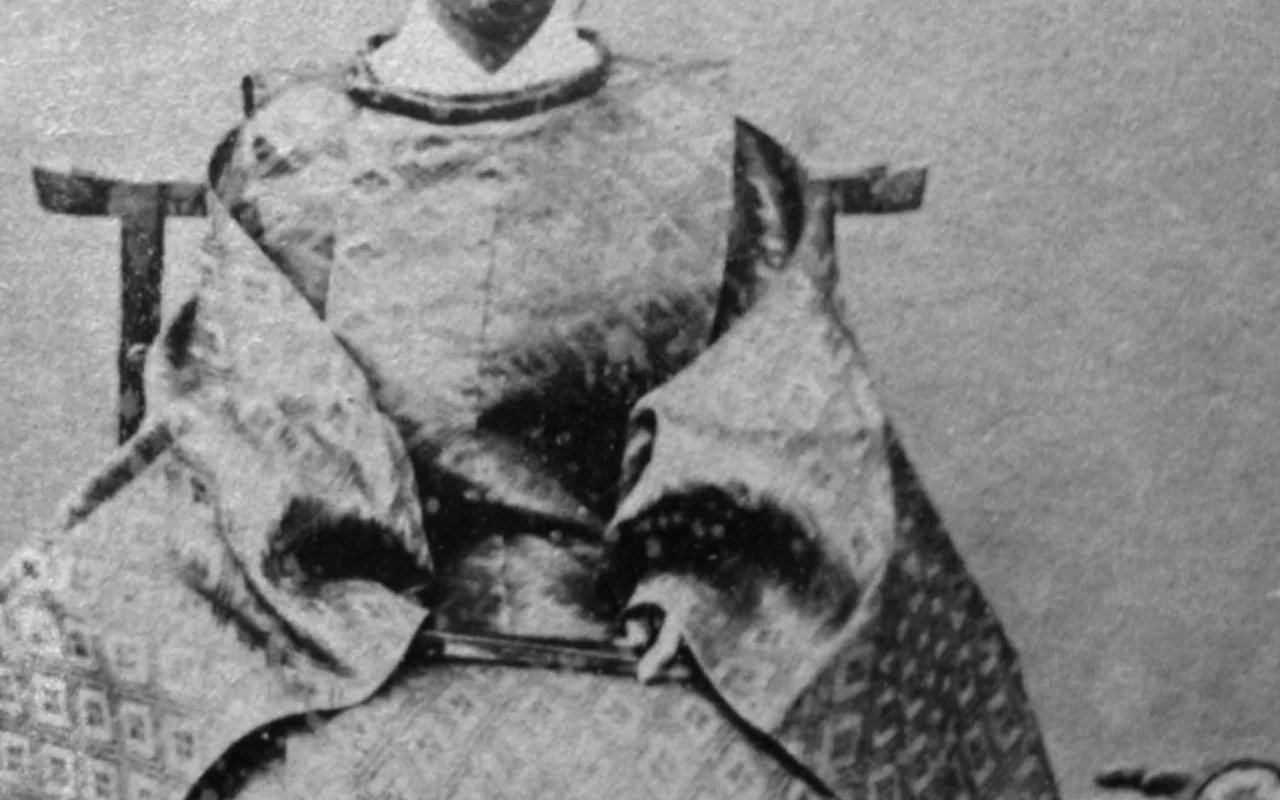
Emperor Meiji photograph, 1872 is presented as a period visual interpretation or documentary record. It does not independently establish the dossier’s chronology; use the linked item page and source trail for its provenance and reuse terms.

Open the item page and rights record ↗Emperor Meiji photograph, 1872 — Uchida Kuichi; Public Domain; via Wikimedia Commons
Archival visual record: Emperor Meiji photograph, 1872
Emperor Meiji photograph, 1872 · Public Domain

Interpretation note

Evidence, memory and historical debate

This dossier distinguishes the event’s basic chronology from later arguments about meaning, responsibility and legacy. When comparing religious, national, Indigenous or scholarly interpretations, consult the primary and institutional sources above alongside peer-reviewed historical work.

Elsewhere in the world

Parallel histories near this moment

1867–1999 · AmericasCanada, Confederation and Indigenous resistance

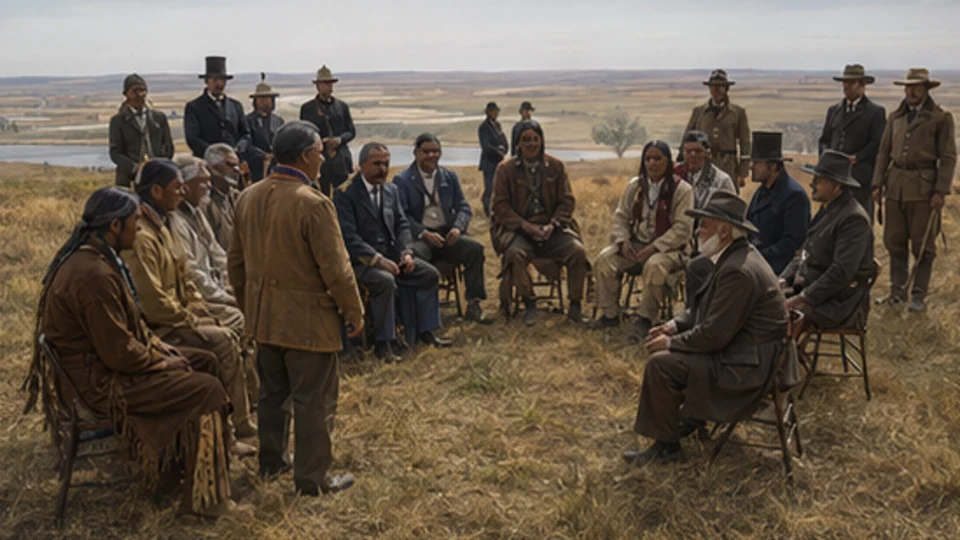
Canadian Confederation expanded west and north through treaties, settlement and coercion; First Nations, Inuit and Métis communities negotiated, resisted and survived dispossession and residential schools.

1864–1938 · GlobalLabour and trade-union movements

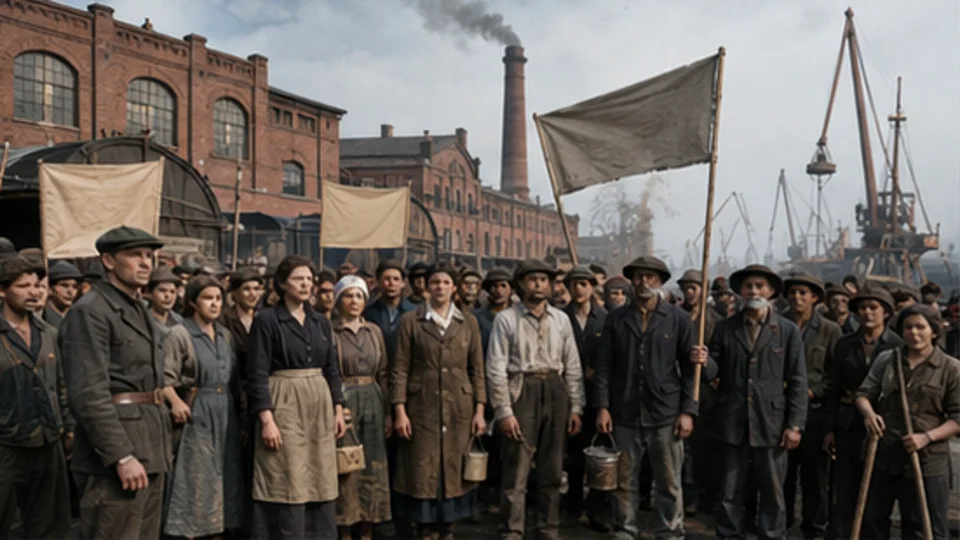
Workers built unions, parties and international organizations to contest dangerous conditions, low wages and political exclusion.

1861–1865 · AmericasAmerican Civil War and emancipation

Eleven slaveholding states attempted secession; Union victory preserved the United States and destroyed legal chattel slavery through wartime emancipation and the Thirteenth Amendment.