ATLAS / ANCIENT—PRESENT
All historyHow Atlas is sourced← Back to Atlas
Back to Atlas timeline
New Imperialism and colonial partition — original Atlas editorial reconstruction

c. 1880–1914 CE · conventional imperial-intensification survey · Global · Empire

New Imperialism and colonial partition

Industrial powers intensified territorial conquest in Africa, Asia and the Pacific through wars, unequal treaties, chartered companies and settler colonization.

Atlas dossier · Industrial & Imperial Age

Free device narration · synchronized English captions · transcript available

Why it matters

The partition joined racial ideology to extraction and forced labor, provoking resistance and leaving borders and institutions that outlasted empire.

Date
c. 1880–1914 CE · conventional imperial-intensification survey
Historical setting
Industrial & Imperial Age · Global
People & communities
Colonized peoples and resisters · imperial armies · chartered companies · missionaries · laborers
A conventional intensification period

The c. 1880–1914 range is a teaching convention for accelerated conquest and partition, not the beginning or end of imperialism. Older empires, settler colonies and commercial coercion preceded it; colonial rule and anti-colonial struggle continued after 1914.

UNESCO General History of Africa

Conquest was never uncontested

Unequal treaties, chartered companies and military expeditions operated differently across Africa, Asia and the Pacific. Colonised states and communities negotiated, adapted and resisted. Maps of imperial claims therefore show assertions of power, not complete or uncontested control on the ground.

Academic research on New Imperialism

Illustrated sequence

Silent pan-and-zoom motion derivative of the New Imperialism and colonial partition reconstruction; not archival footage.

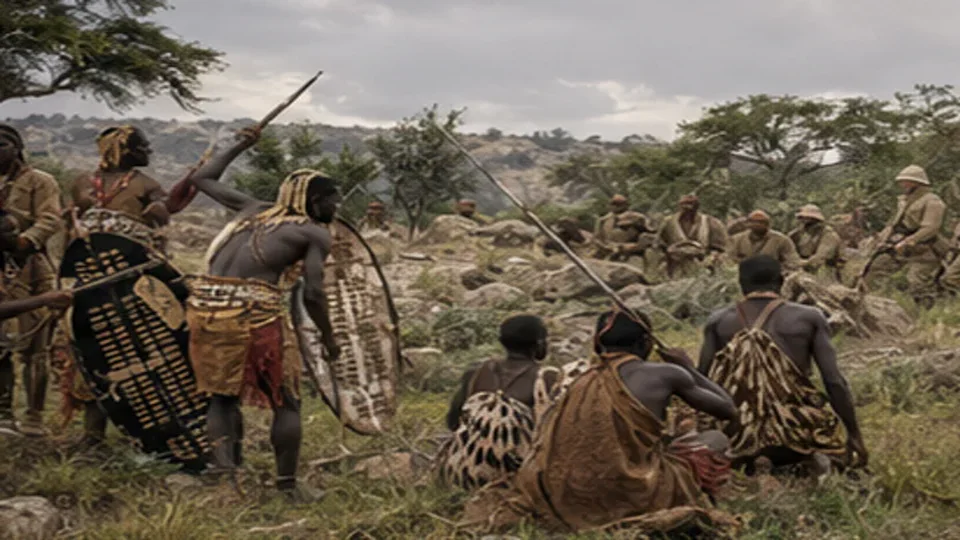
New Imperialism and colonial partition — original Atlas editorial reconstruction
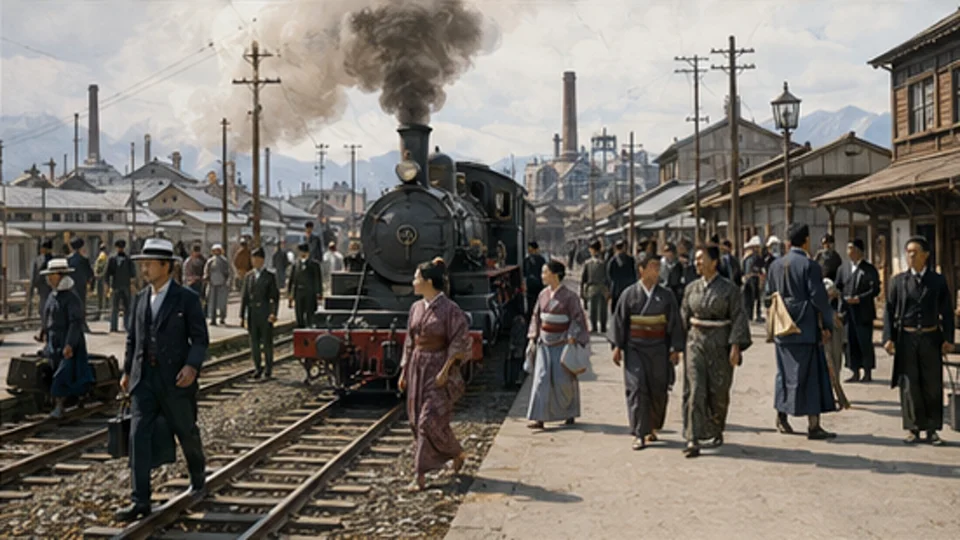
IMAGE 1

Original Atlas reconstruction

Primary Atlas editorial reconstruction for New Imperialism and colonial partition.

World History in Pictures · Public site artwork. This record does not grant third-party republication rights.

How Atlas classifies this artwork →
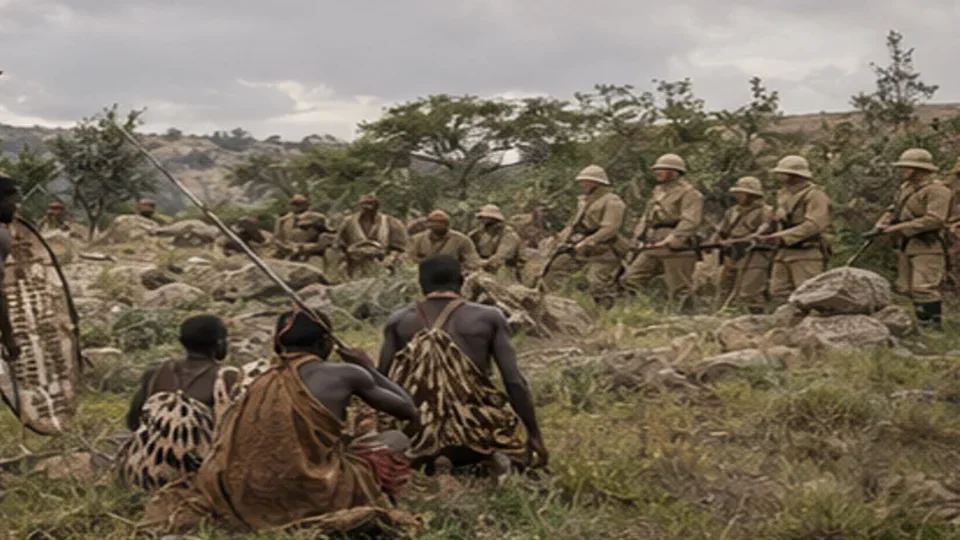
New Imperialism and colonial partition: people and action
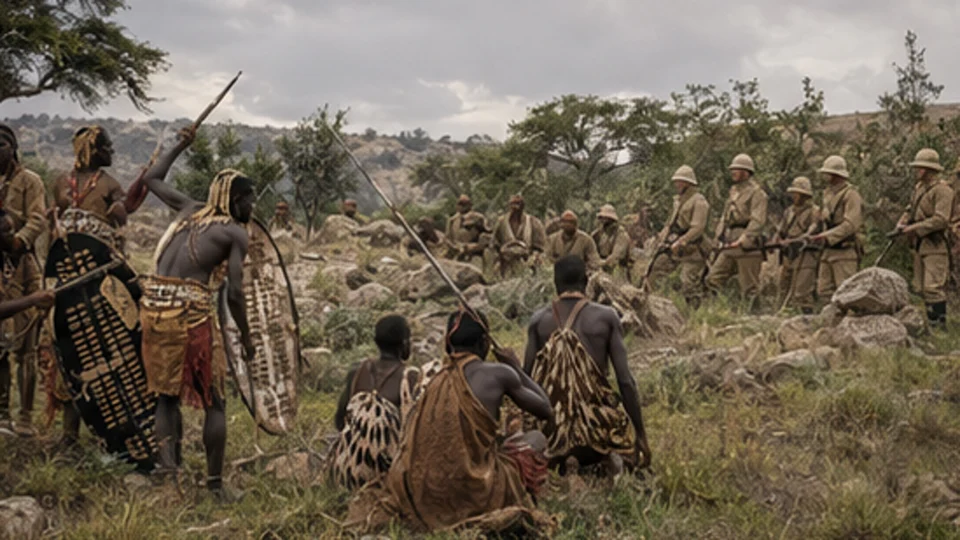
IMAGE 2

Detail crop — same artwork

Detail crop from the same New Imperialism and colonial partition reconstruction; not an independent historical record.

World History in Pictures · Same editorial artwork package

How Atlas classifies this artwork →
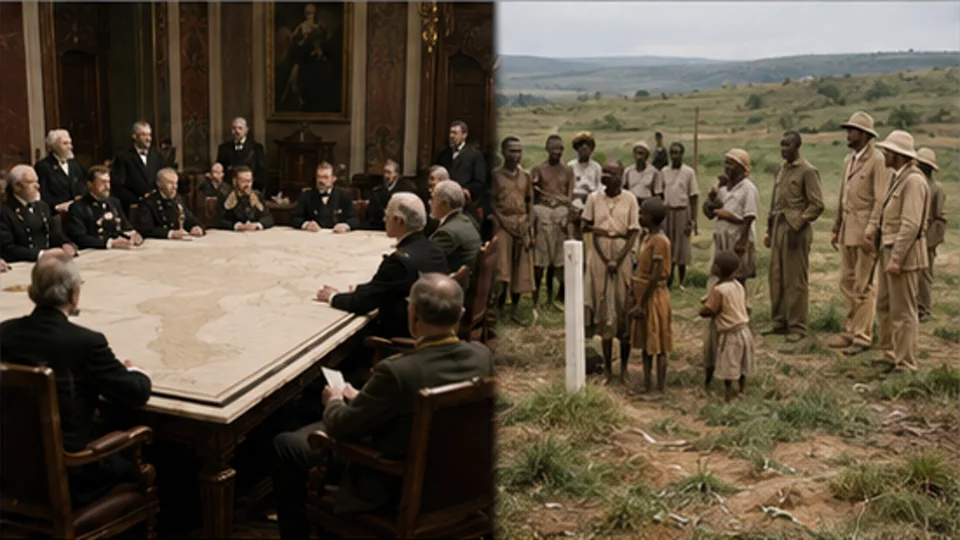
New Imperialism and colonial partition: setting and consequences
IMAGE 3

Context crop — same artwork

Context crop from the same New Imperialism and colonial partition reconstruction; not an independent historical record.

World History in Pictures · Same editorial artwork package

How Atlas classifies this artwork →

Interpretation note

Evidence, memory and historical debate

This dossier distinguishes the event’s basic chronology from later arguments about meaning, responsibility and legacy. When comparing religious, national, Indigenous or scholarly interpretations, consult the primary and institutional sources above alongside peer-reviewed historical work.

Elsewhere in the world

Parallel histories near this moment

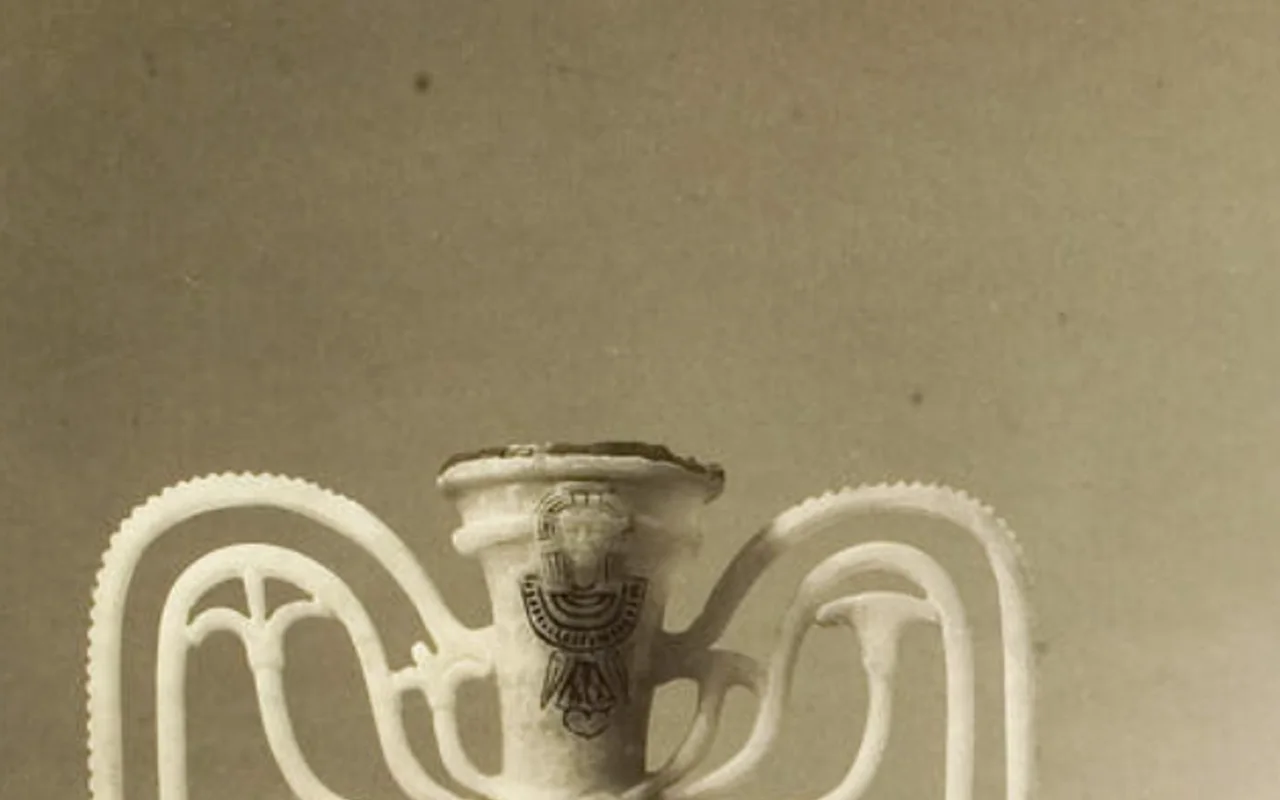
1881–1925 CE · cache discovery and excavation milestones · AfricaEgyptian mummies: royal cache and Tutankhamun

The Deir el-Bahari royal-mummy cache entered official archaeology in 1881. Tutankhamun’s tomb was found in 1922 and his mummy examined in 1925 through work involving Egyptian excavators and officials as well as Howard Carter’s team.

1884–1885 CE · Berlin meeting within a longer partition · AfricaBerlin Conference and Scramble for Africa

European powers negotiated rules for claiming African territory without African representation as conquest accelerated.

1868–1912 CE · Meiji reign and imperial transformation · AsiaMeiji transformation of Japan

Japan centralized government, industrialized rapidly and reorganized education and the military while building an empire of its own.