ATLAS / ANCIENT—PRESENT
All historyHow Atlas is sourced← Back to Atlas
Back to Atlas timeline
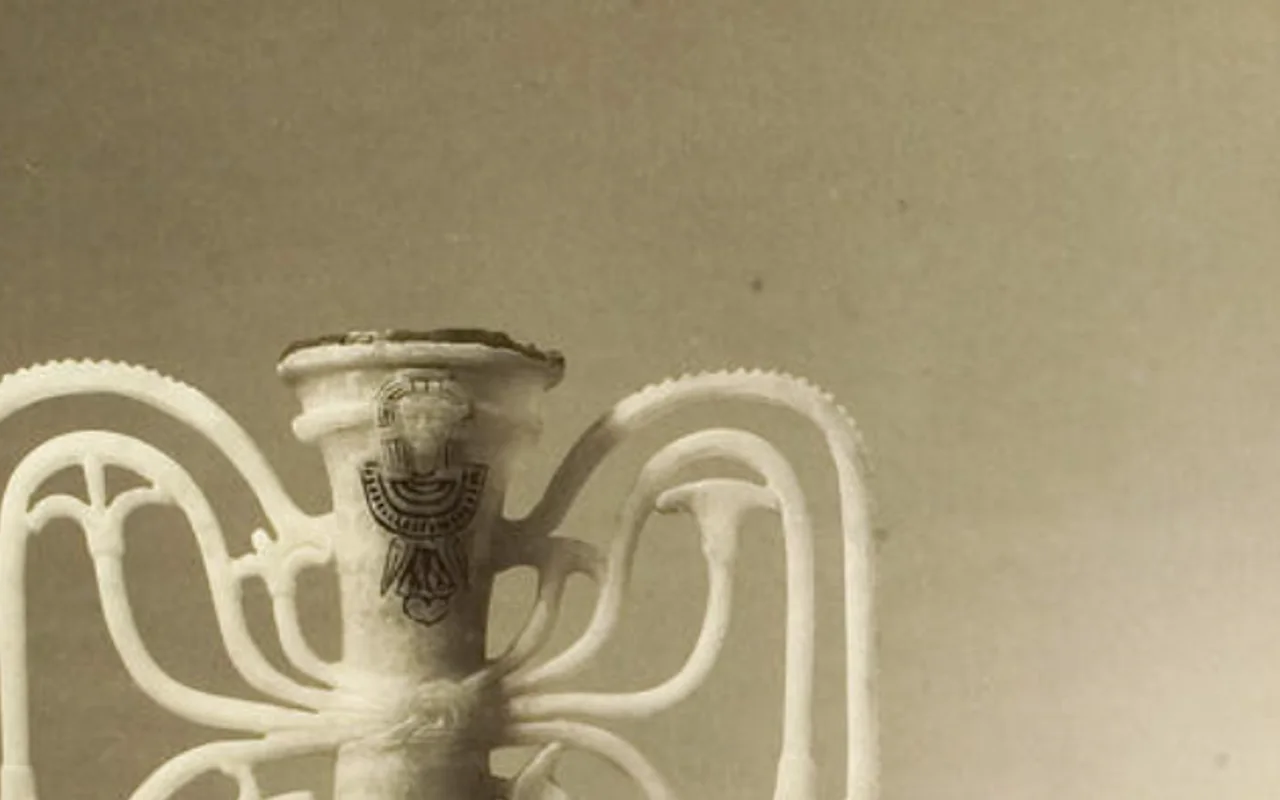
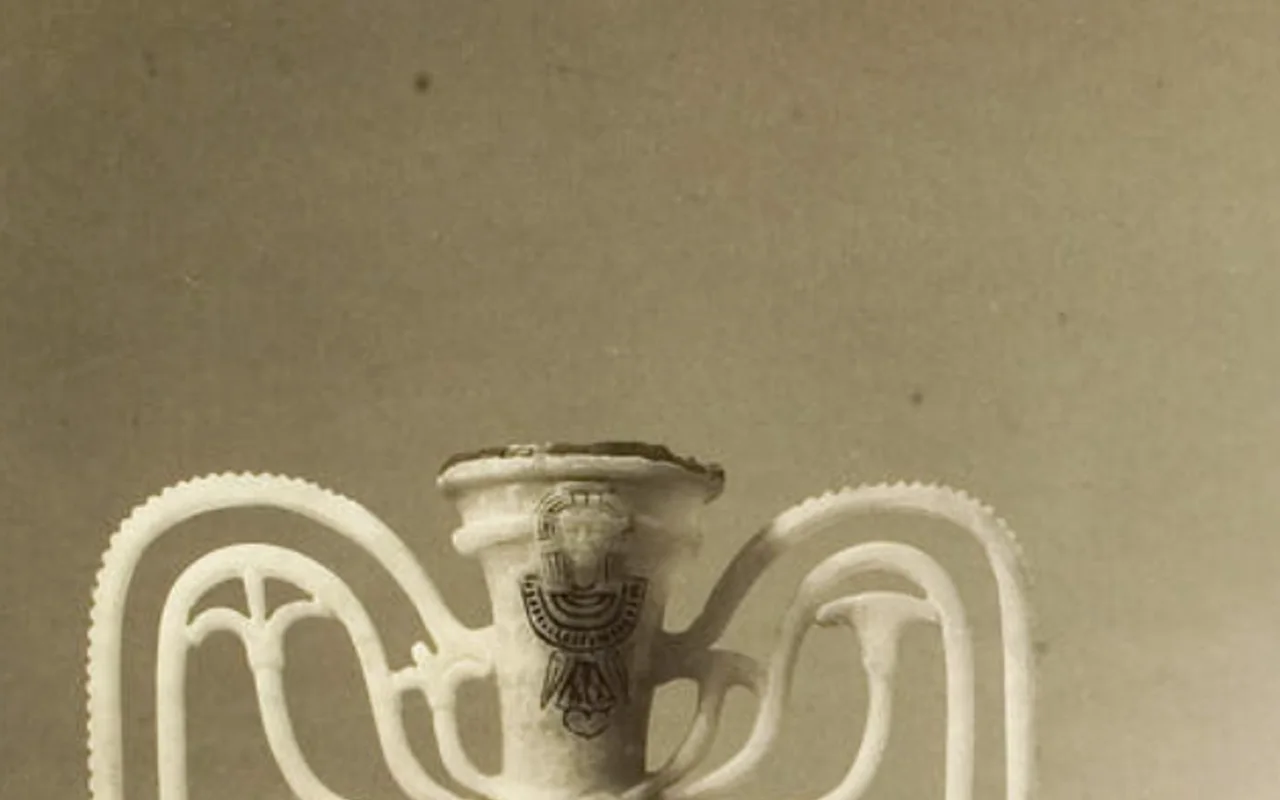
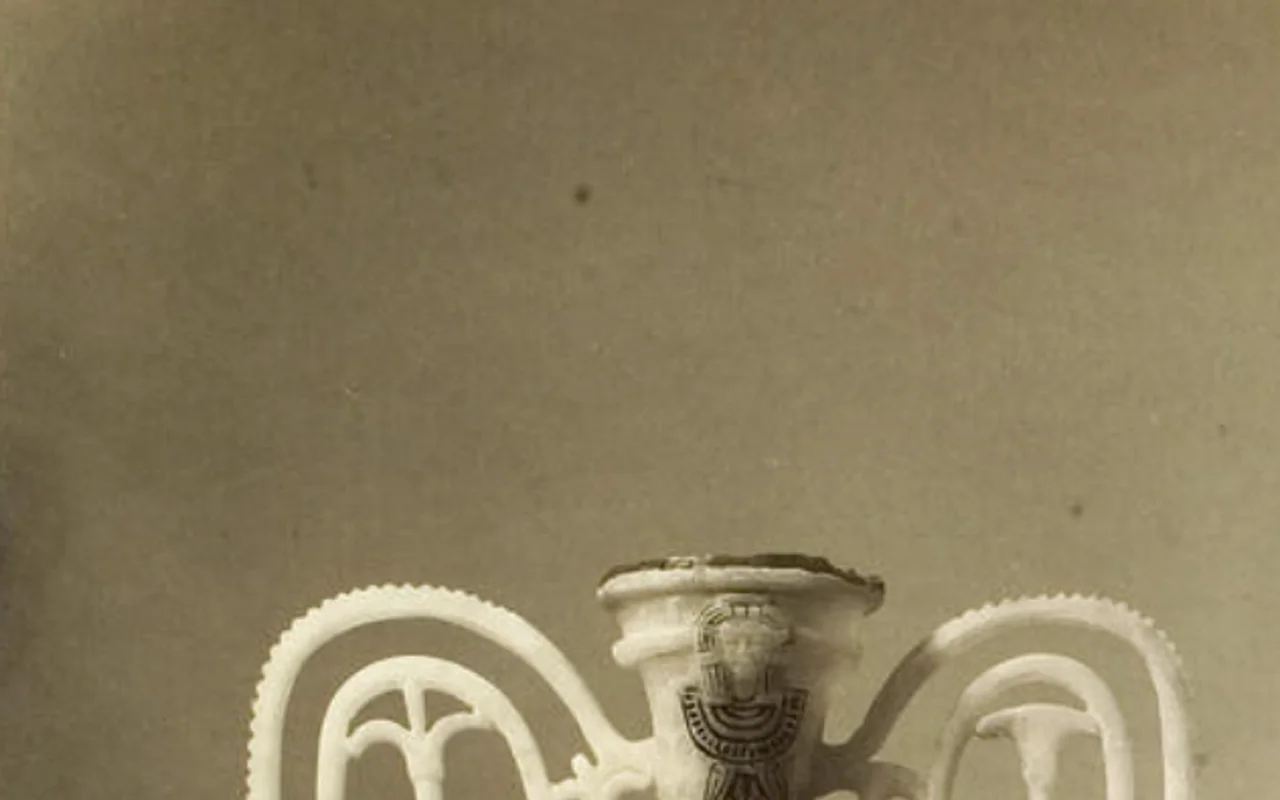
Tutankhamun tomb photographs, Volume 5

1881–1925 CE · cache discovery and excavation milestones · Africa · Science

Egyptian mummies: royal cache and Tutankhamun

The Deir el-Bahari royal-mummy cache entered official archaeology in 1881. Tutankhamun’s tomb was found in 1922 and his mummy examined in 1925 through work involving Egyptian excavators and officials as well as Howard Carter’s team.

Atlas dossier · Industrial & Imperial Age

Free device narration · synchronized English captions · transcript available

Why it matters

These discoveries transformed knowledge of ancient Egyptian material culture, but they also demand honest attention to excavation, unwrapping, display and the dignity owed to human remains.

Date
1881–1925 CE · cache discovery and excavation milestones
Historical setting
Industrial & Imperial Age · Africa
People & communities
The Abd el-Rassul family · Egyptian antiquities workers · Howard Carter · Egyptian Museum staff · Tutankhamun
Discovery credit requires a wider workforce

The Abd el-Rassul family’s relationship to the Deir el-Bahari cache preceded official removal in 1881. Tutankhamun’s tomb was found in 1922 through an Egyptian excavation workforce as well as Carter and Carnarvon. Naming only a European director erases the labour and state institutions that made excavation possible.

Library of Congress: Tutankhamun research collection

Human remains are not display props

The 1925 examination of Tutankhamun’s mummy closes the selected range. Unwrapping, imaging and display produced knowledge but also physically altered and objectified human remains. Public interpretation should distinguish a tomb photograph from an ancient event and foreground dignity, conservation and Egyptian stewardship.

Library of Congress: Tutankhamun death-mask photograph

Illustrated sequence

A visual presentation accompanying this entry. Read each image’s attribution to distinguish archival records, later depictions and reconstructions.

Tutankhamun tomb photographs, Volume 5
IMAGE 1

Visual record

Harry Burton’s 1924 photograph from the documentation of Tutankhamun’s tomb; Griffith Institute, album 5, photograph 470.

Tutankhamun tomb photographs, Volume 5 — Harry Burton; Public Domain Mark 1.0; 1924 publication outside the maximum U.S. term; via Griffith Institute / Wikimedia Commons. Resized, cropped and converted to WebP for Atlas display.

Source and reuse terms ↗ · Read the licence ↗

Interpretation note

Evidence, memory and historical debate

This dossier distinguishes the event’s basic chronology from later arguments about meaning, responsibility and legacy. When comparing religious, national, Indigenous or scholarly interpretations, consult the primary and institutional sources above alongside peer-reviewed historical work.

Elsewhere in the world

Parallel histories near this moment

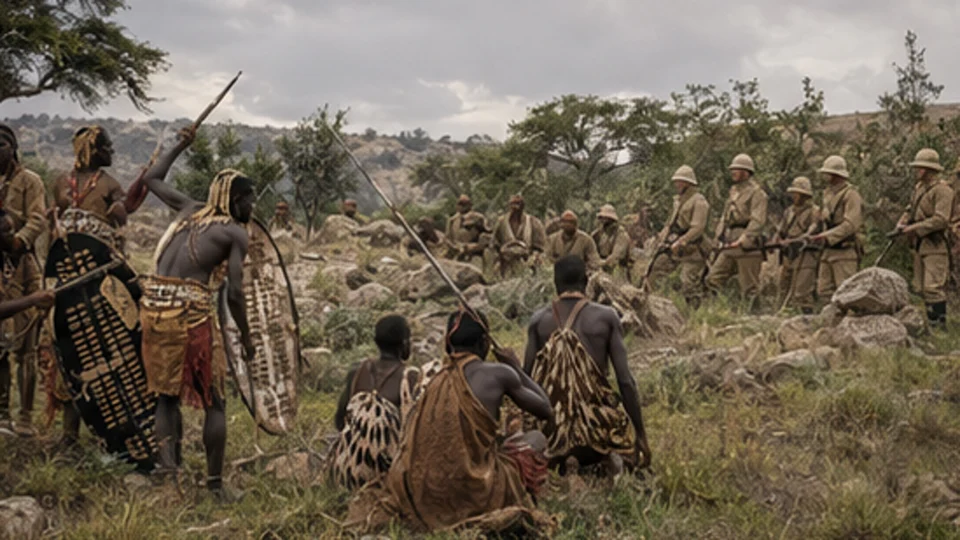
c. 1880–1914 CE · conventional imperial-intensification survey · GlobalNew Imperialism and colonial partition

Industrial powers intensified territorial conquest in Africa, Asia and the Pacific through wars, unequal treaties, chartered companies and settler colonization.

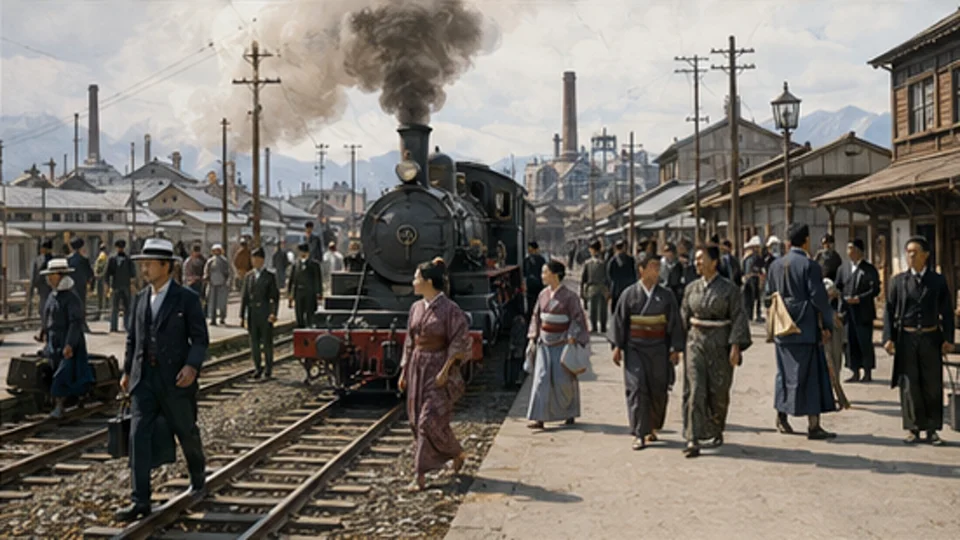
1868–1912 CE · Meiji reign and imperial transformation · AsiaMeiji transformation of Japan

Japan centralized government, industrialized rapidly and reorganized education and the military while building an empire of its own.

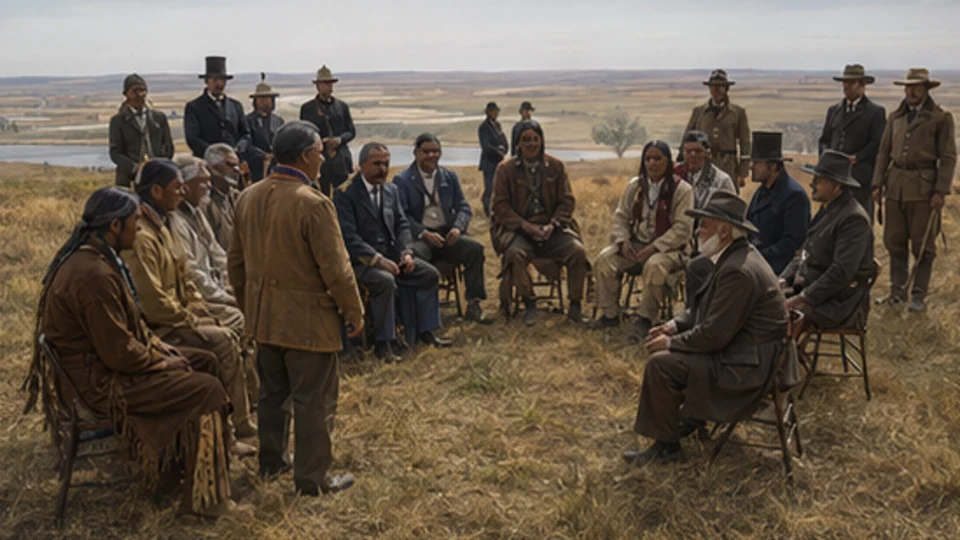
1867–1999 CE · selected state-building and Indigenous-resistance milestones · AmericasCanada, Confederation and Indigenous resistance

Canadian Confederation expanded west and north through treaties, settlement and coercion; First Nations, Inuit and Métis communities negotiated, resisted and survived dispossession and residential schools.