ATLAS / ANCIENT—PRESENT
All historyHow Atlas is sourced← Back to Atlas
Back to Atlas timeline
Claude Shannon c1930.png

1948 CE · Shannon’s mathematical communication theory · Americas · Science

Information theory and digital communication

Claude Shannon’s 1948 papers formalized information, entropy, noise and channel capacity, building on earlier communication engineering and creating a mathematical limit framework for reliable signals.

Atlas dossier · Cold War & Decolonization

Free device narration · synchronized English captions · transcript available

Why it matters

The theory underpins compression and error correction but deliberately abstracts from semantic meaning; digital networks required later codes, hardware, standards, software and infrastructure.

Date
1948 CE · Shannon’s mathematical communication theory
Historical setting
Cold War & Decolonization · Americas
People & communities
Claude Shannon · Bell Labs researchers · communication engineers · computer scientists

Information was a mathematical quantity

Shannon defined measures for uncertainty and channel capacity so engineers could reason about coding and noise. The framework intentionally set aside a message’s meaning: a bit measures alternatives, not truth, importance or understanding. Calling the paper a theory of all information would exceed its claim.

Library of Congress research shelf: Claude Shannon

A paper did not create the digital network

Nyquist, Hartley and communication engineers supplied earlier problems and concepts; later error-correcting codes, semiconductors, satellites, fibre, packet networks, standards and software made applications practical. The 1948 endpoint marks publication of a general theory, not instant digitisation.

Academic research on information theory

Illustrated sequence

A visual presentation accompanying this entry. Read each image’s attribution to distinguish archival records, later depictions and reconstructions.

Claude Shannon c1930.png
IMAGE 1

Visual record

Rights-cleared archival or official image · Public domain

Claude Shannon c1930.png — Unknown authorUnknown author; Public domain; via Wikimedia Commons

Source and reuse terms ↗

Interpretation note

Evidence, memory and historical debate

This dossier distinguishes the event’s basic chronology from later arguments about meaning, responsibility and legacy. When comparing religious, national, Indigenous or scholarly interpretations, consult the primary and institutional sources above alongside peer-reviewed historical work.

Elsewhere in the world

Parallel histories near this moment

1948–1994 CE · formal apartheid to first democratic election · AfricaApartheid and the struggle for a democratic South Africa

The National Party formalized apartheid from 1948 upon older colonial segregation, enforcing racial classification, dispossession, forced removal, exclusion and repression. Diverse internal resistance and international campaigns helped force negotiation and universal-suffrage elections in 1994.

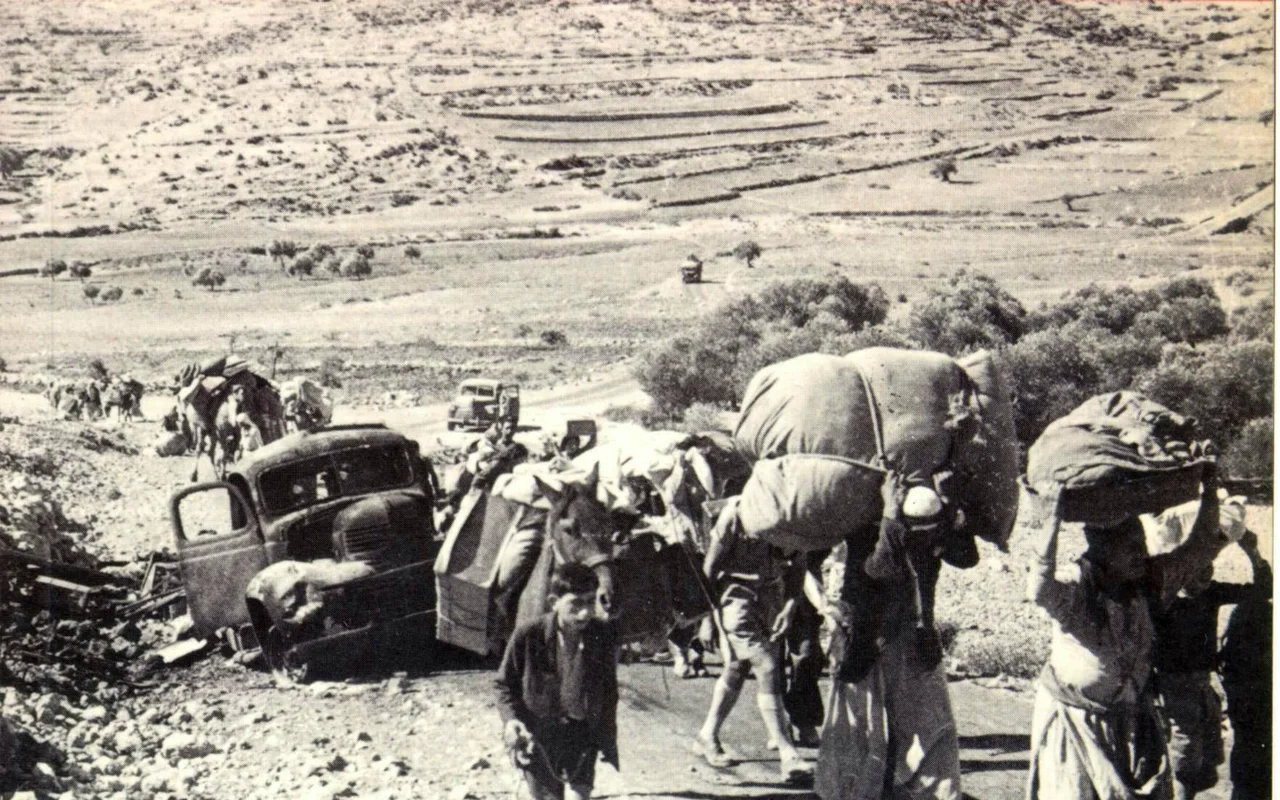
1947–1949 CE · partition proposal, civil war, statehood, regional war and displacement · Middle East1948 war, Palestinian displacement and the making of Israel

The UN General Assembly recommended partition in 1947; civil war followed, Israel declared statehood as the British Mandate ended in May 1948, and neighbouring Arab states entered the war. More than 700,000 Palestinians were displaced or expelled in the Nakba.

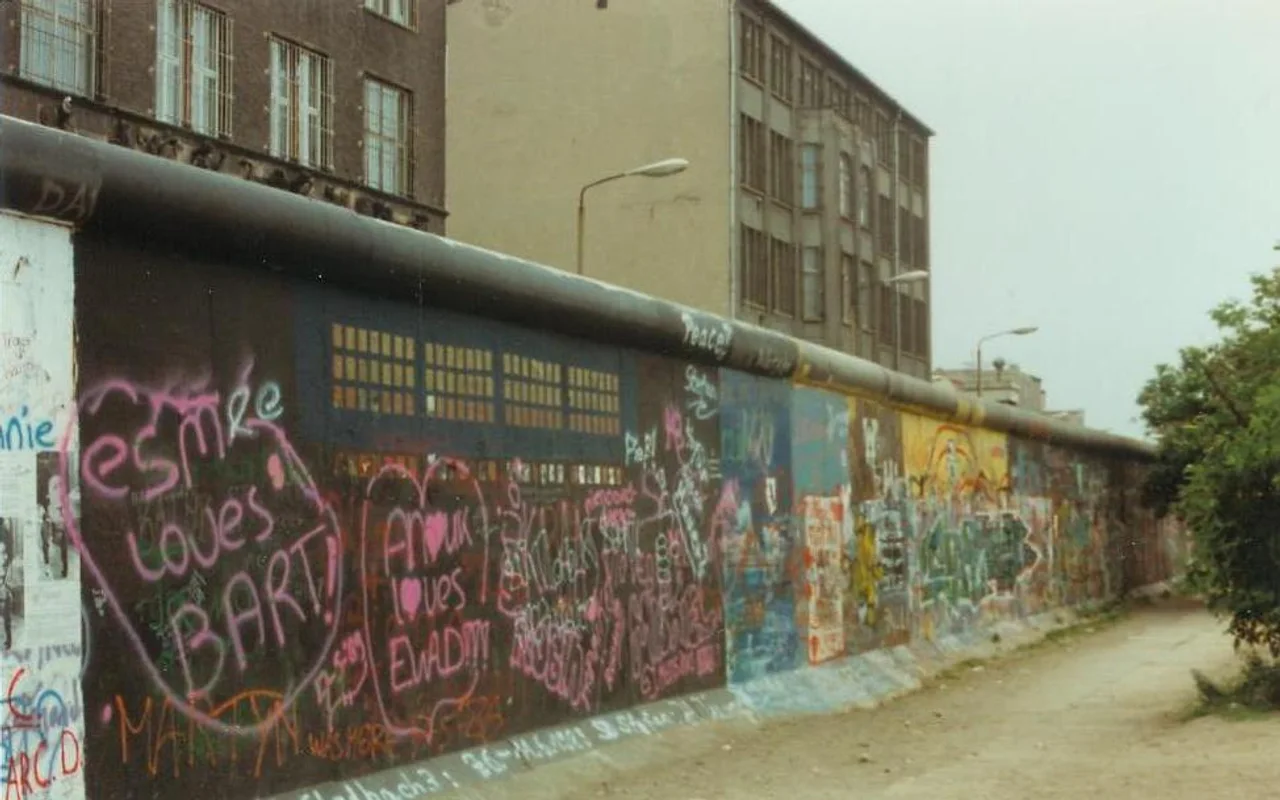
1947–1991 CE · conventional Cold War boundary · GlobalCold War, nuclear brinkmanship and Soviet collapse

U.S.- and Soviet-led blocs built alliances, nuclear arsenals, intelligence systems and competing political economies, while wars in Korea, Vietnam, Afghanistan and elsewhere were fought by states and movements with their own aims.