ATLAS / ANCIENT—PRESENT
All historyHow Atlas is sourced← Back to Atlas
Back to Atlas timeline
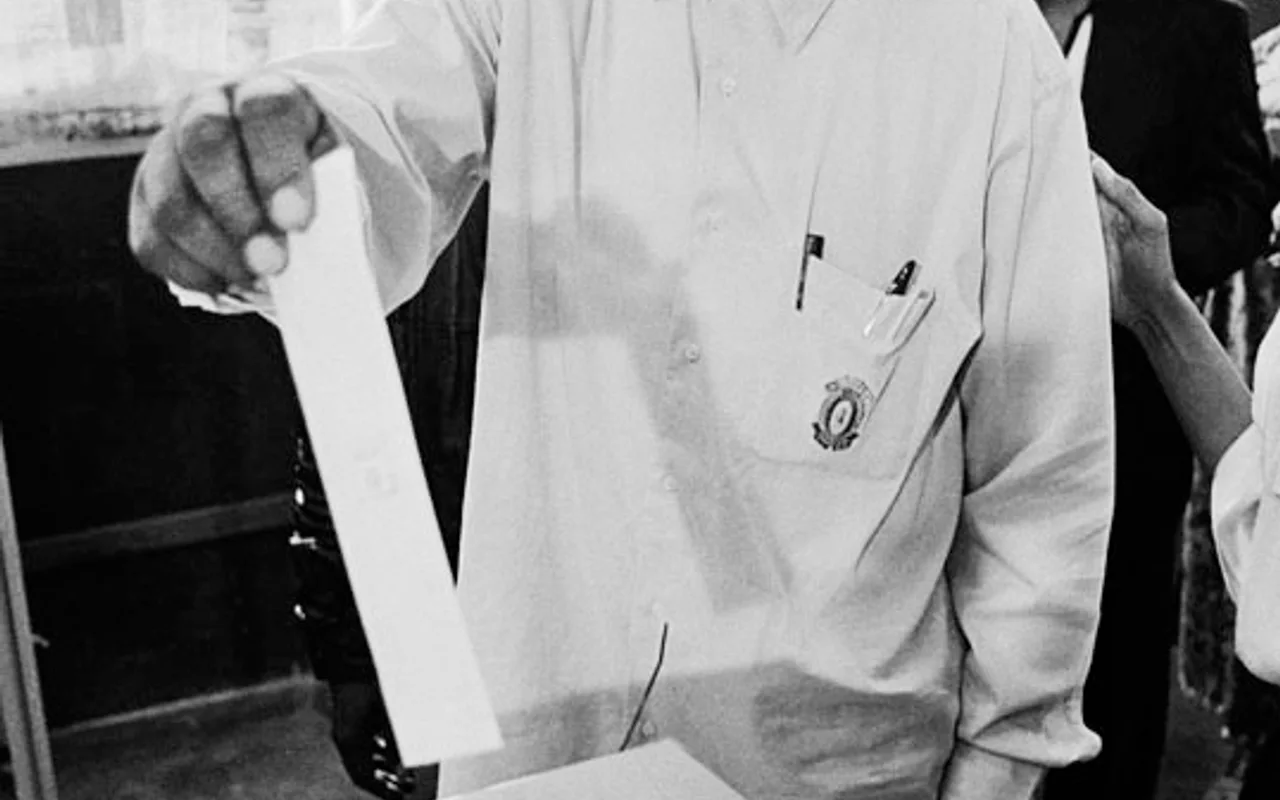
Mandela voting in 1994.jpg

1948–1994 CE · formal apartheid to first democratic election · Africa · Rights

Apartheid and the struggle for a democratic South Africa

The National Party formalized apartheid from 1948 upon older colonial segregation, enforcing racial classification, dispossession, forced removal, exclusion and repression. Diverse internal resistance and international campaigns helped force negotiation and universal-suffrage elections in 1994.

Atlas dossier · Cold War & Decolonization

Free device narration · synchronized English captions · transcript available

Why it matters

The struggle was not the work of one leader or organization, and the election did not erase economic inequality, land dispossession or apartheid’s spatial legacy.

Date
1948–1994 CE · formal apartheid to first democratic election
Historical setting
Cold War & Decolonization · Africa
People & communities
Black South Africans · Nelson Mandela · Albertina Sisulu · Desmond Tutu · youth organizers · anti-apartheid allies
1948 formalized an older racial order

National Party rule systematized apartheid through population classification, pass laws, residential segregation, forced removal and political exclusion, but land dispossession and segregation long predated 1948. The start date marks a governing programme, not the birth of racism in South Africa.

United Nations: the end of apartheid ↗

Resistance had many organisations and generations

The ANC was central, but trade unions, the Pan Africanist Congress, Black Consciousness organisations, students, churches, civic groups, women’s organisations and international solidarity campaigns acted on different strategies. Sharpeville, Soweto, strikes, boycotts and underground struggle prevent the history from collapsing into Mandela’s imprisonment and release alone.

Academic research on apartheid and resistance ↗

1994 was a democratic threshold, not an eraser

The first universal-suffrage election ended white-minority rule and created a new constitutional order. It did not immediately undo unequal landholding, wealth, education or the spatial geography built by forced removal. The endpoint records a decisive transition while leaving those legacies visible.

United Nations: the end of apartheid ↗

Illustrated sequence

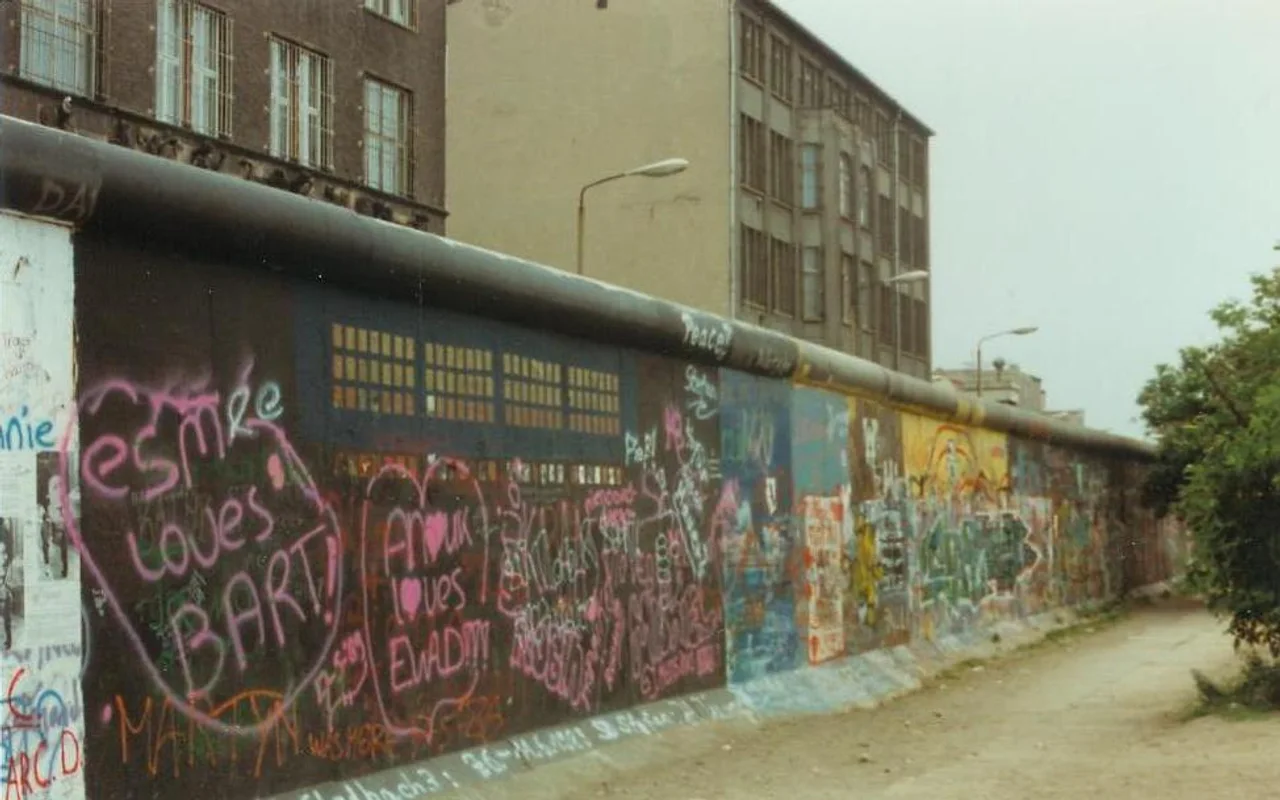
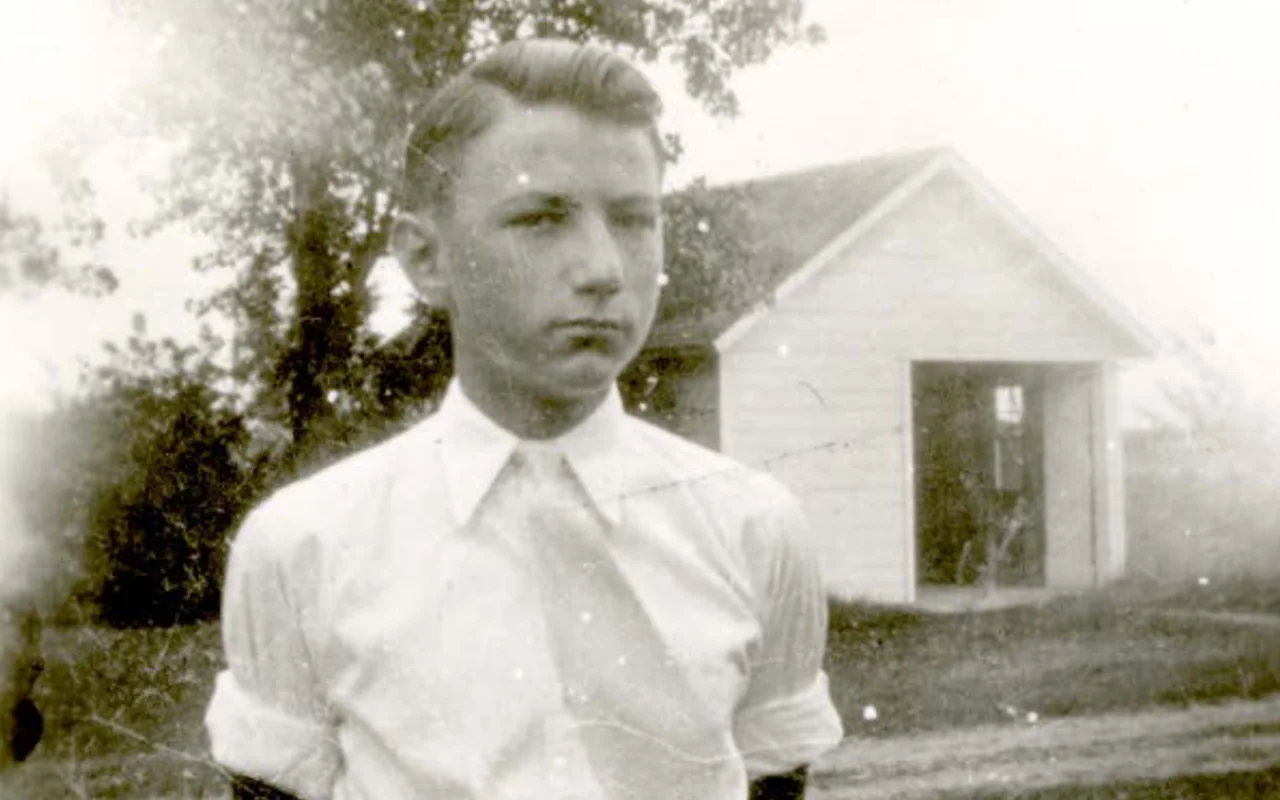
A visual presentation accompanying this entry. Read each image’s attribution to distinguish archival records, later depictions and reconstructions.

Interpretation note

Evidence, memory and historical debate

This dossier distinguishes the event’s basic chronology from later arguments about meaning, responsibility and legacy. When comparing religious, national, Indigenous or scholarly interpretations, consult the primary and institutional sources above alongside peer-reviewed historical work.

Elsewhere in the world

Parallel histories near this moment

1948 CE · Shannon’s mathematical communication theory · AmericasInformation theory and digital communication

Claude Shannon’s 1948 papers formalized information, entropy, noise and channel capacity, building on earlier communication engineering and creating a mathematical limit framework for reliable signals.

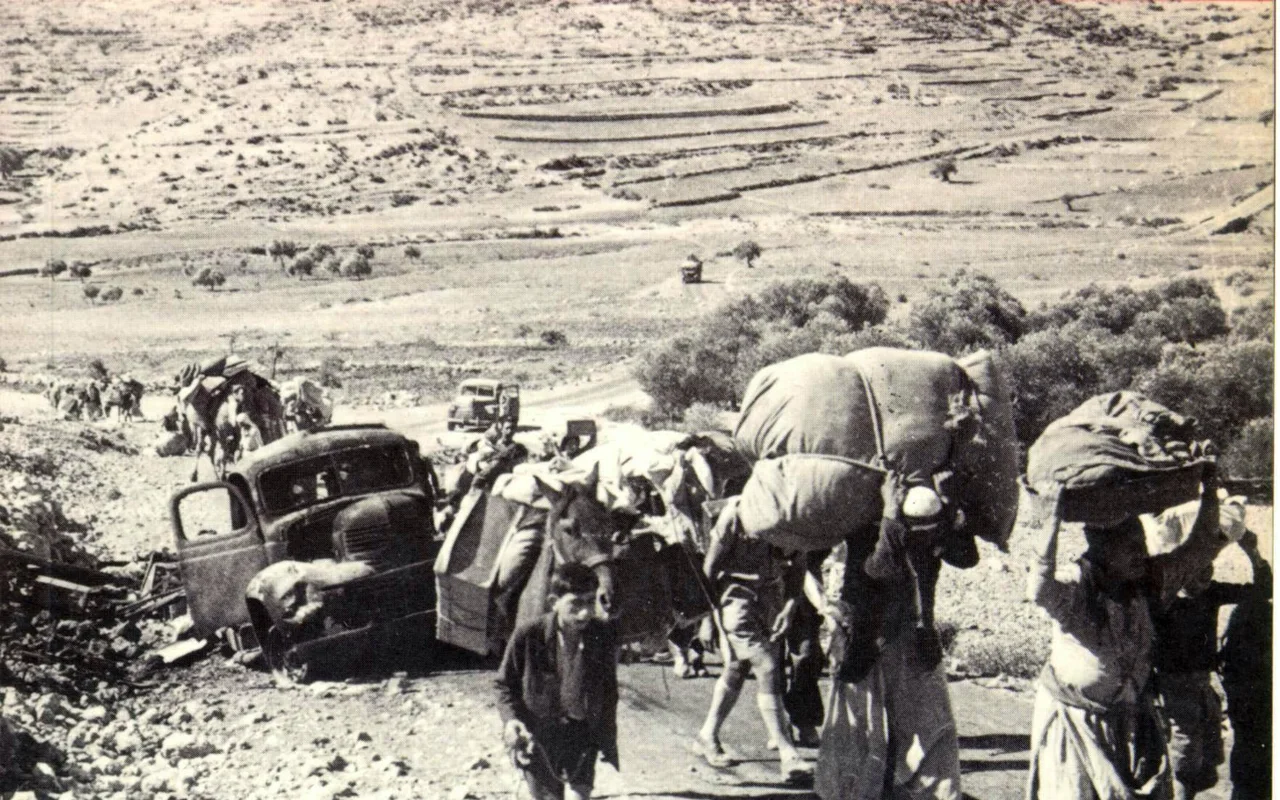
1947–1949 CE · partition proposal, civil war, statehood, regional war and displacement · Middle East1948 war, Palestinian displacement and the making of Israel

The UN General Assembly recommended partition in 1947; civil war followed, Israel declared statehood as the British Mandate ended in May 1948, and neighbouring Arab states entered the war. More than 700,000 Palestinians were displaced or expelled in the Nakba.

1947–1991 CE · conventional Cold War boundary · GlobalCold War, nuclear brinkmanship and Soviet collapse

U.S.- and Soviet-led blocs built alliances, nuclear arsenals, intelligence systems and competing political economies, while wars in Korea, Vietnam, Afghanistan and elsewhere were fought by states and movements with their own aims.