ATLAS / ANCIENT—PRESENT
All historyHow Atlas is sourced← Back to Atlas
Back to Atlas timeline
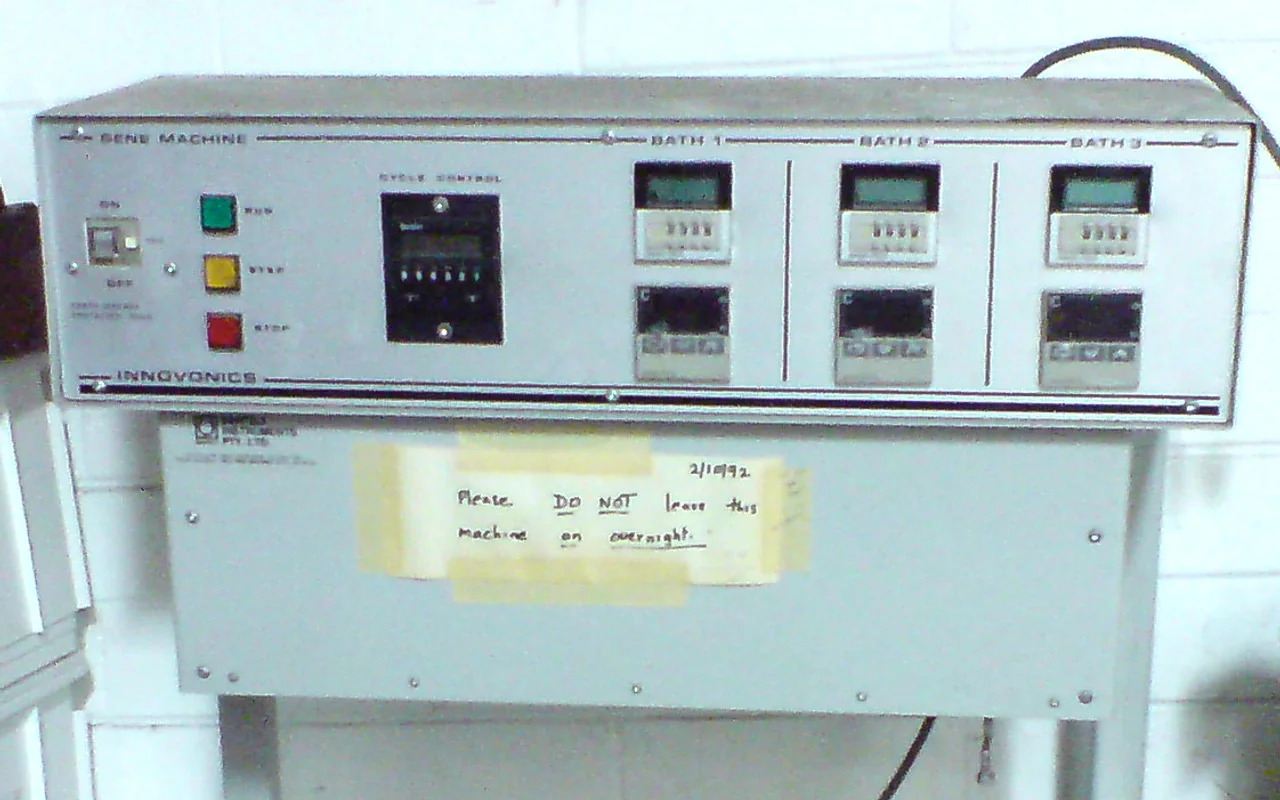
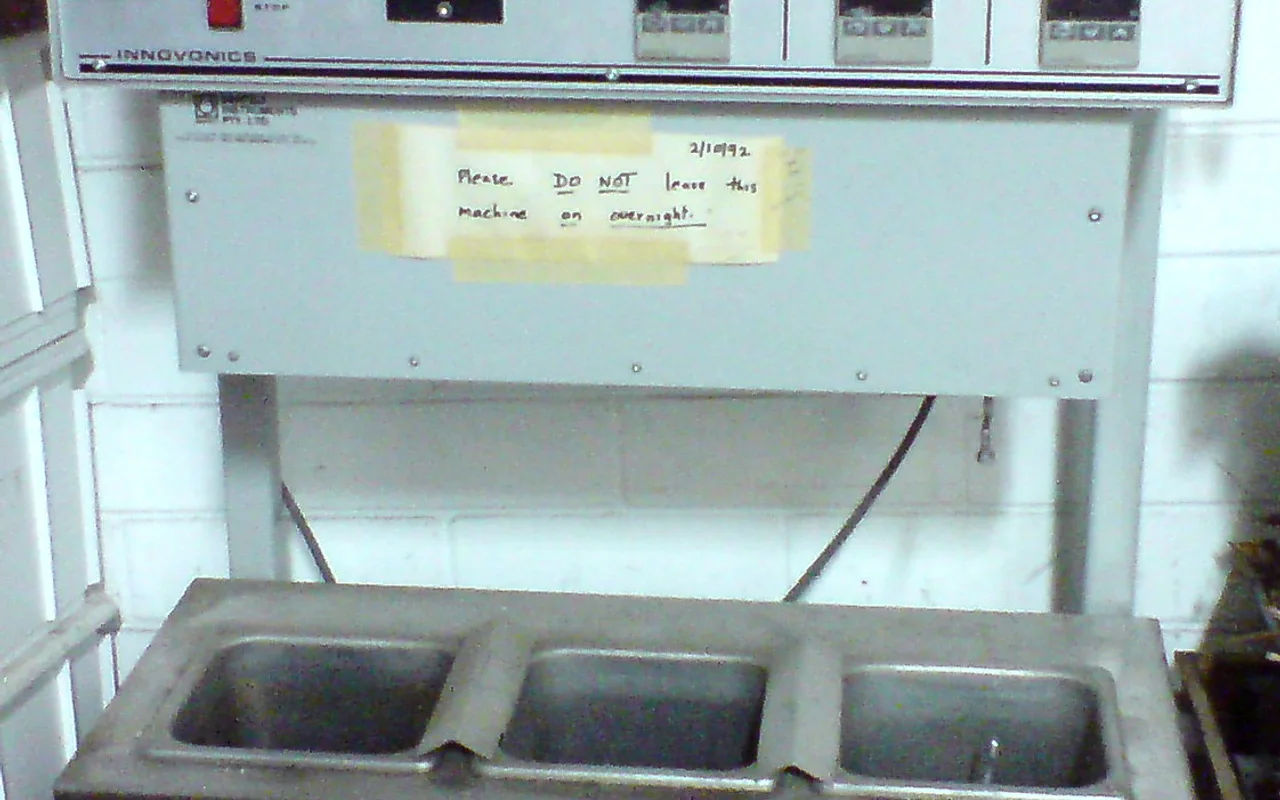
Primitive PCR machine for scrap.JPG

1983–1988 CE · concept, thermostable enzymes and automated amplification · Americas · Technology

PCR and molecular diagnostics

Polymerase chain reaction used repeated cycles and short primers to copy selected DNA sequences. The 1983 concept became a robust laboratory system through experimental teams, thermostable polymerases, automated thermal cycling and later detection methods.

Atlas dossier · Digital & Global Age

Free device narration · synchronized English captions · transcript available

Why it matters

PCR reshaped genetics, forensics and infectious-disease testing, but amplification alone does not establish diagnosis, timing or source. Sampling, controls, contamination prevention, validation and clinical interpretation remain essential.

Date
1983–1988 CE · concept, thermostable enzymes and automated amplification
Historical setting
Digital & Global Age · Americas
People & communities
Kary Mullis · Cetus laboratory teams · Thomas Brock · Hudson Freeze · Chien, Saiki and collaborators · diagnostic scientists · laboratory workers

A method became a laboratory system

PCR copies a selected DNA region through repeated cycles guided by short primers. Mullis’s 1983 concept was important, but reliable practice also depended on Cetus laboratory teams, thermostable DNA polymerases, automated thermal cyclers, reagents and protocols. The 1993 Nobel recognition is not a full inventory of contributors.

Nobel Prize: polymerase chain reaction

Amplification is not diagnosis by itself

PCR can reveal very small quantities of target sequence, which makes sampling, contamination controls, primer design and validation critical. A positive signal does not alone establish disease severity, time of infection or biological source; results require a defined assay and clinical or investigative context.

U.S. National Library of Medicine: PCR research collection

Applications developed on different timelines

Research, prenatal and inherited-disease testing, infectious-disease diagnosis and forensic analysis use related amplification principles under different standards and risks. Later real-time and reverse-transcription methods should not be collapsed into the initial 1983 idea.

Academic research on PCR and diagnostics

Illustrated sequence

A visual presentation accompanying this entry. Read each image’s attribution to distinguish archival records, later depictions and reconstructions.

Interpretation note

Evidence, memory and historical debate

This dossier distinguishes the event’s basic chronology from later arguments about meaning, responsibility and legacy. When comparing religious, national, Indigenous or scholarly interpretations, consult the primary and institutional sources above alongside peer-reviewed historical work.

Elsewhere in the world

Parallel histories near this moment

1981–2026 CE · selected epidemic, treatment and activism milestones · GlobalHIV/AIDS pandemic and activism

The first recognised U.S. AIDS cases were reported in 1981, but HIV had circulated earlier and the epidemic was global. Identification of HIV, antiretroviral treatment and organised action unfolded over decades rather than as one discovery or one national story.

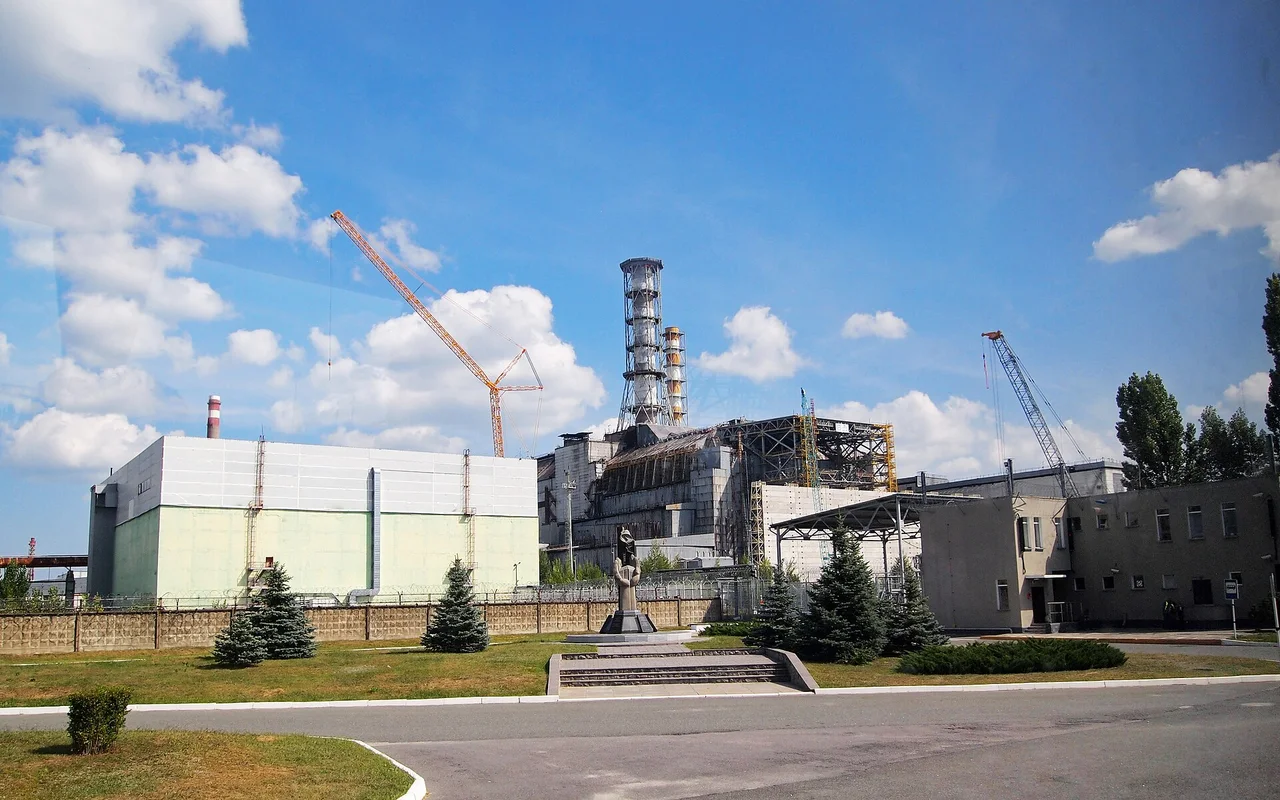
26 April 1986 CE · reactor explosion, evacuation and continuing consequences · EuropeChernobyl and nuclear safety

Reactor 4 at the Chernobyl nuclear power station was destroyed during a late-night safety test on 26 April 1986. RBMK reactor vulnerabilities, unsafe operating decisions and a deficient safety culture combined in an explosion and fire that released radioactive material across borders.

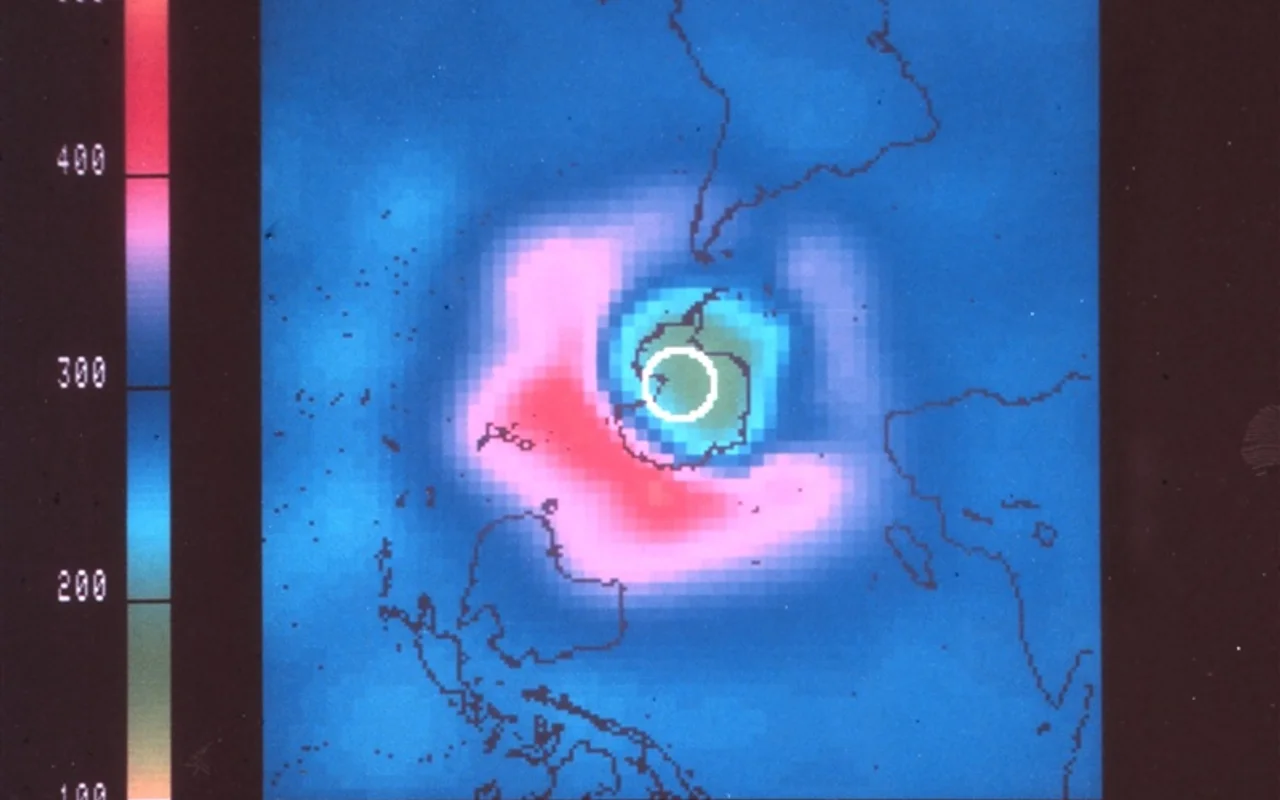
16 September 1987 CE · treaty signed; recovery remains in progress · GlobalMontreal Protocol and ozone recovery

Countries signed the Montreal Protocol on 16 September 1987 to control the production and consumption of ozone-depleting substances; it entered into force in 1989 and was strengthened through later adjustments and amendments.