ATLAS / ANCIENT—PRESENT
All historyHow Atlas is sourced← Back to Atlas
Back to Atlas timeline
Ozone Hole, 1987 (50700749751).jpg

16 September 1987 CE · treaty signed; recovery remains in progress · Global · Science

Montreal Protocol and ozone recovery

Countries signed the Montreal Protocol on 16 September 1987 to control the production and consumption of ozone-depleting substances; it entered into force in 1989 and was strengthened through later adjustments and amendments.

Atlas dossier · Cold War & Decolonization

Free device narration · synchronized English captions · transcript available

Why it matters

Monitoring, finance, technology change and differentiated schedules made ozone recovery possible, but recovery is not complete. The 2016 Kigali Amendment phases down climate-warming HFCs, which generally replaced ozone-depleting chemicals but do not themselves destroy ozone.

Date
16 September 1987 CE · treaty signed; recovery remains in progress
Historical setting
Cold War & Decolonization · Global
People & communities
Atmospheric scientists · negotiators · refrigeration workers · manufacturers · monitoring agencies
Science, treaty and implementation were stages

Measurements and atmospheric chemistry connected chlorofluorocarbons to stratospheric ozone loss before countries signed the Montreal Protocol on 16 September 1987. The treaty entered into force in 1989 and was strengthened through later controls, funding, trade provisions and national implementation.

UN Environment Programme: Montreal Protocol

Recovery is measured, not assumed

Satellite, balloon and ground observations track ozone, temperatures and relevant chemicals. Declines in controlled substances support projected recovery, but annual Antarctic ozone holes vary and the ozone layer is not already restored everywhere. Recovery language should retain timescales and uncertainty.

NASA Ozone Watch

Kigali addresses climate through a related regime

Many HFCs replaced ozone-depleting substances and generally do not destroy stratospheric ozone, but they are powerful greenhouse gases. The 2016 Kigali Amendment added an HFC phase-down to the Montreal regime. That connection does not make ozone depletion and climate change the same atmospheric problem.

UNEP Ozone Secretariat: Kigali Amendment

Illustrated sequence

A visual presentation accompanying this entry. Read each image’s attribution to distinguish archival records, later depictions and reconstructions.

Ozone Hole, 1987 (50700749751).jpg
IMAGE 1

Visual record

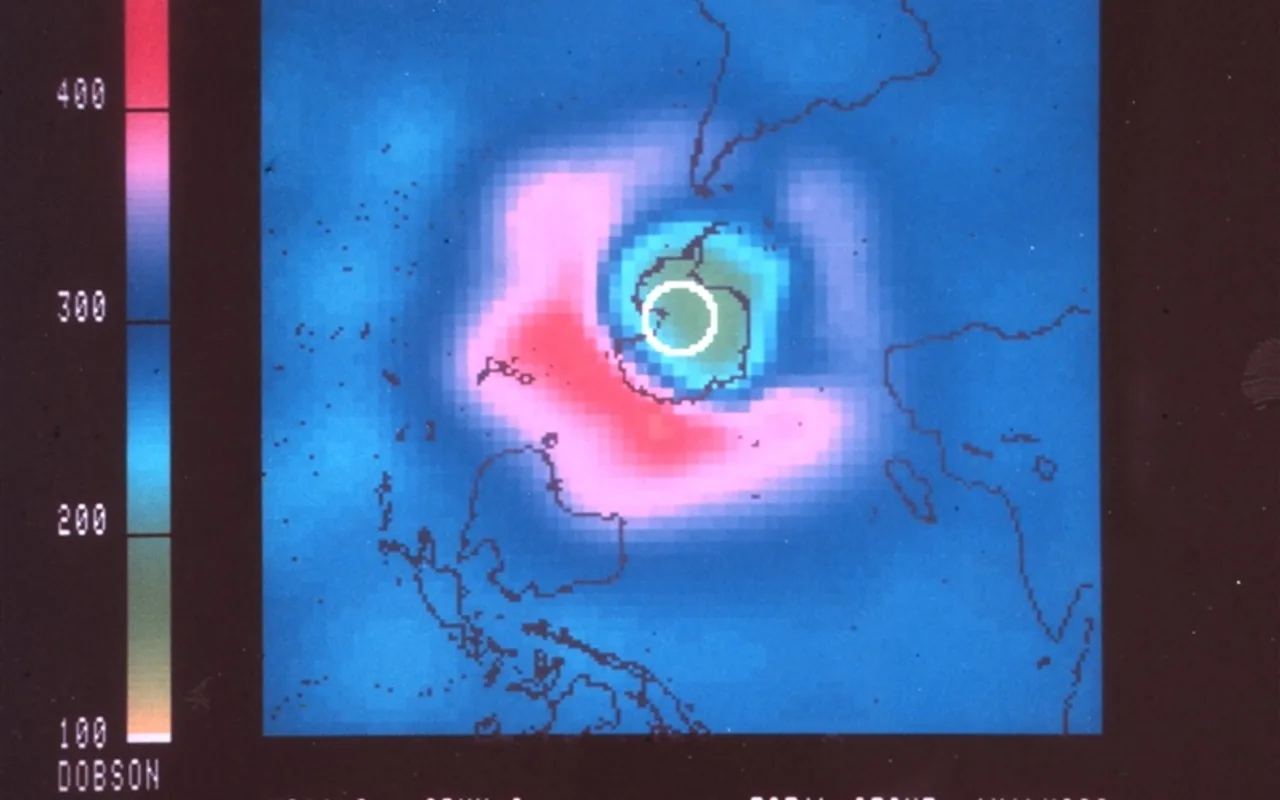
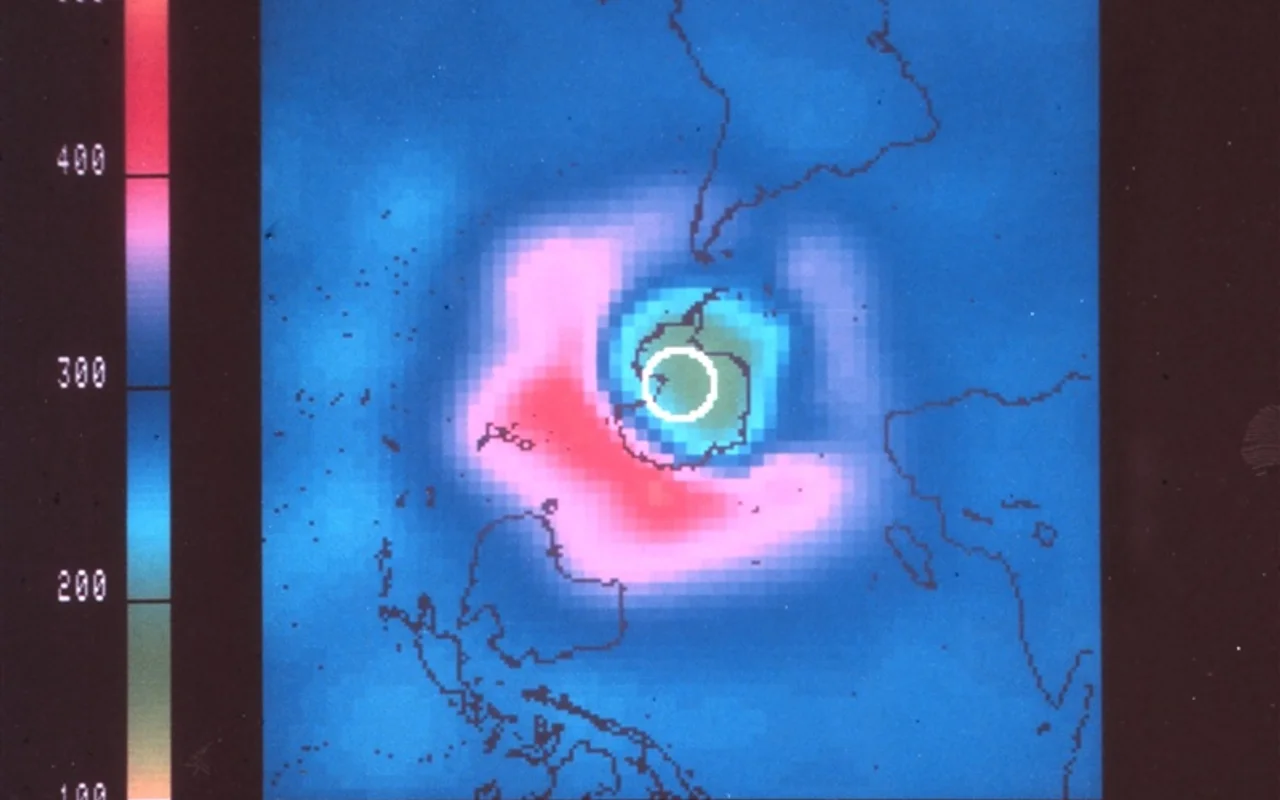
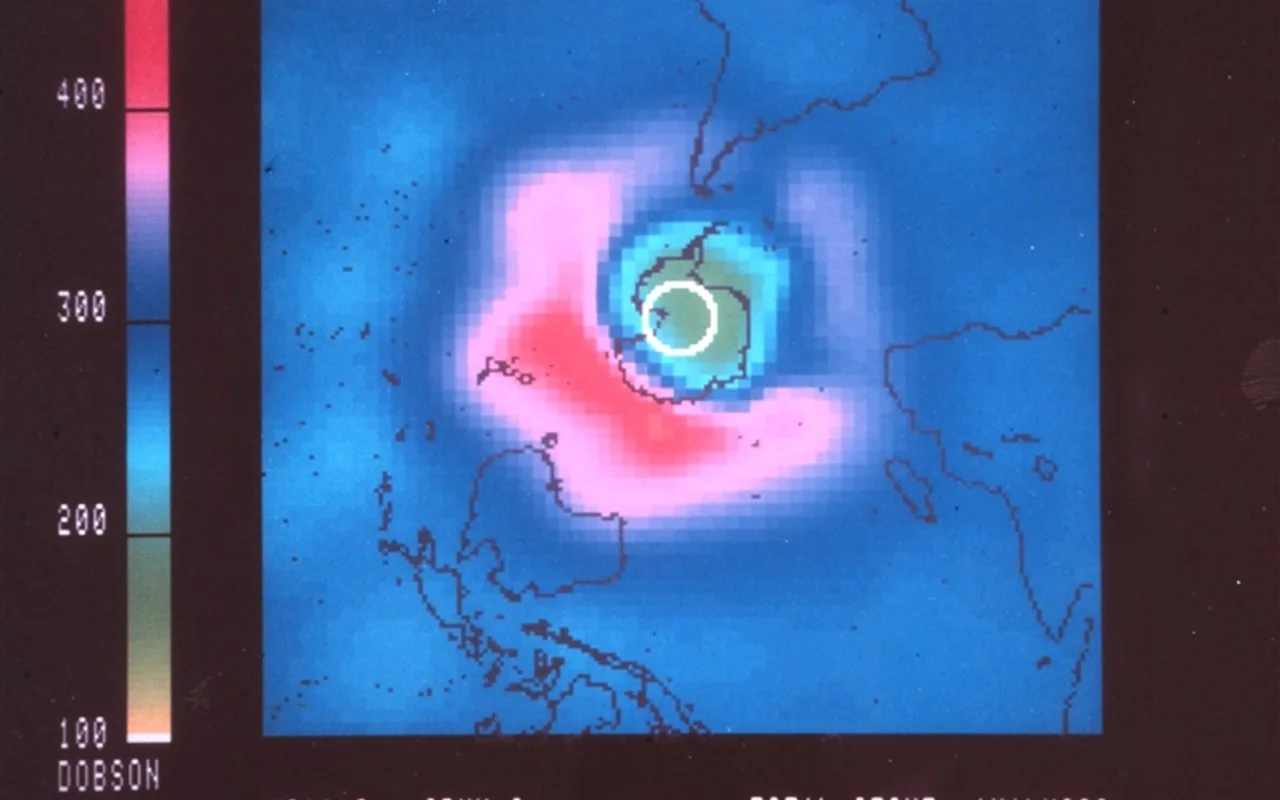
A NOAA satellite map of Antarctic ozone on 15 October 1987. This single observation is not a time series of ozone recovery.

Ozone Hole, 1987 (50700749751).jpg — NOAASatellites; Public domain; via NOAA Satellite archive / Wikimedia Commons. Resized, cropped and converted to WebP for Atlas display.

Source and reuse terms ↗

Interpretation note

Evidence, memory and historical debate

This dossier distinguishes the event’s basic chronology from later arguments about meaning, responsibility and legacy. When comparing religious, national, Indigenous or scholarly interpretations, consult the primary and institutional sources above alongside peer-reviewed historical work.

Elsewhere in the world

Parallel histories near this moment

26 April 1986 CE · reactor explosion, evacuation and continuing consequences · EuropeChernobyl and nuclear safety

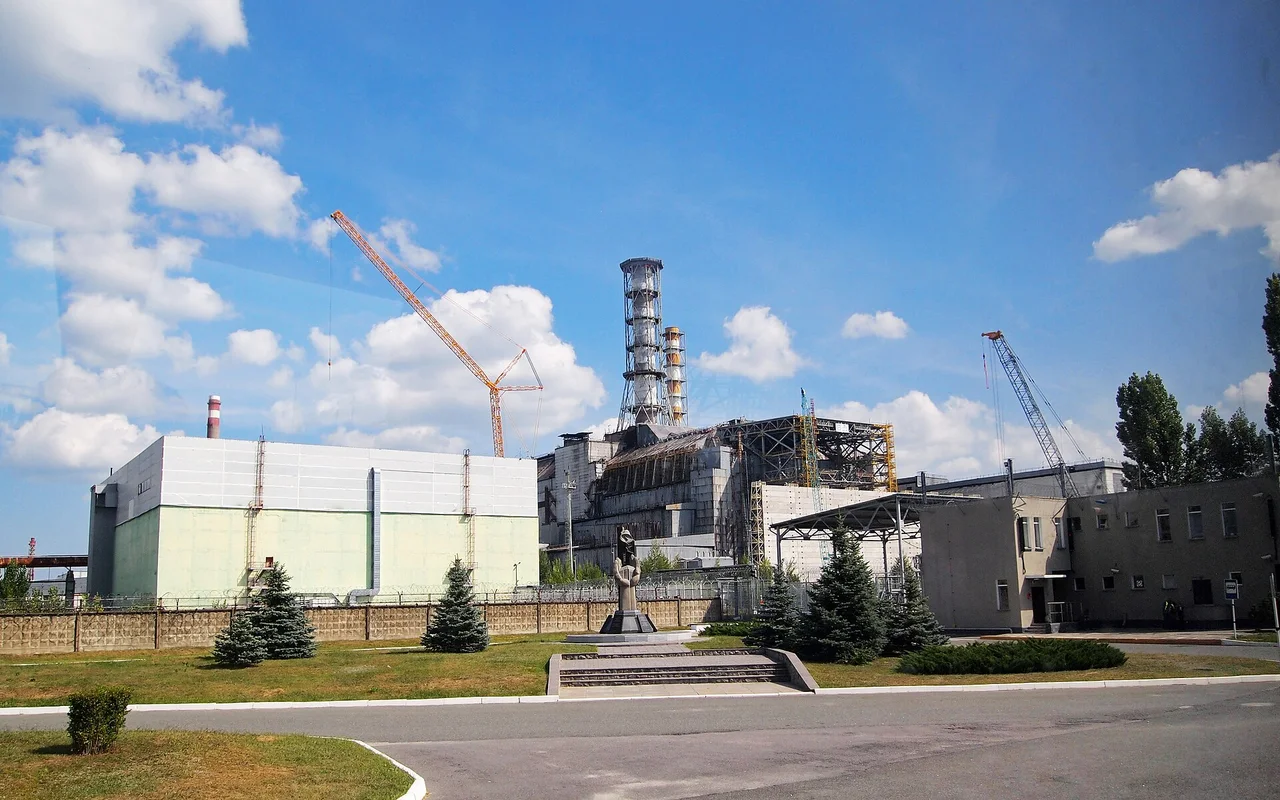
Reactor 4 at the Chernobyl nuclear power station was destroyed during a late-night safety test on 26 April 1986. RBMK reactor vulnerabilities, unsafe operating decisions and a deficient safety culture combined in an explosion and fire that released radioactive material across borders.

4 April 1986 CE · a documented protest within a longer classroom debate · AmericasTeachers protest classroom calculator policy

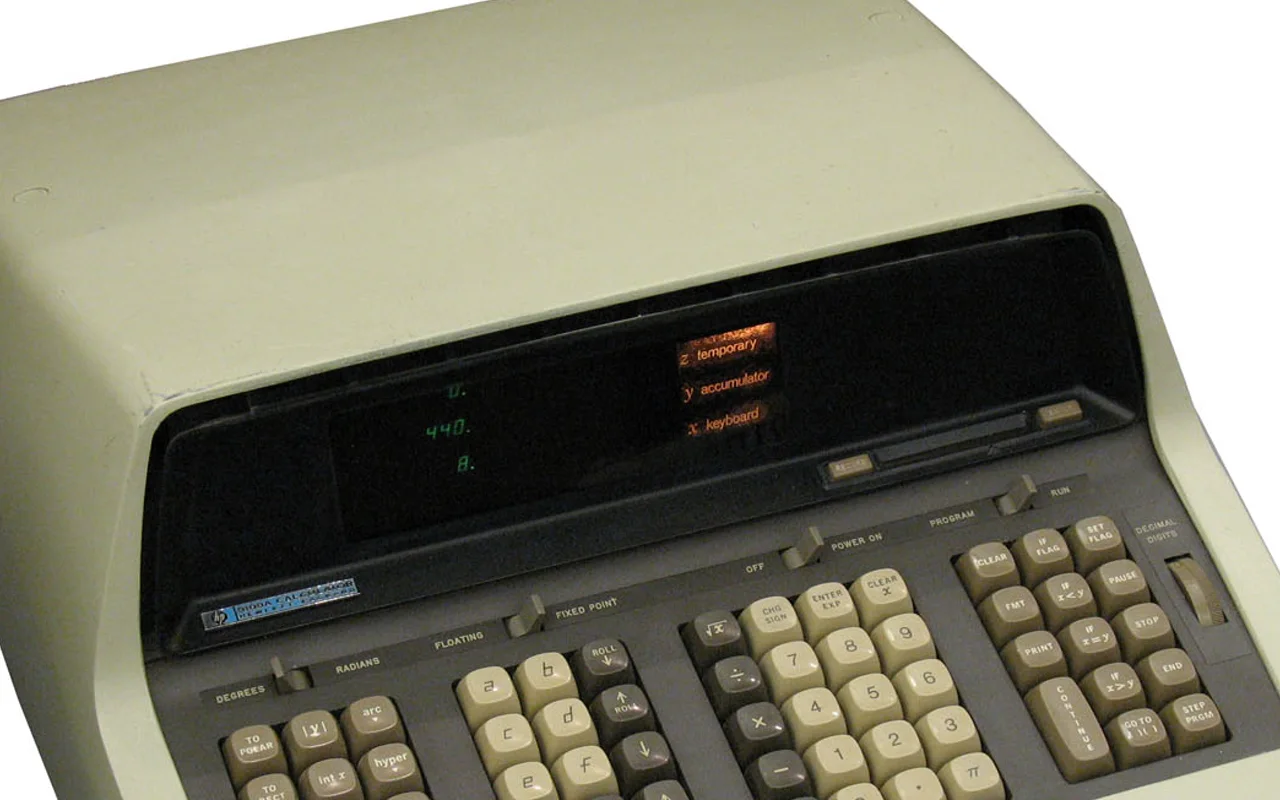
At an April 1986 mathematics-education meeting in Washington, a small group of teachers picketed recommendations supporting calculator access across school grades and argued that basic number skills should come first.

1983–1988 CE · concept, thermostable enzymes and automated amplification · AmericasPCR and molecular diagnostics

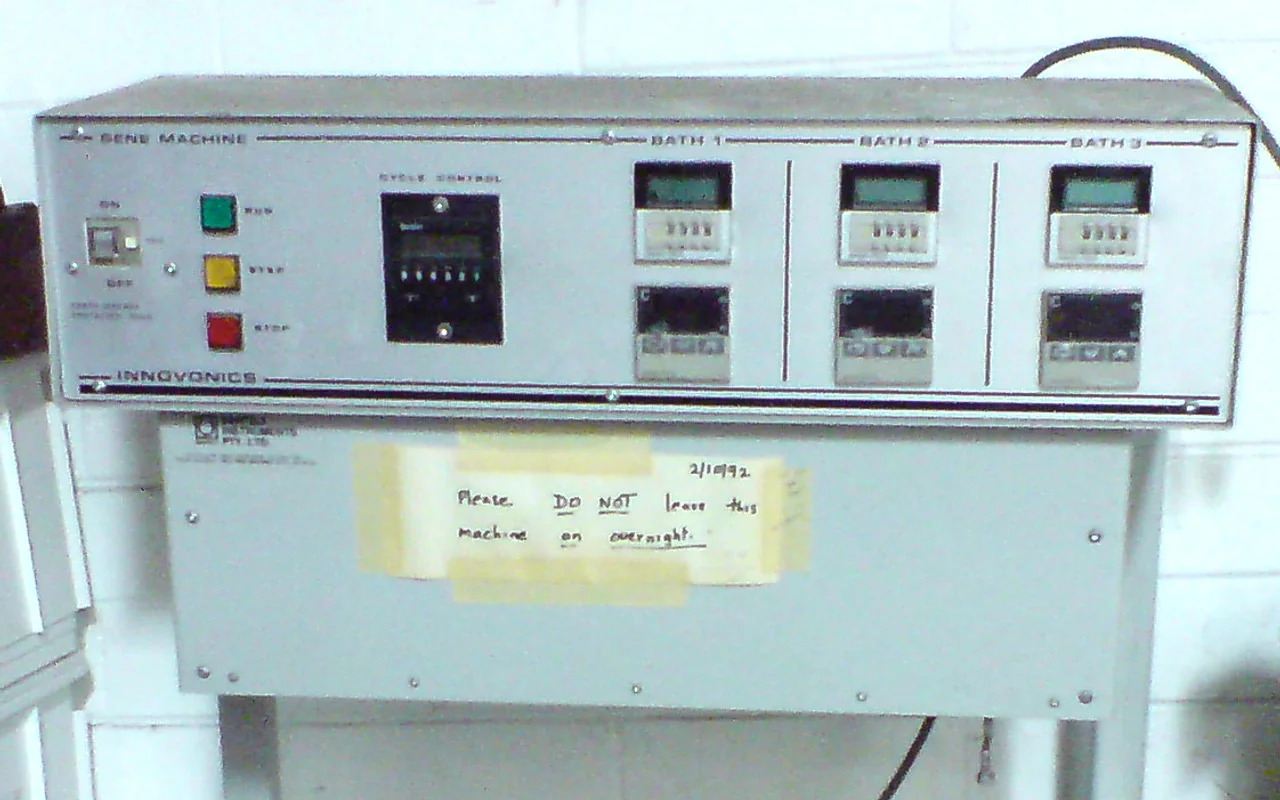
Polymerase chain reaction used repeated cycles and short primers to copy selected DNA sequences. The 1983 concept became a robust laboratory system through experimental teams, thermostable polymerases, automated thermal cycling and later detection methods.