ATLAS / ANCIENT—PRESENT
All historyHow Atlas is sourced← Back to Atlas
Back to Atlas timeline
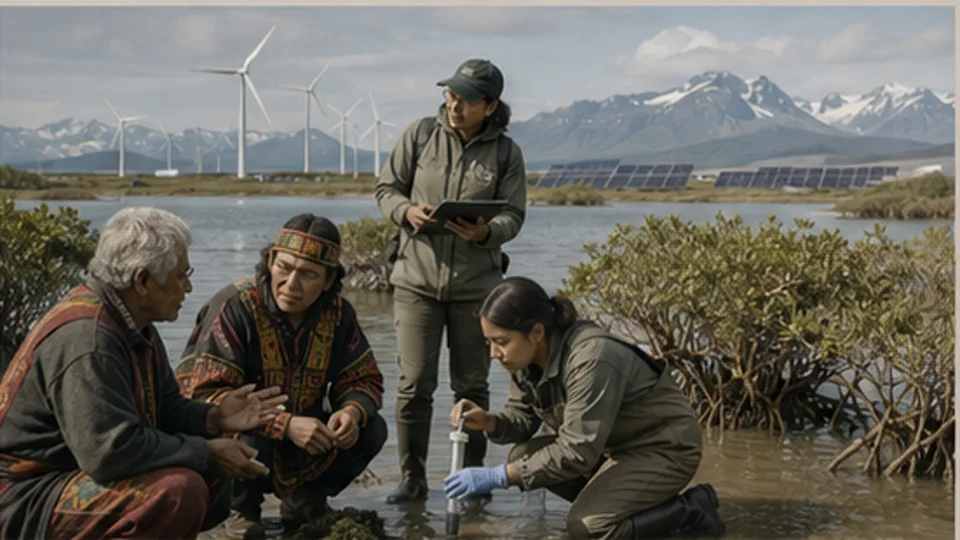
Global climate science and action — original Atlas editorial reconstruction

1988–2026 CE · assessment, treaty and action milestones · Global · Science

Global climate science and action

The IPCC’s creation in 1988 anchors a longer history of greenhouse-gas measurement and modelling. Its assessments, the 1992 UN climate convention, the 2015 Paris Agreement and public movements are distinct milestones in evidence, negotiation and action.

Atlas dossier · Digital & Global Age

Free device narration · synchronized English captions · transcript available

Why it matters

Human influence has unequivocally warmed the atmosphere, ocean and land, but assessed knowledge does not automatically produce adequate policy. Responsibility, exposure and capacity are unequal, while mitigation, adaptation and loss and damage remain contested and unfinished.

Date
1988–2026 CE · assessment, treaty and action milestones
Historical setting
Digital & Global Age · Global
People & communities
observing and modelling teams · IPCC authors and reviewers · Indigenous knowledge holders · negotiators · workers · youth and climate-justice movements · affected communities

1988 begins an assessment institution, not climate science

The IPCC was created in 1988 to assess existing research. Greenhouse-gas measurement, physical theory, paleoclimate evidence and modelling predate it. Later assessment reports synthesised expanding evidence through large author and review networks rather than conducting one decisive experiment.

IPCC: AR6 Synthesis Report

Treaties set frameworks; they do not guarantee outcomes

The 1992 UN Framework Convention and 2015 Paris Agreement are distinct legal and diplomatic milestones. National targets, implementation, finance and accountability determine their effect. A signed agreement is not the same thing as emissions reduction, adaptation or protection from loss and damage.

UNFCCC: the Climate Change Convention

Risk and responsibility are uneven

Human influence has unequivocally warmed the atmosphere, ocean and land. Communities that contributed least can face severe exposure and have fewer resources for adaptation. Indigenous knowledge, labour, energy access, historical emissions and intergenerational justice therefore belong beside global averages and technology pathways.

Academic research on climate science and justice

Illustrated sequence

Silent pan-and-zoom motion derivative of the Global climate science and action reconstruction; not archival footage.

Global climate science and action — original Atlas editorial reconstruction
IMAGE 1

Original Atlas reconstruction

Primary Atlas editorial reconstruction for Global climate science and action.

World History in Pictures · Public site artwork. This record does not grant third-party republication rights.

How Atlas classifies this artwork →
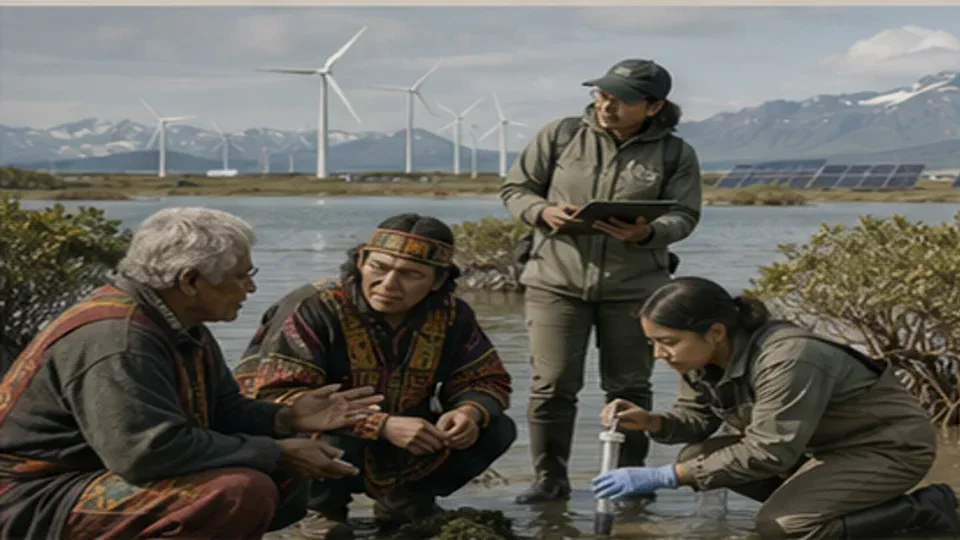
Global climate science and action: people and action
IMAGE 2

Detail crop — same artwork

Detail crop from the same Global climate science and action reconstruction; not an independent historical record.

World History in Pictures · Same editorial artwork package

How Atlas classifies this artwork →
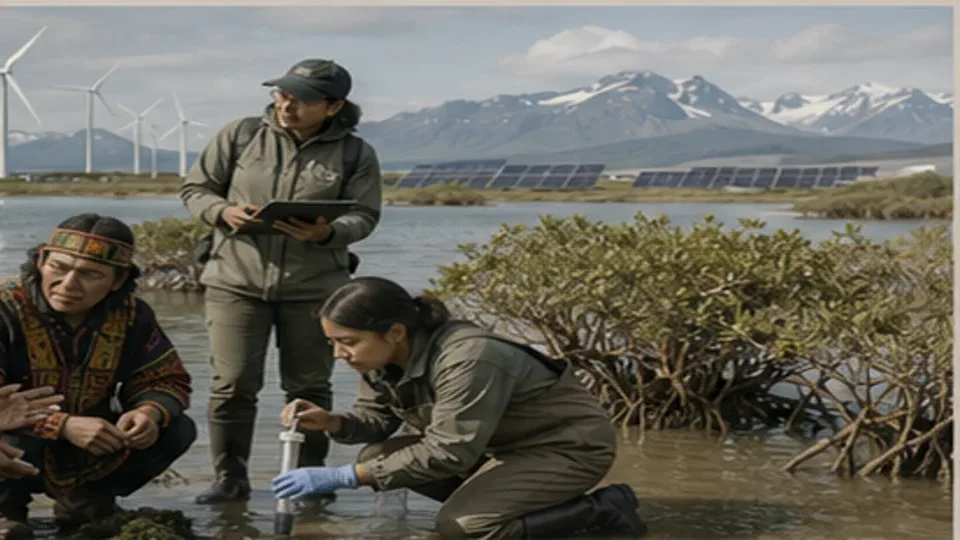
Global climate science and action: setting and consequences
IMAGE 3

Context crop — same artwork

Context crop from the same Global climate science and action reconstruction; not an independent historical record.

World History in Pictures · Same editorial artwork package

How Atlas classifies this artwork →

Interpretation note

Evidence, memory and historical debate

This dossier distinguishes the event’s basic chronology from later arguments about meaning, responsibility and legacy. When comparing religious, national, Indigenous or scholarly interpretations, consult the primary and institutional sources above alongside peer-reviewed historical work.

Elsewhere in the world

Parallel histories near this moment

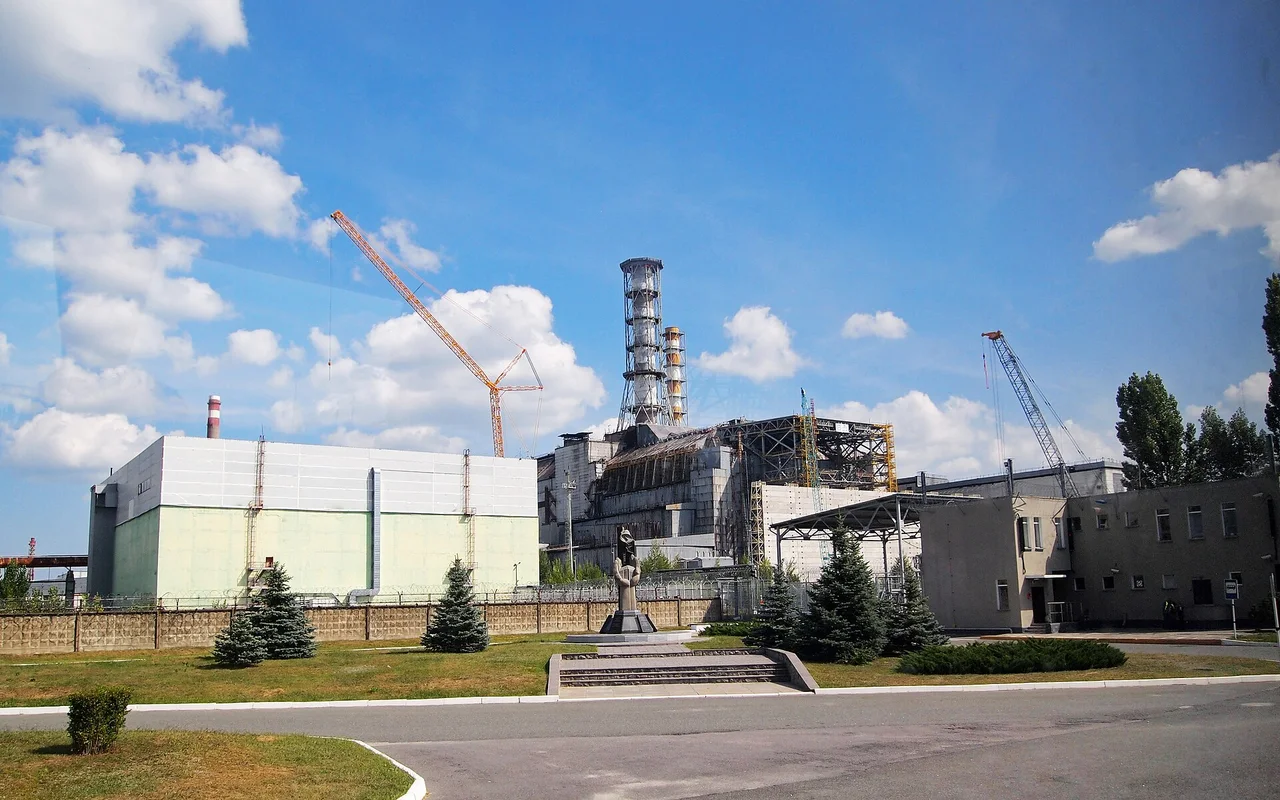
26 April 1986 CE · reactor explosion, evacuation and continuing consequences · EuropeChernobyl and nuclear safety

Reactor 4 at the Chernobyl nuclear power station was destroyed during a late-night safety test on 26 April 1986. RBMK reactor vulnerabilities, unsafe operating decisions and a deficient safety culture combined in an explosion and fire that released radioactive material across borders.

4 April 1986 CE · a documented protest within a longer classroom debate · AmericasTeachers protest classroom calculator policy

At an April 1986 mathematics-education meeting in Washington, a small group of teachers picketed recommendations supporting calculator access across school grades and argued that basic number skills should come first.

1983–1988 CE · concept, thermostable enzymes and automated amplification · AmericasPCR and molecular diagnostics

Polymerase chain reaction used repeated cycles and short primers to copy selected DNA sequences. The 1983 concept became a robust laboratory system through experimental teams, thermostable polymerases, automated thermal cycling and later detection methods.