ATLAS / ANCIENT—PRESENT
All historyHow Atlas is sourced← Back to Atlas
Back to Atlas timeline
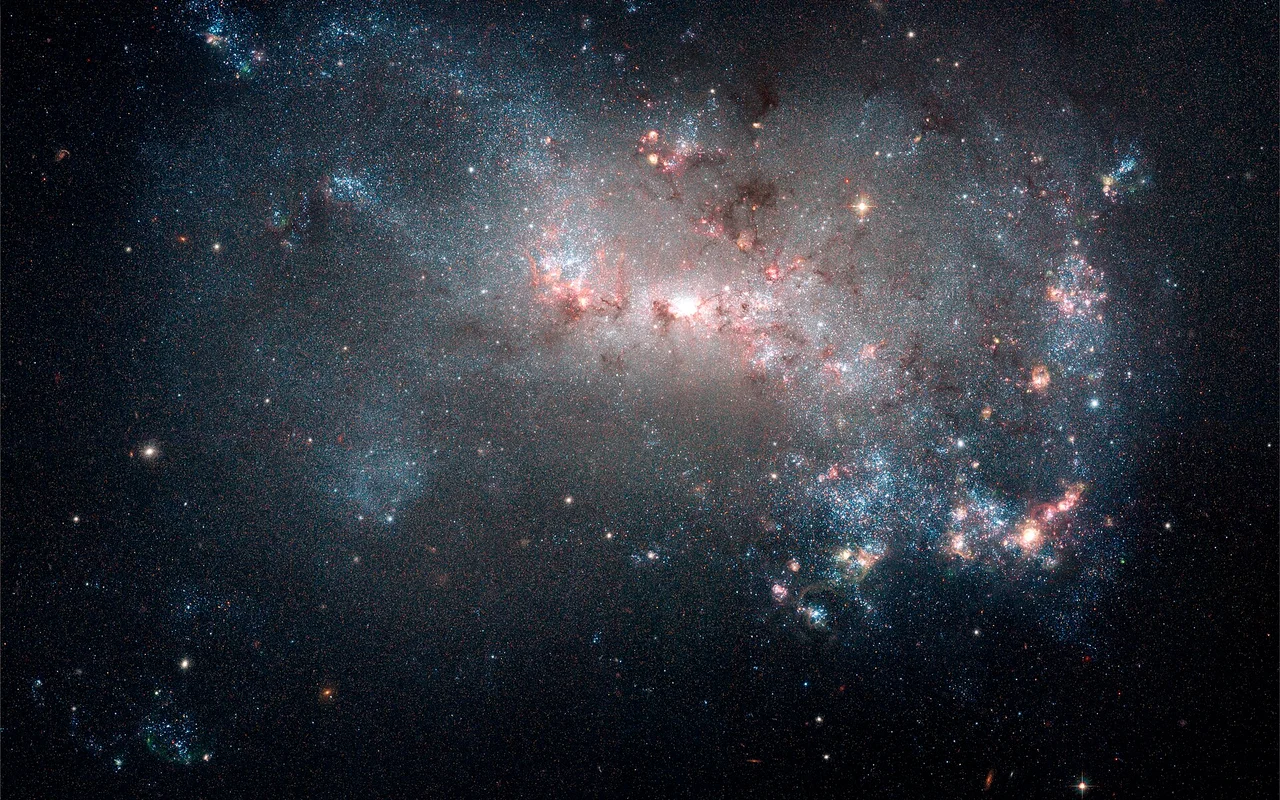
Starburst in NGC 4449 (captured by the Hubble Space Telescope).jpg

24 April 1990 CE · launch; servicing and observation continue the history · Global · Science

Hubble Space Telescope and deep-space vision

Hubble launched on 24 April 1990 with a flawed primary mirror; a 1993 servicing mission installed corrective optics. Later instruments, repeated servicing and worldwide analysis produced influential measurements and images of stars, galaxies and the expanding universe.

Atlas dossier · Digital & Global Age

Free device narration · synchronized English captions · transcript available

Why it matters

Hubble joined a wider ground- and space-based observing system. Its deep fields, distance-scale work and supernova follow-up transformed astronomy, but no single telescope or image discovered dark energy or made colour views into direct human-eye photographs.

Date
24 April 1990 CE · launch; servicing and observation continue the history
Historical setting
Digital & Global Age · Global
People & communities
NASA and ESA teams · Nancy Grace Roman and earlier planners · astronauts · instrument builders · engineers · astronomers · archive and image-processing teams

Launch exposed a flaw; servicing made repair possible

Hubble launched on 24 April 1990, but its primary mirror had been polished to the wrong shape. Astronauts installed corrective optics during the first servicing mission in December 1993. Treating the repair as part of the achievement makes testing, failure, engineering and maintenance visible.

NASA: Hubble mission overview ↗

One observatory, many instruments and researchers

Hubble’s results changed as cameras, spectrographs and other instruments were installed or replaced and as astronomers combined its archive with ground- and space-based observations. Deep fields, the distance scale, stellar evolution and supernova studies represent many programmes, not discoveries by the telescope acting alone.

Smithsonian National Air and Space Museum: Hubble ↗

Beautiful colour is translated data

Many Hubble images combine exposures through different filters and assign visible colours to reveal structure or wavelengths people cannot see directly. Processing is scientifically documented interpretation, not deception and not necessarily what a nearby human eye would perceive. Captions should distinguish image, composite and measurement.

Academic research on Hubble imaging ↗

Illustrated sequence

A visual presentation accompanying this entry. Read each image’s attribution to distinguish archival records, later depictions and reconstructions.

Starburst in NGC 4449 (captured by the Hubble Space Telescope).jpgEnlarge and examine the picture

Examine the picture

IMAGE 1

Visual record

Rights-cleared archival or official image · Public domain

Starburst in NGC 4449 (captured by the Hubble Space Telescope).jpg — NASA, ESA, A. Aloisi (STScI/ESA), and The Hubble Heritage (STScI/AURA)-ESA/Hubble Collaboration; Public domain; via Wikimedia Commons

Source and reuse terms ↗

Interpretation note

Evidence, memory and historical debate

This dossier distinguishes the event’s basic chronology from later arguments about meaning, responsibility and legacy. When comparing religious, national, Indigenous or scholarly interpretations, consult the primary and institutional sources above alongside peer-reviewed historical work.

Elsewhere in the world

Parallel histories near this moment

26 April 1986 CE · reactor explosion, evacuation and continuing consequences · EuropeChernobyl and nuclear safety

Reactor 4 at the Chernobyl nuclear power station was destroyed during a late-night safety test on 26 April 1986. RBMK reactor vulnerabilities, unsafe operating decisions and a deficient safety culture combined in an explosion and fire that released radioactive material across borders.

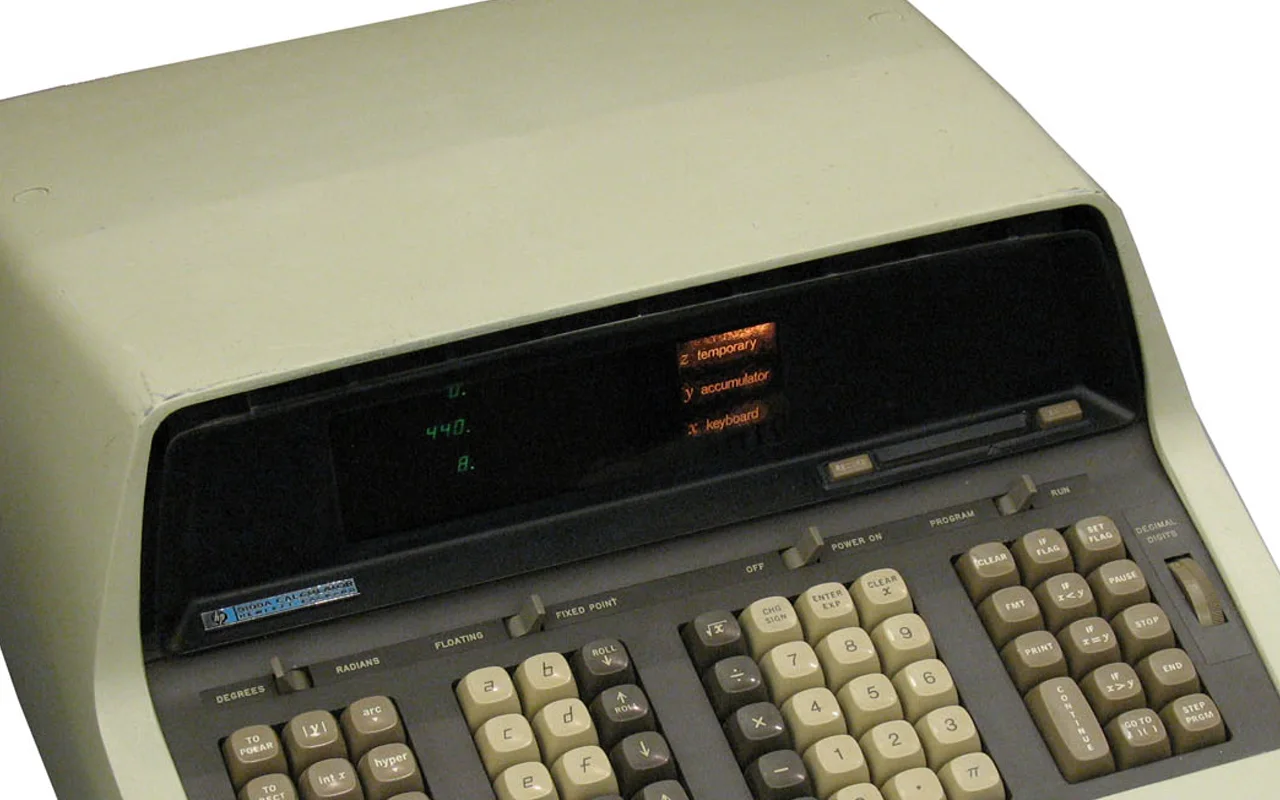
4 April 1986 CE · a documented protest within a longer classroom debate · AmericasTeachers protest classroom calculator policy

At an April 1986 mathematics-education meeting in Washington, a small group of teachers picketed recommendations supporting calculator access across school grades and argued that basic number skills should come first.

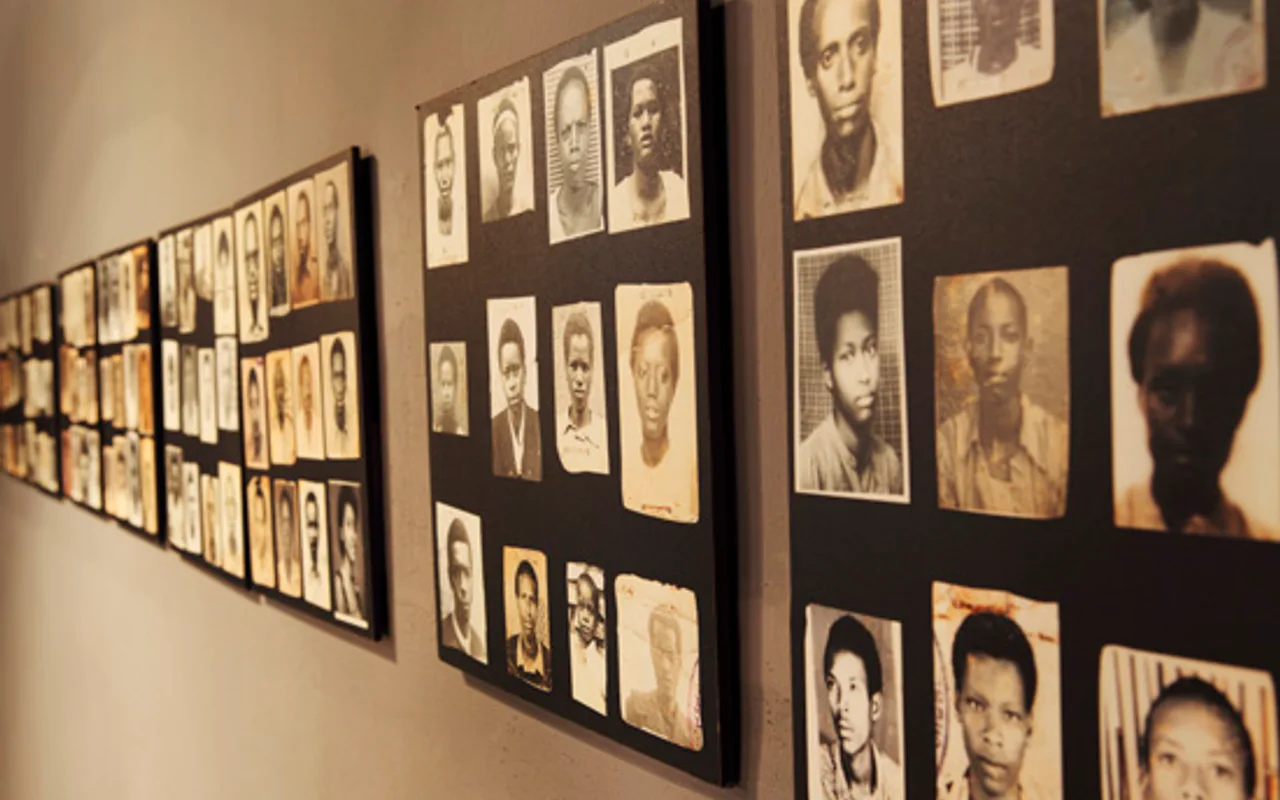
7 April–mid-July 1994 CE · genocide against the Tutsi and regional aftermath · AfricaRwandan genocide and regional aftermath

From 7 April to mid-July 1994, state authorities, armed forces, militias and mobilised civilians carried out genocide against the Tutsi in Rwanda and murdered Hutu and others who opposed it. The Rwandan Patriotic Front's military advance ended the genocidal regime.