ATLAS / ANCIENT—PRESENT
All historyHow Atlas is sourced← Back to Atlas
Back to Atlas timeline
Kigali Genocide Memorial.jpg

7 April–mid-July 1994 CE · genocide against the Tutsi and regional aftermath · Africa · Rights

Rwandan genocide and regional aftermath

From 7 April to mid-July 1994, state authorities, armed forces, militias and mobilised civilians carried out genocide against the Tutsi in Rwanda and murdered Hutu and others who opposed it. The Rwandan Patriotic Front's military advance ended the genocidal regime.

Atlas dossier · Cold War & Decolonization

Free device narration · synchronized English captions · transcript available

Why it matters

Colonial racial classification, post-independence persecution, civil war and organised extremist preparation shaped the genocide without making it inevitable. International failure, survivor testimony, justice, refugee flight and later wars in Congo belong to its regional aftermath without obscuring perpetrator and victim categories.

Date
7 April–mid-July 1994 CE · genocide against the Tutsi and regional aftermath
Historical setting
Cold War & Decolonization · Africa
People & communities
Tutsi survivors · murdered victims · Hutu opponents of genocide · rescuers · UN personnel · regional communities

Name the genocide and its organised perpetrators

From 7 April to mid-July 1994, national and local authorities, armed forces, Interahamwe and allied actors organised and carried out genocide against the Tutsi, while also murdering Hutu and others who opposed it. Describing generic ‘tribal violence’ erases political preparation, command and targeted victimhood.

United Nations: Rwanda historical background ↗

Colonial categories mattered without making genocide inevitable

German and Belgian rule hardened and racialised Hutu and Tutsi classifications, and post-independence regimes institutionalised exclusion and recurring violence. Civil war, extremist propaganda and the president's plane crash formed immediate contexts, but people still made choices to organise, participate, resist or rescue.

United States Holocaust Memorial Museum: Rwanda ↗

Ending the regime opened a regional aftermath

The Rwandan Patriotic Front's military advance ended the genocidal government. Vast refugee movements included survivors, civilians and perpetrators; armed groups and state interventions then contributed to wars in Congo. Regional consequences should be traced without blurring the genocide's specific targets or assigning collective guilt.

Academic research on Rwanda and the Great Lakes ↗

Illustrated sequence

A visual presentation accompanying this entry. Read each image’s attribution to distinguish archival records, later depictions and reconstructions.

Kigali Genocide Memorial.jpgEnlarge and examine the picture

Examine the picture

IMAGE 1

Legacy visual — rights review open

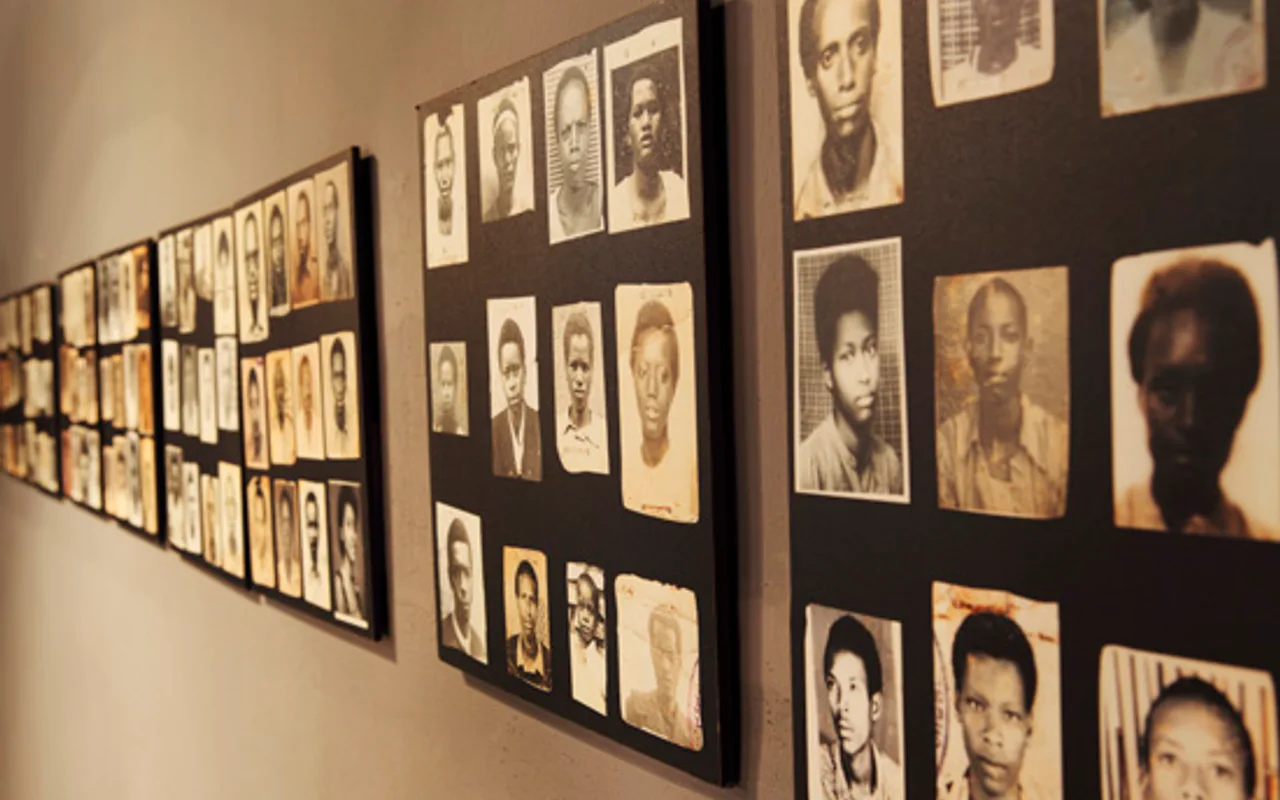
An exhibition room at the Kigali Genocide Memorial, photographed in 2012. This is a later memorial display, not a contemporaneous photograph of the 1994 killings.

Kigali Genocide Memorial.jpg - Commons credits Nelson.gashagaza; embedded metadata names Stuart Forster. Attribution remains unresolved. Source lists CC BY-SA 4.0; via Wikimedia Commons repository. Resized, cropped and converted to WebP for Atlas display.

Source and reuse terms ↗ · Read the licence ↗

Supplemental archival visual

A place of remembrance in Kigali

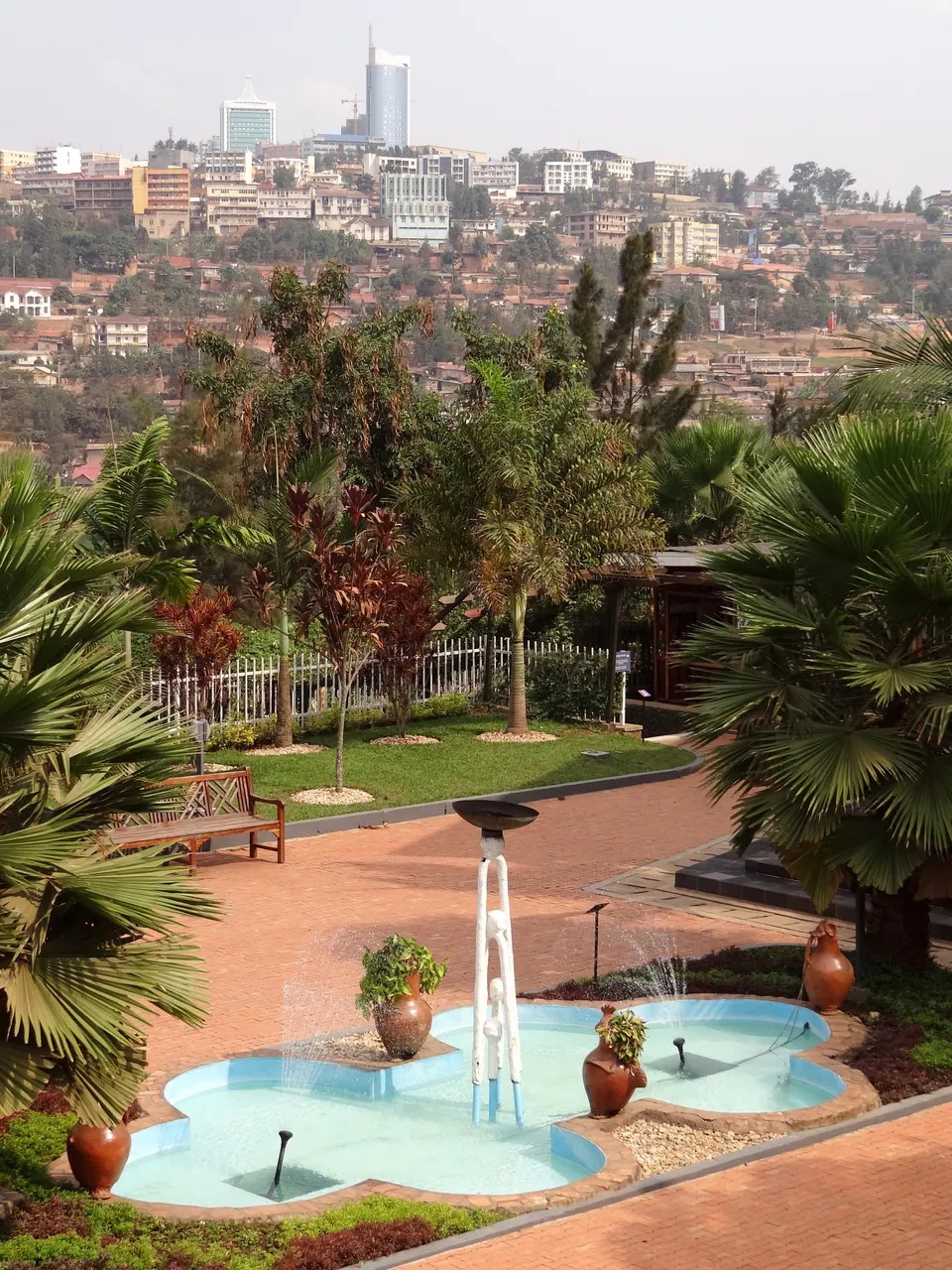
The landscaped grounds of the Kigali Genocide Memorial in 2012, with the city beyond. This is a later place of burial, remembrance and education, not a contemporaneous image of the 1994 killings.

Open the item page and rights record ↗Grounds of Kigali Genocide Memorial with City in the Distance — Adam Jones, Ph.D., 25 July 2012; CC BY-SA 3.0. Resized and converted to WebP for Atlas display.
Grounds of the Kigali Genocide Memorial — 2012 documentary photographEnlarge and examine the picture

Examine the picture

Grounds of the Kigali Genocide Memorial — 2012 documentary photograph · CC BY-SA 3.0

Interpretation note

Evidence, memory and historical debate

This dossier distinguishes the event’s basic chronology from later arguments about meaning, responsibility and legacy. When comparing religious, national, Indigenous or scholarly interpretations, consult the primary and institutional sources above alongside peer-reviewed historical work.

Elsewhere in the world

Parallel histories near this moment

1989–30 April 1993 CE · proposal, first public service and open release · GlobalWorld Wide Web opens

Tim Berners-Lee proposed a linked-information system at CERN in 1989; he and collaborators built a browser/editor, server, URLs, HTTP and HTML, and the first public website appeared in 1991. CERN's 30 April 1993 release put core Web software in the public domain.

24 April 1990 CE · launch; servicing and observation continue the history · GlobalHubble Space Telescope and deep-space vision

Hubble launched on 24 April 1990 with a flawed primary mirror; a 1993 servicing mission installed corrective optics. Later instruments, repeated servicing and worldwide analysis produced influential measurements and images of stars, galaxies and the expanding universe.

1990–April 2003 CE · international reference-sequence project · GlobalHuman Genome Project and genomics

The publicly funded Human Genome Project coordinated laboratories in several countries to map and sequence a composite human reference, releasing a working draft in 2000 and declaring the project substantially complete in April 2003.

Explore the connections

Khmer Rouge rule and mass atrocities in Cambodia →

Srebrenica: genocide, evidence and accountability →