ATLAS / ANCIENT—PRESENT
All historyHow Atlas is sourced← Back to Atlas
Back to Atlas timeline
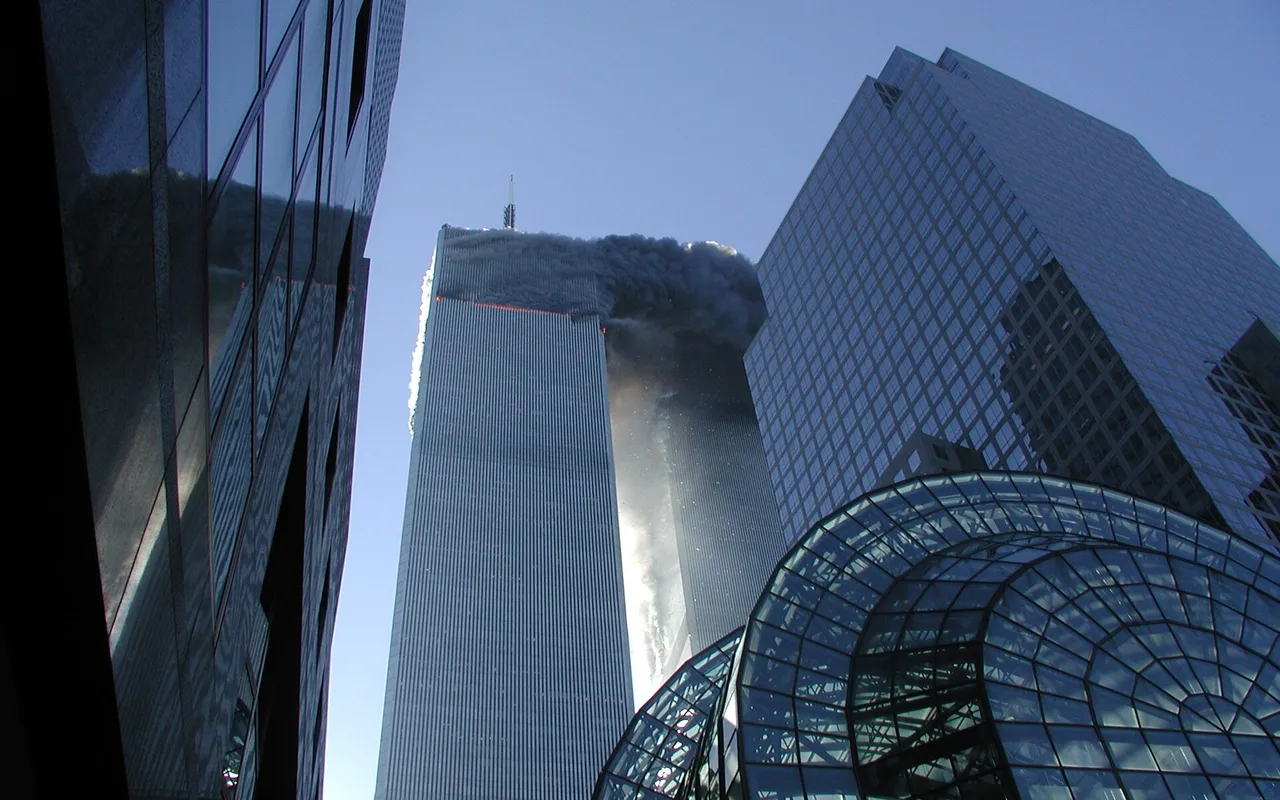
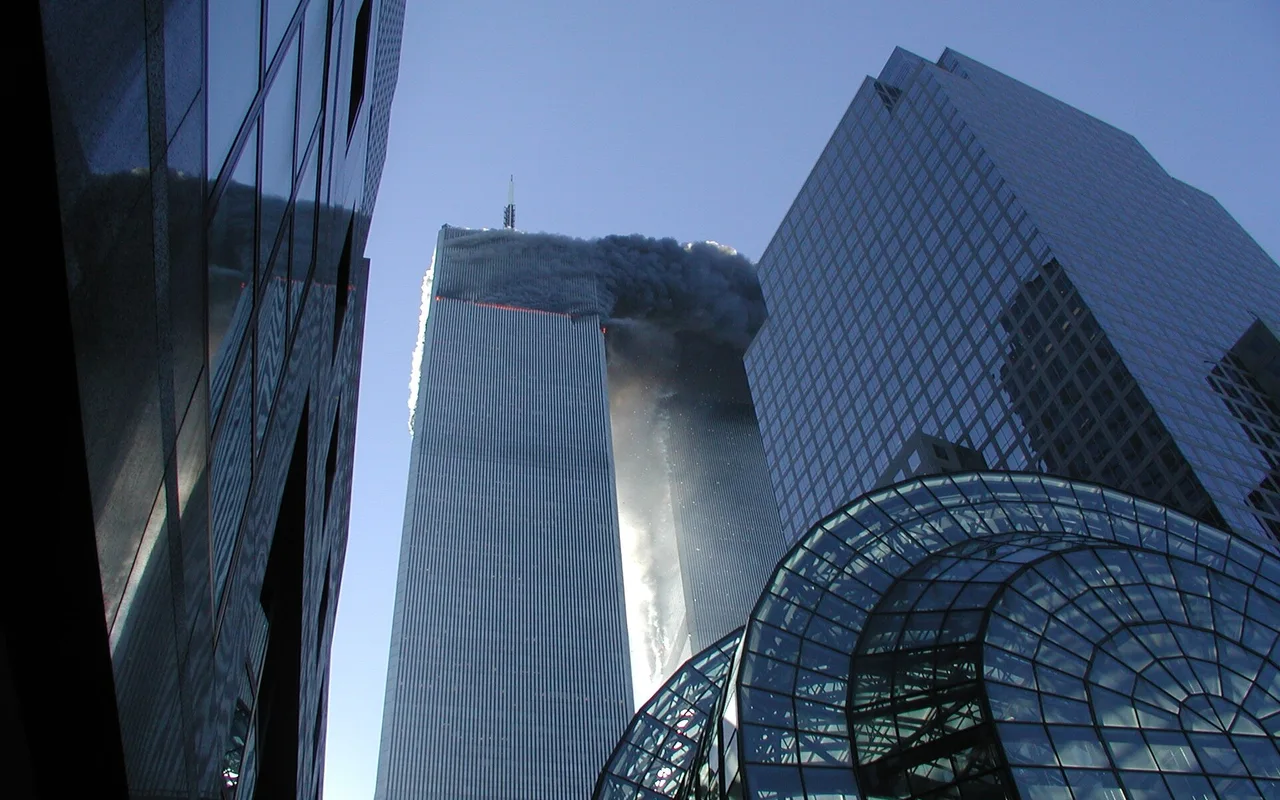
World Trade Center 9-11 P9110006.jpeg

11 September 2001–2021 CE · attacks and selected U.S.-led war phase · Global · War

September 11 and the global War on Terror

Al-Qaeda hijackers attacked New York and the Washington area on 11 September 2001 and killed nearly three thousand people. The U.S. invaded Afghanistan in October; the 2003 Iraq invasion followed within the wider 'War on Terror' even though Iraq was not operationally responsible for the attacks.

Atlas dossier · Digital & Global Age

Free device narration · synchronized English captions · transcript available

Why it matters

Counterterrorism expanded war, detention, torture, targeted killing, surveillance and border powers across many countries. Civilian harm, displacement, military and first-responder health, Islamophobia, legal contest and local political histories resist a simple 2001–2021 victory narrative.

Date
11 September 2001–2021 CE · attacks and selected U.S.-led war phase
Historical setting
Digital & Global Age · Global
People & communities
Victims and families · first responders · Afghan and Iraqi civilians · soldiers · journalists · displaced people
The attacks and later wars are not one event

Al-Qaeda hijackers attacked the World Trade Center and Pentagon; a fourth plane crashed in Pennsylvania after passengers resisted. The United States invaded Afghanistan in October 2001. Iraq was invaded in March 2003 but was not operationally responsible for 9/11, so grouping it under the War on Terror cannot imply such a link.

U.S. National Archives: September 11 research

Nearly three thousand individual lives were lost

Victims included passengers and crews, office and service workers, visitors, first responders and people from many countries. Later illness among responders and exposed communities extended the human cost. Memorial objects and images should serve individual and family histories, not turn the attacks into spectacle.

Library of Congress research shelf: September 11

2021 is a selected war boundary, not a clean ending

The U.S. withdrawal from Afghanistan in 2021 ended one major deployment phase. Counterterrorism operations, detention, surveillance and legal authorities continued elsewhere, while Afghan and Iraqi communities lived with displacement and political consequences. The history includes torture, civilian harm, Islamophobia and contested security claims.

Academic research on September 11 and the War on Terror

Illustrated sequence

A visual presentation accompanying this entry. Read each image’s attribution to distinguish archival records, later depictions and reconstructions.

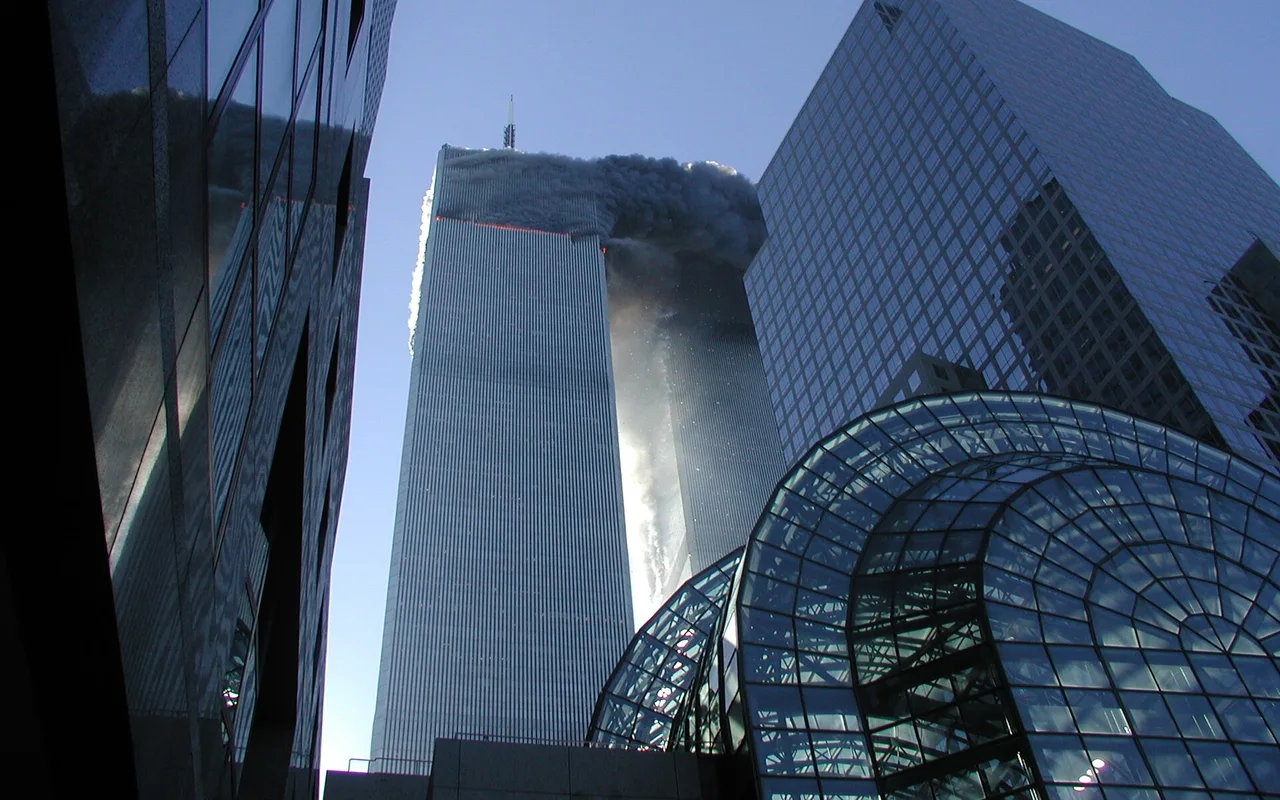
World Trade Center 9-11 P9110006.jpeg
IMAGE 1

Visual record

A September 11, 2001 photograph credited to Kenneth Gross and distributed through a NIST records release. The release history is recorded on the linked item page.

World Trade Center 9-11 P9110006.jpeg — Kenneth Gross, NIST; public domain as a United States federal government work under 17 U.S.C. §105. Resized, cropped and converted to WebP for Atlas display.

Source and reuse terms ↗ · Read the licence ↗

Interpretation note

Evidence, memory and historical debate

This dossier distinguishes the event’s basic chronology from later arguments about meaning, responsibility and legacy. When comparing religious, national, Indigenous or scholarly interpretations, consult the primary and institutional sources above alongside peer-reviewed historical work.

Elsewhere in the world

Parallel histories near this moment

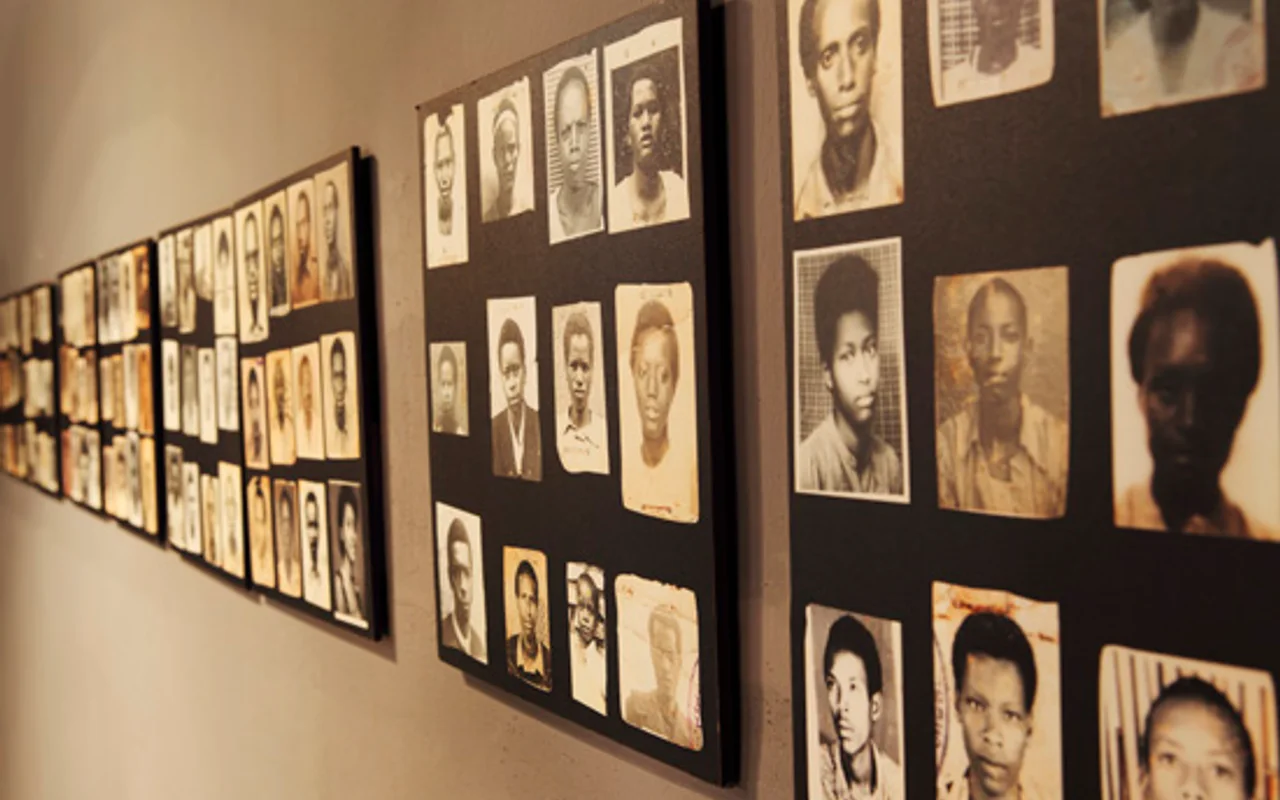
7 April–mid-July 1994 CE · genocide against the Tutsi and regional aftermath · AfricaRwandan genocide and regional aftermath

From 7 April to mid-July 1994, state authorities, armed forces, militias and mobilised civilians carried out genocide against the Tutsi in Rwanda and murdered Hutu and others who opposed it. The Rwandan Patriotic Front's military advance ended the genocidal regime.

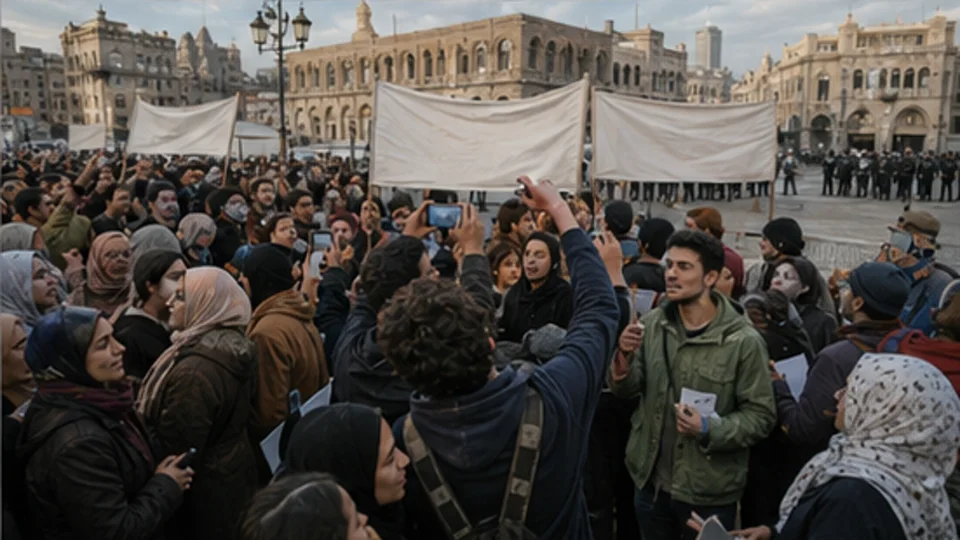
17 December 2010–2012 CE · selected opening phase of diverse uprisings · Middle EastArab uprisings

After Mohamed Bouazizi's self-immolation in Tunisia on 17 December 2010, mass protests challenged authoritarian governments across North Africa and the Middle East. Grievances, coalitions, state responses and outcomes differed sharply by country.

2012–2018 CE · programmable Cas9 and a germline-ethics rupture · AmericasCRISPR gene editing

Research on repeated microbial DNA and bacterial adaptive immunity preceded the 2012 demonstration that CRISPR-Cas9 could be programmed to cut selected DNA. Many laboratories then adapted CRISPR systems for cells, organisms, diagnostics and treatment research.