ATLAS / ANCIENT—PRESENT
All historyHow Atlas is sourced← Back to Atlas
Back to Atlas timeline
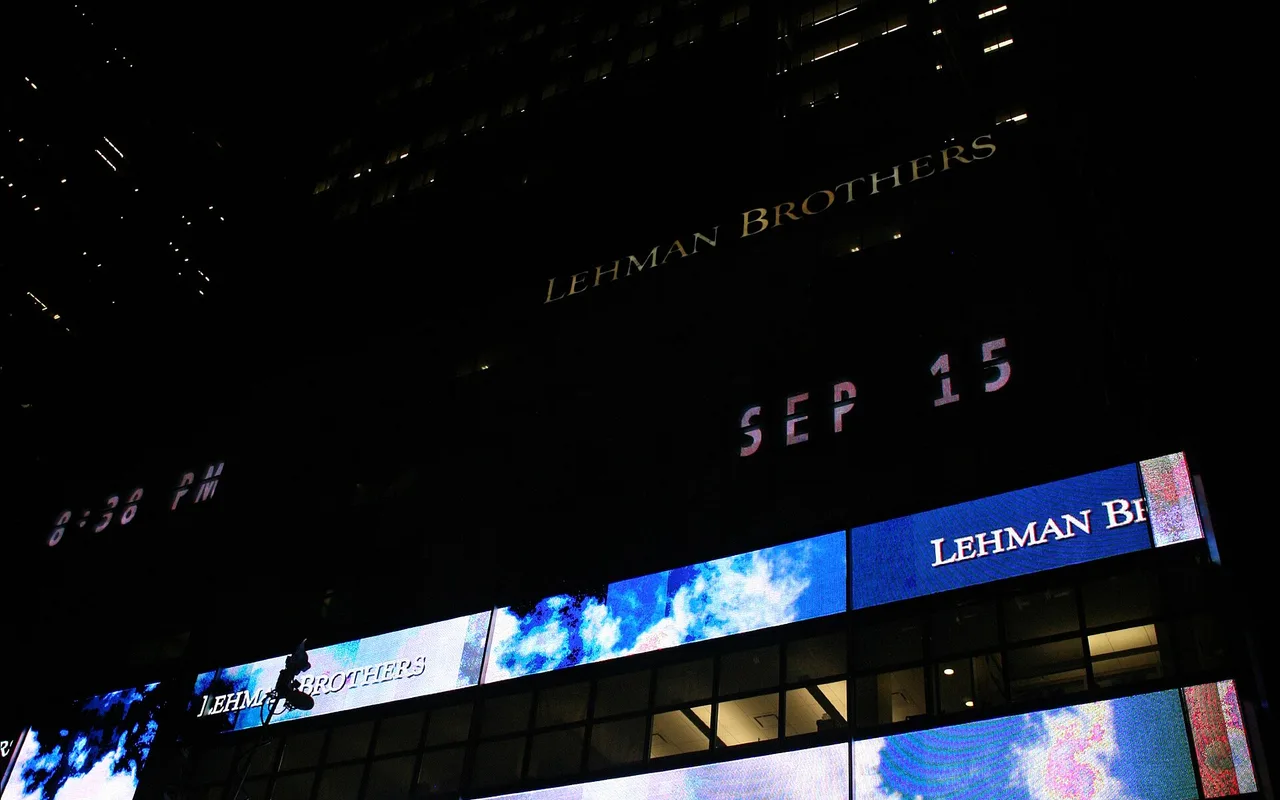
Lehman Brothers-20080915.jpg

2007–2012 CE · housing and credit crisis through uneven aftermath · Global · Trade

Global financial crisis and its aftermath

Falling U.S. house prices exposed risky mortgages, securitisation, leverage and fragile short-term funding. Losses spread through interconnected banks and markets; the September 2008 failure of Lehman Brothers marked an acute phase, not the beginning or whole cause of the crisis.

Atlas dossier · Digital & Global Age

Free device narration · synchronized English captions · transcript available

Why it matters

Emergency lending, guarantees, rescues, stimulus, austerity and regulatory reform distributed costs and recovery unevenly. Foreclosure, unemployment and public debt reshaped politics, while the euro-area crisis followed its own institutional path beyond a single 2012 endpoint.

Date
2007–2012 CE · housing and credit crisis through uneven aftermath
Historical setting
Digital & Global Age · Global
People & communities
Homeowners · borrowers · bank workers · regulators · taxpayers · unemployed people · central banks
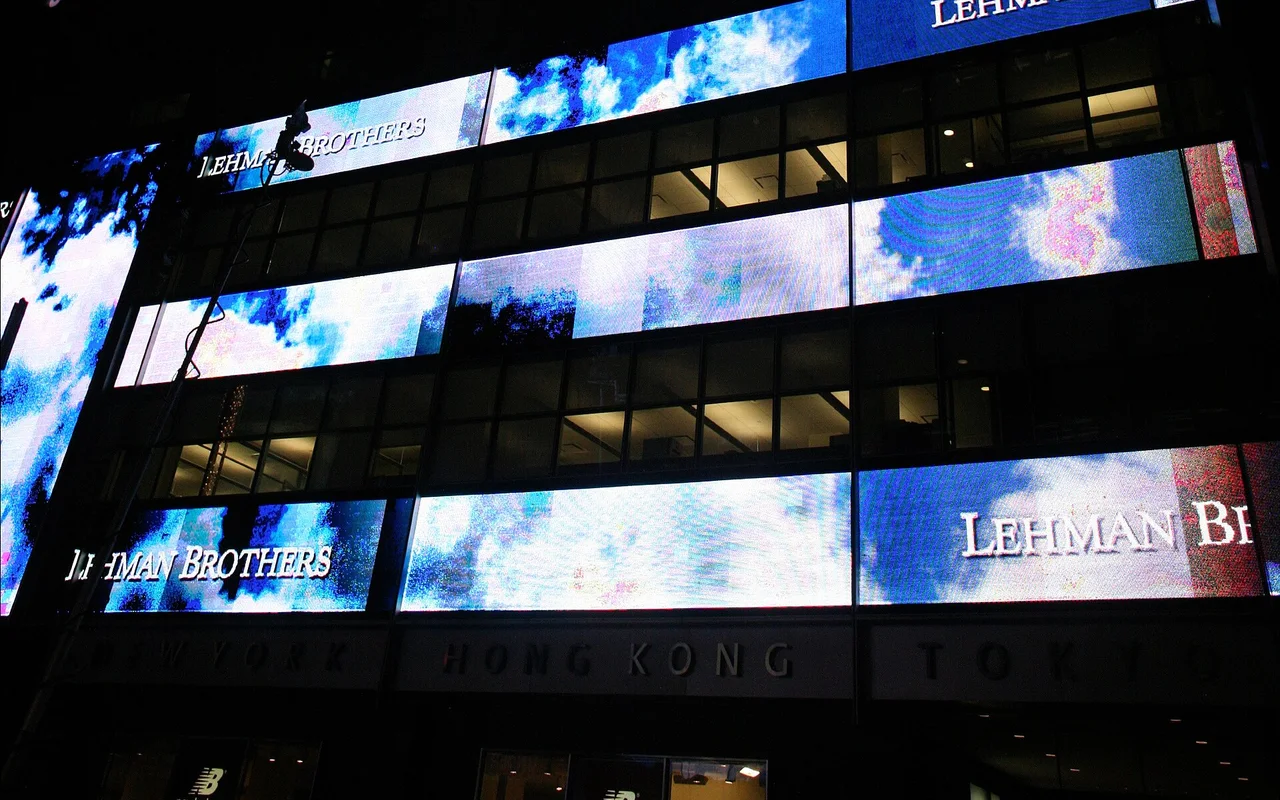
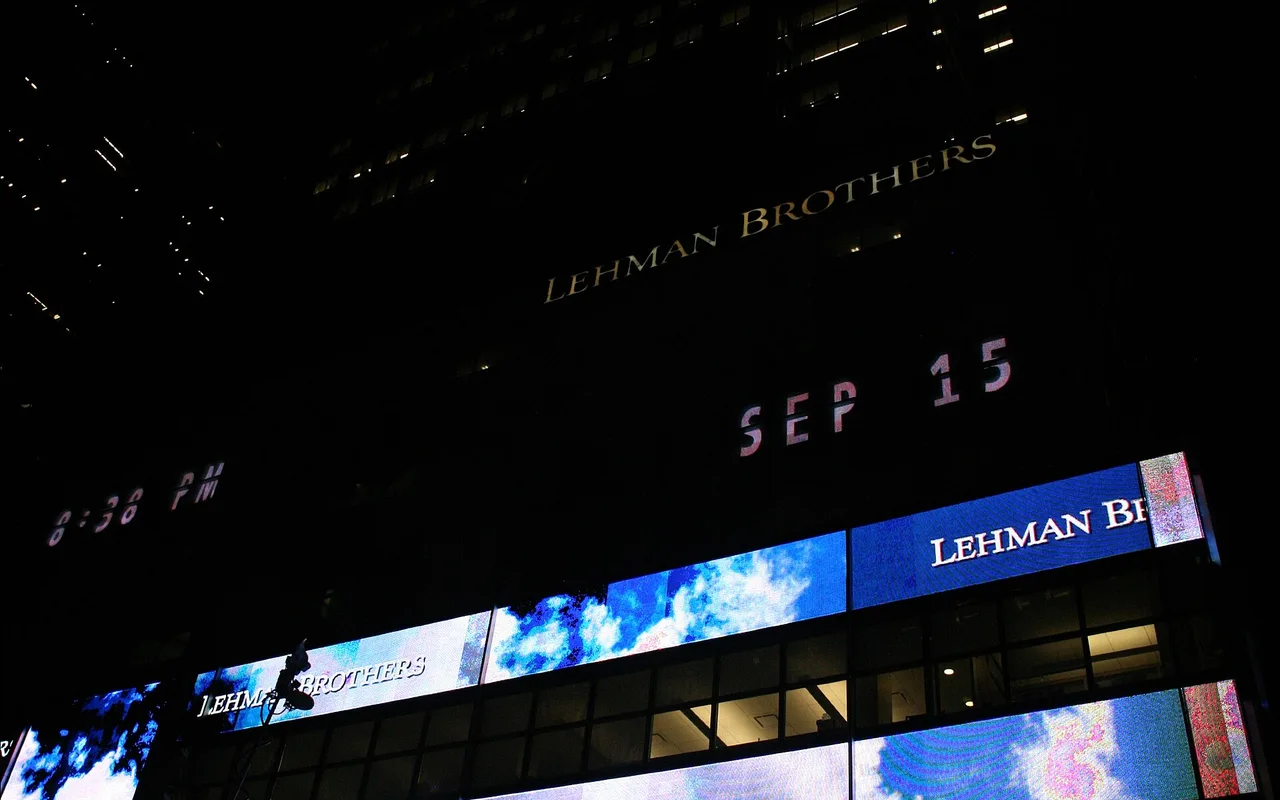
Lehman was an acute threshold, not the whole cause

The U.S. housing reversal exposed risky underwriting, securitisation, leverage, derivatives and dependence on short-term funding. Failures and rescues began before Lehman Brothers collapsed in September 2008, and contagion travelled through institutions and markets whose vulnerabilities had accumulated over years.

Federal Reserve History: the Great Recession

Rescue and recession were distributed unevenly

Central banks and governments supplied liquidity, guarantees, capital and stimulus to prevent deeper collapse. Households still faced foreclosure, unemployment and lost wealth, with unequal racial and regional effects. Stabilising finance and compensating harmed communities were not the same policy task.

International Monetary Fund: World Economic Outlook, 2009

The aftermath followed several timelines

Some economies recovered sooner while austerity, sovereign-debt crises and weak wage growth lasted longer elsewhere. Reforms changed capital, resolution and consumer rules but did not eliminate systemic risk. The 2012 endpoint is a review boundary, not a universal recovery date.

Academic research on the global financial crisis

Illustrated sequence

A visual presentation accompanying this entry. Read each image’s attribution to distinguish archival records, later depictions and reconstructions.

Lehman Brothers-20080915.jpg
IMAGE 1

Visual record

Lehman Brothers’ New York headquarters on 15 September 2008, photographed by Robert Scoble.

Lehman Brothers-20080915.jpg — Robert Scoble; CC BY 2.0; via Wikimedia Commons, verified Flickr source. Resized, cropped and converted to WebP for Atlas display.

Source and reuse terms ↗ · Read the licence ↗

Interpretation note

Evidence, memory and historical debate

This dossier distinguishes the event’s basic chronology from later arguments about meaning, responsibility and legacy. When comparing religious, national, Indigenous or scholarly interpretations, consult the primary and institutional sources above alongside peer-reviewed historical work.

Elsewhere in the world

Parallel histories near this moment

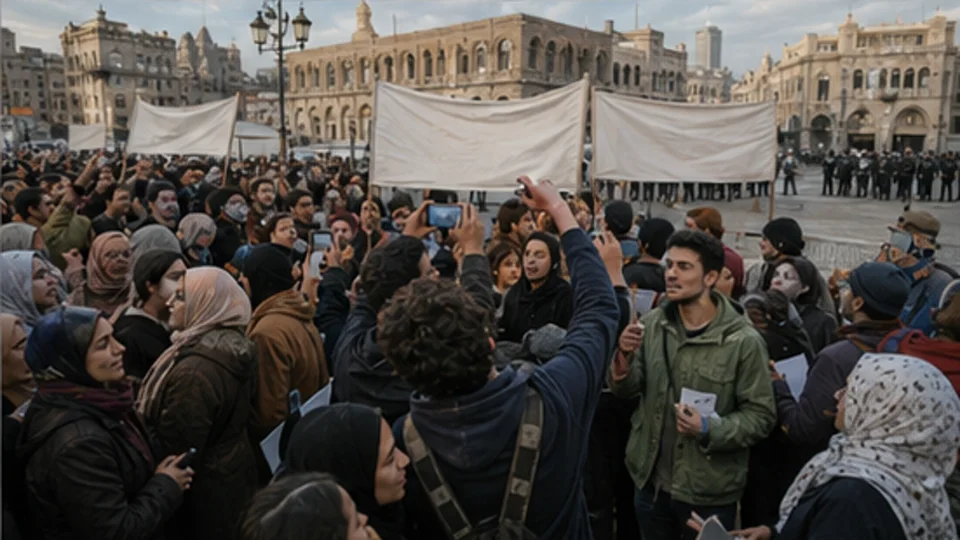
17 December 2010–2012 CE · selected opening phase of diverse uprisings · Middle EastArab uprisings

After Mohamed Bouazizi's self-immolation in Tunisia on 17 December 2010, mass protests challenged authoritarian governments across North Africa and the Middle East. Grievances, coalitions, state responses and outcomes differed sharply by country.

2012–2018 CE · programmable Cas9 and a germline-ethics rupture · AmericasCRISPR gene editing

Research on repeated microbial DNA and bacterial adaptive immunity preceded the 2012 demonstration that CRISPR-Cas9 could be programmed to cut selected DNA. Many laboratories then adapted CRISPR systems for cells, organisms, diagnostics and treatment research.

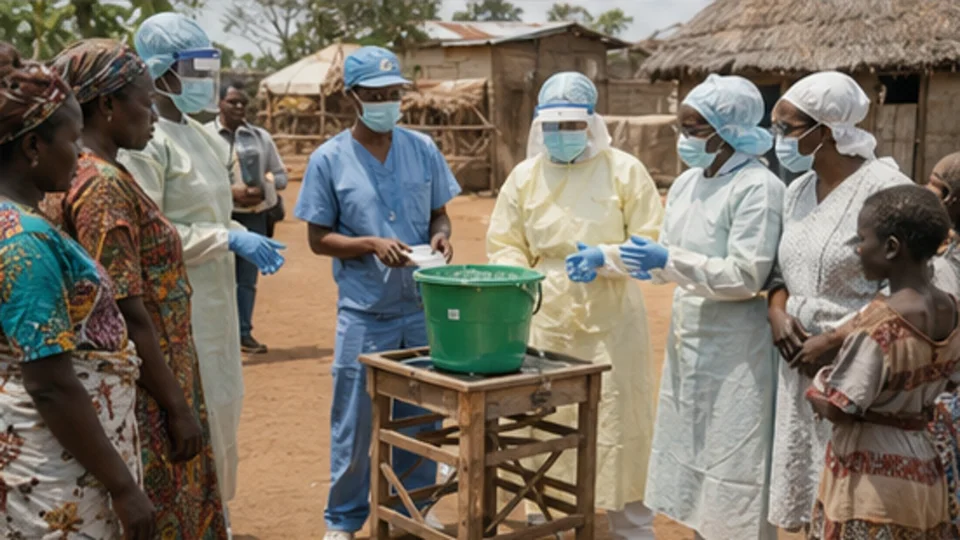
December 2013–June 2016 CE · outbreak, emergency declaration and final transmission chains · AfricaWest African Ebola epidemic

The largest recorded Ebola outbreak began in Guinea and spread principally through Liberia and Sierra Leone. WHO declared a Public Health Emergency of International Concern in August 2014; transmission chains were interrupted through local care, surveillance, safer burials, community adaptation and international support, with the outbreak declared over in June 2016.

Explore the connections

Panama Canal: engineering, labour and sovereignty