ATLAS / ANCIENT—PRESENT
All historyHow Atlas is sourced← Back to Atlas
Back to Atlas timeline
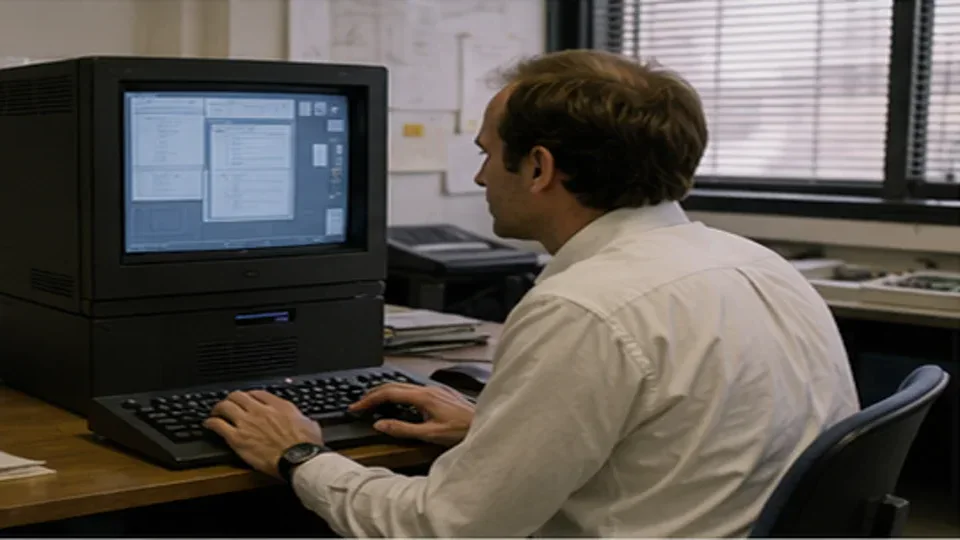
World Wide Web opens — original Atlas editorial reconstruction

1989–30 April 1993 CE · proposal, first public service and open release · Global · Technology

World Wide Web opens

Tim Berners-Lee proposed a linked-information system at CERN in 1989; he and collaborators built a browser/editor, server, URLs, HTTP and HTML, and the first public website appeared in 1991. CERN's 30 April 1993 release put core Web software in the public domain.

Atlas dossier · Digital & Global Age

Free device narration · synchronized English captions · transcript available

Why it matters

The Web used the older internet rather than inventing it. Open standards encouraged global publishing and research, while browsers, networks, institutions and users shaped later commerce, participation, surveillance, platform concentration and unequal access.

Date
1989–30 April 1993 CE · proposal, first public service and open release
Historical setting
Digital & Global Age · Global
People & communities
Tim Berners-Lee · Robert Cailliau · CERN colleagues · standards communities · browser and server developers · publishers · global users

The Web is not the internet

The internet's packet-switched networks and protocols existed before the Web. Berners-Lee's proposal joined hypertext to internet addressing and transfer through URLs, HTTP and HTML, while the first browser was also an editor. This distinction keeps network infrastructure separate from a service built on it.

CERN: The birth of the Web

Opening happened in stages

The proposal dates to 1989, the first server and browser to 1990 and the first public website to 1991. On 30 April 1993 CERN released core Web software into the public domain, enabling implementation without royalties. Browsers, standards groups, servers and publishers then drove adoption beyond one inventor or laboratory.

Library of Congress: World Wide Web research collection

Openness did not guarantee equality

The Web lowered some barriers to publishing and linking while access still depended on networks, devices, literacy, language and policy. Later search engines and platforms concentrated attention, data and advertising power. Those outcomes were shaped by business and governance choices, not contained inevitably in the 1989 proposal.

Academic research on Web history

Illustrated sequence

Silent pan-and-zoom motion derivative of the World Wide Web opens reconstruction; not archival footage.

World Wide Web opens — original Atlas editorial reconstruction
IMAGE 1

Original Atlas reconstruction

Primary Atlas editorial reconstruction for World Wide Web opens.

World History in Pictures · Public site artwork. This record does not grant third-party republication rights.

How Atlas classifies this artwork →
World Wide Web opens: people and action
IMAGE 2

Supporting Atlas reconstruction

Supporting Atlas reconstruction within the same World Wide Web opens editorial package; not an independent archival record.

World History in Pictures · Same editorial artwork package

How Atlas classifies this artwork →
World Wide Web opens: setting and consequences
IMAGE 3

Context crop — same artwork

Context crop from the same World Wide Web opens reconstruction; not an independent historical record.

World History in Pictures · Same editorial artwork package

How Atlas classifies this artwork →

Interpretation note

Evidence, memory and historical debate

This dossier distinguishes the event’s basic chronology from later arguments about meaning, responsibility and legacy. When comparing religious, national, Indigenous or scholarly interpretations, consult the primary and institutional sources above alongside peer-reviewed historical work.

Elsewhere in the world
Parallel histories near this moment

7 April–mid-July 1994 CE · genocide against the Tutsi and regional aftermath · AfricaRwandan genocide and regional aftermath

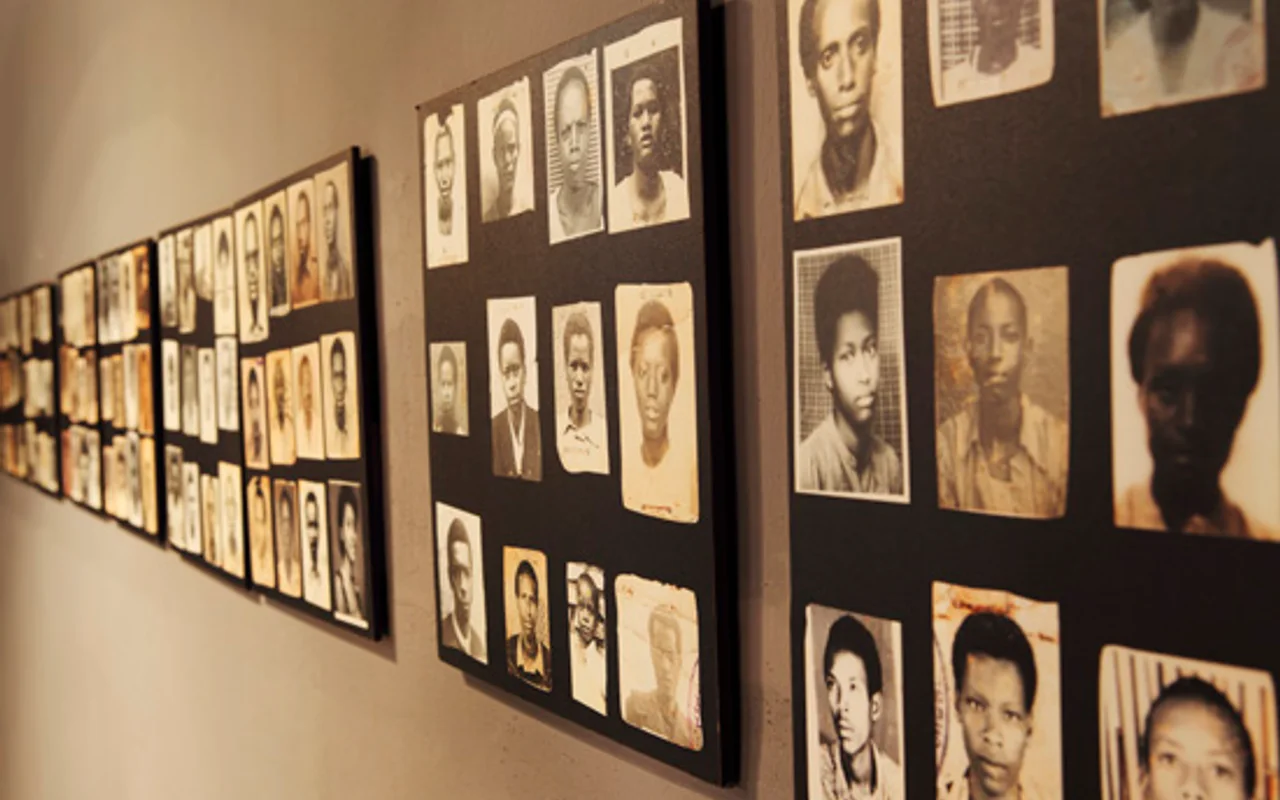
From 7 April to mid-July 1994, state authorities, armed forces, militias and mobilised civilians carried out genocide against the Tutsi in Rwanda and murdered Hutu and others who opposed it. The Rwandan Patriotic Front's military advance ended the genocidal regime.

26 April 1986 CE · reactor explosion, evacuation and continuing consequences · EuropeChernobyl and nuclear safety

Reactor 4 at the Chernobyl nuclear power station was destroyed during a late-night safety test on 26 April 1986. RBMK reactor vulnerabilities, unsafe operating decisions and a deficient safety culture combined in an explosion and fire that released radioactive material across borders.

4 April 1986 CE · a documented protest within a longer classroom debate · AmericasTeachers protest classroom calculator policy

At an April 1986 mathematics-education meeting in Washington, a small group of teachers picketed recommendations supporting calculator access across school grades and argued that basic number skills should come first.