ATLAS / ANCIENT—PRESENT
All historyHow Atlas is sourced← Back to Atlas
Back to Atlas timeline
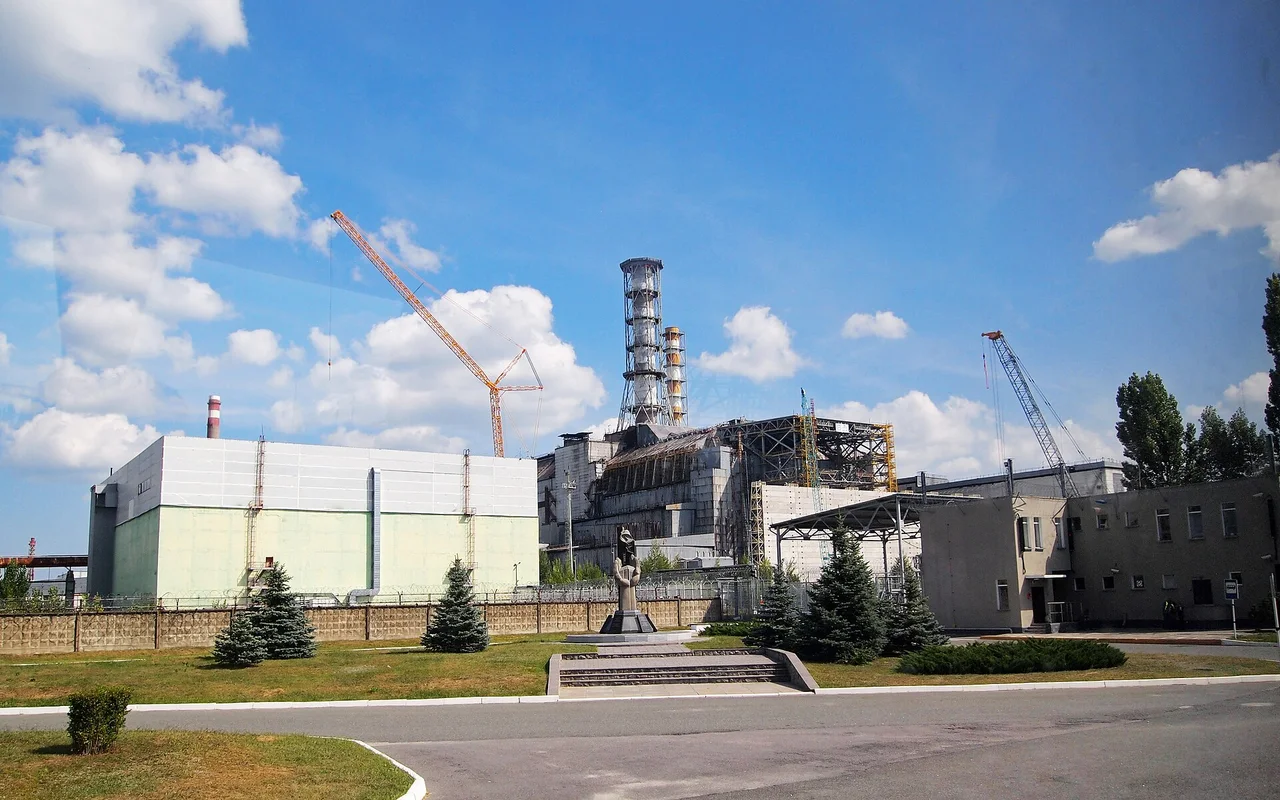
Chernobyl nuclear plant.jpg

26 April 1986 CE · reactor explosion, evacuation and continuing consequences · Europe · Science

Chernobyl and nuclear safety

Reactor 4 at the Chernobyl nuclear power station was destroyed during a late-night safety test on 26 April 1986. RBMK reactor vulnerabilities, unsafe operating decisions and a deficient safety culture combined in an explosion and fire that released radioactive material across borders.

Atlas dossier · Cold War & Decolonization

Free device narration · synchronized English captions · transcript available

Why it matters

Plant workers and firefighters faced acute danger, Pripyat was evacuated the next day and hundreds of thousands of people took part in containment and cleanup. Long-term health evidence is strongest for thyroid cancer among those exposed young; other estimates require explicit uncertainty rather than one total.

Date
26 April 1986 CE · reactor explosion, evacuation and continuing consequences
Historical setting
Cold War & Decolonization · Europe
People & communities
Plant workers · firefighters · Pripyat residents · liquidators · doctors · radiation scientists

Design, operation and institutions interacted

The explosion during a safety test was not adequately explained as one operator mistake. RBMK reactor characteristics, operation at unstable low power, disabled protections, procedural breaches and a weak safety culture combined. The Soviet system’s initial secrecy worsened public risk and distrust.

International Atomic Energy Agency: Chernobyl ↗

Consequences require categories and uncertainty

Workers and firefighters suffered acute radiation exposure, nearby residents were evacuated and large populations received lower, uneven doses. Increased thyroid cancer among people exposed as children or adolescents is the clearest long-term radiological effect. Other health totals vary with methods and should not be compressed into a single certain number.

World Health Organization: Chernobyl health effects ↗

Containment did not end the history

Liquidators, displaced communities, health workers, scientists and later confinement projects belong inside the account. The accident changed reactor operation, emergency planning, international notification and public debate, while environmental, social and political consequences continue beyond 1986.

Academic research on Chernobyl ↗

Illustrated sequence

A visual presentation accompanying this entry. Read each image’s attribution to distinguish archival records, later depictions and reconstructions.

Interpretation note

Evidence, memory and historical debate

This dossier distinguishes the event’s basic chronology from later arguments about meaning, responsibility and legacy. When comparing religious, national, Indigenous or scholarly interpretations, consult the primary and institutional sources above alongside peer-reviewed historical work.

Elsewhere in the world

Parallel histories near this moment

4 April 1986 CE · a documented protest within a longer classroom debate · AmericasTeachers protest classroom calculator policy

At an April 1986 mathematics-education meeting in Washington, a small group of teachers picketed recommendations supporting calculator access across school grades and argued that basic number skills should come first.

16 September 1987 CE · treaty signed; recovery remains in progress · GlobalMontreal Protocol and ozone recovery

Countries signed the Montreal Protocol on 16 September 1987 to control the production and consumption of ozone-depleting substances; it entered into force in 1989 and was strengthened through later adjustments and amendments.

1988–2026 CE · assessment, treaty and action milestones · GlobalGlobal climate science and action

The IPCC’s creation in 1988 anchors a longer history of greenhouse-gas measurement and modelling. Its assessments, the 1992 UN climate convention, the 2015 Paris Agreement and public movements are distinct milestones in evidence, negotiation and action.