ATLAS / ANCIENT—PRESENT
All historyHow Atlas is sourced← Back to Atlas
Back to Atlas timeline
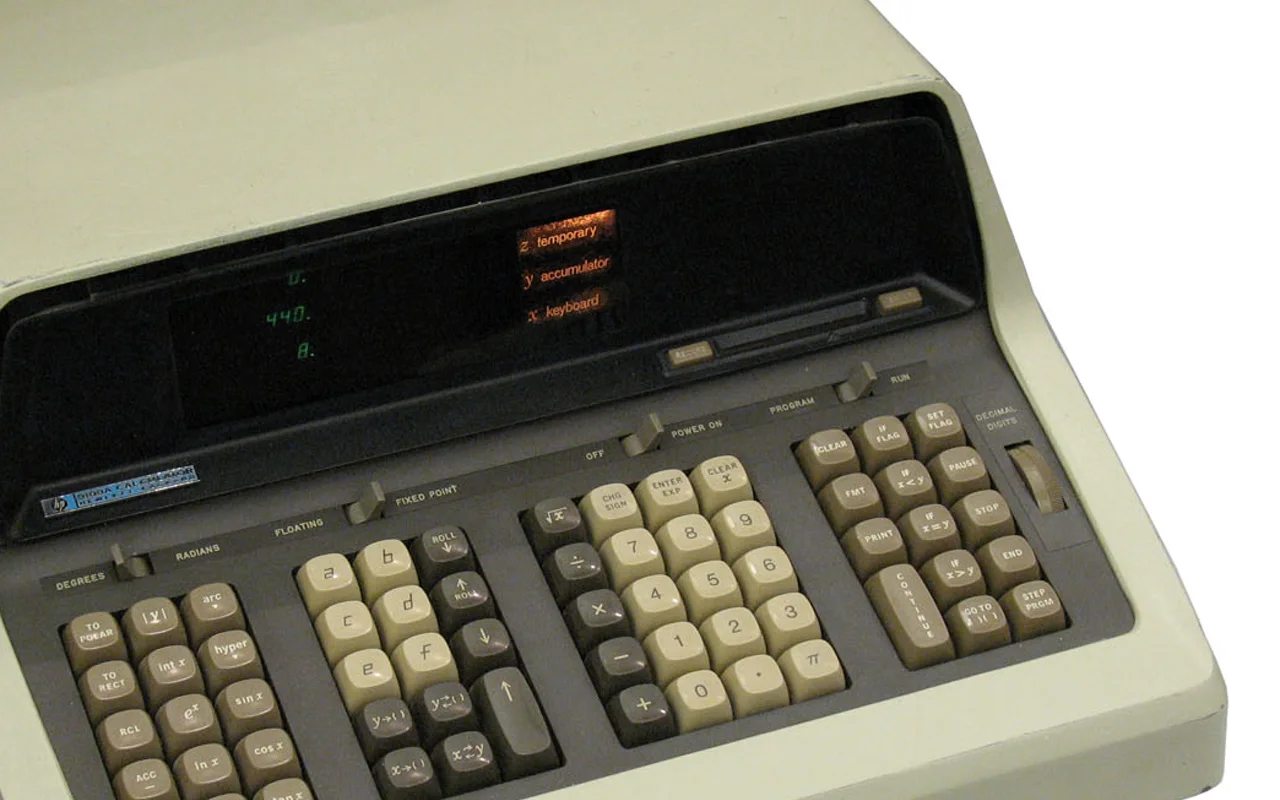
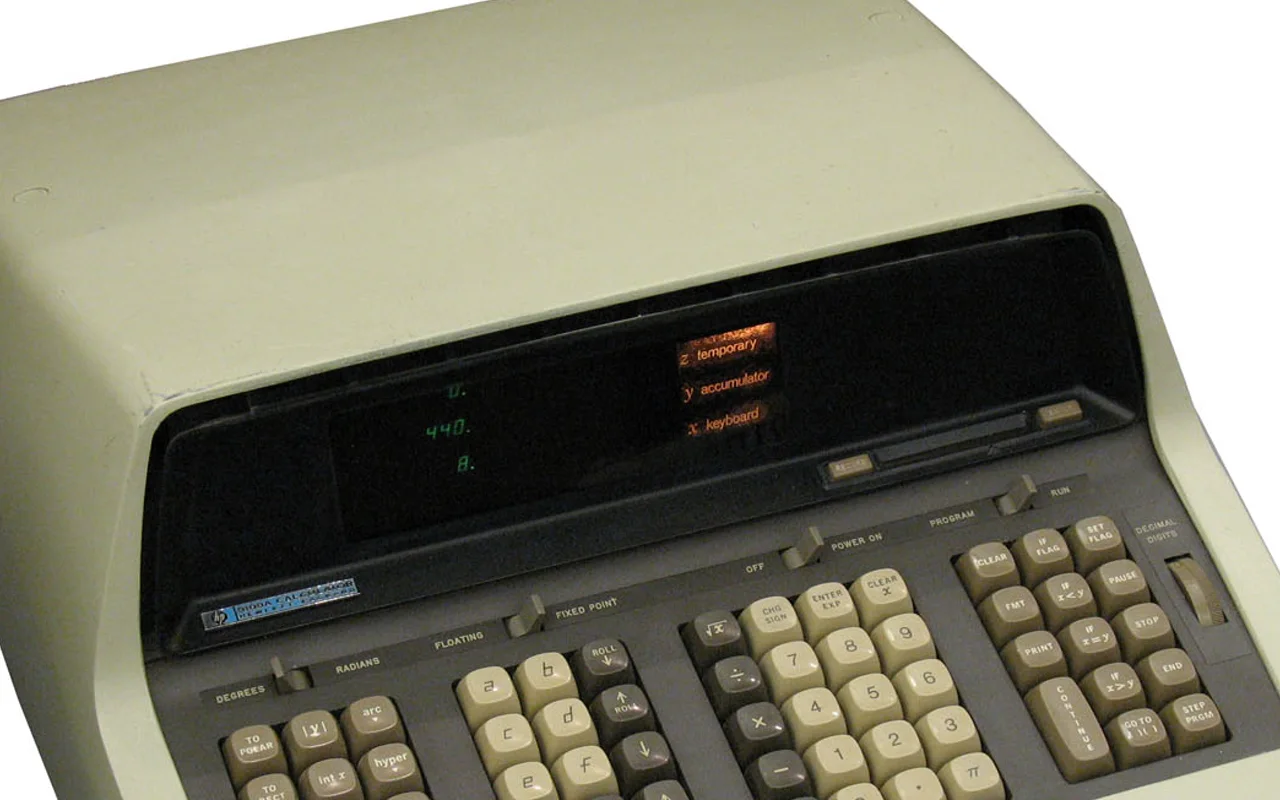
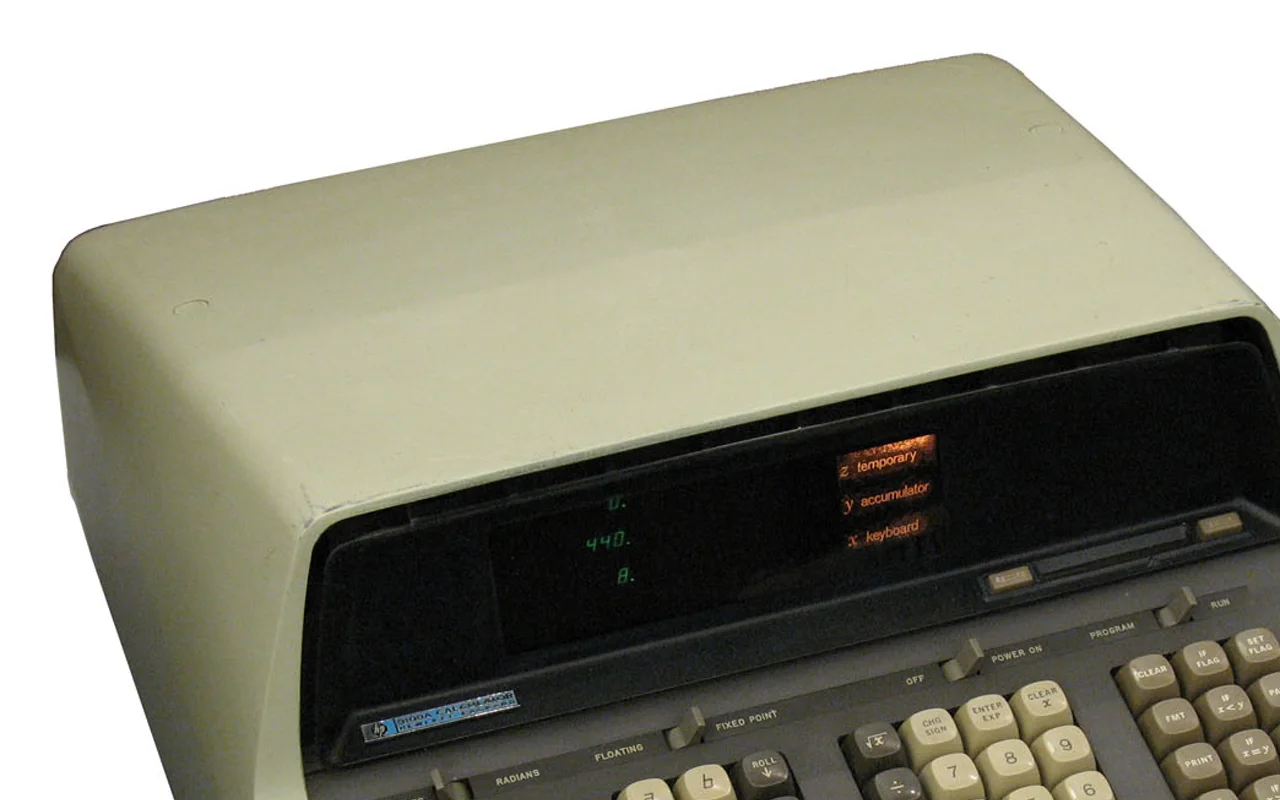
HP 9100A calculator

4 April 1986 CE · a documented protest within a longer classroom debate · Americas · Technology

Teachers protest classroom calculator policy

At an April 1986 mathematics-education meeting in Washington, a small group of teachers picketed recommendations supporting calculator access across school grades and argued that basic number skills should come first.

Atlas dossier · Digital & Global Age

Free device narration · synchronized English captions · transcript available

Why it matters

The protest documents a recurring curriculum dispute; it does not by itself prove that calculators improve or damage learning, represent every teacher or establish a direct equivalence with later AI systems.

Date
4 April 1986 CE · a documented protest within a longer classroom debate
Historical setting
Digital & Global Age · Americas
People & communities
Mathematics teachers · John Saxon · National Council of Teachers of Mathematics · students · parents
A small documented protest, not a profession-wide verdict

The Washington Post reported a 4 April 1986 picket by a small group outside a National Council of Teachers of Mathematics meeting. Their signs and statements document opposition to calculator recommendations; they do not establish that all teachers agreed or that one meeting settled classroom policy.

Washington Post: a calculated protest

The object changed before the argument ended

Electronic calculators became smaller, cheaper and more capable during the 1970s and 1980s. Questions about mental arithmetic, conceptual understanding, access and appropriate tasks therefore changed with the devices and curricula; a calculator’s presence is not evidence of how it was taught.

Smithsonian: handheld electronic calculators

Analogy to AI has limits

Both debates ask what learners should understand without assistance and when a tool deepens or bypasses reasoning. Calculators and generative AI nevertheless differ in output, opacity, error, data collection and authorship. The 1986 episode is a comparison point, not proof that their educational effects are identical.

Academic research on calculators and mathematics education

Illustrated sequence

A visual presentation accompanying this entry. Read each image’s attribution to distinguish archival records, later depictions and reconstructions.

HP 9100A calculator
IMAGE 1

Visual record

An HP 9100A calculator photographed at a museum display in 2007. This illustrates the technology; it does not depict the 1986 classroom-policy dispute.

HP 9100A calculator — Michael Holley; Public Domain; via Computer History Museum / Wikimedia Commons. Resized, cropped and converted to WebP for Atlas display.

Source and reuse terms ↗

Interpretation note

Evidence, memory and historical debate

This dossier distinguishes the event’s basic chronology from later arguments about meaning, responsibility and legacy. When comparing religious, national, Indigenous or scholarly interpretations, consult the primary and institutional sources above alongside peer-reviewed historical work.

Elsewhere in the world

Parallel histories near this moment

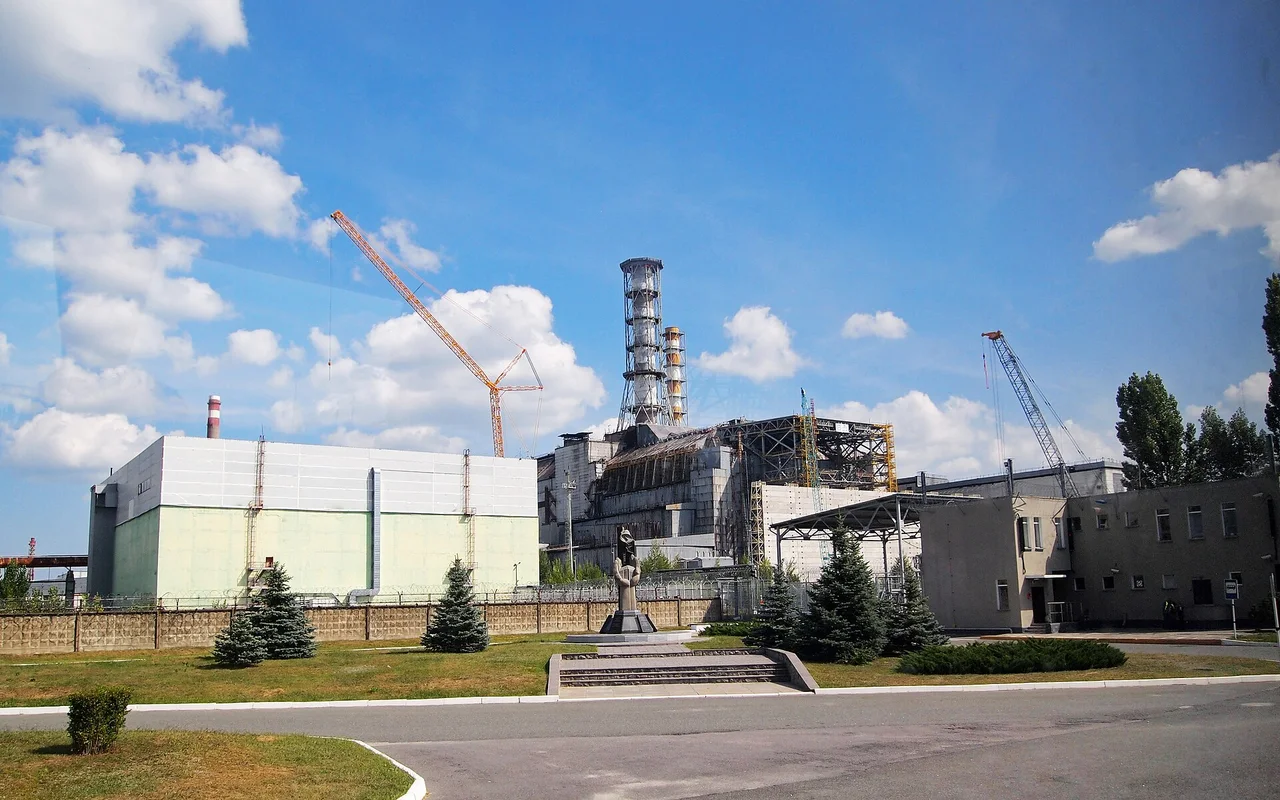
26 April 1986 CE · reactor explosion, evacuation and continuing consequences · EuropeChernobyl and nuclear safety

Reactor 4 at the Chernobyl nuclear power station was destroyed during a late-night safety test on 26 April 1986. RBMK reactor vulnerabilities, unsafe operating decisions and a deficient safety culture combined in an explosion and fire that released radioactive material across borders.

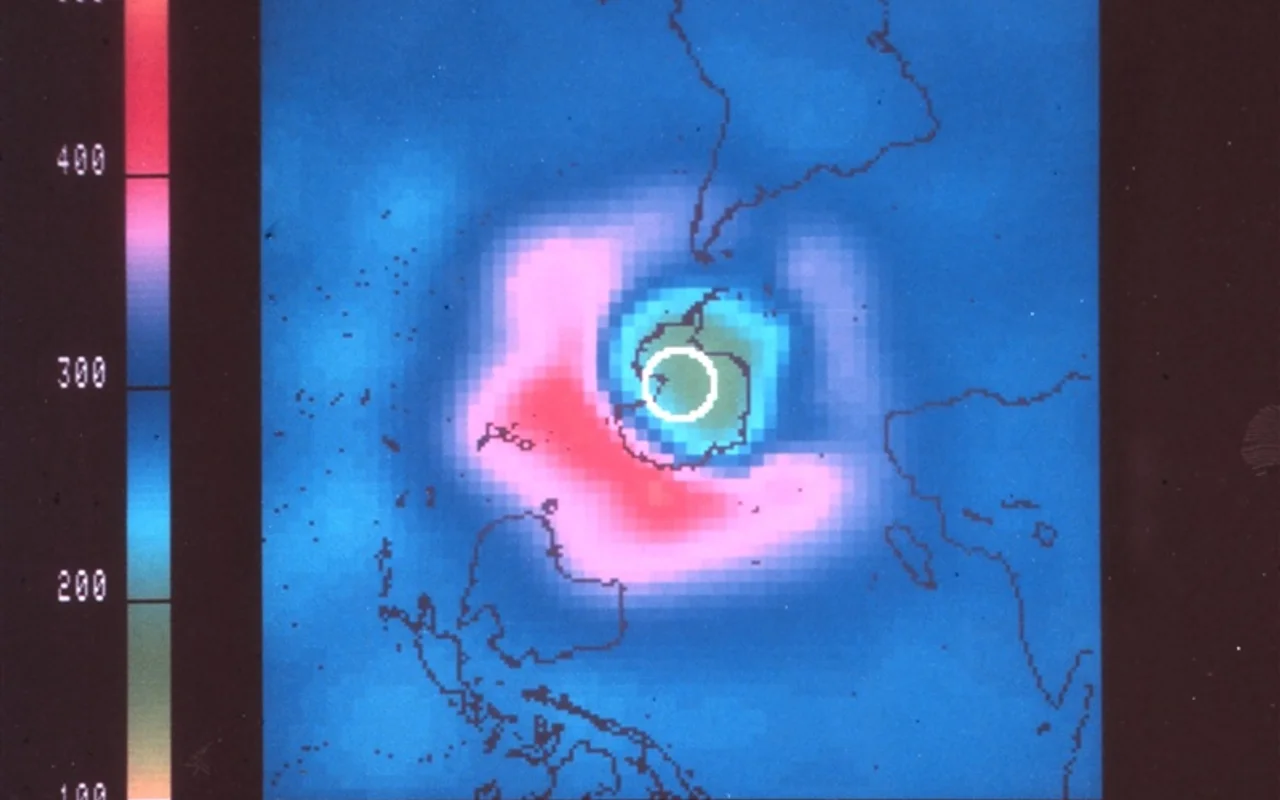
16 September 1987 CE · treaty signed; recovery remains in progress · GlobalMontreal Protocol and ozone recovery

Countries signed the Montreal Protocol on 16 September 1987 to control the production and consumption of ozone-depleting substances; it entered into force in 1989 and was strengthened through later adjustments and amendments.

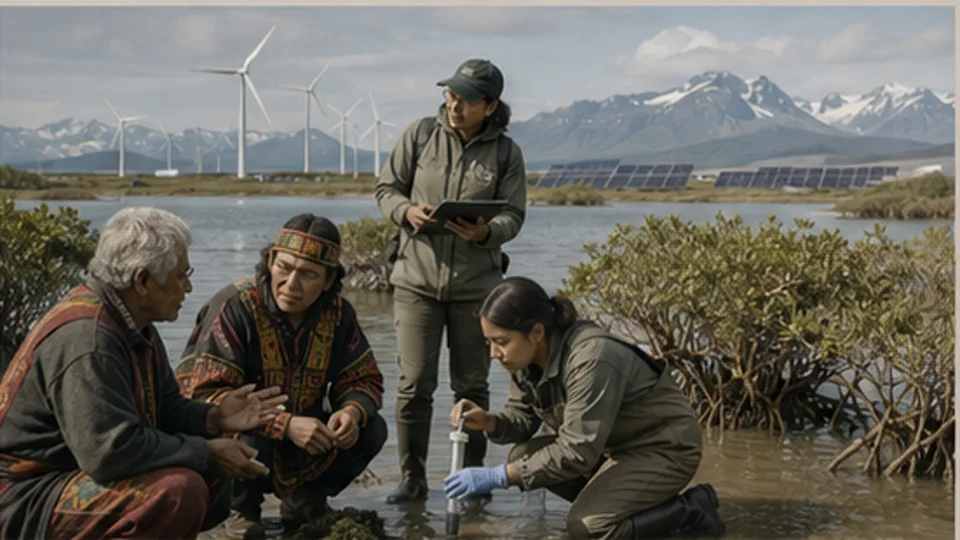
1988–2026 CE · assessment, treaty and action milestones · GlobalGlobal climate science and action

The IPCC’s creation in 1988 anchors a longer history of greenhouse-gas measurement and modelling. Its assessments, the 1992 UN climate convention, the 2015 Paris Agreement and public movements are distinct milestones in evidence, negotiation and action.