ATLAS / ANCIENT—PRESENT
All historyHow Atlas is sourced← Back to Atlas
Back to Atlas timeline
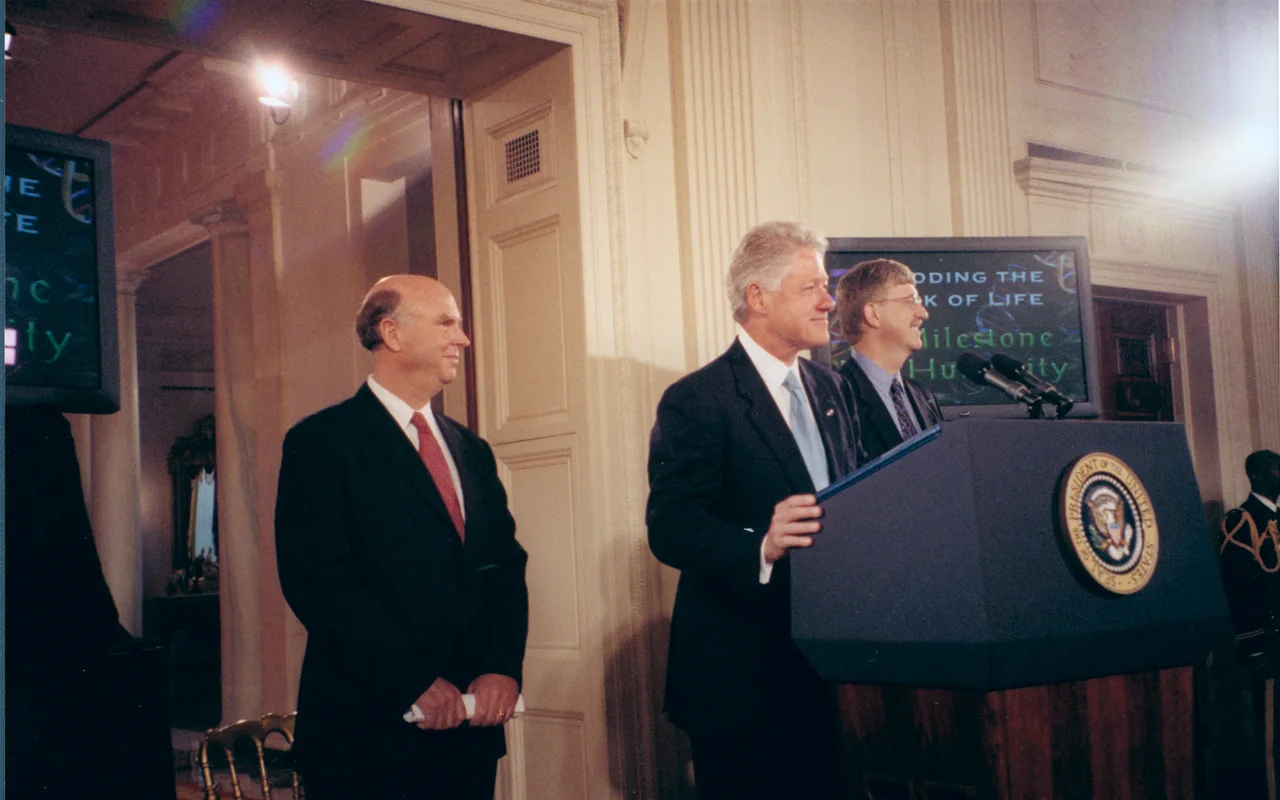
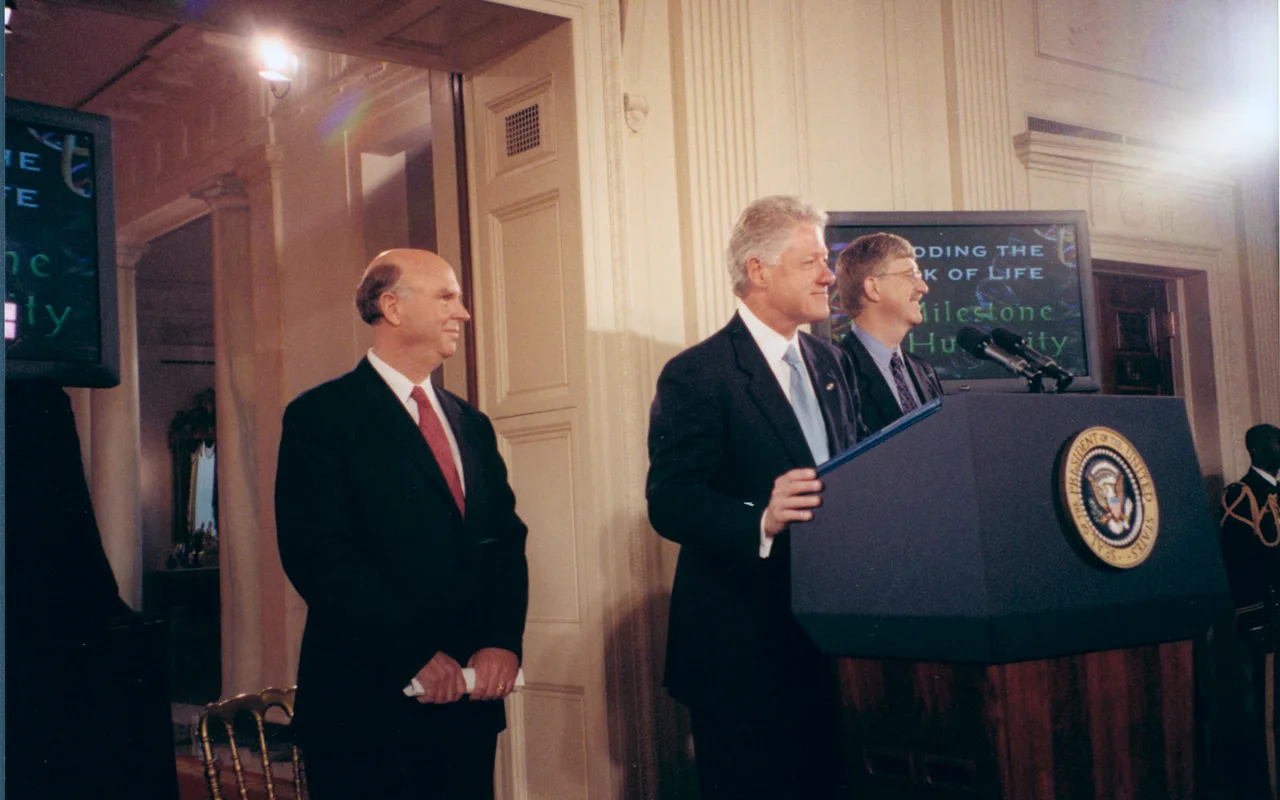
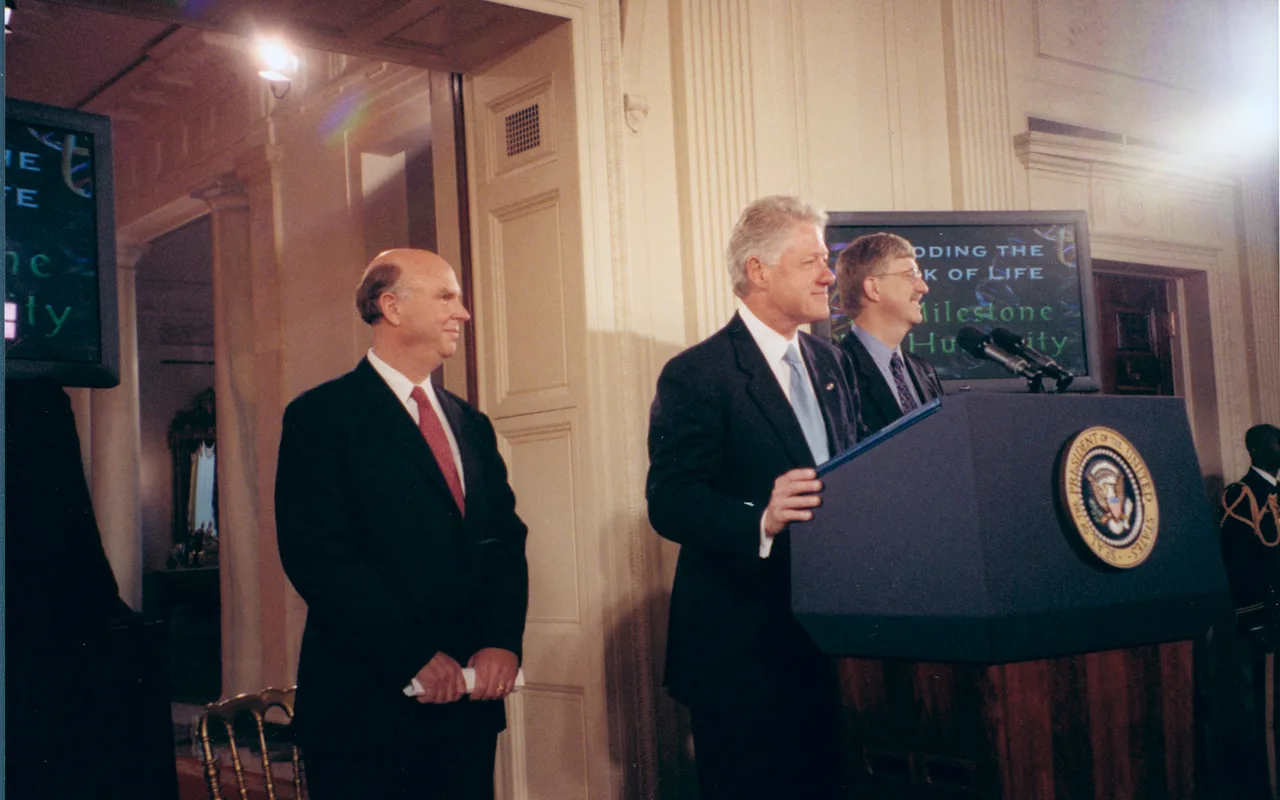
IHGSC Human Genome Project Draft Completion Announcement - June 2000.jpg

1990–April 2003 CE · international reference-sequence project · Global · Science

Human Genome Project and genomics

The publicly funded Human Genome Project coordinated laboratories in several countries to map and sequence a composite human reference, releasing a working draft in 2000 and declaring the project substantially complete in April 2003.

Atlas dossier · Digital & Global Age

Free device narration · synchronized English captions · transcript available

Why it matters

The project accelerated sequencing and open-data infrastructure but did not produce one complete, universal or diversity-representative genome. Later gap-closing and pangenome work, consent, ancestry, privacy and equitable benefit remain part of genomics.

Date
1990–April 2003 CE · international reference-sequence project
Historical setting
Digital & Global Age · Global
People & communities
DNA donors · international sequencing centres · laboratory workers · bioinformaticians · public funders · ELSI researchers · private-sector competitors

A composite reference, not one person's genome

The project sequenced DNA from multiple donors and assembled a haploid reference representation. It was immensely useful but did not describe every person, population or structural variant. The 2003 milestone left gaps that later telomere-to-telomere and pangenome projects addressed with new samples and methods.

National Human Genome Research Institute: Human Genome Project

Draft, completion and competition were distinct

Public laboratories released a working draft in 2000 and declared the project substantially complete in April 2003. Celera pursued a parallel private effort, while rapid public data release became a major institutional choice. Neither announcement marked the end of genome sequencing, annotation or interpretation.

U.S. National Library of Medicine: Human Genome Project collection

Sequence does not determine destiny

Most traits and diseases reflect many variants interacting with development, environment and social conditions. Genomic categories do not divide humanity into discrete biological races. Consent, identifiability, ancestry inference, commercial use and unequal representation remain central to how genomic knowledge is produced and shared.

Academic research on reference genomes

Illustrated sequence

A visual presentation accompanying this entry. Read each image’s attribution to distinguish archival records, later depictions and reconstructions.

IHGSC Human Genome Project Draft Completion Announcement - June 2000.jpg
IMAGE 1

Visual record

Rights-cleared archival or official image · Public domain

IHGSC Human Genome Project Draft Completion Announcement - June 2000.jpg — National Human Genome Research Institute (NHGRI); Public domain; via Wikimedia Commons

Source and reuse terms ↗

Interpretation note

Evidence, memory and historical debate

This dossier distinguishes the event’s basic chronology from later arguments about meaning, responsibility and legacy. When comparing religious, national, Indigenous or scholarly interpretations, consult the primary and institutional sources above alongside peer-reviewed historical work.

Elsewhere in the world

Parallel histories near this moment

26 April 1986 CE · reactor explosion, evacuation and continuing consequences · EuropeChernobyl and nuclear safety

Reactor 4 at the Chernobyl nuclear power station was destroyed during a late-night safety test on 26 April 1986. RBMK reactor vulnerabilities, unsafe operating decisions and a deficient safety culture combined in an explosion and fire that released radioactive material across borders.

4 April 1986 CE · a documented protest within a longer classroom debate · AmericasTeachers protest classroom calculator policy

At an April 1986 mathematics-education meeting in Washington, a small group of teachers picketed recommendations supporting calculator access across school grades and argued that basic number skills should come first.

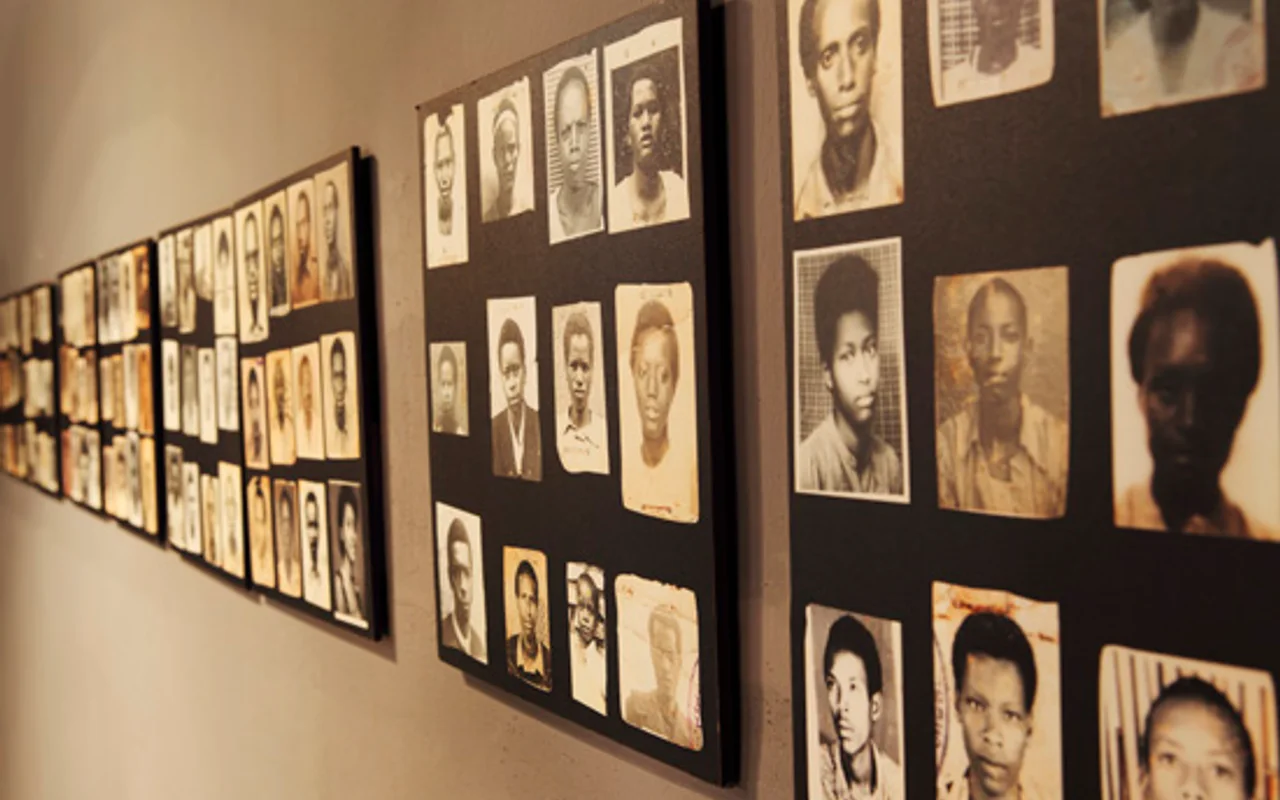
7 April–mid-July 1994 CE · genocide against the Tutsi and regional aftermath · AfricaRwandan genocide and regional aftermath

From 7 April to mid-July 1994, state authorities, armed forces, militias and mobilised civilians carried out genocide against the Tutsi in Rwanda and murdered Hutu and others who opposed it. The Rwandan Patriotic Front's military advance ended the genocidal regime.