ATLAS / ANCIENT—PRESENT
All historyHow Atlas is sourced← Back to Atlas
Back to Atlas timeline
HIV/AIDS pandemic and activism — original Atlas editorial reconstruction

1981–2026 CE · selected epidemic, treatment and activism milestones · Global · Medicine

HIV/AIDS pandemic and activism

The first recognised U.S. AIDS cases were reported in 1981, but HIV had circulated earlier and the epidemic was global. Identification of HIV, antiretroviral treatment and organised action unfolded over decades rather than as one discovery or one national story.

Atlas dossier · Digital & Global Age

Free device narration · synchronized English captions · transcript available

Why it matters

HIV/AIDS caused immense loss while stigma, criminalisation and unequal access compounded suffering. People living with HIV and activist groups changed research priorities, trial design, treatment approval, prevention and global access; effective treatment is not a universal cure and the epidemic continues.

Date
1981–2026 CE · selected epidemic, treatment and activism milestones
Historical setting
Digital & Global Age · Global
People & communities
people living with HIV · bereaved families · caregivers · community organisations · ACT UP · nurses and clinicians · laboratory researchers · global health workers
1981 is a reporting milestone, not an origin story

U.S. clinicians reported unusual illnesses in 1981, but later research showed that HIV had circulated earlier and across borders. Identification of the virus in 1983–84 and the naming of AIDS were separate steps. This chronology rejects the discredited ‘patient zero’ myth and a solely American account.

UNAIDS

Activism changed institutions as well as awareness

People living with HIV, ACT UP and many community organisations fought stigma, cared for the sick and bereaved, demanded research, challenged trial and approval practices and pressed for affordable treatment. Gay men were prominent in some early U.S. movements, but women, Black and Latino communities, people who inject drugs, sex workers and African and other global communities have distinct histories.

U.S. National Library of Medicine: Surviving and Thriving

Treatment transformed prognosis but did not end the epidemic

AZT’s 1987 approval and effective combination therapy in the mid-1990s were major treatment thresholds. Prevention, testing and access expanded unevenly, shaped by patents, funding, health systems and discrimination. HIV has no widely available cure, and a 2026 review boundary cannot be written as eradication.

Academic research on HIV/AIDS and activism

Illustrated sequence

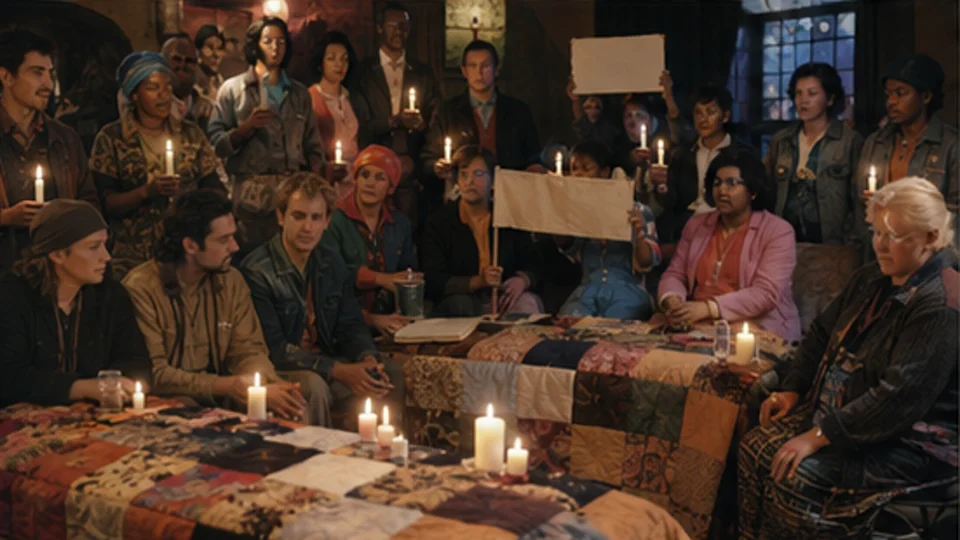
Silent pan-and-zoom motion derivative of the HIV/AIDS pandemic and activism reconstruction; not archival footage.

HIV/AIDS pandemic and activism — original Atlas editorial reconstruction
IMAGE 1

Original Atlas reconstruction

Primary Atlas editorial reconstruction for HIV/AIDS pandemic and activism.

World History in Pictures · Public site artwork. This record does not grant third-party republication rights.

How Atlas classifies this artwork →
HIV/AIDS pandemic and activism: people and action
IMAGE 2

Detail crop — same artwork

Detail crop from the same HIV/AIDS pandemic and activism reconstruction; not an independent historical record.

World History in Pictures · Same editorial artwork package

How Atlas classifies this artwork →
HIV/AIDS pandemic and activism: setting and consequences
IMAGE 3

Context crop — same artwork

Context crop from the same HIV/AIDS pandemic and activism reconstruction; not an independent historical record.

World History in Pictures · Same editorial artwork package

How Atlas classifies this artwork →

Interpretation note

Evidence, memory and historical debate

This dossier distinguishes the event’s basic chronology from later arguments about meaning, responsibility and legacy. When comparing religious, national, Indigenous or scholarly interpretations, consult the primary and institutional sources above alongside peer-reviewed historical work.

Elsewhere in the world

Parallel histories near this moment

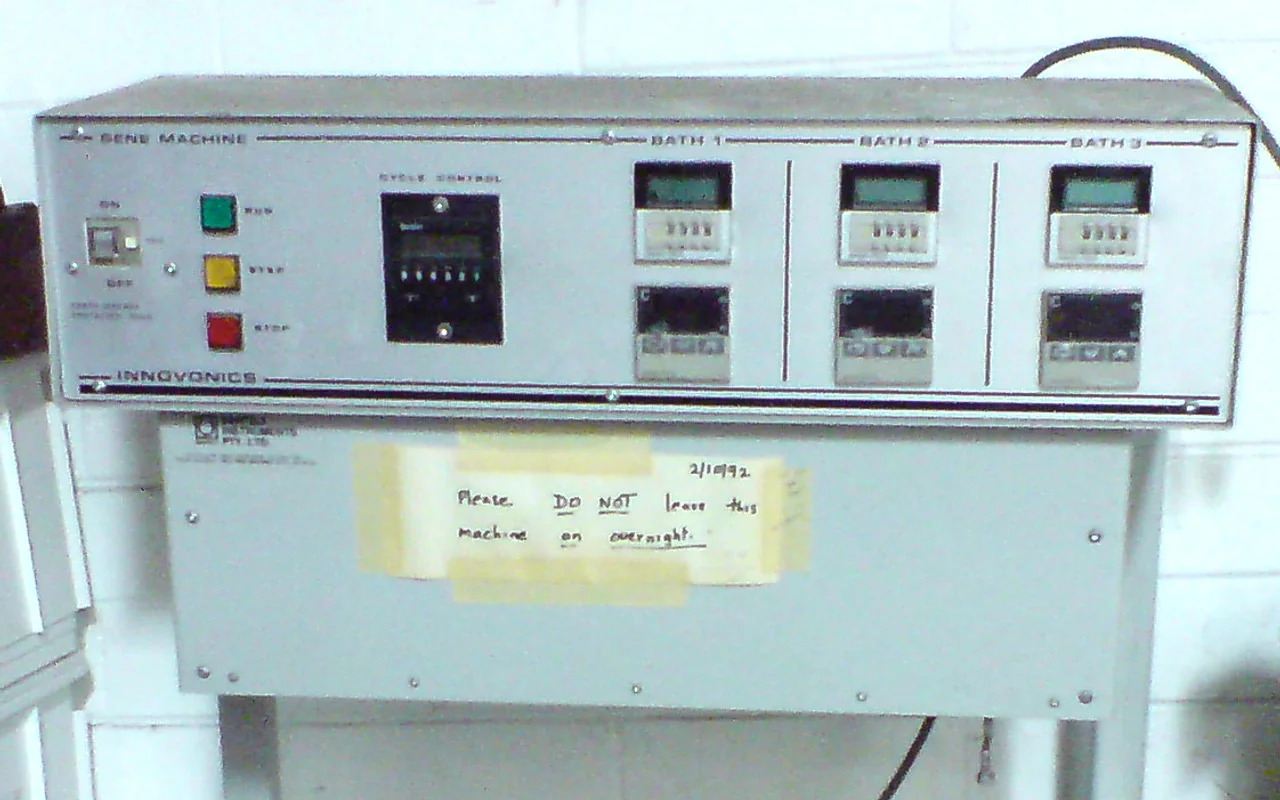
1983–1988 CE · concept, thermostable enzymes and automated amplification · AmericasPCR and molecular diagnostics

Polymerase chain reaction used repeated cycles and short primers to copy selected DNA sequences. The 1983 concept became a robust laboratory system through experimental teams, thermostable polymerases, automated thermal cycling and later detection methods.

25 July 1978 CE · first live birth following IVF · EuropeIn vitro fertilization and reproductive medicine

Louise Brown’s birth on 25 July 1978 was the first live birth following in vitro fertilization, after years of research, clinical work and unsuccessful cycles involving Robert Edwards, Patrick Steptoe, Jean Purdy, Lesley and John Brown and a wider care team.

January 1978–December 1979 CE · monarchy falls and an Islamic Republic consolidates · Middle EastIranian Revolution

A broad and divided coalition of religious, secular, liberal, leftist, student and labour opposition challenged the Pahlavi monarchy through protest and strikes. The Shah left on 16 January 1979, Ayatollah Ruhollah Khomeini returned on 1 February and the monarchy collapsed on 11 February; referendums and a new constitution established an Islamic Republic later that year.