ATLAS / ANCIENT—PRESENT
All historyHow Atlas is sourced← Back to Atlas
Back to Atlas timeline
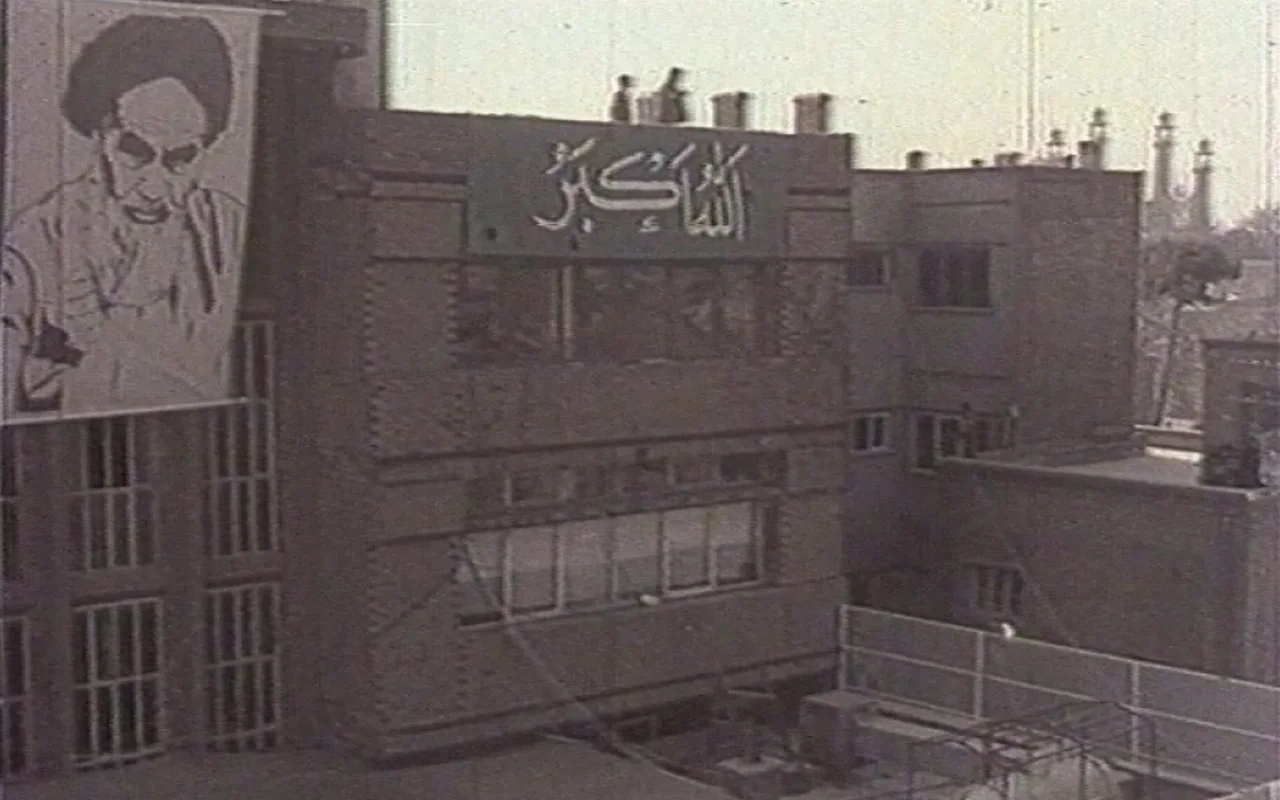
Refah-school-1979.jpg

January 1978–December 1979 CE · monarchy falls and an Islamic Republic consolidates · Middle East · Rights

Iranian Revolution

A broad and divided coalition of religious, secular, liberal, leftist, student and labour opposition challenged the Pahlavi monarchy through protest and strikes. The Shah left on 16 January 1979, Ayatollah Ruhollah Khomeini returned on 1 February and the monarchy collapsed on 11 February; referendums and a new constitution established an Islamic Republic later that year.

Atlas dossier · Cold War & Decolonization

Free device narration · synchronized English captions · transcript available

Why it matters

The revolution transformed Iran and regional politics, but its outcome was not predetermined by the first protests. Revolutionary institutions narrowed the coalition, repressed opponents and reshaped women’s and minority rights; the November hostage seizure opened a distinct international crisis.

Date
January 1978–December 1979 CE · monarchy falls and an Islamic Republic consolidates
Historical setting
Cold War & Decolonization · Middle East
People & communities
Iranian protesters · oil and industrial workers · students · women organisers · religious networks · secular and leftist groups · Ayatollah Khomeini · Shah Mohammad Reza Pahlavi

A broad coalition brought down the monarchy

Protests and strikes involved religious networks, secular liberals, leftists, students, bazaar communities, industrial and oil workers and many women. The Shah’s departure on 16 January, Khomeini’s return on 1 February and the monarchy’s collapse on 11 February 1979 were distinct moments in a revolution whose coalition did not share one political programme.

U.S. Department of State: Iranian Revolution

The Islamic Republic emerged through struggle

The March–April referendum and December constitution established a new order while revolutionary institutions displaced or repressed many former allies and opponents. Political participation, clerical authority, executions and changes to women’s and minority rights belong inside the account rather than being hidden by a single leadership narrative.

Library of Congress research shelf: Iranian Revolution

Revolution and hostage crisis are connected but distinct

Students seized the U.S. embassy on 4 November 1979, beginning a 444-day hostage crisis after the monarchy had already fallen and the Islamic Republic had been proclaimed. U.S. intervention in 1953, support for the Shah, oil politics and Cold War strategy shaped grievances without predetermining every revolutionary choice.

Academic research on the Iranian Revolution

Illustrated sequence

A visual presentation accompanying this entry. Read each image’s attribution to distinguish archival records, later depictions and reconstructions.

Refah-school-1979.jpg
IMAGE 1

Legacy visual — rights review open

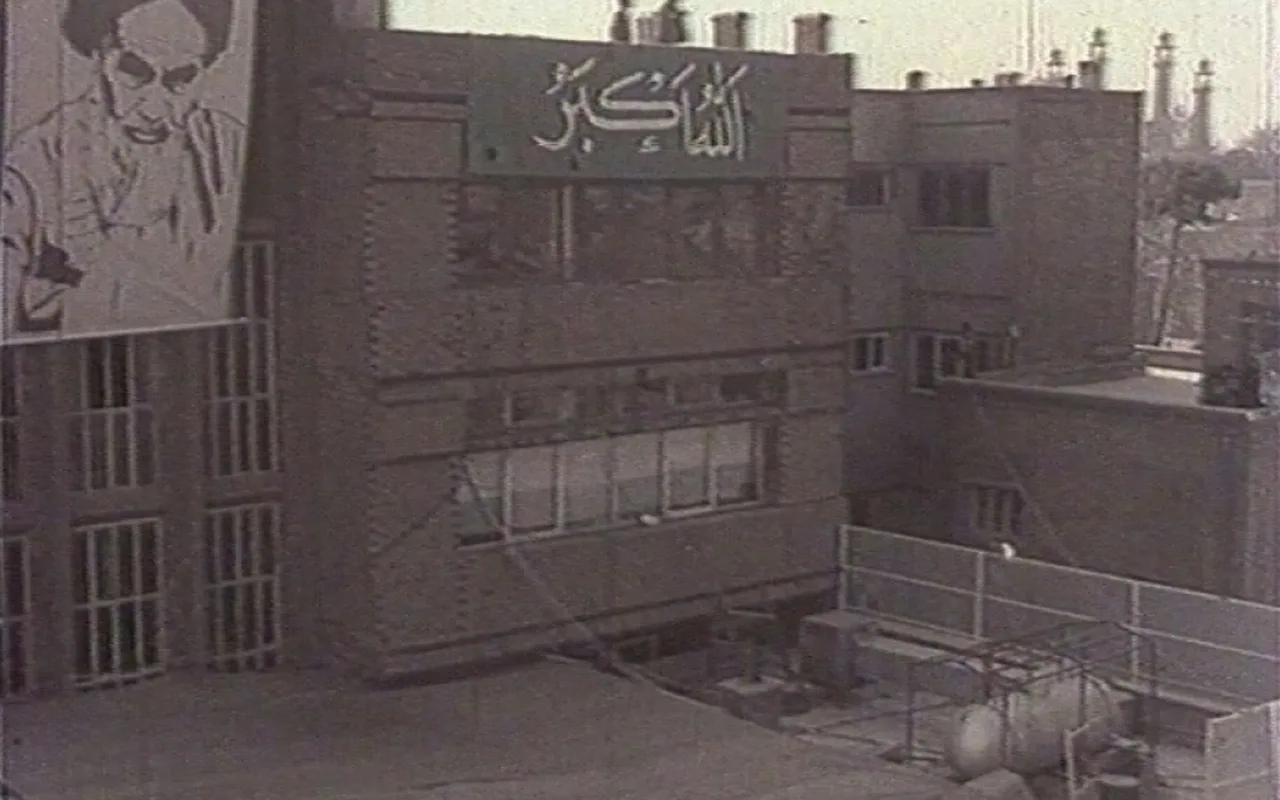
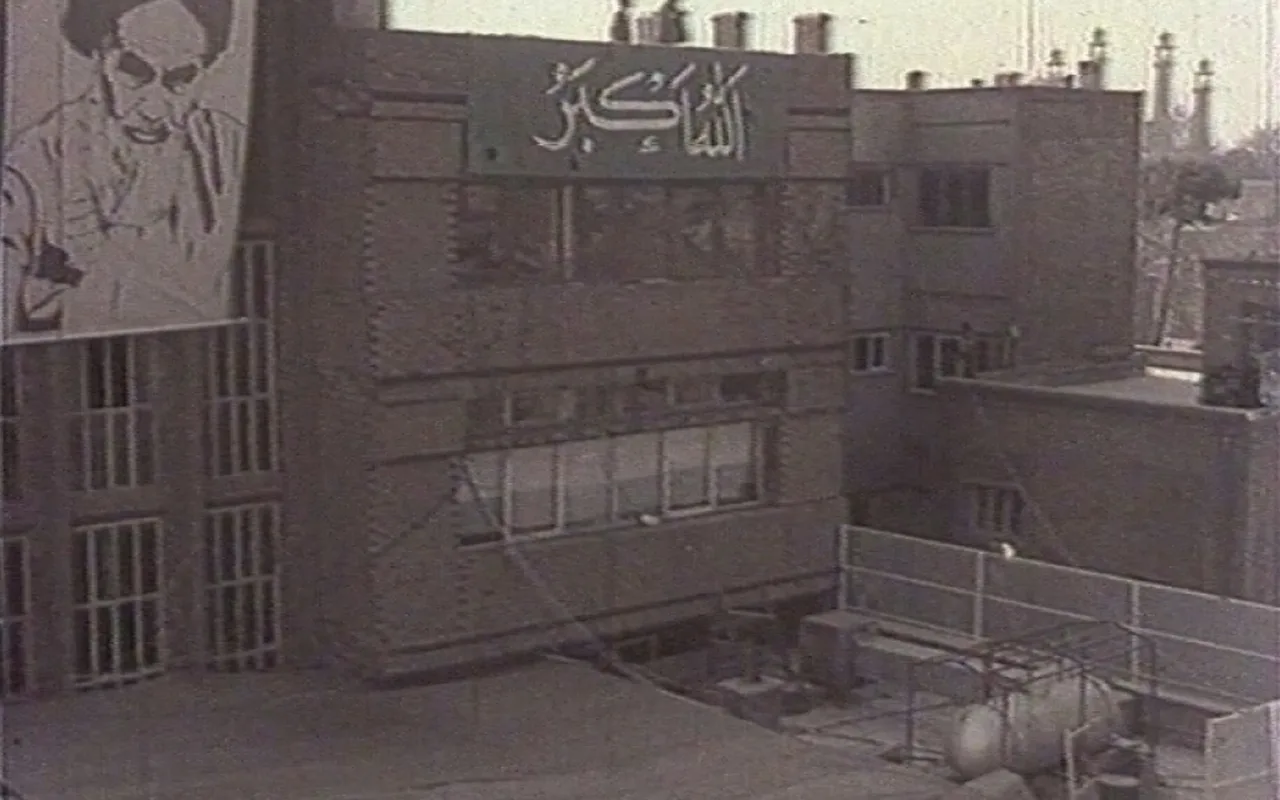
Ruhollah Khomeini at Refah School, February 1979. The source site is credited; the photographer is not identified in the linked record.

Refah-school-1979.jpg — asr-entezar.ir; Source lists Public domain; via asr-entezar.ir. Resized, cropped and converted to WebP for Atlas display.

Source and reuse terms ↗

Supplemental archival visual

A later symbol of the post-revolutionary state

Iranian flags photographed in Qom in 2011. The emblem and script were adopted after the 1979 revolution; this later photograph records the political order that followed, not the revolutionary crowds themselves.

Open the item page and rights record ↗Mostafa Meraji, Qom, 6 May 2011; CC0 1.0. Resized and converted to WebP for Atlas display.
Archival visual record: Flags of the Islamic Republic in Qom — 2011 documentary photograph
Flags of the Islamic Republic in Qom — 2011 documentary photograph · CC0 1.0

Interpretation note

Evidence, memory and historical debate

This dossier distinguishes the event’s basic chronology from later arguments about meaning, responsibility and legacy. When comparing religious, national, Indigenous or scholarly interpretations, consult the primary and institutional sources above alongside peer-reviewed historical work.

Elsewhere in the world

Parallel histories near this moment

1978–2007 CE · selected satellite, cellular and handheld-navigation milestones · GlobalGPS, mobile networks and digital navigation

GPS satellites, cellular standards and handheld computing developed along separate tracks before converging in mass-market navigation. The 1978 opening marks early GPS launches; the 2007 endpoint marks one influential smartphone transition, not the first mobile telephone or smartphone.

25 July 1978 CE · first live birth following IVF · EuropeIn vitro fertilization and reproductive medicine

Louise Brown’s birth on 25 July 1978 was the first live birth following in vitro fertilization, after years of research, clinical work and unsuccessful cycles involving Robert Edwards, Patrick Steptoe, Jean Purdy, Lesley and John Brown and a wider care team.

1981–2026 CE · selected epidemic, treatment and activism milestones · GlobalHIV/AIDS pandemic and activism

The first recognised U.S. AIDS cases were reported in 1981, but HIV had circulated earlier and the epidemic was global. Identification of HIV, antiretroviral treatment and organised action unfolded over decades rather than as one discovery or one national story.