ATLAS / ANCIENT—PRESENT
All historyHow Atlas is sourced← Back to Atlas
Back to Atlas timeline
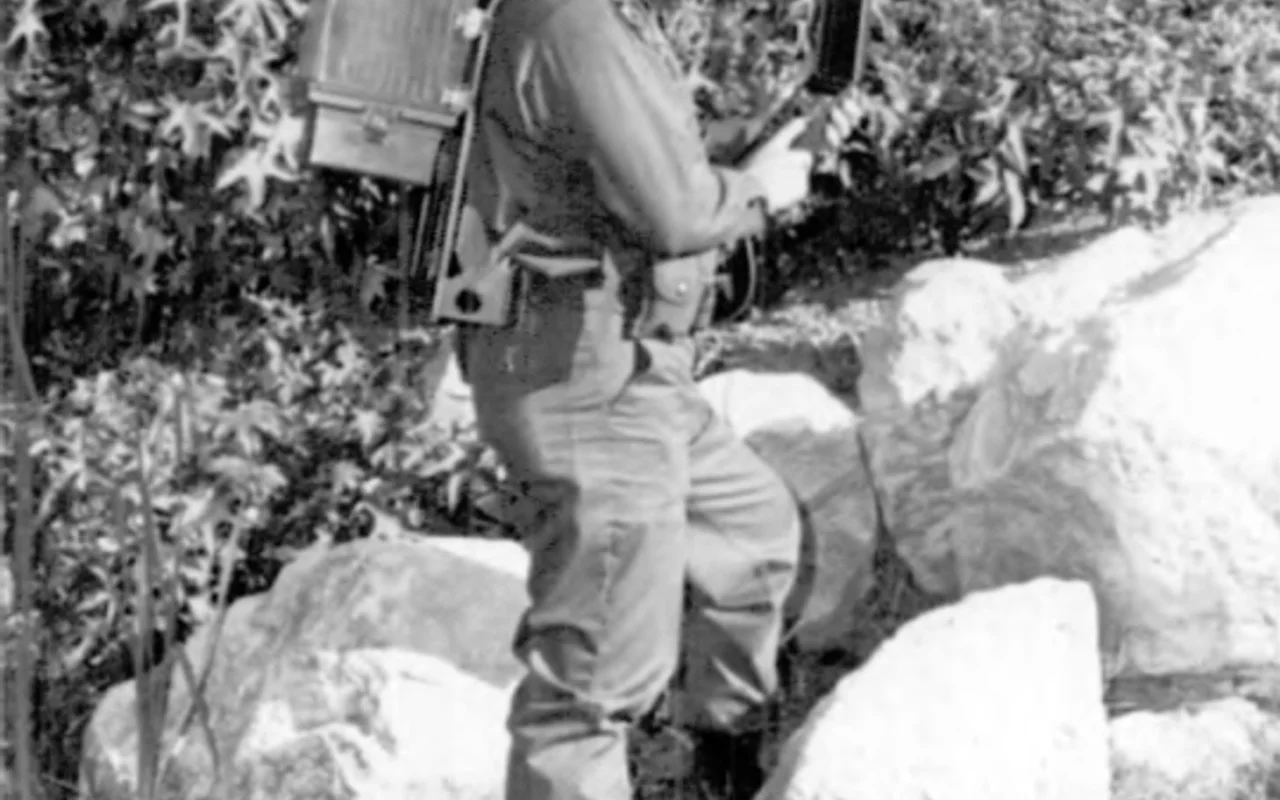
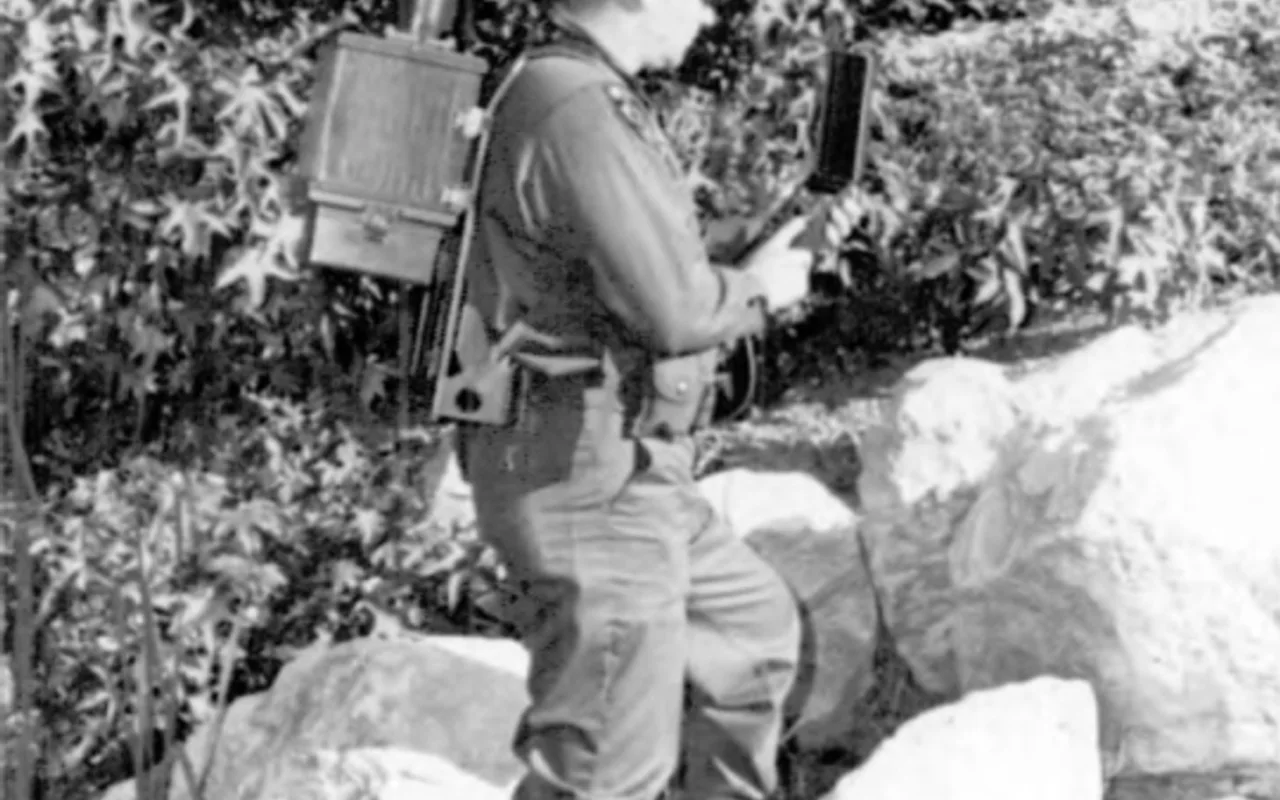
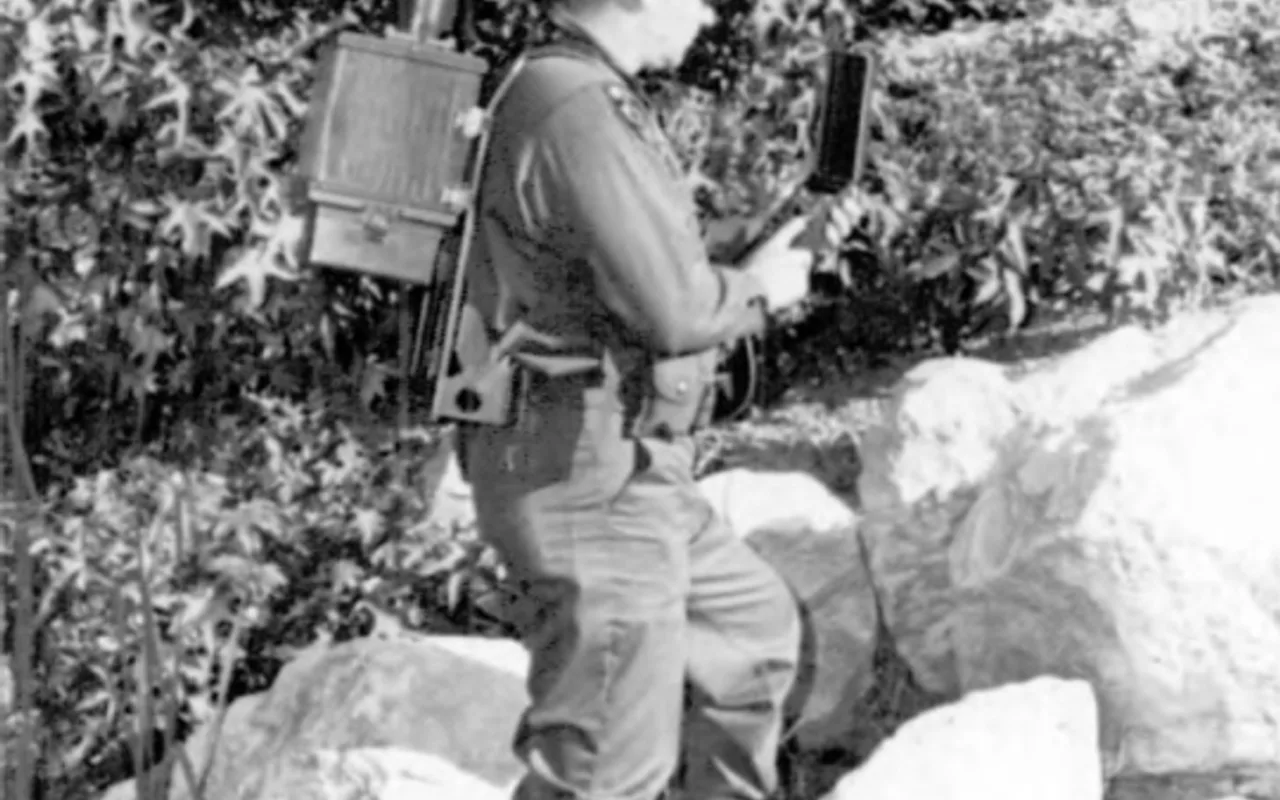
NAVSTAR satellite signal receiver.jpg

1978–2007 CE · selected satellite, cellular and handheld-navigation milestones · Global · Technology

GPS, mobile networks and digital navigation

GPS satellites, cellular standards and handheld computing developed along separate tracks before converging in mass-market navigation. The 1978 opening marks early GPS launches; the 2007 endpoint marks one influential smartphone transition, not the first mobile telephone or smartphone.

Atlas dossier · Digital & Global Age

Free device narration · synchronized English captions · transcript available

Why it matters

These infrastructures changed transport, emergency response, commerce and everyday mapping, while depending on atomic time, orbit control, spectrum, towers, software and data collection. Coverage, accuracy, privacy and access remain uneven.

Date
1978–2007 CE · selected satellite, cellular and handheld-navigation milestones
Historical setting
Digital & Global Age · Global
People & communities
military and civilian satellite teams · atomic-clock specialists · cellular standards groups · network workers · mapmakers · software developers · device users

Three infrastructures converged

GPS derived position from precisely timed satellite signals; cellular networks divided territory into radio cells and handed connections between them; digital maps and portable computers made the results usable. The technologies share devices today but were not one invention or one launch.

Smithsonian: Magellan Systems GPS records

1978 and 2007 are selected boundaries

The first experimental Block I GPS satellite launched in 1978. Later satellites, receivers, public policy and the ending of Selective Availability expanded civilian use. The 2007 endpoint marks an influential smartphone transition, not the first mobile phone, digital map, personal navigator or smartphone.

NIST: Time and Frequency Division

Convenience depends on power and observation

Navigation and emergency services depend on satellites, atomic time, ground control, spectrum, towers, electricity, software and updated map data. These systems can improve access while enabling tracking, platform concentration and military power; coverage and accuracy remain uneven.

Academic research on digital navigation

Illustrated sequence

A visual presentation accompanying this entry. Read each image’s attribution to distinguish archival records, later depictions and reconstructions.

NAVSTAR satellite signal receiver.jpg
IMAGE 1

Visual record

Rights-cleared archival or official image · Public domain

NAVSTAR satellite signal receiver.jpg — U.S. Army; Public domain; via Wikimedia Commons

Source and reuse terms ↗

Interpretation note

Evidence, memory and historical debate

This dossier distinguishes the event’s basic chronology from later arguments about meaning, responsibility and legacy. When comparing religious, national, Indigenous or scholarly interpretations, consult the primary and institutional sources above alongside peer-reviewed historical work.

Elsewhere in the world

Parallel histories near this moment

25 July 1978 CE · first live birth following IVF · EuropeIn vitro fertilization and reproductive medicine

Louise Brown’s birth on 25 July 1978 was the first live birth following in vitro fertilization, after years of research, clinical work and unsuccessful cycles involving Robert Edwards, Patrick Steptoe, Jean Purdy, Lesley and John Brown and a wider care team.

January 1978–December 1979 CE · monarchy falls and an Islamic Republic consolidates · Middle EastIranian Revolution

A broad and divided coalition of religious, secular, liberal, leftist, student and labour opposition challenged the Pahlavi monarchy through protest and strikes. The Shah left on 16 January 1979, Ayatollah Ruhollah Khomeini returned on 1 February and the monarchy collapsed on 11 February; referendums and a new constitution established an Islamic Republic later that year.

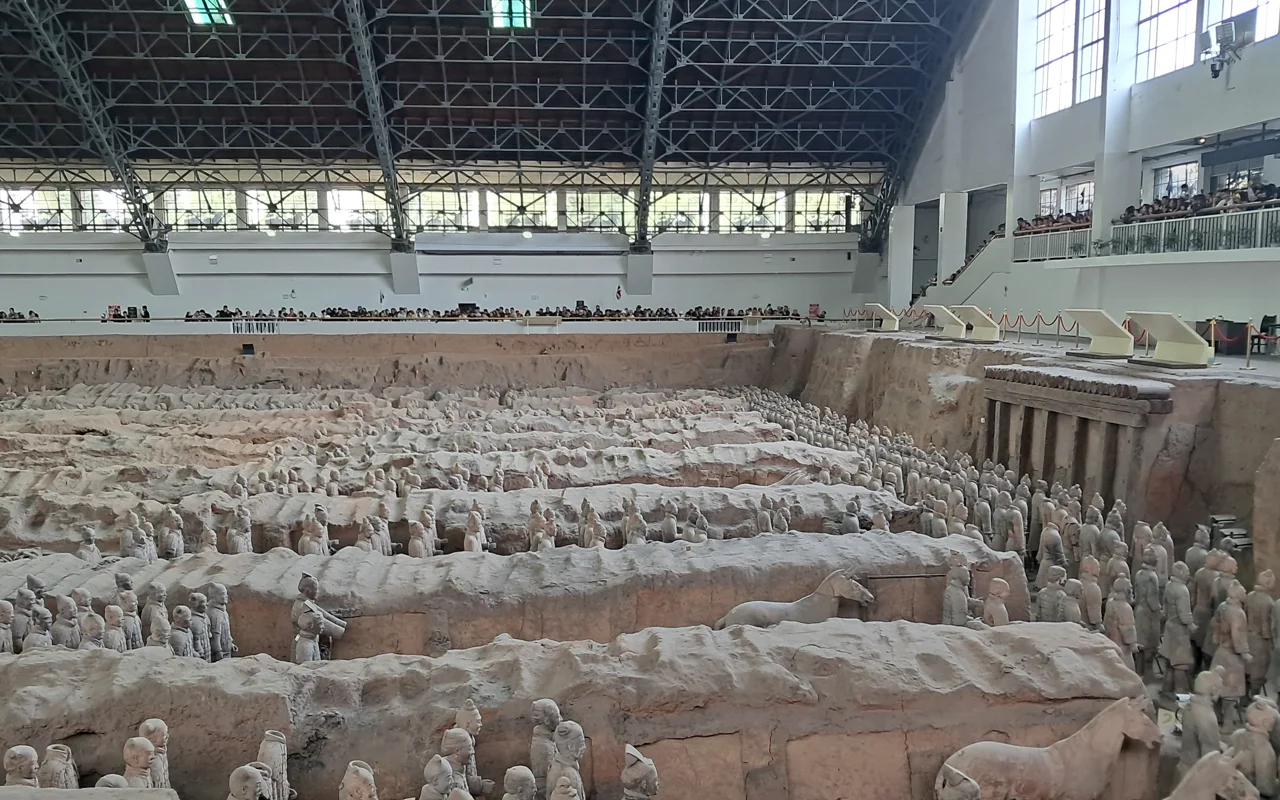
March 1974 CE · chance discovery near Lintong; excavation continues · AsiaThe Terracotta Army is unearthed

Local well-diggers near Lintong encountered terracotta fragments in March 1974; archaeological investigation then revealed warrior pits within the much larger mausoleum landscape built for Qin Shi Huang.