ATLAS / ANCIENT—PRESENT
All historyHow Atlas is sourced← Back to Atlas
Back to Atlas timeline
Terracotta Army

March 1974 CE · chance discovery near Lintong; excavation continues · Asia · Science

The Terracotta Army is unearthed

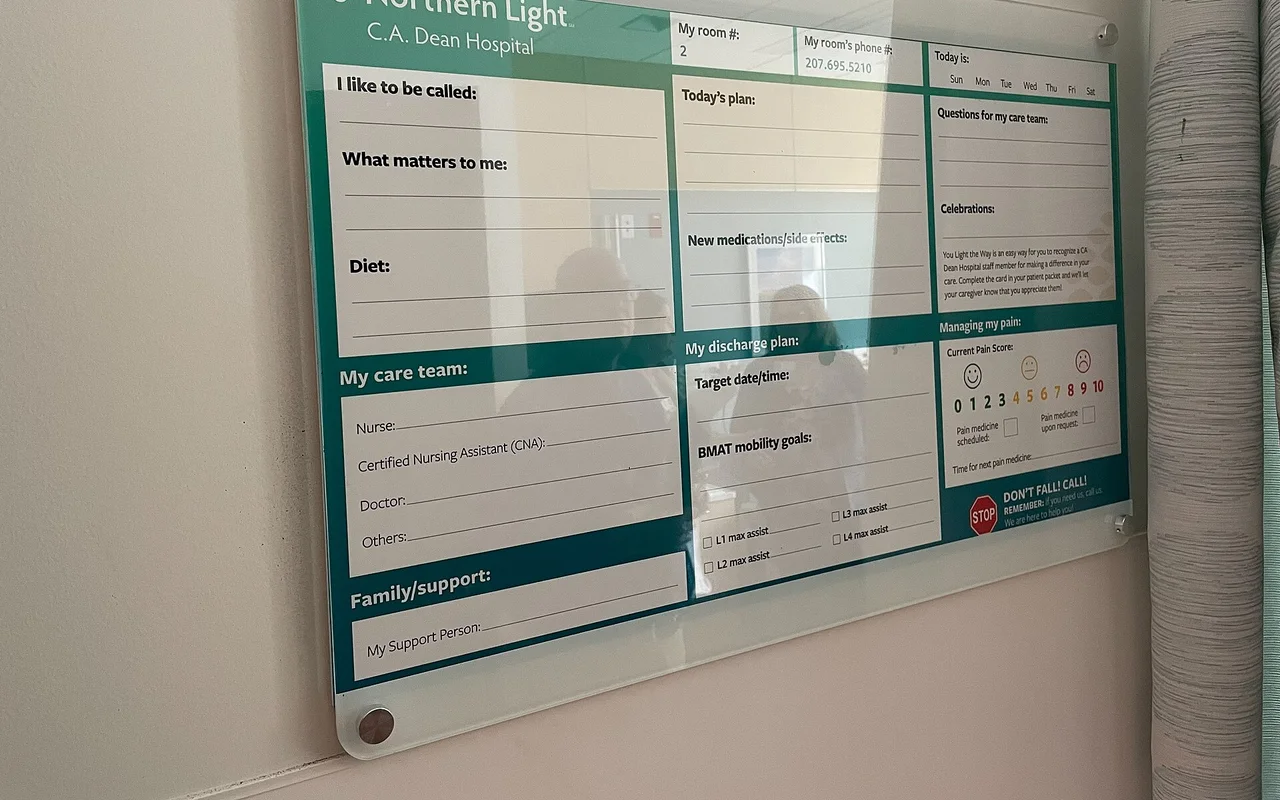
Local well-diggers near Lintong encountered terracotta fragments in March 1974; archaeological investigation then revealed warrior pits within the much larger mausoleum landscape built for Qin Shi Huang.

Atlas dossier · Cold War & Decolonization

Free device narration · synchronized English captions · transcript available

Why it matters

Excavation and conservation made Qin craft, labour organisation and imperial power newly visible, while the unexcavated central tomb and continuing research caution against treating the complex as a fully recovered treasure.

Date
March 1974 CE · chance discovery near Lintong; excavation continues
Historical setting
Cold War & Decolonization · Asia
People & communities
local well-diggers · Zhao Kangmin and archaeological teams · conservators · Qin-era artisans and coerced labourers · Qin Shi Huang

Chance discovery became organised archaeology

Local well-diggers encountered terracotta fragments near Lintong in March 1974. Archaeological teams then investigated the pits and linked them to the wider mausoleum landscape. The finding should credit both local discoverers and the excavators, conservators and craftspeople who made interpretation and preservation possible.

UNESCO: Mausoleum of the First Qin Emperor ↗

The warriors are part of a larger funerary state project

The warrior pits are not the whole monument. The complex includes the central tomb mound and many additional pits and structures created for the first Qin emperor. Standardised parts, workshop organisation and individually finished figures reveal craft systems and imperial mobilisation without erasing the coerced labour behind them.

Metropolitan Museum research shelf: Terracotta Army ↗

Archaeology remains unfinished

Thousands of figures and other remains have been excavated or identified, while the central tomb has not been opened and conservation challenges continue. The 1974 date is a discovery threshold, not the recovery of a complete army or the end of research.

Academic research on Qin archaeology ↗

Illustrated sequence

A visual presentation accompanying this entry. Read each image’s attribution to distinguish archival records, later depictions and reconstructions.

Interpretation note

Evidence, memory and historical debate

This dossier distinguishes the event’s basic chronology from later arguments about meaning, responsibility and legacy. When comparing religious, national, Indigenous or scholarly interpretations, consult the primary and institutional sources above alongside peer-reviewed historical work.

Elsewhere in the world

Parallel histories near this moment

1971–1977 CE · first clinical CT and foundational MRI milestones · EuropeCT, MRI and non-invasive medical imaging

Computed tomography reconstructed cross-sectional images from many X-ray measurements, while magnetic-resonance imaging used magnetic fields, radio-frequency signals and spatial encoding. Their first clinical and foundational milestones unfolded through different teams during the 1970s.

1971–2009 CE · selected market, payment and digital-money milestones · GlobalElectronic markets, digital money and fintech

NASDAQ’s 1971 quotation system anchors a selected history of electronic markets; card and automated-clearing networks, online banking, Kenya’s 2007 M-Pesa service and the 2009 Bitcoin network followed different institutional and technical paths.

1978–2007 CE · selected satellite, cellular and handheld-navigation milestones · GlobalGPS, mobile networks and digital navigation

GPS satellites, cellular standards and handheld computing developed along separate tracks before converging in mass-market navigation. The 1978 opening marks early GPS launches; the 2007 endpoint marks one influential smartphone transition, not the first mobile telephone or smartphone.