ATLAS / ANCIENT—PRESENT
All historyHow Atlas is sourced← Back to Atlas
Back to Atlas timeline
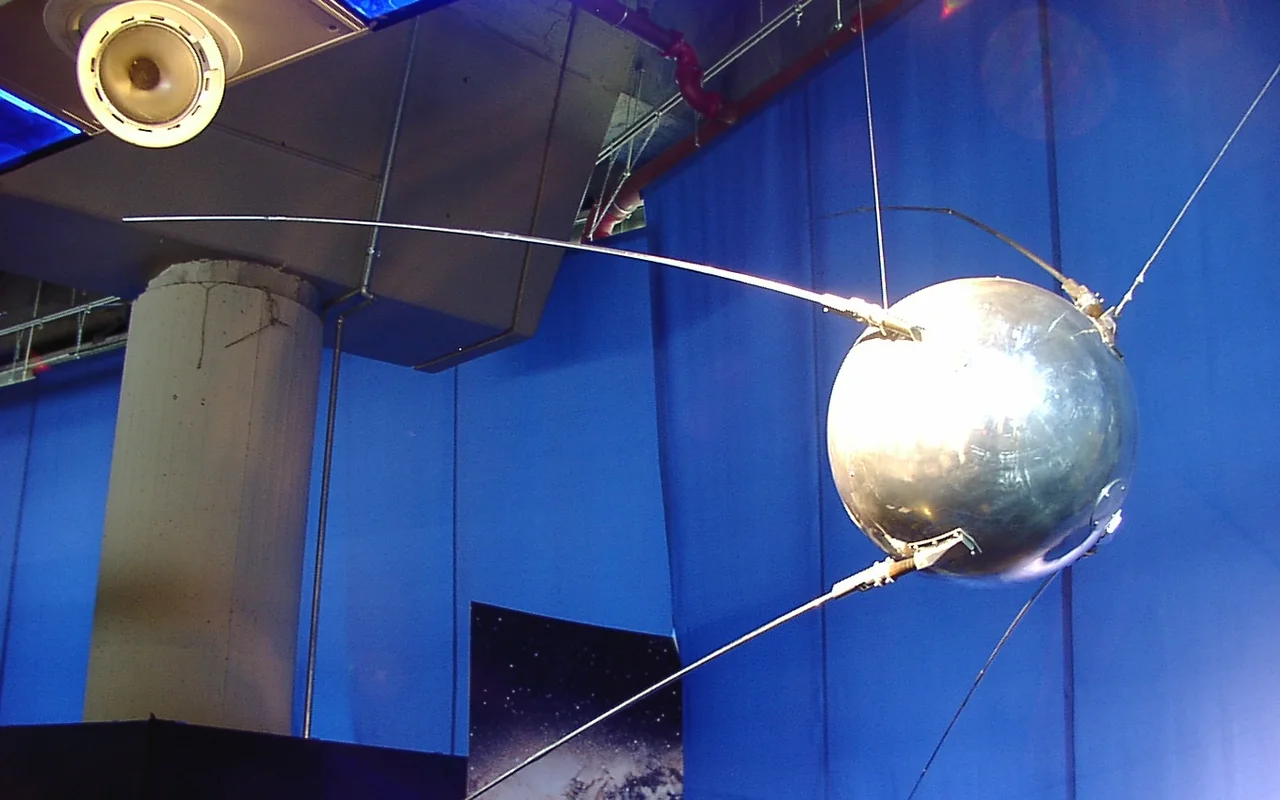
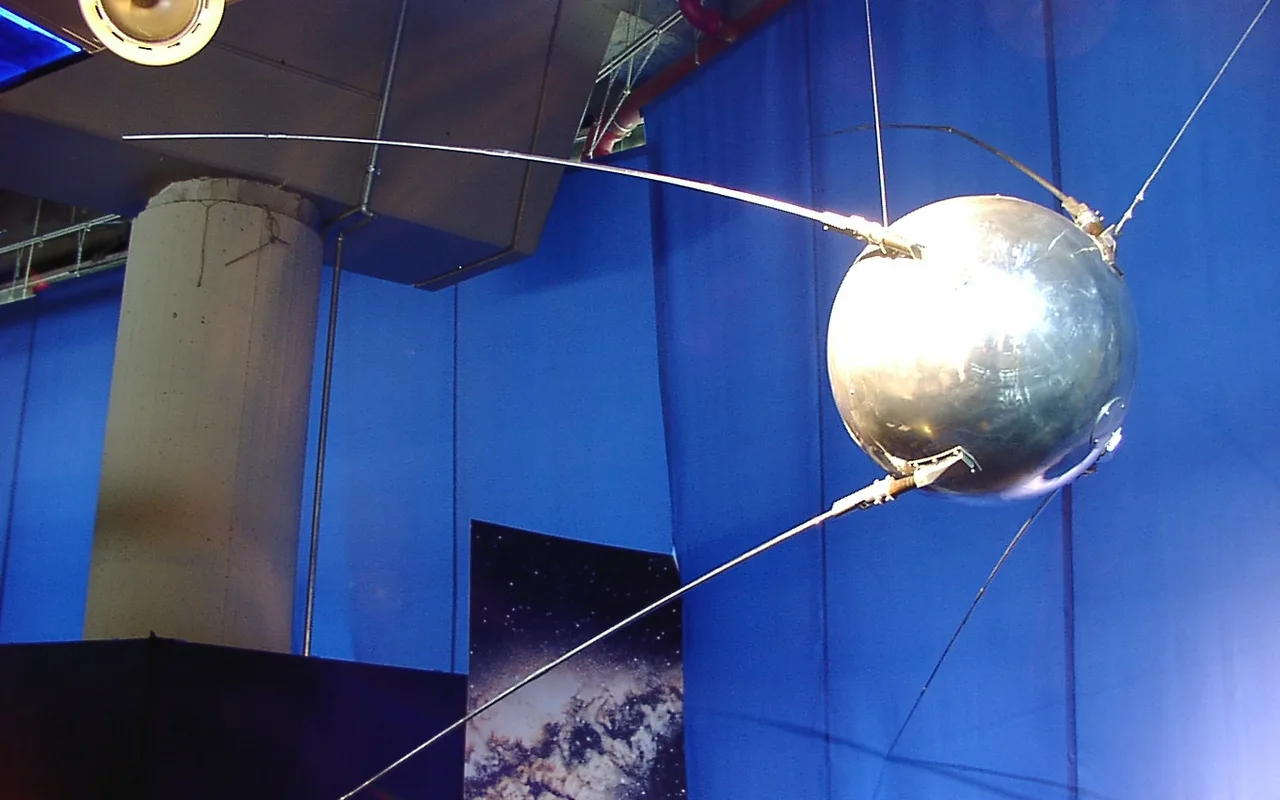
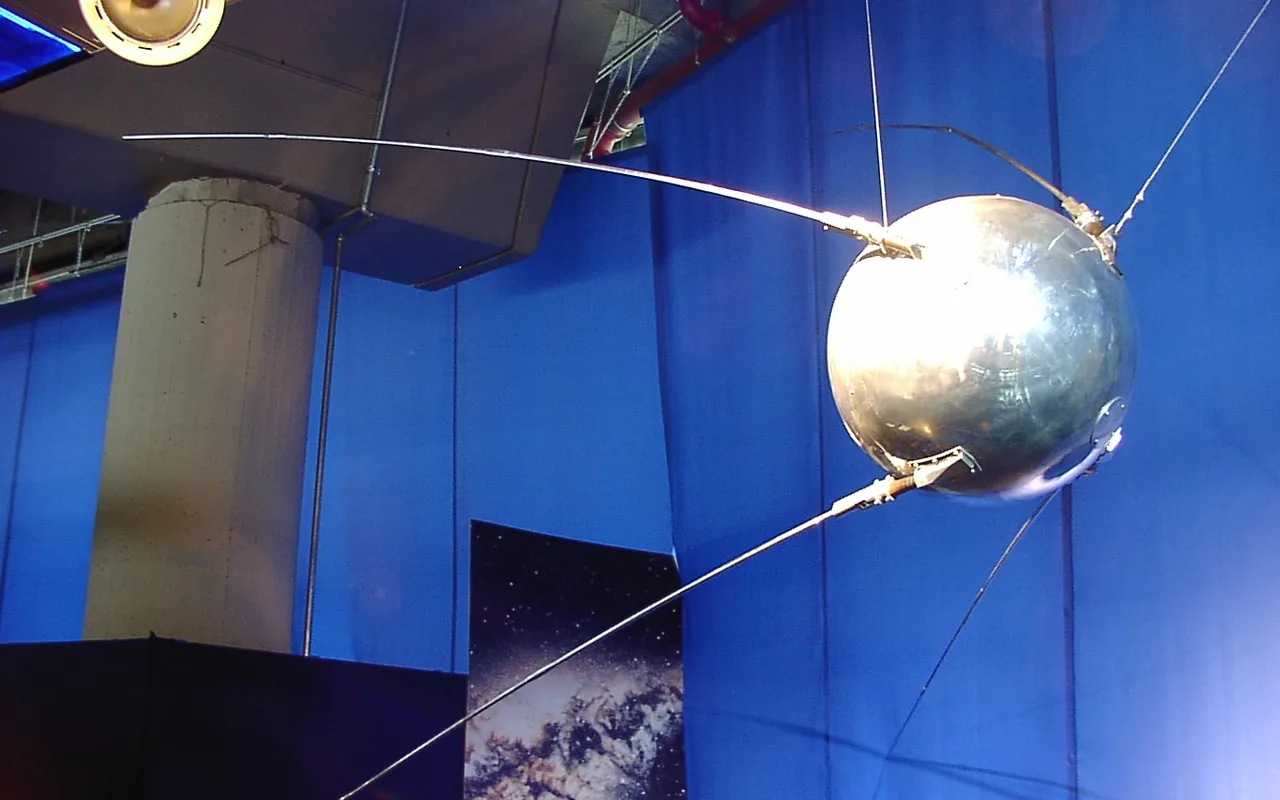
Sputnik.jpg

1957–1990 CE · selected satellite and observing milestones · Global · Science

Space age and Earth observation

Sputnik 1 inaugurated artificial Earth orbit in 1957; weather, communications and land-observing satellites then developed as distinct systems, while probes and observatories extended research across the Solar System and universe.

Atlas dossier · Cold War & Decolonization

Free device narration · synchronized English captions · transcript available

Why it matters

TIROS-1 in 1960 and Landsat 1 in 1972 helped make weather and environmental change observable from orbit; the 1990 endpoint marks Hubble’s launch, not the completion of space science.

Date
1957–1990 CE · selected satellite and observing milestones
Historical setting
Cold War & Decolonization · Global
People & communities
Soviet satellite teams · NASA, NOAA and ESA researchers · national space programs · engineers · weather services · Earth scientists · global data users

Several programs share a chronology

Sputnik 1 became the first artificial satellite in 1957. TIROS-1 began a dedicated U.S. weather-observation series in 1960, and Landsat 1 opened a continuing civilian land-imaging record in 1972. Communications, navigation, meteorology, Earth science and astronomy used different instruments, institutions and goals.

NASA Earth Observatory: space-based observations of Earth

Global knowledge grew inside Cold War systems

Soviet and U.S. rivalry accelerated launch vehicles, satellites and human spaceflight, but scientific and practical results depended on international tracking, meteorological services, engineers, data archives and later national and multinational programs. A space-age story is incomplete if only astronauts and superpowers appear.

NASA: a brief history of space applications and Landsat

1990 is a milestone, not completion

Hubble’s 1990 launch closes this selected survey as the start of a long-running orbital-observatory program. It does not mark the end of Earth observation or discovery beyond Earth. Later missions, repairs, data processing and worldwide research communities continue the history.

Smithsonian National Air and Space Museum: space-science collection

Illustrated sequence

A visual presentation accompanying this entry. Read each image’s attribution to distinguish archival records, later depictions and reconstructions.

Interpretation note

Evidence, memory and historical debate

This dossier distinguishes the event’s basic chronology from later arguments about meaning, responsibility and legacy. When comparing religious, national, Indigenous or scholarly interpretations, consult the primary and institutional sources above alongside peer-reviewed historical work.

Elsewhere in the world

Parallel histories near this moment

6 March 1957 CE · Gold Coast becomes Ghana · AfricaGhanaian independence

The British colony of the Gold Coast became independent Ghana on 6 March 1957 after strikes, elections, constitutional negotiation and mass anticolonial organizing led through—but not confined to—the Convention People’s Party.

1955–1968 CE · selected mass-movement and federal-law phase · AmericasCivil Rights Movement

A selected phase of a much longer Black freedom struggle challenged segregation, disenfranchisement and racial violence through litigation, boycotts, direct action, community organizing and mass political mobilization.

1954–1984 CE · transplantation and immunosuppression milestones · AmericasOrgan transplantation and immunosuppression

A successful 1954 kidney transplant between identical twins avoided immune rejection; tissue matching, organ preservation and immunosuppressive regimens later made transplants between genetically different people increasingly viable.