ATLAS / ANCIENT—PRESENT
All historyHow Atlas is sourced← Back to Atlas
Back to Atlas timeline
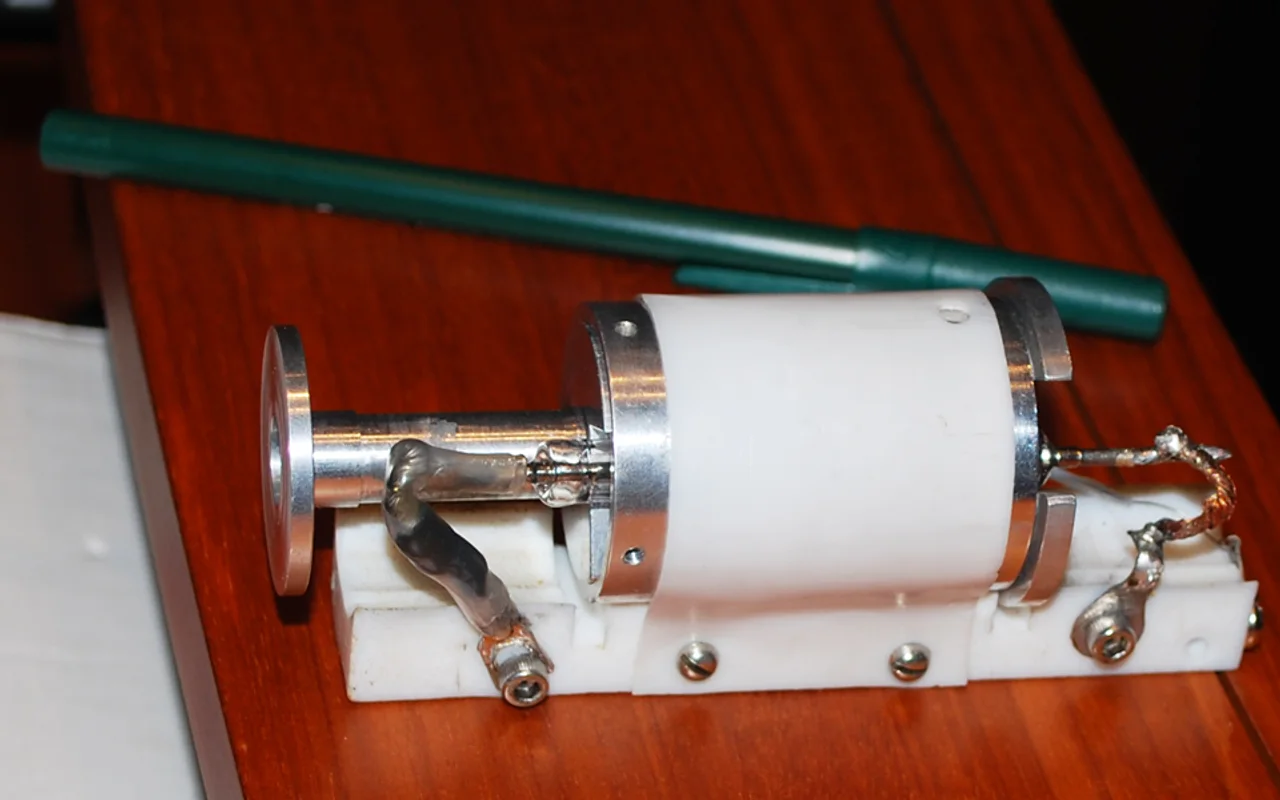
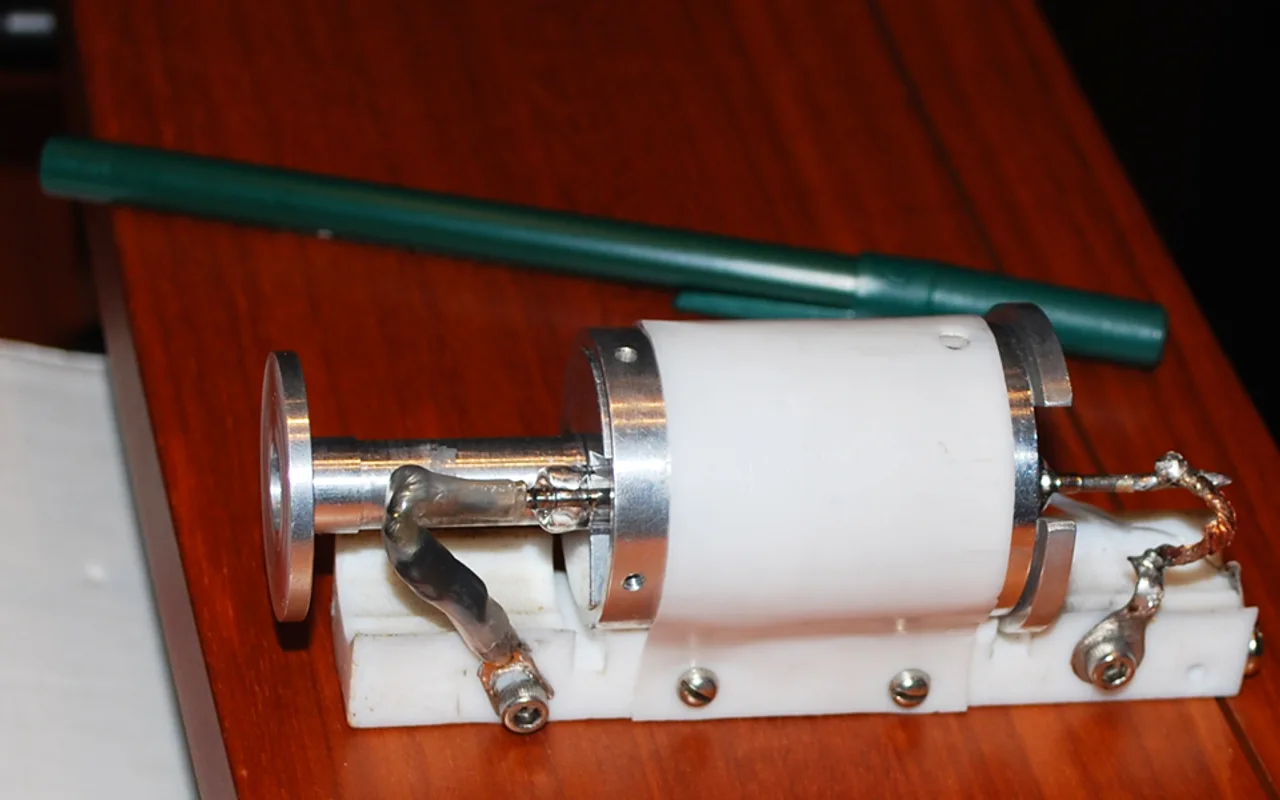
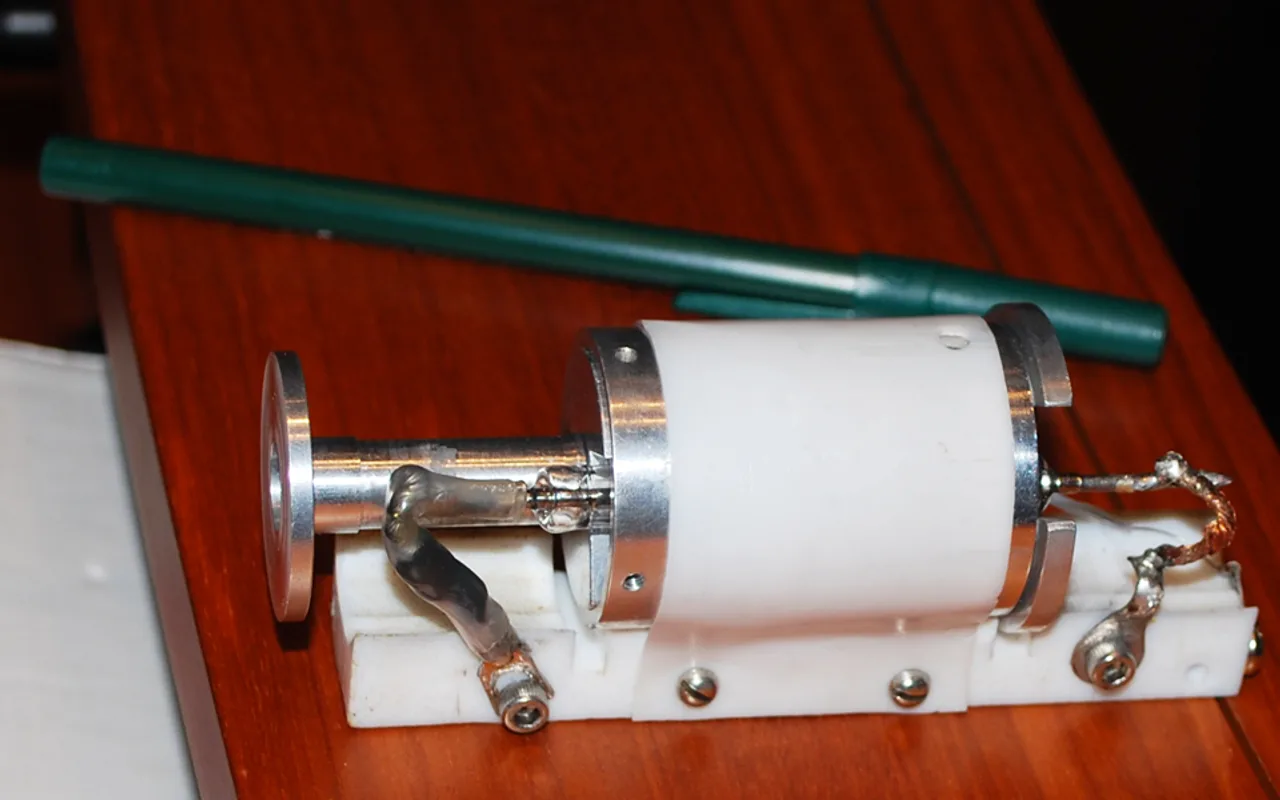
2 Maiman Laser Left Side.jpg

1960–1970 CE · selected laser and low-loss fiber milestones · Americas · Technology

Lasers, fiber optics and modern photonics

Maiman demonstrated a working ruby laser in 1960; Kao and Hockham’s 1966 analysis identified material purity as the route to practical optical communication, and low-loss glass fiber followed in 1970.

Atlas dossier · Cold War & Decolonization

Free device narration · synchronized English captions · transcript available

Why it matters

Lasers and fibers became useful through distinct chains of theory, materials, semiconductor sources, manufacturing and network engineering—not one finished invention—supporting communication, measurement, surgery and industry.

Date
1960–1970 CE · selected laser and low-loss fiber milestones
Historical setting
Cold War & Decolonization · Americas
People & communities
Theodore Maiman · Charles Kao · George Hockham · glass and semiconductor researchers · engineers · technicians · medical users

Laser and fiber were separate breakthroughs

Maiman’s 1960 ruby laser produced a working optical oscillator. Kao and Hockham’s 1966 analysis addressed transmission loss in glass fiber, and low-loss fiber was demonstrated in 1970. Combining the dates shows how a light source and a transmission medium converged without turning them into one invention.

Nobel Prize: Charles Kao and optical fiber

Applications required new systems

Practical photonics depended on semiconductor lasers, purer materials, connectors, detectors, manufacturing and network installation. Medical, industrial and scientific lasers followed different safety and design requirements. The endpoint marks a materials milestone, not instant global broadband or universal access.

Smithsonian: laser collections

Illustrated sequence

A visual presentation accompanying this entry. Read each image’s attribution to distinguish archival records, later depictions and reconstructions.

Interpretation note

Evidence, memory and historical debate

This dossier distinguishes the event’s basic chronology from later arguments about meaning, responsibility and legacy. When comparing religious, national, Indigenous or scholarly interpretations, consult the primary and institutional sources above alongside peer-reviewed historical work.

Elsewhere in the world

Parallel histories near this moment

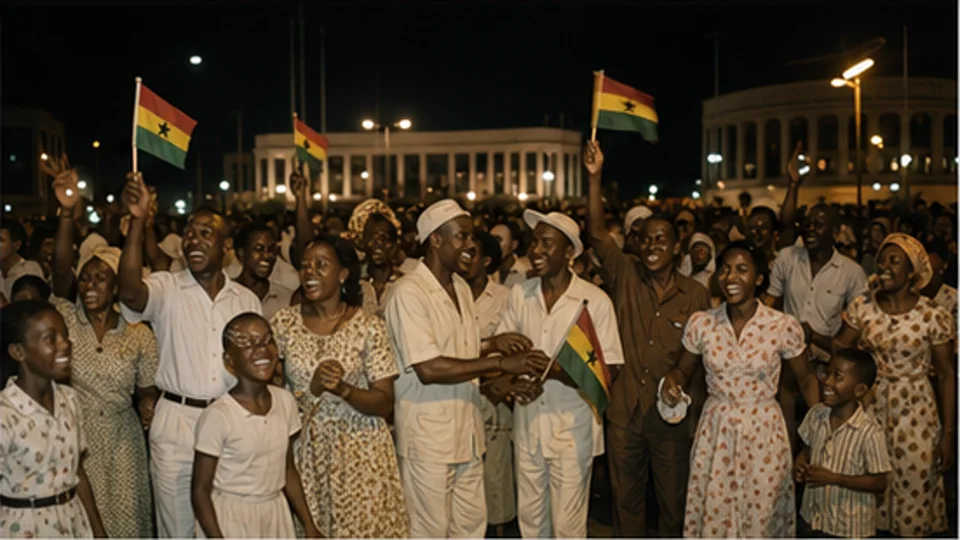
6 March 1957 CE · Gold Coast becomes Ghana · AfricaGhanaian independence

The British colony of the Gold Coast became independent Ghana on 6 March 1957 after strikes, elections, constitutional negotiation and mass anticolonial organizing led through—but not confined to—the Convention People’s Party.

1957–1990 CE · selected satellite and observing milestones · GlobalSpace age and Earth observation

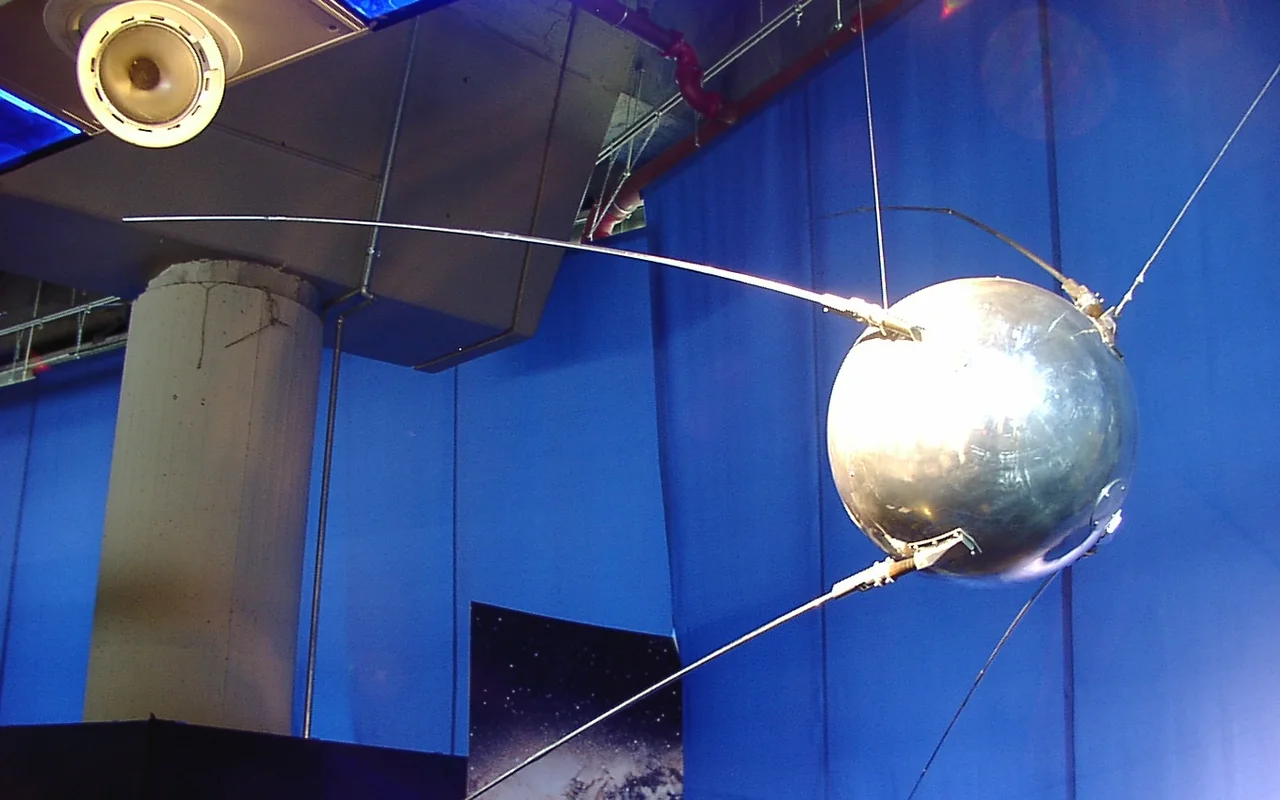
Sputnik 1 inaugurated artificial Earth orbit in 1957; weather, communications and land-observing satellites then developed as distinct systems, while probes and observatories extended research across the Solar System and universe.

1963–1968 CE · selected seafloor evidence and tectonic synthesis · GlobalPlate tectonics and Earth-system science

Seafloor maps, earthquake patterns, paleomagnetic stripes and spreading hypotheses converged during the 1960s into plate tectonics, a framework that explained moving lithospheric plates, ridges, transform faults and subduction.