ATLAS / 1000 BC—PRESENT
How Atlas is sourced← Back to Atlas
Back to Atlas timeline

1628 · Europe · Medicine

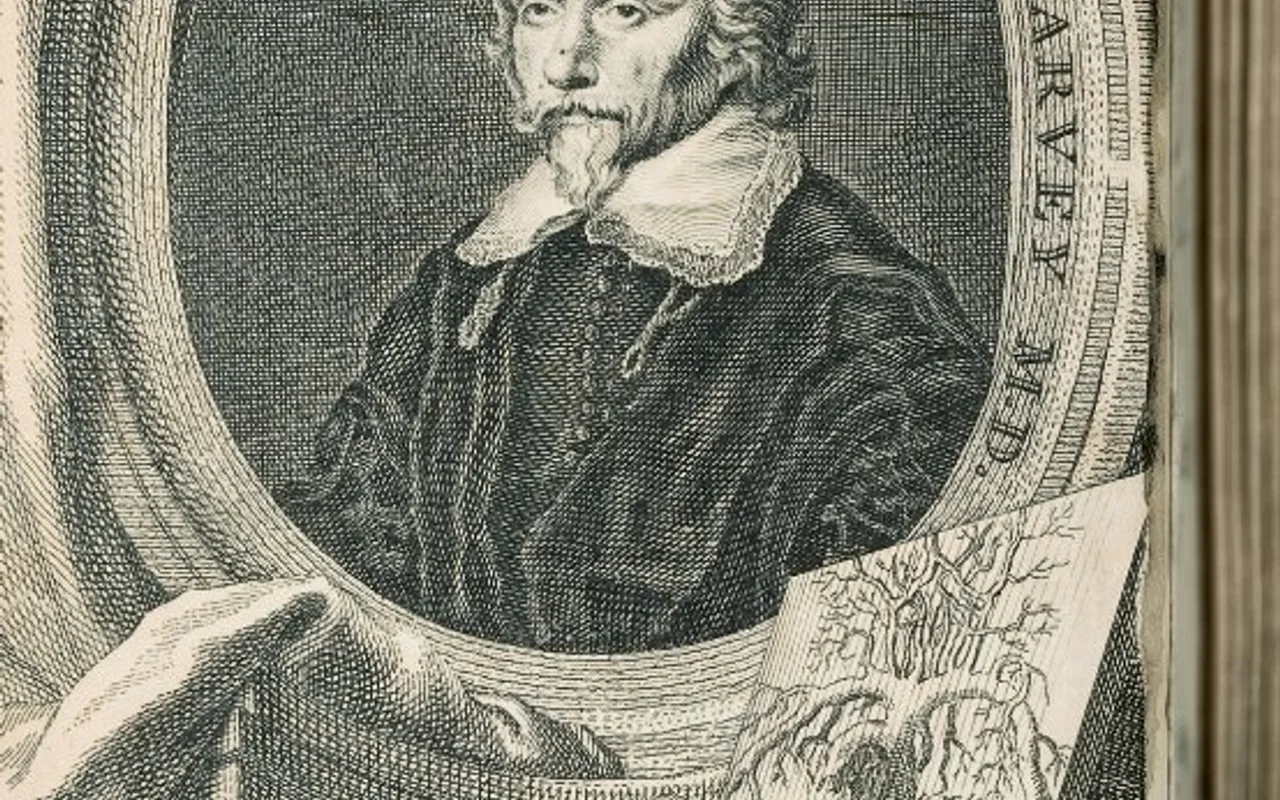
Circulation of the blood

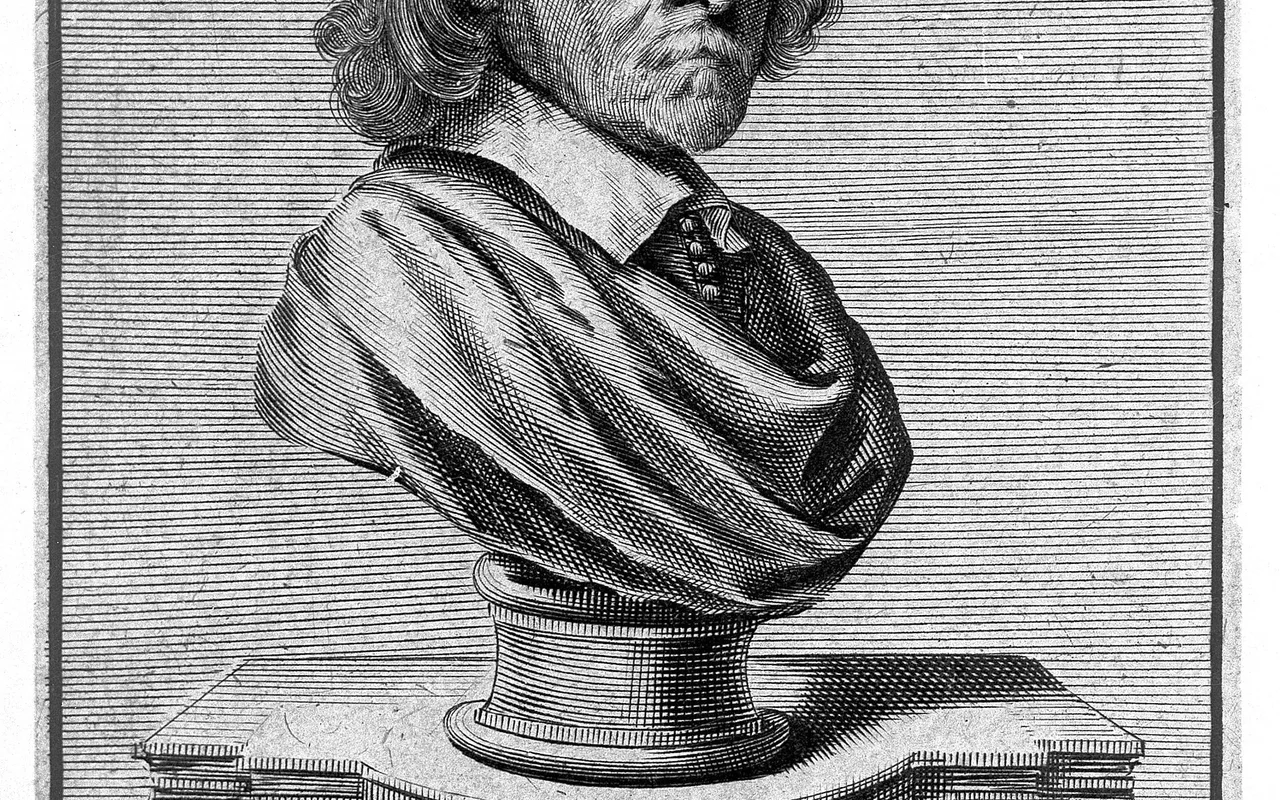
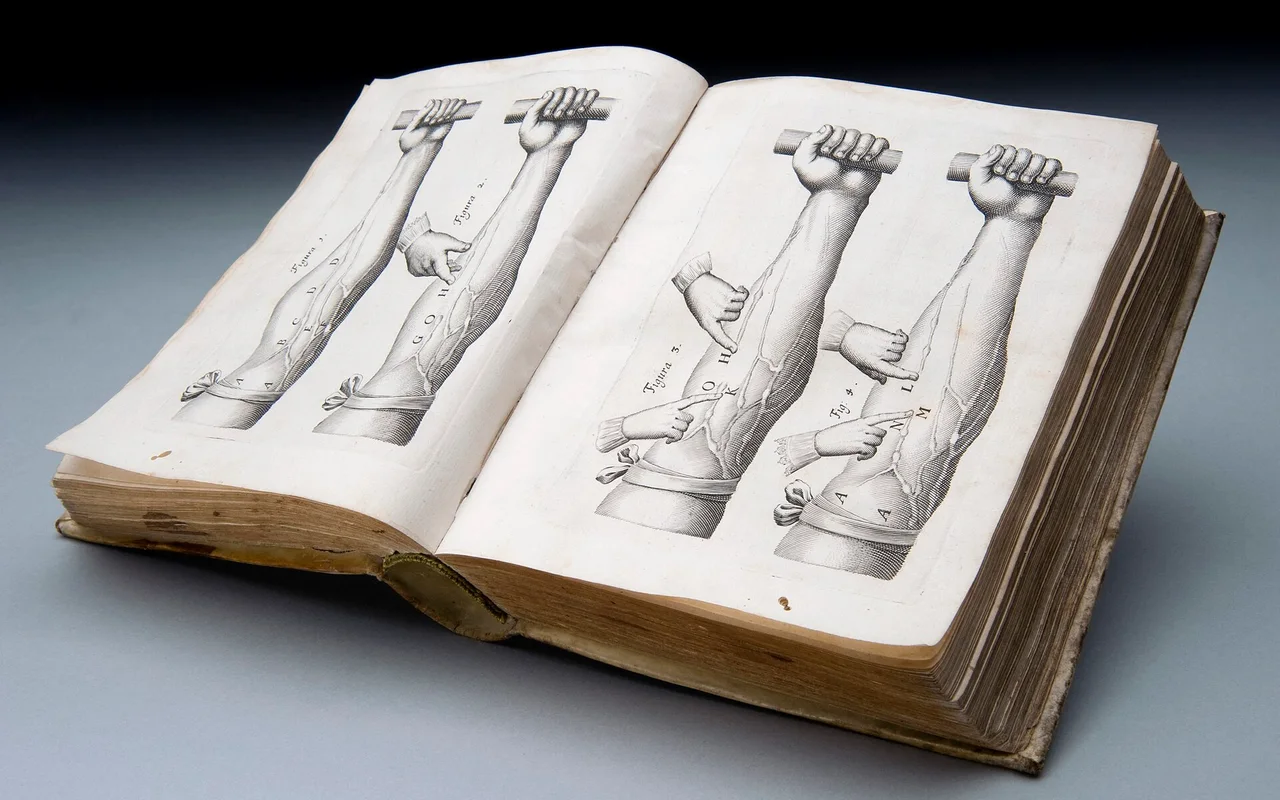
William Harvey argued from experiment and anatomy that the heart pumps blood through a continuous circulation rather than the body continually making and consuming it.

Atlas dossier · Early Modern World

Free device narration · synchronized English captions · transcript available

Why it matters

This work helped shift medicine toward experimental physiology and transformed later understandings of the body.

Date
1628
Historical setting
Early Modern World · Europe
People & communities
William Harvey · anatomists · patients · medical students
01

Event

William Harvey argued from experiment and anatomy that the heart pumps blood through a continuous circulation rather than the body continually making and consuming it.

02

People

William Harvey · anatomists · patients · medical students
03

Consequences

This work helped shift medicine toward experimental physiology and transformed later understandings of the body.

Interpretation note

Evidence, memory and historical debate

This dossier distinguishes the event’s basic chronology from later arguments about meaning, responsibility and legacy. When comparing religious, national, Indigenous or scholarly interpretations, consult the primary and institutional sources above alongside peer-reviewed historical work.

Elsewhere in the world

Parallel histories near this moment

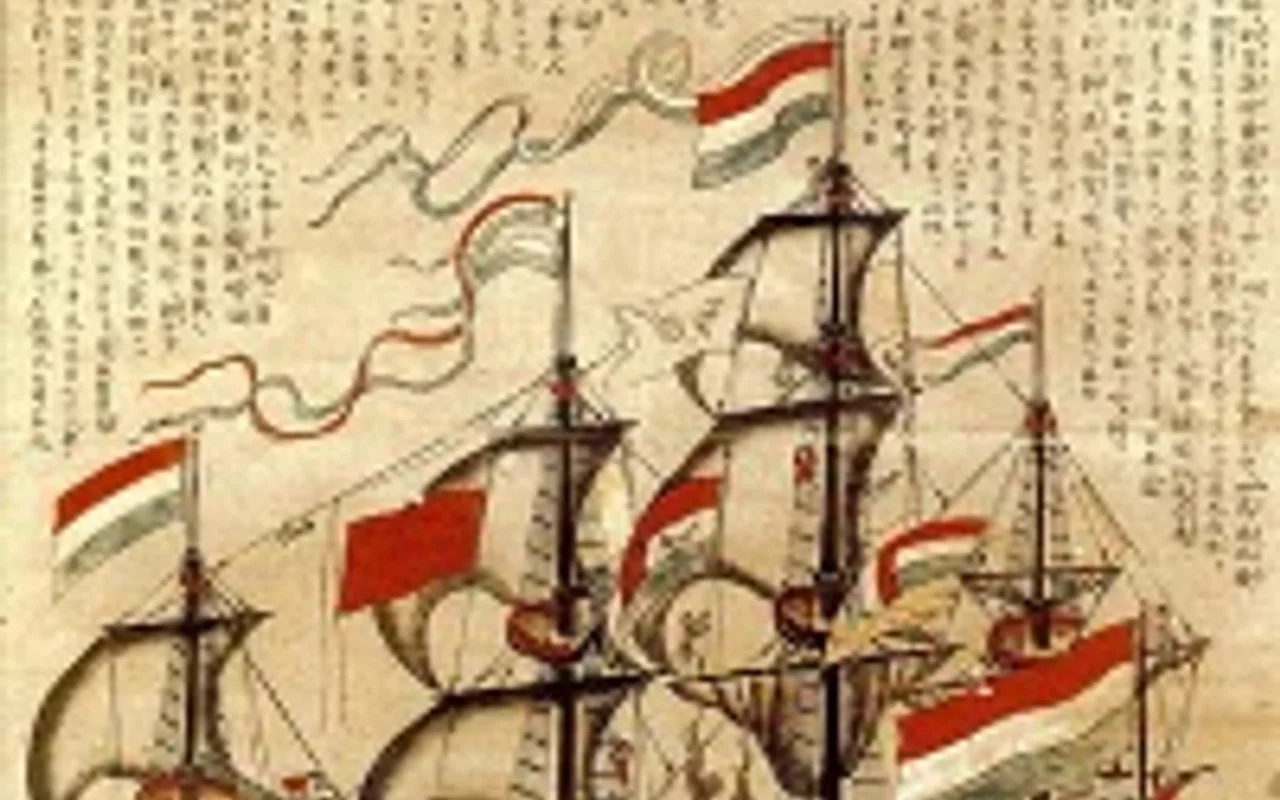
1602–1720 · GlobalJoint-stock companies, exchanges and global finance

The Dutch East India Company, the Amsterdam exchange, insurance and public debt helped create durable institutions for pooling capital, trading shares and financing long-distance commerce.

1680–1901 · AfricaAsante Empire

Osei Tutu and Okomfo Anokye helped unite Akan states around Kumasi and the Golden Stool; a sophisticated confederacy grew through military power, diplomacy, law and gold and kola trade.

1526–1857 · AsiaMughal India

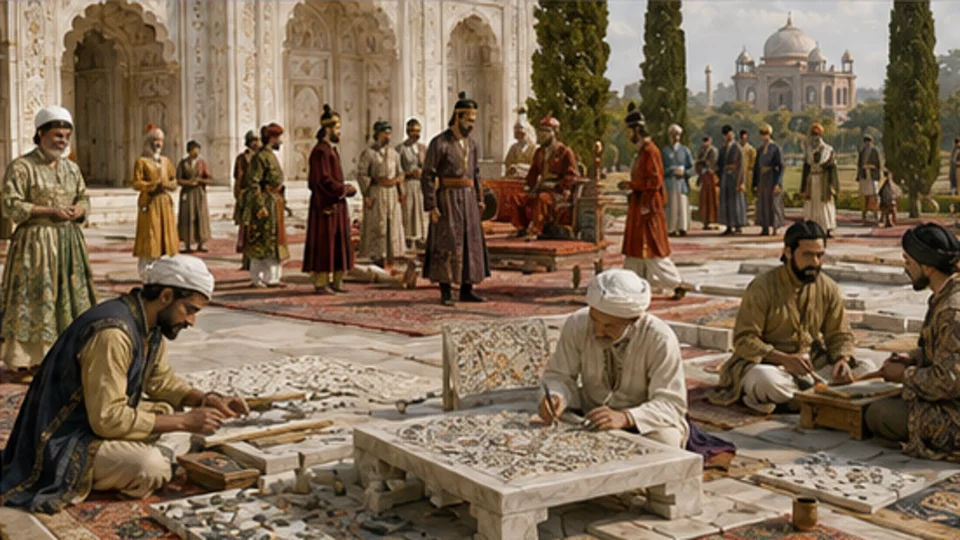
Mughal rulers governed much of South Asia through negotiated sovereignty, taxation and military power while court culture supported major architecture, painting and literature.