ATLAS / 1000 BC—PRESENT
How Atlas is sourced← Back to Atlas
Back to Atlas timeline

1680–1901 · Africa · Empire

Asante Empire

Osei Tutu and Okomfo Anokye helped unite Akan states around Kumasi and the Golden Stool; a sophisticated confederacy grew through military power, diplomacy, law and gold and kola trade.

Atlas dossier · Early Modern World

Free device narration · synchronized English captions · transcript available

Why it matters

Asante statecraft and cultural continuity are indispensable to West African history and modern Ghanaian identity.

Date
1680–1901
Historical setting
Early Modern World · Africa
People & communities
Osei Tutu · Okomfo Anokye · Opoku Ware I · Kwaku Dua I
01

Event

Osei Tutu and Okomfo Anokye helped unite Akan states around Kumasi and the Golden Stool; a sophisticated confederacy grew through military power, diplomacy, law and gold and kola trade.

02

People

Osei Tutu · Okomfo Anokye · Opoku Ware I · Kwaku Dua I
03

Consequences

Asante statecraft and cultural continuity are indispensable to West African history and modern Ghanaian identity.

Interpretation note

Evidence, memory and historical debate

This dossier distinguishes the event’s basic chronology from later arguments about meaning, responsibility and legacy. When comparing religious, national, Indigenous or scholarly interpretations, consult the primary and institutional sources above alongside peer-reviewed historical work.

Elsewhere in the world

Parallel histories near this moment

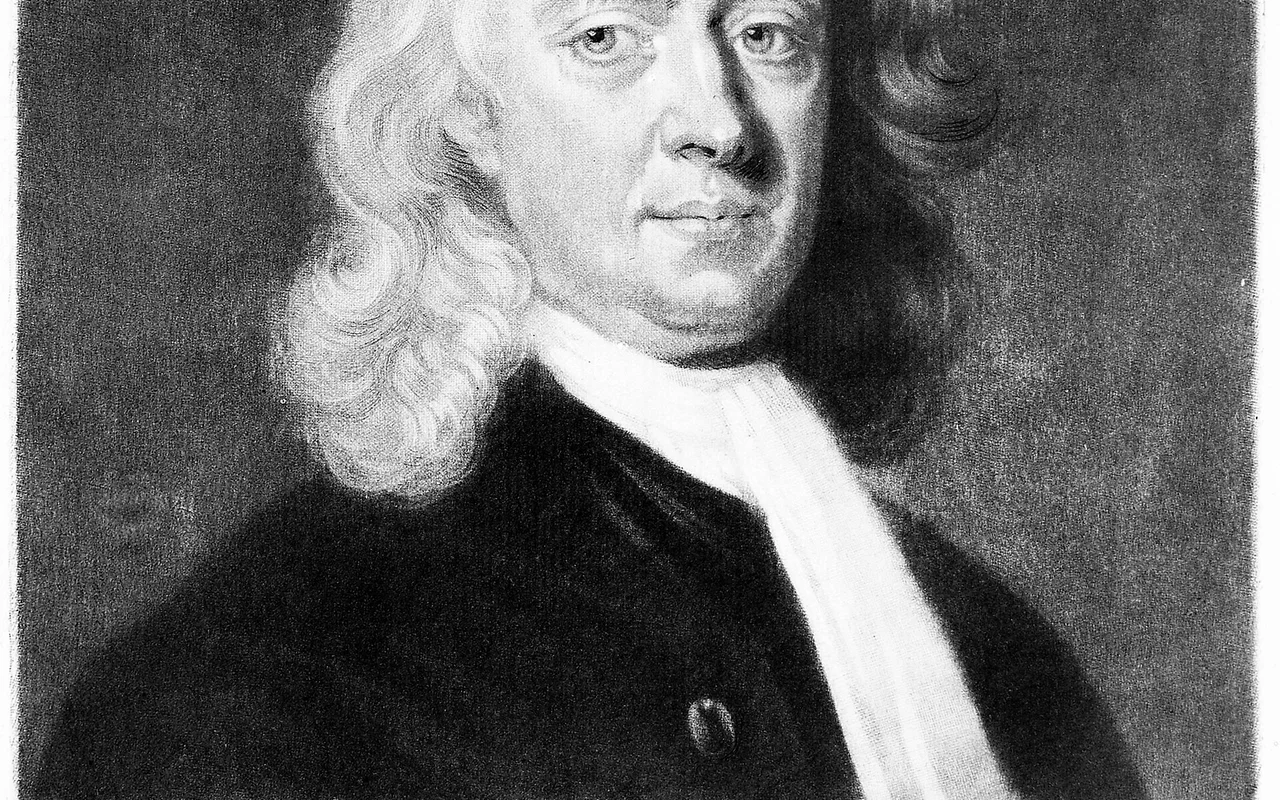
1687 · EuropeNewtonian physics

Isaac Newton’s Principia connected terrestrial motion and celestial motion through mathematical laws of motion and universal gravitation.

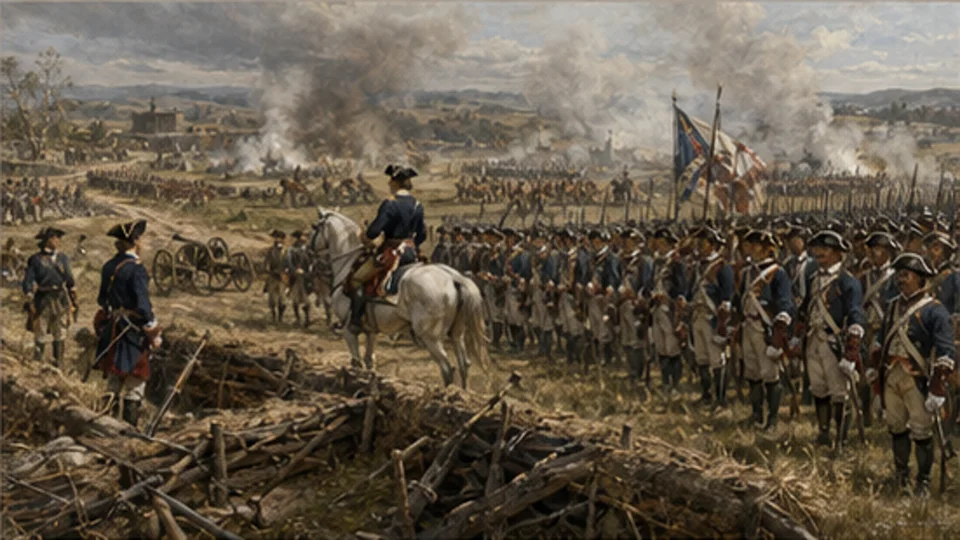
1700–1721 · EuropeGreat Northern War

Russia and a coalition challenged Swedish power across the Baltic; victory at Poltava helped establish Russia as a leading European empire.

1701–1714 · EuropeWar of the Spanish Succession

A dynastic struggle redrew alliances and accelerated the global competition of European empires.