ATLAS / ANCIENT—PRESENT
All historyHow Atlas is sourced← Back to Atlas
Back to Atlas timeline
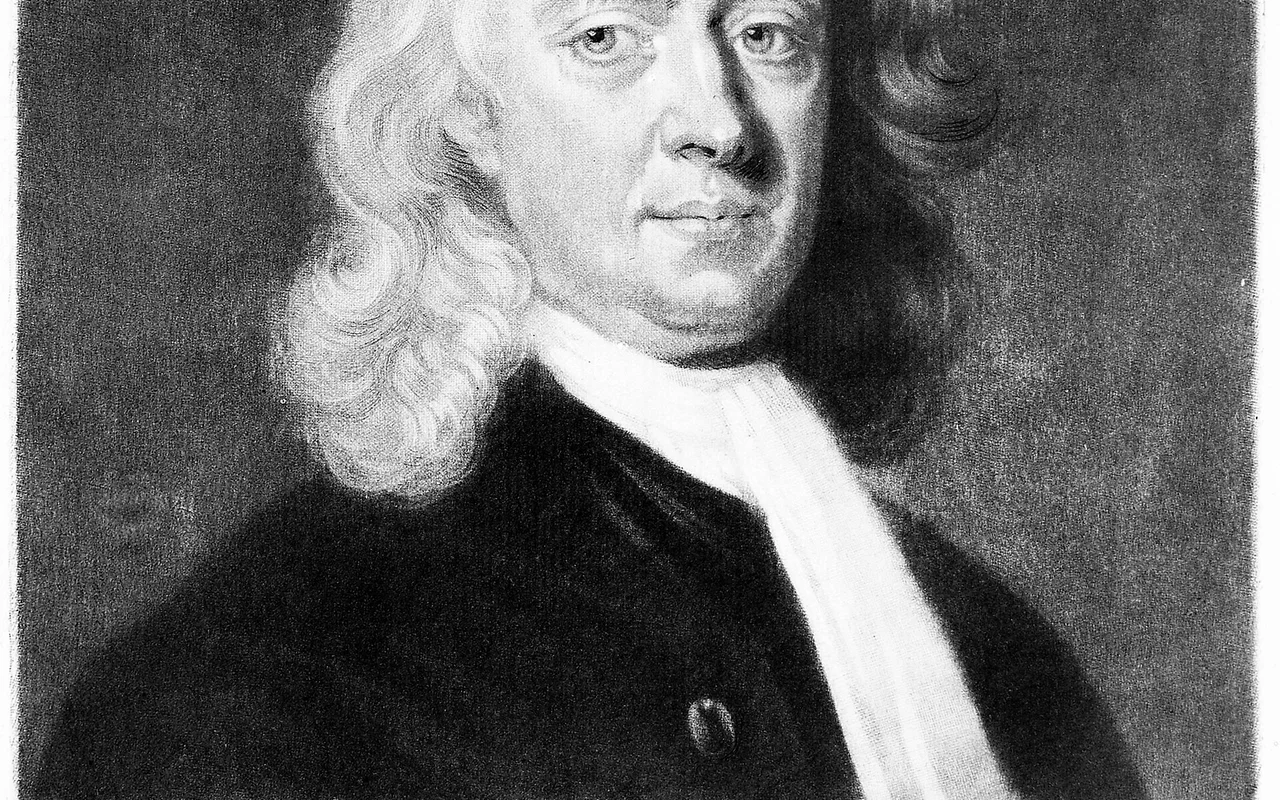
Portrait of Sir Isaac Newton. Wellcome M0006354.jpg

1687 CE · Europe · Science

Newtonian physics

Isaac Newton’s Principia connected terrestrial motion and celestial motion through mathematical laws of motion and universal gravitation.

Atlas dossier · Early Modern World

Free device narration · synchronized English captions · transcript available

Why it matters

Newtonian physics became a powerful framework for prediction, engineering and the ideal of a mathematically legible natural world.

Date
1687 CE
Historical setting
Early Modern World · Europe
People & communities
Isaac Newton · Edmond Halley · Royal Society fellows · mathematicians
The work of getting a theory into print

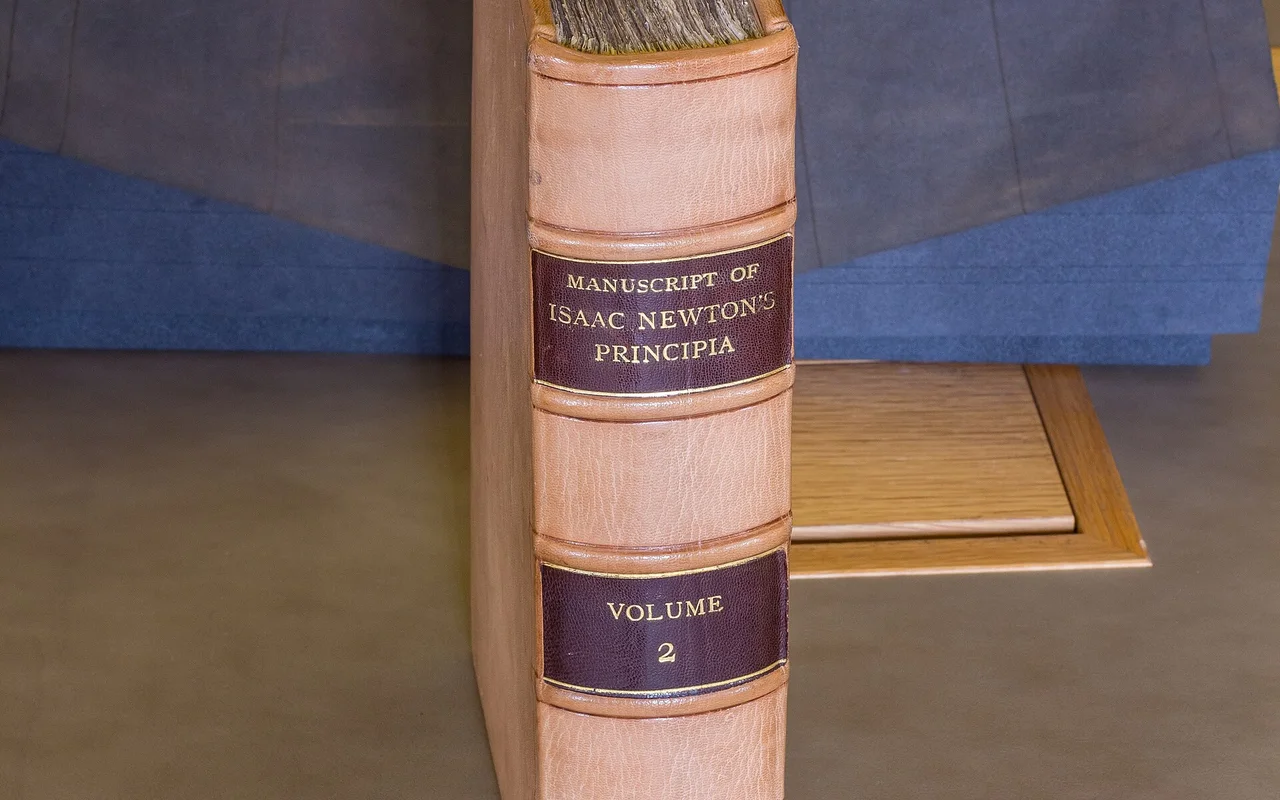
Principia appeared in 1687. Edmond Halley encouraged Newton to develop and publish the work; the surviving printer’s manuscript contains corrections by both men. The book brought laws of motion and gravity into a mathematical framework, while its production also depended on copying, printing and institutional support.

Royal Society: the Principia manuscript and publication

Illustrated sequence

A visual presentation accompanying this entry. Read each image’s attribution to distinguish archival records, later depictions and reconstructions.

Portrait of Sir Isaac Newton. Wellcome M0006354.jpg
IMAGE 1

Visual record

Rights-cleared archival or official image · CC BY 4.0

Portrait of Sir Isaac Newton. Wellcome M0006354.jpg — Wikimedia Commons contributor; CC BY 4.0; via Wikimedia Commons

Source and reuse terms ↗
Newtonian physics: people and action
IMAGE 2

Another perspective

Rights-cleared archival or official image · Public domain

Royal Society - Isaac Newton’s Philosophiae Naturalis Principia Mathematica manuscript.jpg — Photographed at the Royal Society, London, with the kind permission of the Royal Society Library, as part of WikiProject Royal Society. Photograph by Mike Peel (www.mikepeel.net).; Public domain; via Wikimedia Commons

Source and reuse terms ↗
Newtonian physics: setting and consequences
IMAGE 3

Another perspective

Rights-cleared archival or official image · Public domain

PSM V69 D480 Reflecting telescope made by isaac newton.png — Unknown authorUnknown author; Public domain; via Wikimedia Commons

Source and reuse terms ↗

Interpretation note

Evidence, memory and historical debate

This dossier distinguishes the event’s basic chronology from later arguments about meaning, responsibility and legacy. When comparing religious, national, Indigenous or scholarly interpretations, consult the primary and institutional sources above alongside peer-reviewed historical work.

Elsewhere in the world

Parallel histories near this moment

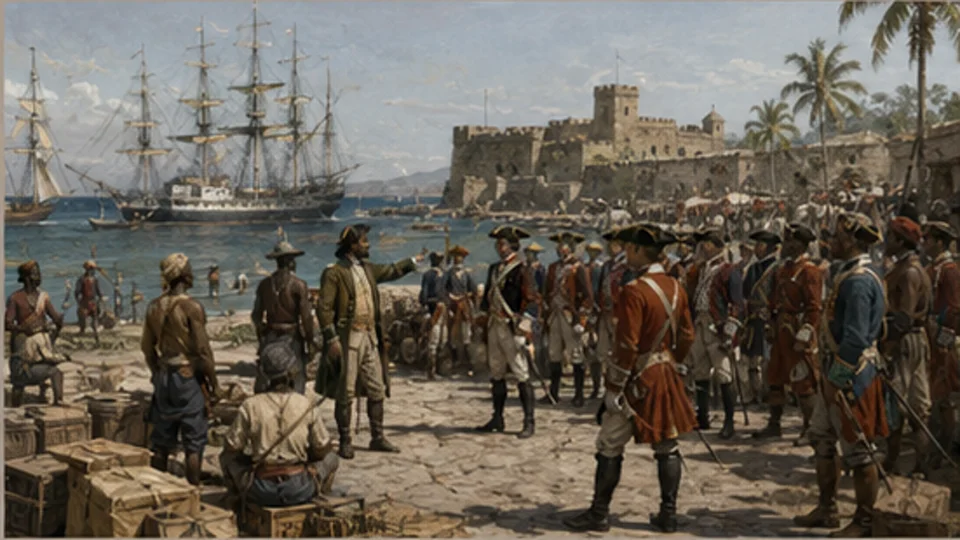
c. 1680–1901 CE · state formation to colonial annexation · AfricaAsante Empire

Osei Tutu and Okomfo Anokye helped unite Akan states around Kumasi and the Golden Stool; a sophisticated confederacy grew through military power, diplomacy, law and gold and kola trade.

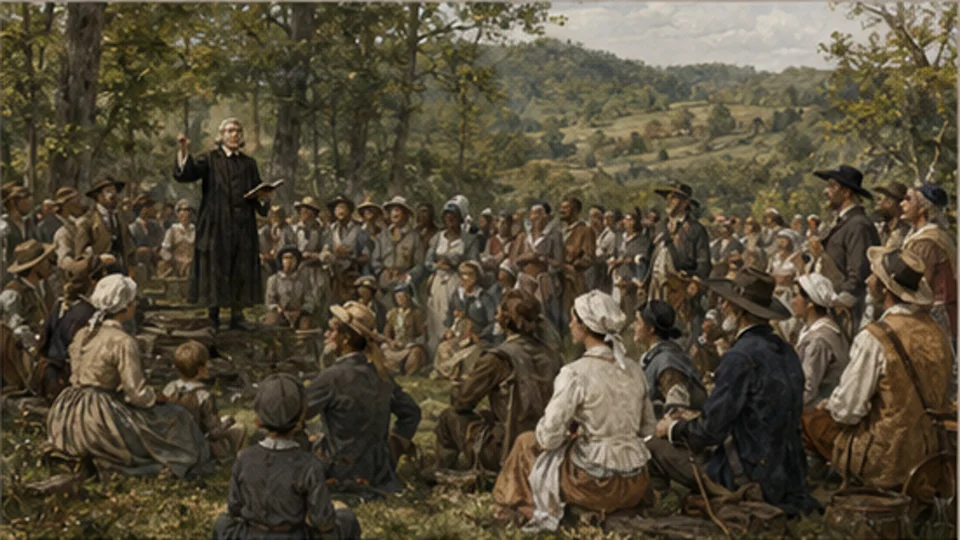
c. 1730–1760 CE · regional revival movements · AmericasThe Great Awakening

Revival movements transformed Protestant worship, print culture and ideas of individual conscience.

1752–1831 CE · GlobalElectricity and electromagnetism

Experiments on charge, batteries, current and electromagnetic induction established the principles that would later power generators, motors and electrical networks.