ATLAS / ANCIENT—PRESENT
All historyHow Atlas is sourced← Back to Atlas
Back to Atlas timeline
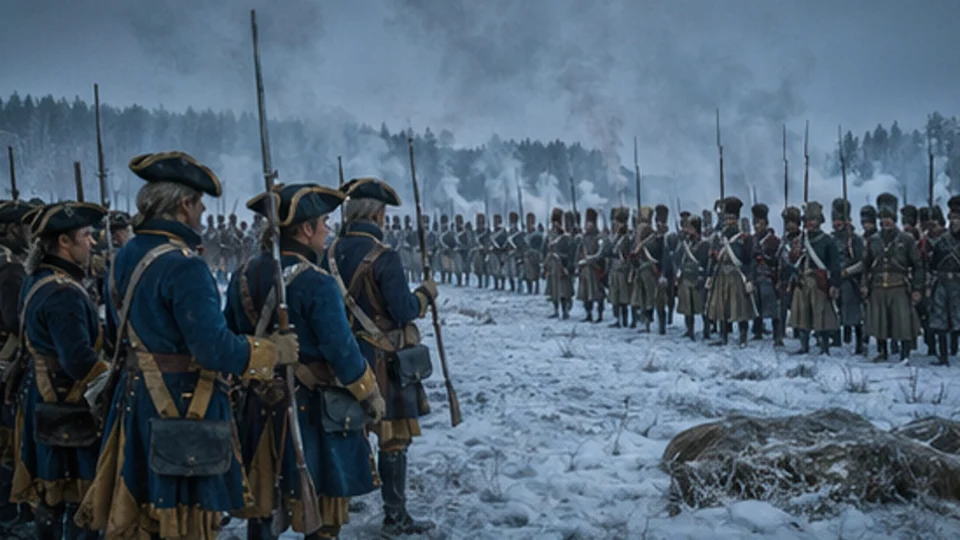
Great Northern War — original Atlas editorial reconstruction

1700–1721 CE · coalition war ending at Nystad · Europe · War

Great Northern War

Russia and changing coalition partners challenged Swedish power across the Baltic; Poltava in 1709 was pivotal, while the 1721 Treaty of Nystad closes the displayed war.

Atlas dossier · Early Modern World

Free device narration · synchronized English captions · transcript available

Why it matters

The war reordered Scandinavian, Baltic, Polish-Lithuanian and Russian power and accelerated Peter I’s military state-building.

Date
1700–1721 CE · coalition war ending at Nystad
Historical setting
Early Modern World · Europe
People & communities
Peter I · Charles XII · Baltic and Ukrainian communities · coalition armies

Poltava was pivotal, not the endpoint

Sweden’s defeat at Poltava in 1709 changed the war’s balance, but fighting continued for more than a decade. The displayed 1721 endpoint follows the Treaty of Nystad, avoiding the false impression that one battle immediately settled the Baltic conflict.

Library of Congress: Great Northern War research collection ↗

Changing coalitions and contested regions

Denmark–Norway, Saxony–Poland-Lithuania and Russia entered the conflict against Sweden, but alliances and campaigns changed. Baltic, Polish-Lithuanian and Ukrainian communities were not merely scenery for Peter I and Charles XII; occupation, requisition and political choices affected them directly.

Academic research on the Great Northern War ↗

Illustrated sequence

Silent pan-and-zoom motion derivative of the Great Northern War reconstruction; not archival footage.

Interpretation note

Evidence, memory and historical debate

This dossier distinguishes the event’s basic chronology from later arguments about meaning, responsibility and legacy. When comparing religious, national, Indigenous or scholarly interpretations, consult the primary and institutional sources above alongside peer-reviewed historical work.

Elsewhere in the world

Parallel histories near this moment

c. 1680–1901 CE · state formation to colonial annexation · AfricaAsante Empire

Osei Tutu and Okomfo Anokye helped unite Akan states around Kumasi and the Golden Stool; a sophisticated confederacy grew through military power, diplomacy, law and gold and kola trade.

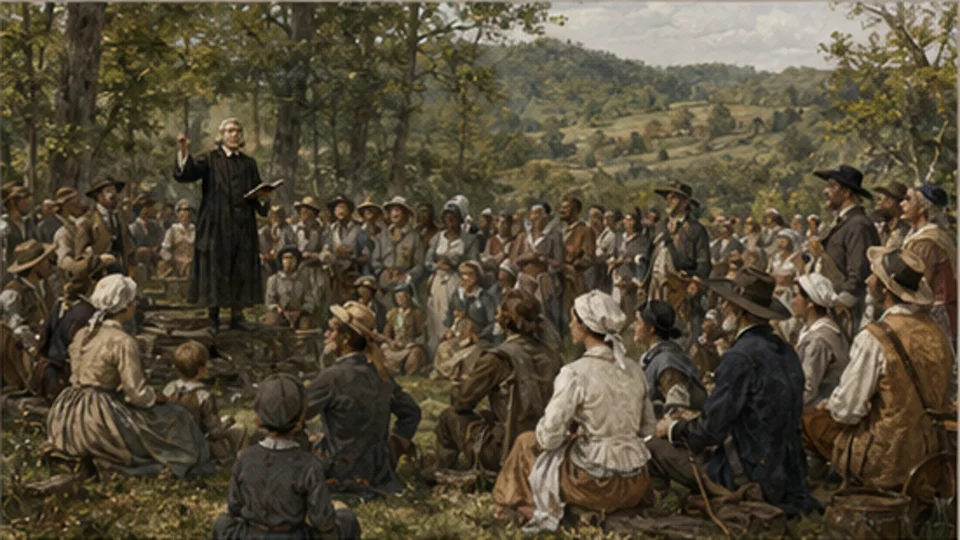
c. 1730–1760 CE · regional revival movements · AmericasThe Great Awakening

Revival movements transformed Protestant worship, print culture and ideas of individual conscience.

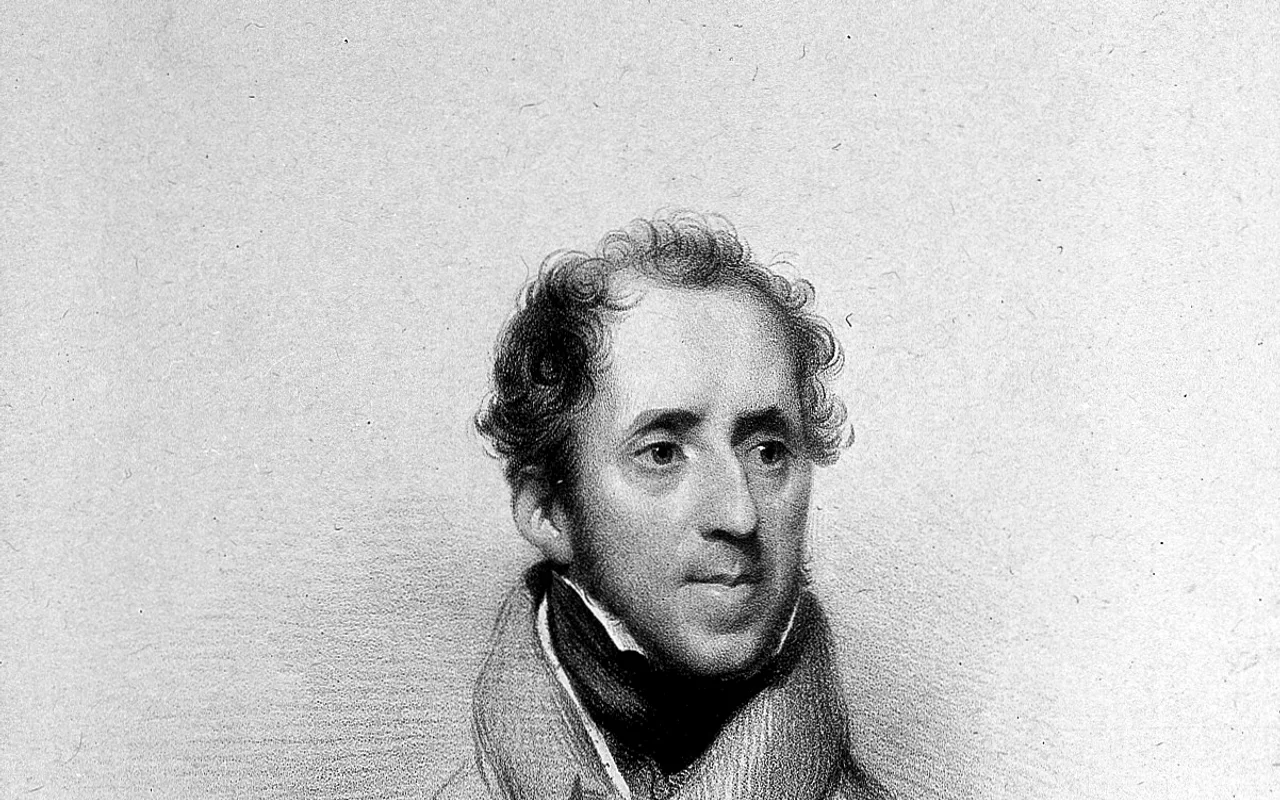
1752–1831 CE · GlobalElectricity and electromagnetism

Experiments on charge, batteries, current and electromagnetic induction established the principles that would later power generators, motors and electrical networks.

Explore the connections

The Kalmar Union: three kingdoms, contested authority →