ATLAS / ANCIENT—PRESENT
All historyHow Atlas is sourced← Back to Atlas
Back to Atlas timeline
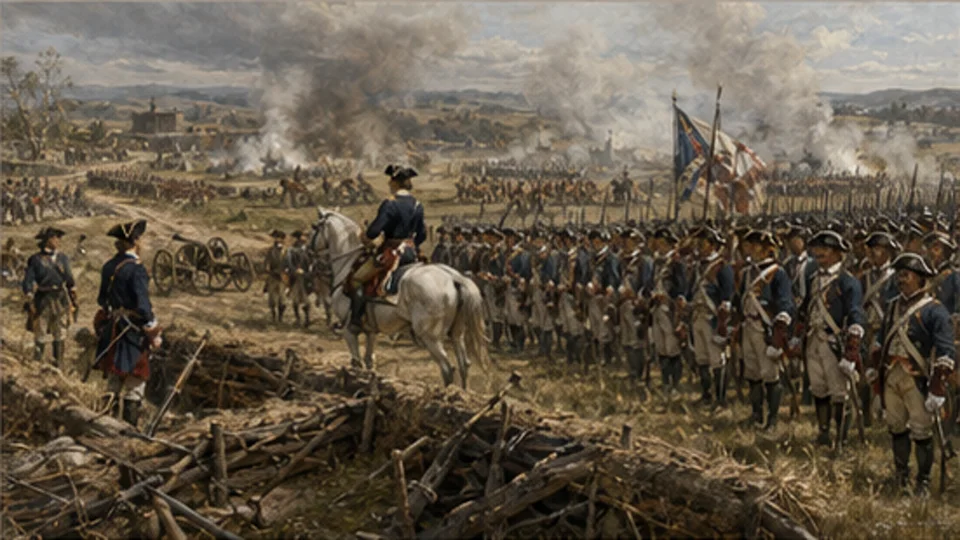
War of the Spanish Succession — original Atlas editorial reconstruction

1701–1714 CE · European and imperial conflict · Europe · War

War of the Spanish Succession

A dispute over the Spanish succession became a coalition war fought in Europe and imperial theatres, with burdens extending far beyond royal courts.

Atlas dossier · Enlightenment & Revolutions

Free device narration · synchronized English captions · transcript available

Why it matters

The Utrecht settlements of 1713 and further treaties in 1714 redistributed territories and commercial privileges without ending European imperial rivalry.

Date
1701–1714 CE · European and imperial conflict
Historical setting
Enlightenment & Revolutions · Europe
People & communities
Louis XIV · Queen Anne · Grand Alliance

A royal succession became a coalition war

The death of Charles II of Spain without an heir triggered rival Bourbon and Habsburg claims, but the conflict involved changing alliances, military finance, civilians and overseas possessions. It should not be reduced to a family dispute between monarchs.

UK National Archives: War of the Spanish Succession research shelf ↗

1713 and 1714 are different settlement stages

The treaties of Utrecht in 1713 settled major parts of the conflict. Agreements at Rastatt and Baden followed in 1714. The dossier ends in 1714 to include that later stage, without implying that imperial competition or every disputed claim disappeared.

Library of Congress: War of the Spanish Succession collection ↗

Illustrated sequence

Silent pan-and-zoom motion derivative of the War of the Spanish Succession reconstruction; not archival footage.

Interpretation note

Evidence, memory and historical debate

This dossier distinguishes the event’s basic chronology from later arguments about meaning, responsibility and legacy. When comparing religious, national, Indigenous or scholarly interpretations, consult the primary and institutional sources above alongside peer-reviewed historical work.

Elsewhere in the world

Parallel histories near this moment

c. 1680–1901 CE · state formation to colonial annexation · AfricaAsante Empire

Osei Tutu and Okomfo Anokye helped unite Akan states around Kumasi and the Golden Stool; a sophisticated confederacy grew through military power, diplomacy, law and gold and kola trade.

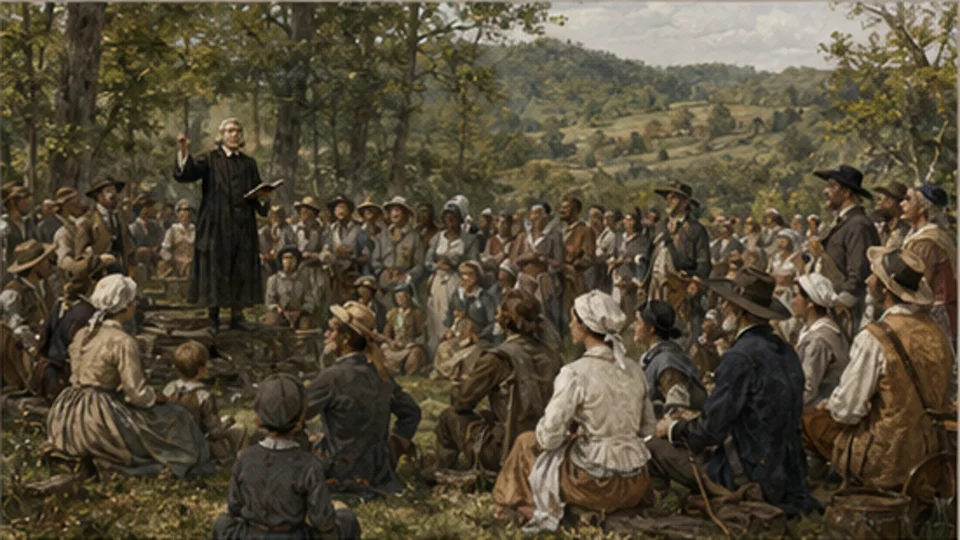
c. 1730–1760 CE · regional revival movements · AmericasThe Great Awakening

Revival movements transformed Protestant worship, print culture and ideas of individual conscience.

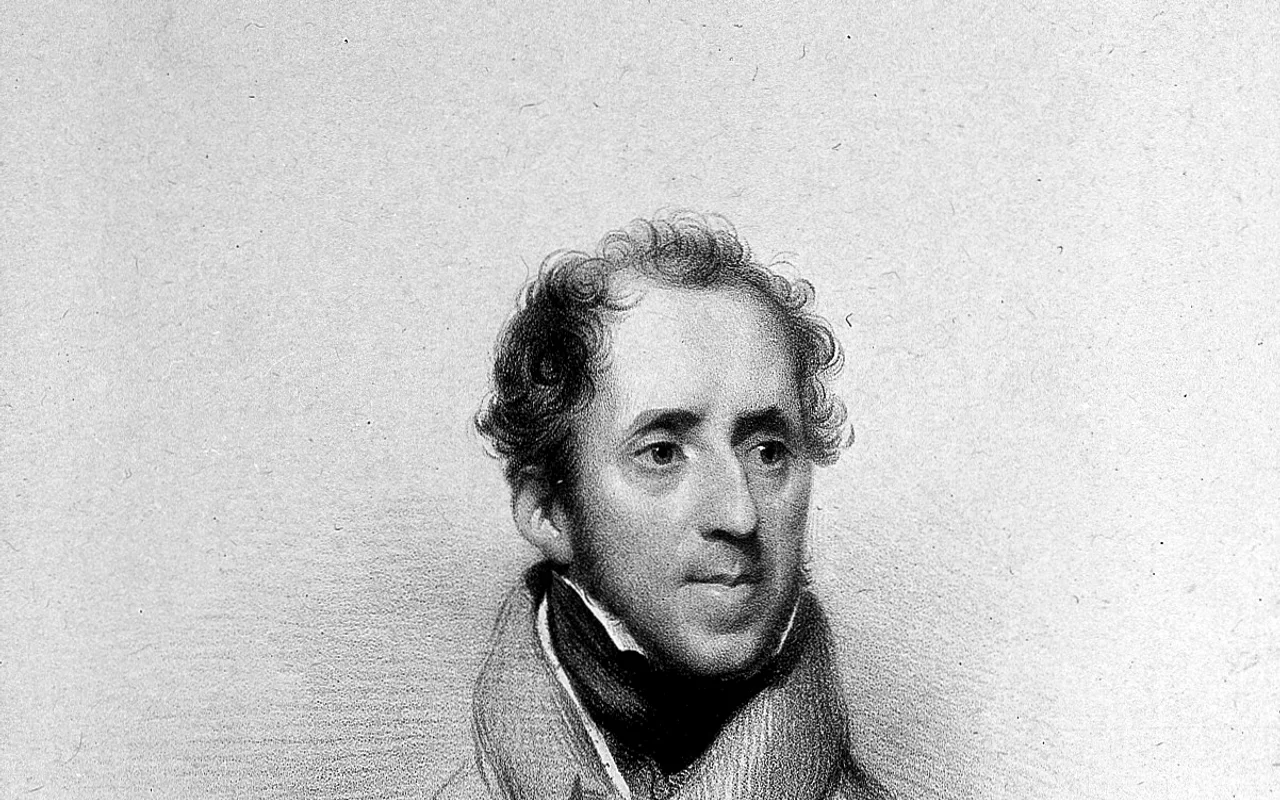
1752–1831 CE · GlobalElectricity and electromagnetism

Experiments on charge, batteries, current and electromagnetic induction established the principles that would later power generators, motors and electrical networks.