ATLAS / 1000 BC—PRESENT
How Atlas is sourced← Back to Atlas
Back to Atlas timeline

1712–1769 · Europe · Technology

Steam power and industrial energy

Newcomen and then Watt steam engines converted heat from coal into mechanical work that could pump mines, drive machinery and move transport systems.

Atlas dossier · Early Modern World

Free device narration · synchronized English captions · transcript available

Why it matters

Steam power made industrialization possible at unprecedented scale while linking innovation to coal extraction, labor discipline and pollution.

Date
1712–1769
Historical setting
Early Modern World · Europe
People & communities
Thomas Newcomen · James Watt · miners · engineers · factory workers
01

Event

Newcomen and then Watt steam engines converted heat from coal into mechanical work that could pump mines, drive machinery and move transport systems.

02

People

Thomas Newcomen · James Watt · miners · engineers · factory workers
03

Consequences

Steam power made industrialization possible at unprecedented scale while linking innovation to coal extraction, labor discipline and pollution.

Interpretation note

Evidence, memory and historical debate

This dossier distinguishes the event’s basic chronology from later arguments about meaning, responsibility and legacy. When comparing religious, national, Indigenous or scholarly interpretations, consult the primary and institutional sources above alongside peer-reviewed historical work.

Elsewhere in the world

Parallel histories near this moment

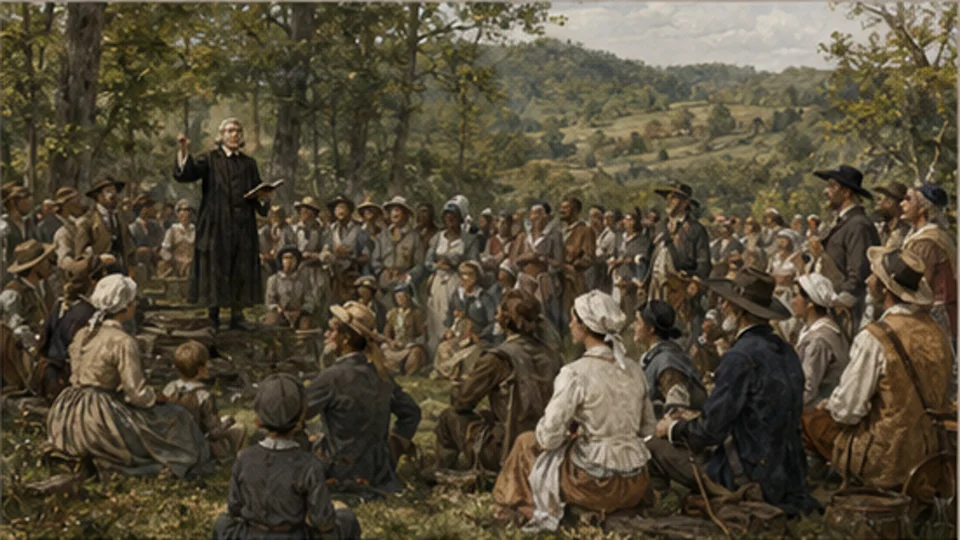
1730–1760 · AmericasThe Great Awakening

Revival movements transformed Protestant worship, print culture and ideas of individual conscience.

1680–1901 · AfricaAsante Empire

Osei Tutu and Okomfo Anokye helped unite Akan states around Kumasi and the Golden Stool; a sophisticated confederacy grew through military power, diplomacy, law and gold and kola trade.

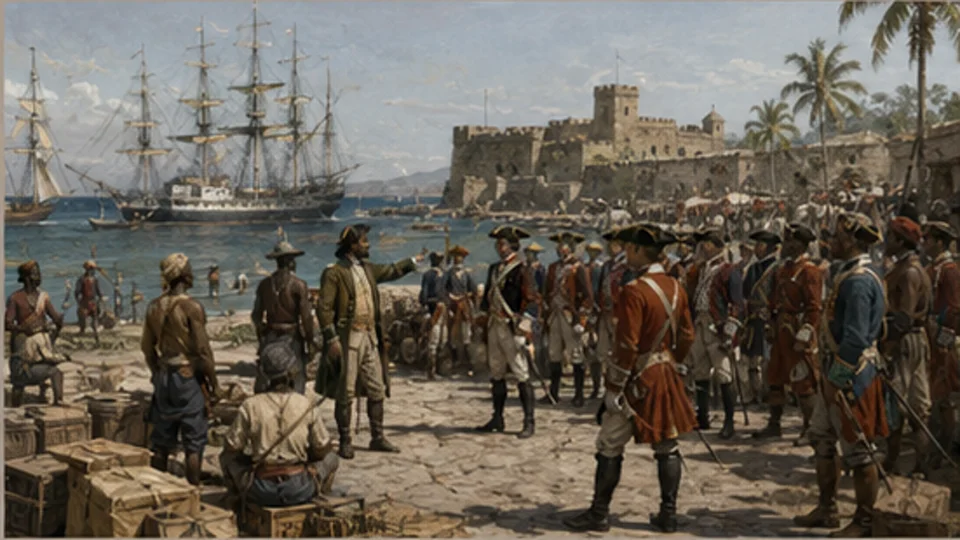
1756–1763 · GlobalSeven Years’ War

Fighting across Europe, the Americas, West Africa and Asia became a prototype of global war.