ATLAS / 1000 BC—PRESENT
How Atlas is sourced← Back to Atlas
Back to Atlas timeline

2600 BC–-1900 · Asia · Trade

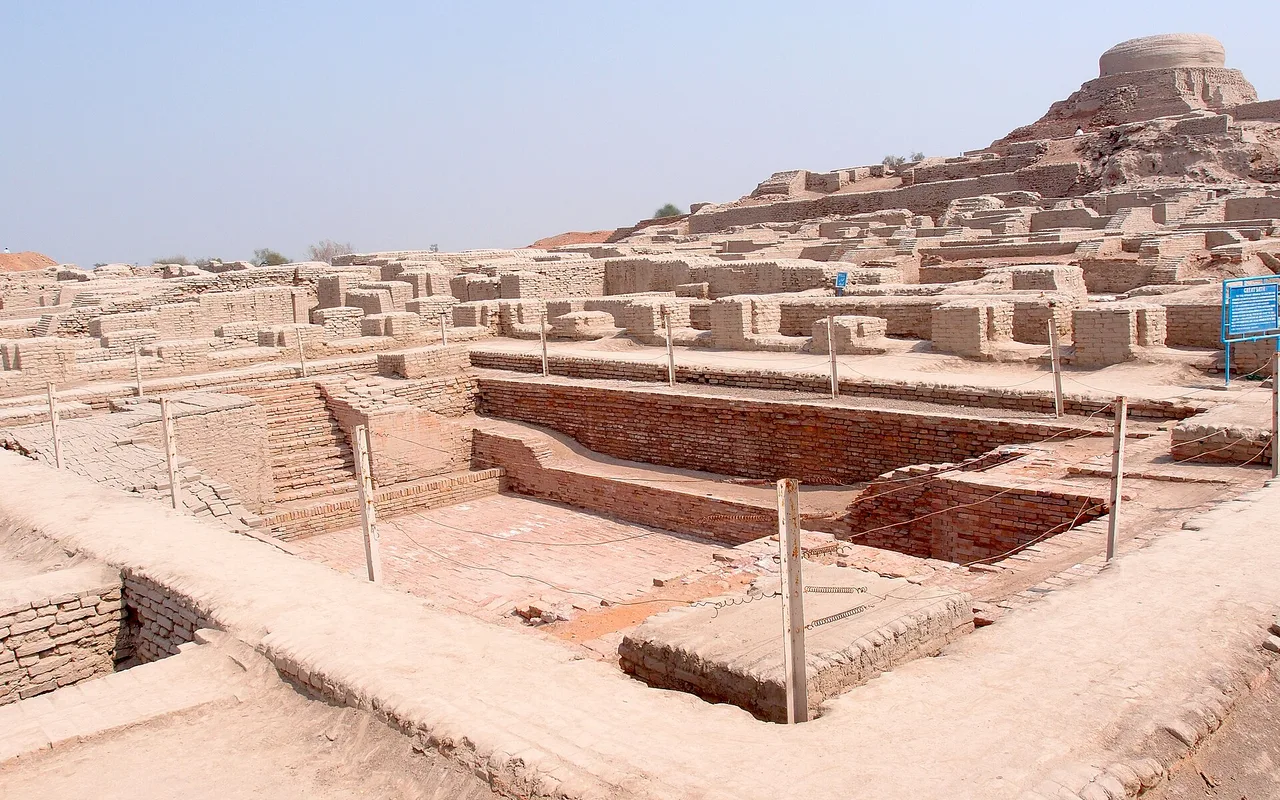
Indus Valley cities and regional exchange

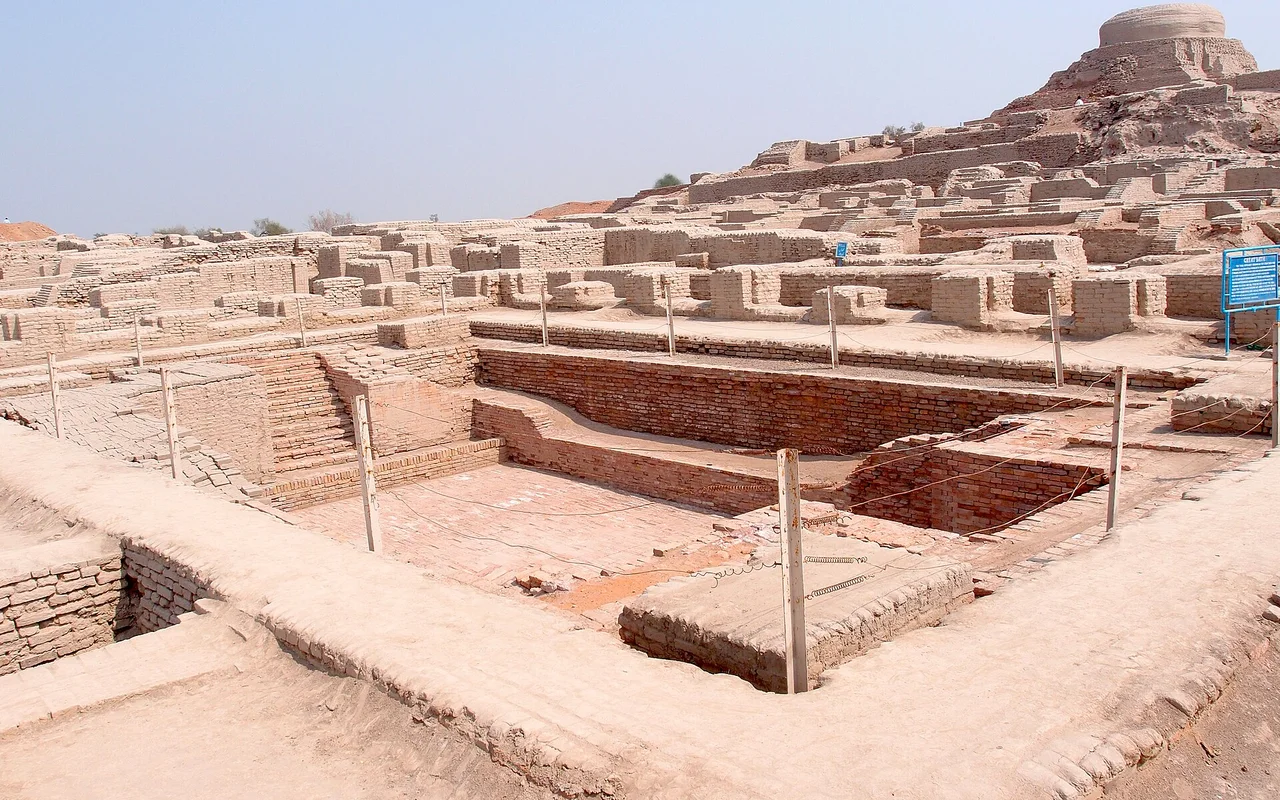
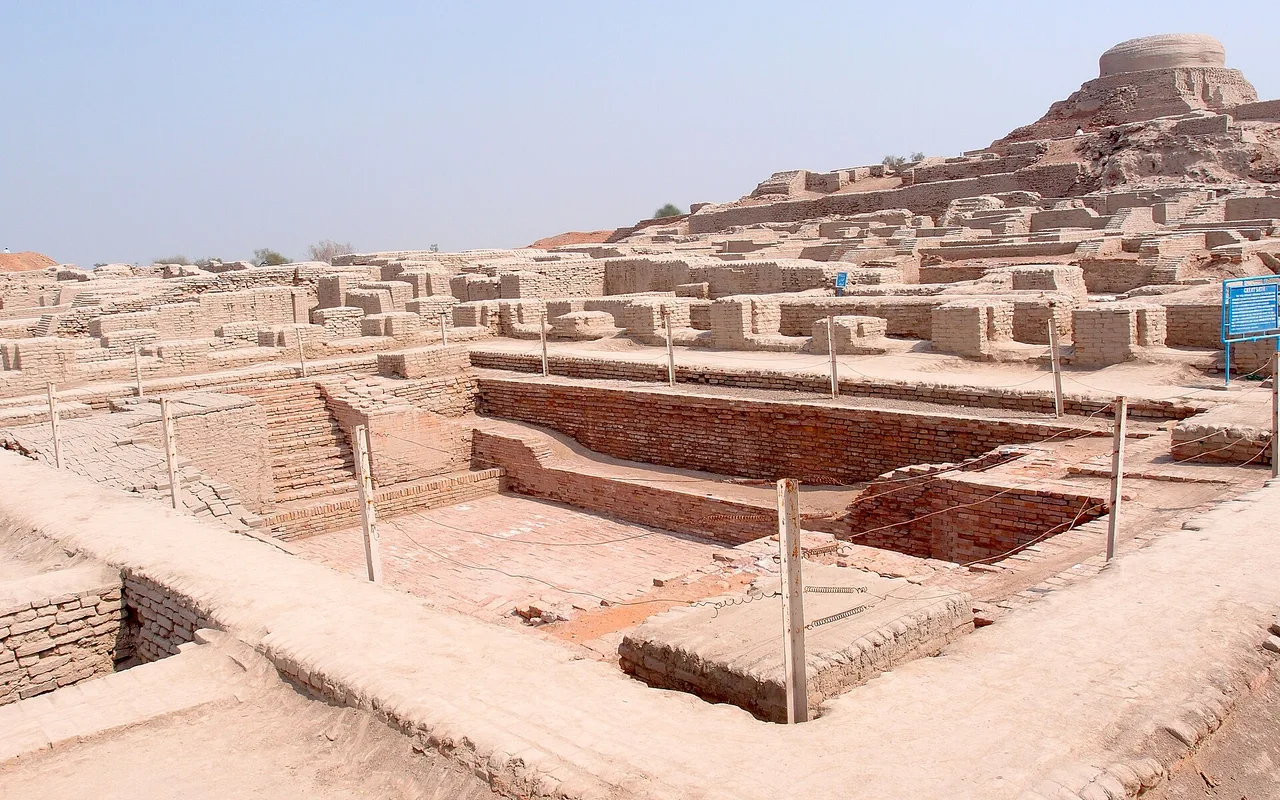
Harappa, Mohenjo-daro and related settlements formed one of the ancient world’s largest urban networks, with carefully planned streets, drainage, standardized weights and long-distance exchange across South Asia and the Persian Gulf.

Atlas dossier · Ancient World

Free device narration · synchronized English captions · transcript available

Why it matters

The Indus civilization demonstrates that early urbanism, engineering and trade were not confined to the Nile and Mesopotamia, while its undeciphered writing preserves important historical questions.

Date
2600 BC–-1900
Historical setting
Ancient World · Asia
People & communities
Indus Valley communities · craft workers · traders · farmers · archaeologists
01

Event

Harappa, Mohenjo-daro and related settlements formed one of the ancient world’s largest urban networks, with carefully planned streets, drainage, standardized weights and long-distance exchange across South Asia and the Persian Gulf.

02

People

Indus Valley communities · craft workers · traders · farmers · archaeologists
03

Consequences

The Indus civilization demonstrates that early urbanism, engineering and trade were not confined to the Nile and Mesopotamia, while its undeciphered writing preserves important historical questions.

Interpretation note

Evidence, memory and historical debate

This dossier distinguishes the event’s basic chronology from later arguments about meaning, responsibility and legacy. When comparing religious, national, Indigenous or scholarly interpretations, consult the primary and institutional sources above alongside peer-reviewed historical work.

Elsewhere in the world

Parallel histories near this moment

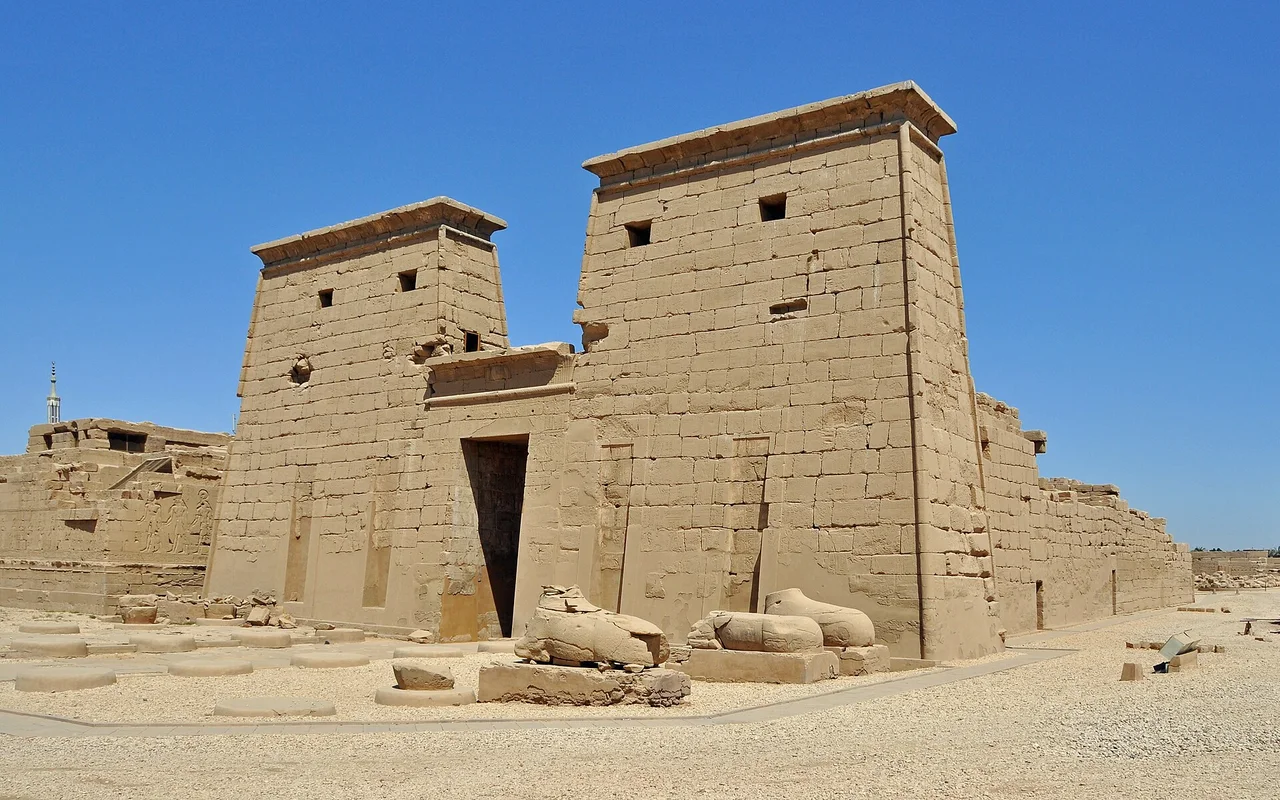
3100 BC–-1070 · AfricaAncient Egypt: Nile kingdoms and the New Kingdom

For more than two millennia, Nile Valley kingdoms developed durable systems of agriculture, writing, taxation, religion, craft and state power. The New Kingdom extended Egyptian rule into Nubia and the eastern Mediterranean while leaving a vast architectural and textual record.

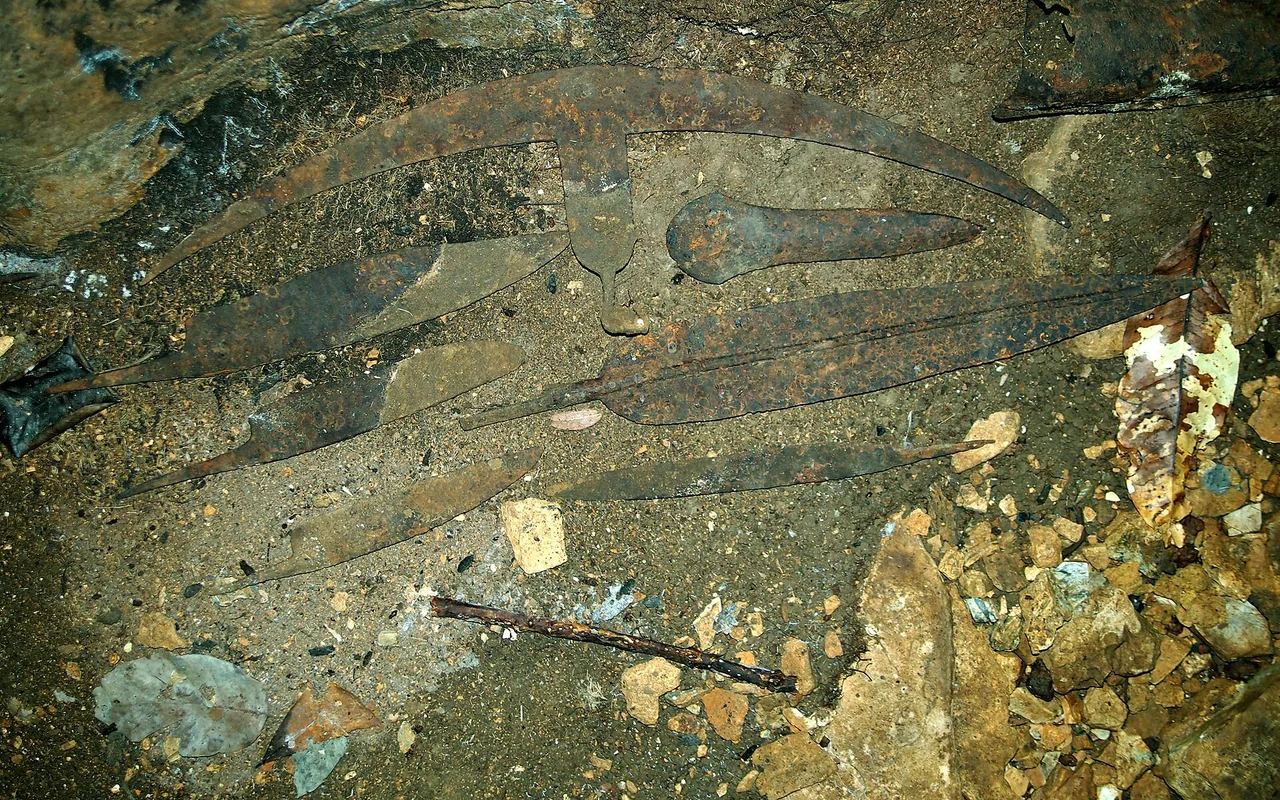
1000 BC–1500 · AfricaBantu-speaking migrations and African ironworking networks

Over many centuries, Bantu-speaking communities spread languages, farming systems, ironworking knowledge and social institutions through central, eastern and southern Africa. The process was diverse, gradual and shaped by exchange with peoples already living in these regions.

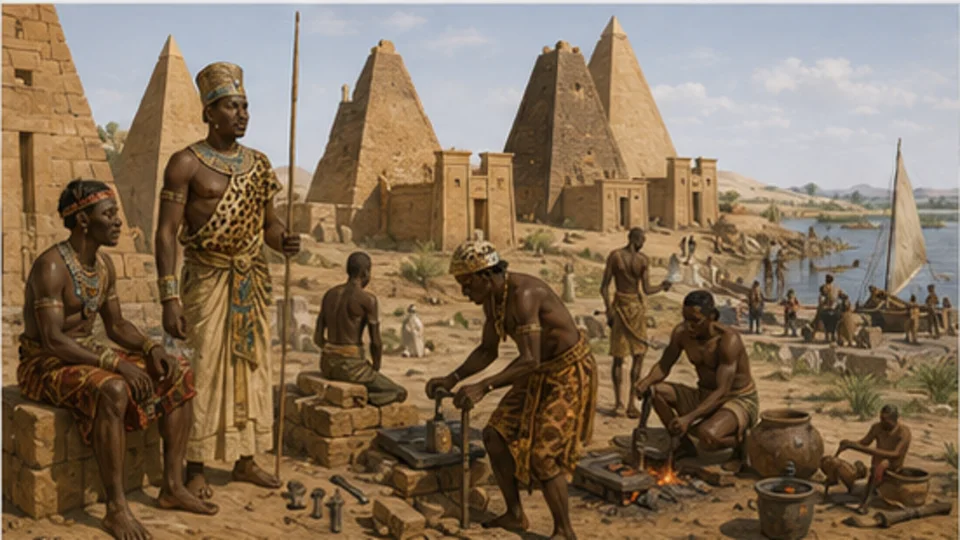
1000 BC–-350 · AfricaKush and Nubian kingdoms

Nubian kingdoms south of Egypt developed powerful states, monumental cities and far-reaching trade; Kushite rulers governed Egypt as the Twenty-fifth Dynasty.