ATLAS / ANCIENT—PRESENT
All historyHow Atlas is sourced← Back to Atlas
Back to Atlas timeline
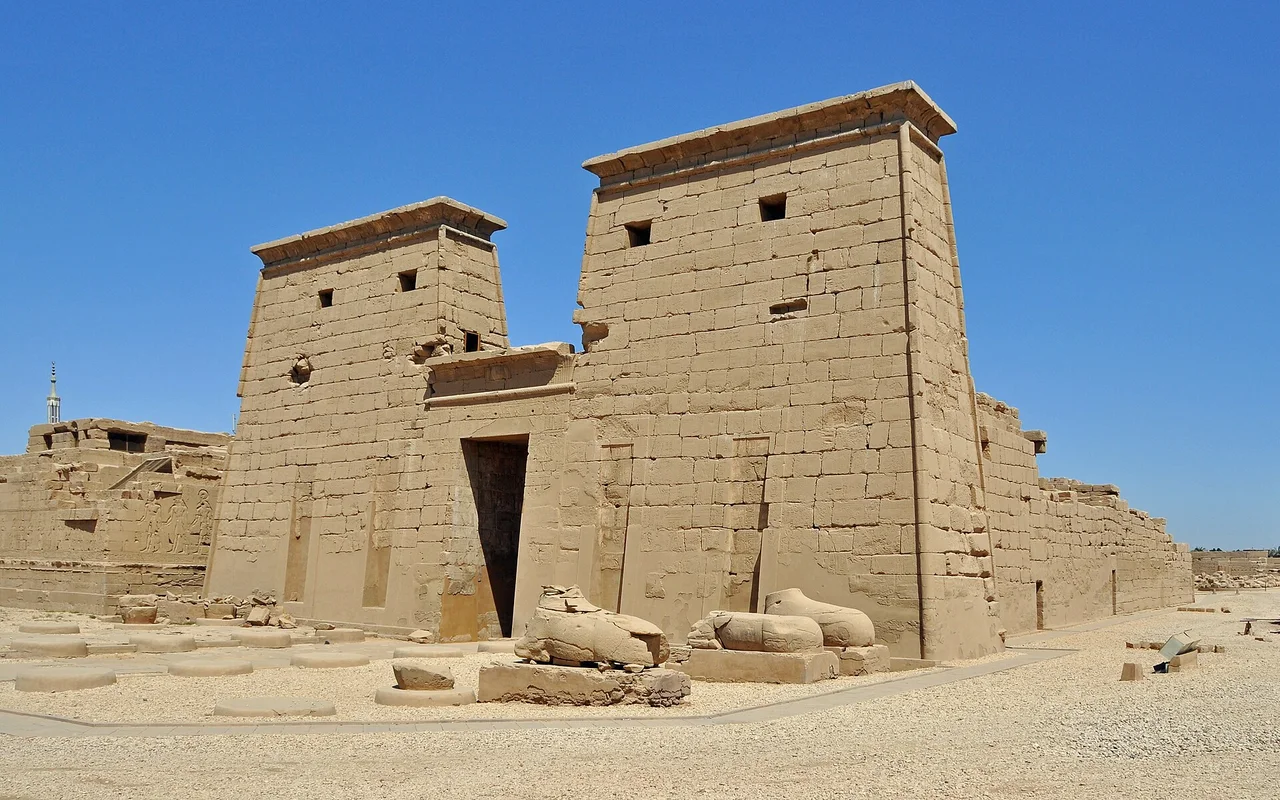
Karnak Khonsu Temple R01.jpg

3100–1070 BCE · Africa · Empire

Ancient Egypt: Nile kingdoms and the New Kingdom

For more than two millennia, Nile Valley kingdoms developed durable systems of agriculture, writing, taxation, religion, craft and state power. The New Kingdom extended Egyptian rule into Nubia and the eastern Mediterranean while leaving a vast architectural and textual record.

Atlas dossier · Ancient World

Free device narration · synchronized English captions · transcript available

Why it matters

Egypt belongs at the centre of African and Mediterranean history, not merely as a background for later archaeology. Its institutions, diplomacy, learning and artistic traditions shaped generations of neighbouring societies.

Date
3100–1070 BCE
Historical setting
Ancient World · Africa
People & communities
Egyptian farmers · craftspeople · scribes · Nubian communities · Hatshepsut · Akhenaten · Ramesses II
Separate the long history from the New Kingdom

The date range of this entry spans much more than the New Kingdom, which is conventionally dated to about 1550–1070 BCE. Ahmose I’s reunification marks the start of that later period. Subsequent rulers extended Egyptian control into Nubia and influence into the Near East. These changing relationships place Egypt within African and eastern Mediterranean histories.

Metropolitan Museum of Art: Egypt in the New Kingdom

Hatshepsut and the visual language of kingship

Hatshepsut’s seated statue combines royal regalia traditionally associated with male kingship with feminine features. This is evidence of how authority was represented, not a photograph of everyday court life. Comparing monuments, inscriptions and archaeological context helps explain how royal images constructed political legitimacy.

Metropolitan Museum of Art: Seated Statue of Hatshepsut

Illustrated sequence

A visual presentation accompanying this entry. Read each image’s attribution to distinguish archival records, later depictions and reconstructions.

Karnak Khonsu Temple R01.jpg
IMAGE 1

Visual record

The Temple of Khonsu at Karnak, photographed in 2012. Present-day architectural remains illustrate the ancient Egyptian setting.

Karnak Khonsu Temple R01.jpg — Marc Ryckaert (MJJR); CC BY 3.0; via Wikimedia Commons repository. Resized, cropped and converted to WebP for Atlas display.

Source and reuse terms ↗ · Read the licence ↗

Interpretation note

Evidence, memory and historical debate

This dossier distinguishes the event’s basic chronology from later arguments about meaning, responsibility and legacy. When comparing religious, national, Indigenous or scholarly interpretations, consult the primary and institutional sources above alongside peer-reviewed historical work.

Elsewhere in the world

Parallel histories near this moment

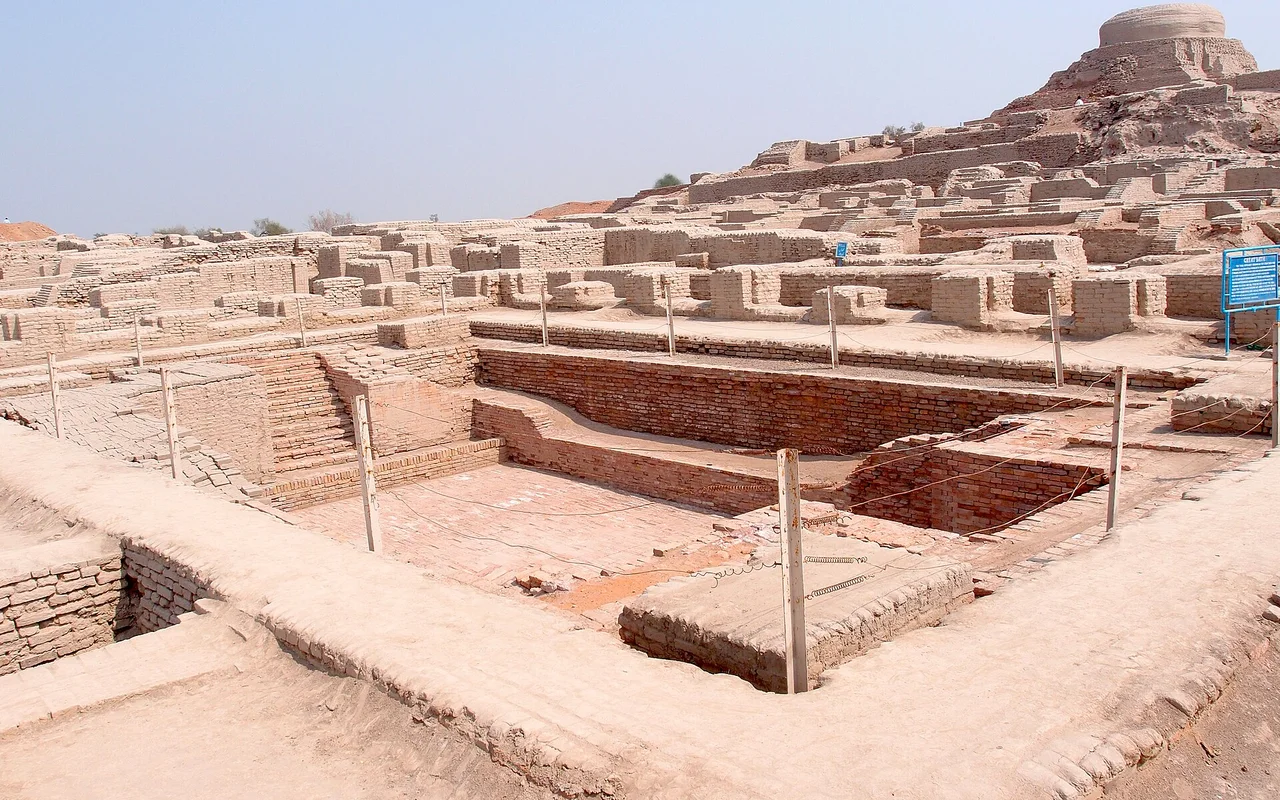
2600–1900 BCE · AsiaIndus Valley cities and regional exchange

Harappa, Mohenjo-daro and related settlements formed a vast ancient urban network, with carefully planned streets, drainage, standardized weights and long-distance exchange across South Asia and the Persian Gulf.

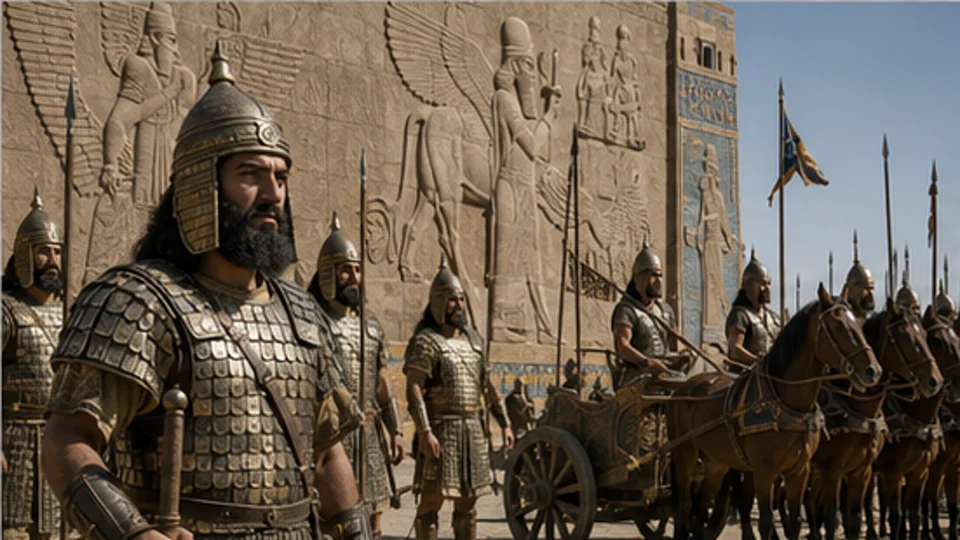
911–609 BCE · Middle EastNeo-Assyrian Empire

At its height, the Neo-Assyrian imperial system linked Mesopotamia, the Levant, Anatolia and Egypt through conquest, tribute, provincial administration, communication routes and forced migration.

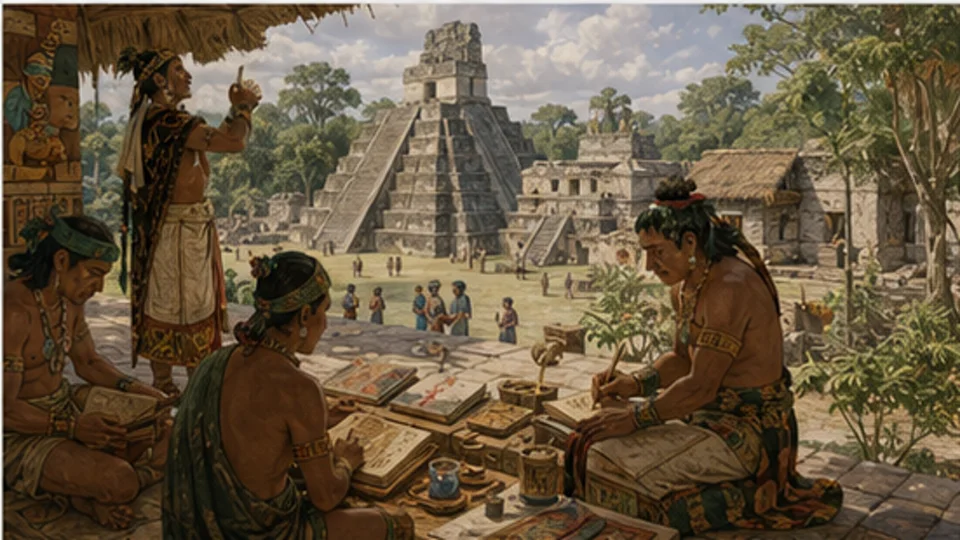
800 BCE–900 CE · AmericasMaya city-states and knowledge

Maya societies built complex cities, writing systems, calendars, mathematical traditions and regional trade networks across Mesoamerica.

Explore the connections

Water lifting, gardens and irrigation along the Nile