ATLAS / ANCIENT—PRESENT
All historyHow Atlas is sourced← Back to Atlas
Back to Atlas timeline
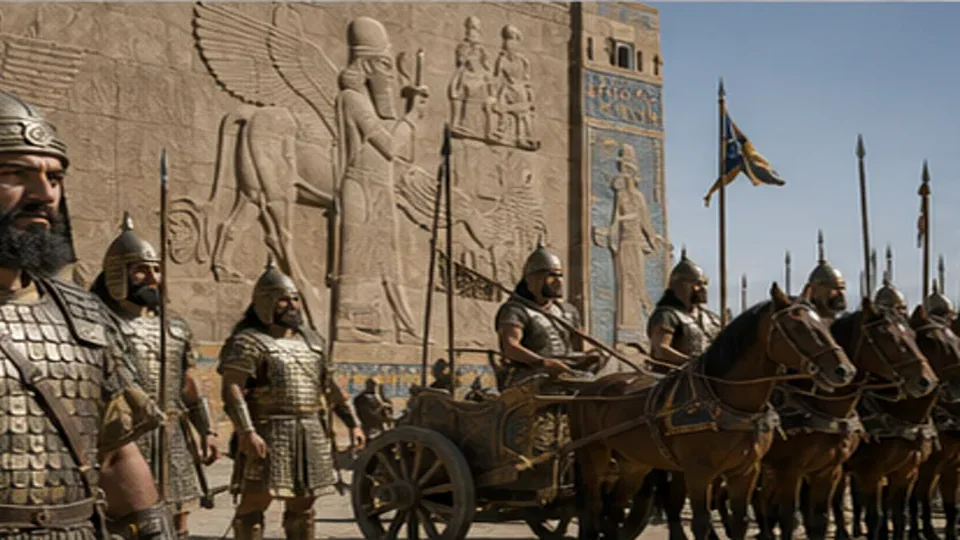
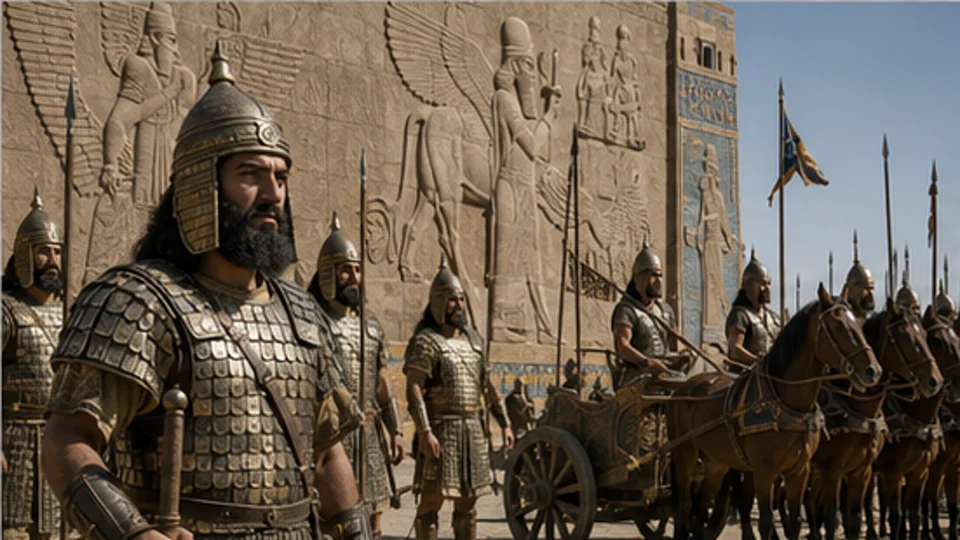
Neo-Assyrian Empire — original Atlas editorial reconstruction

911–609 BCE · Middle East · Empire

Neo-Assyrian Empire

At its height, the Neo-Assyrian imperial system linked Mesopotamia, the Levant, Anatolia and Egypt through conquest, tribute, provincial administration, communication routes and forced migration.

Atlas dossier · Ancient World

Free device narration · synchronized English captions · transcript available

Why it matters

Assyrian administration and warfare shaped later empires—and the political world described by the Hebrew prophets.

Date
911–609 BCE
Historical setting
Ancient World · Middle East
People & communities
Tiglath-pileser III · Sennacherib · peoples of Israel and Judah
‘The Assyrian shall come into our land.’ — Micah 5:5 (KJV)
An empire with changing capitals and frontiers

Assyria's capitals included Ashur, Kalhu, Dur-Sharrukin and Nineveh at different times. The long date range in this dossier does not imply constant control of Egypt or the Levant. Nineveh was sacked in 612 BCE; imperial collapse unfolded through further campaigns. The site's occupation continued after its loss of political prominence.

The Met: Nineveh

Illustrated sequence

Silent pan-and-zoom motion derivative of the Neo-Assyrian Empire reconstruction; not archival footage.

Neo-Assyrian Empire — original Atlas editorial reconstruction
IMAGE 1

Original Atlas reconstruction

Primary Atlas editorial reconstruction for Neo-Assyrian Empire.

World History in Pictures · Public site artwork. This record does not grant third-party republication rights.

How Atlas classifies this artwork →
Neo-Assyrian Empire: people and action
IMAGE 2

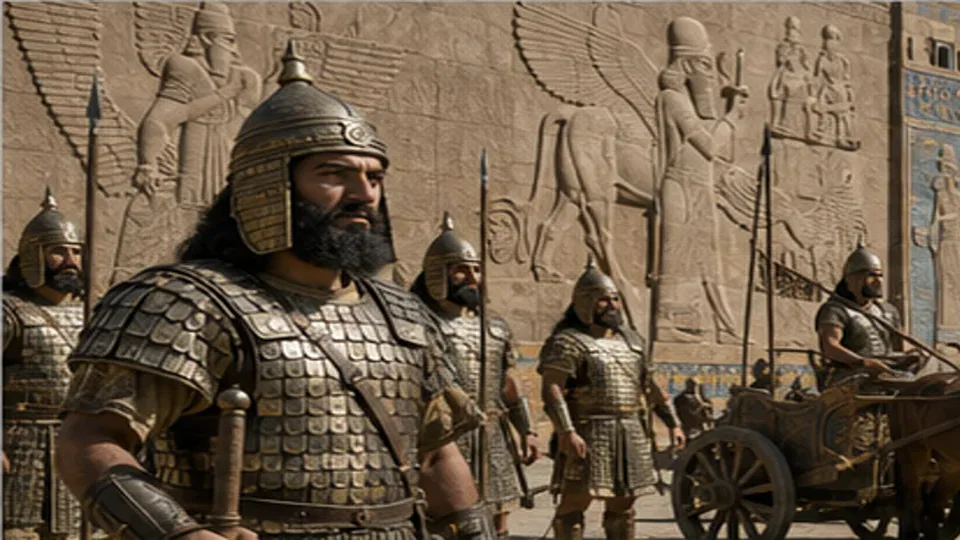
Detail crop — same artwork

Detail crop from the same Neo-Assyrian Empire reconstruction; not an independent historical record.

World History in Pictures · Same editorial artwork package

How Atlas classifies this artwork →
Neo-Assyrian Empire: setting and consequences
IMAGE 3

Context crop — same artwork

Context crop from the same Neo-Assyrian Empire reconstruction; not an independent historical record.

World History in Pictures · Same editorial artwork package

How Atlas classifies this artwork →

Interpretation note

Evidence, memory and historical debate

This dossier distinguishes the event’s basic chronology from later arguments about meaning, responsibility and legacy. When comparing religious, national, Indigenous or scholarly interpretations, consult the primary and institutional sources above alongside peer-reviewed historical work.

Elsewhere in the world

Parallel histories near this moment

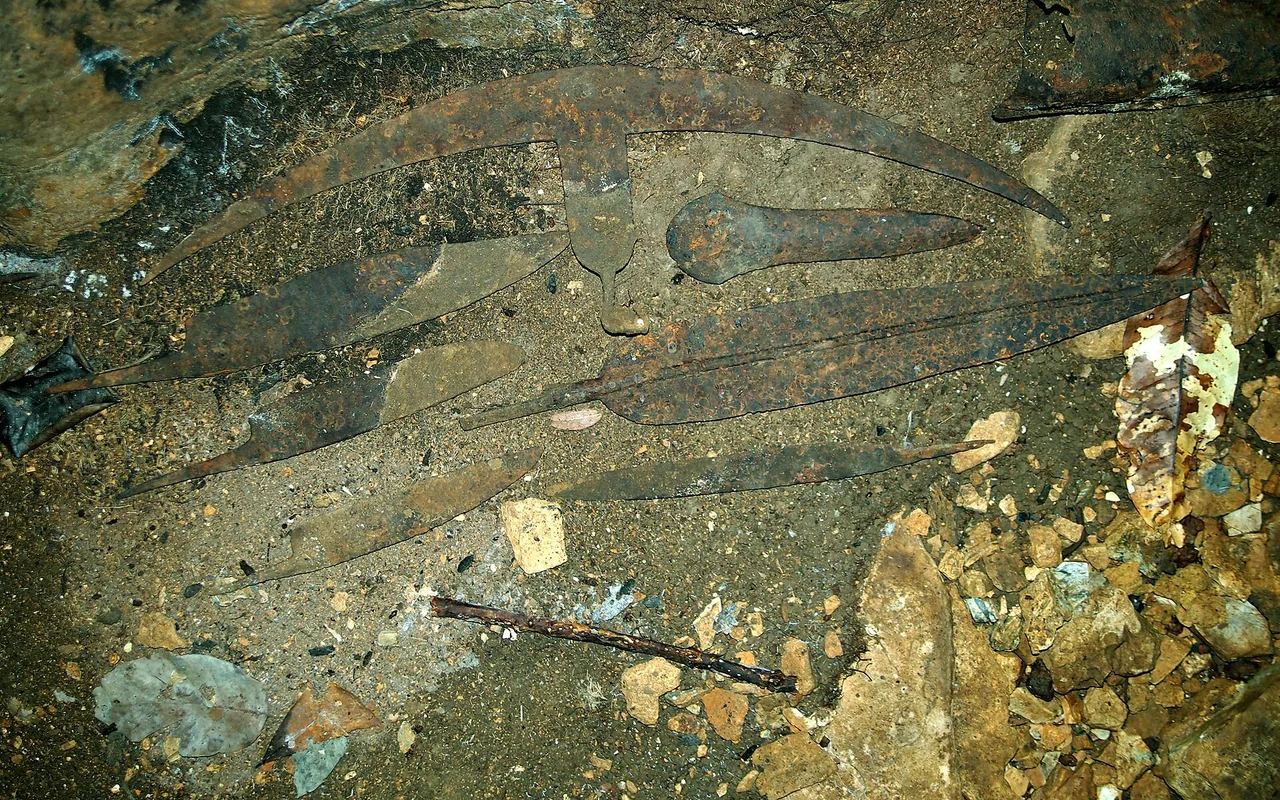
1000 BCE–1500 CE · AfricaBantu-speaking migrations and African ironworking networks

Over many centuries, Bantu-language dispersals reshaped linguistic landscapes across central, eastern and southern Africa. Communities adopted and developed farming and ironworking in different places and times, through diverse exchanges with peoples already living in these regions.

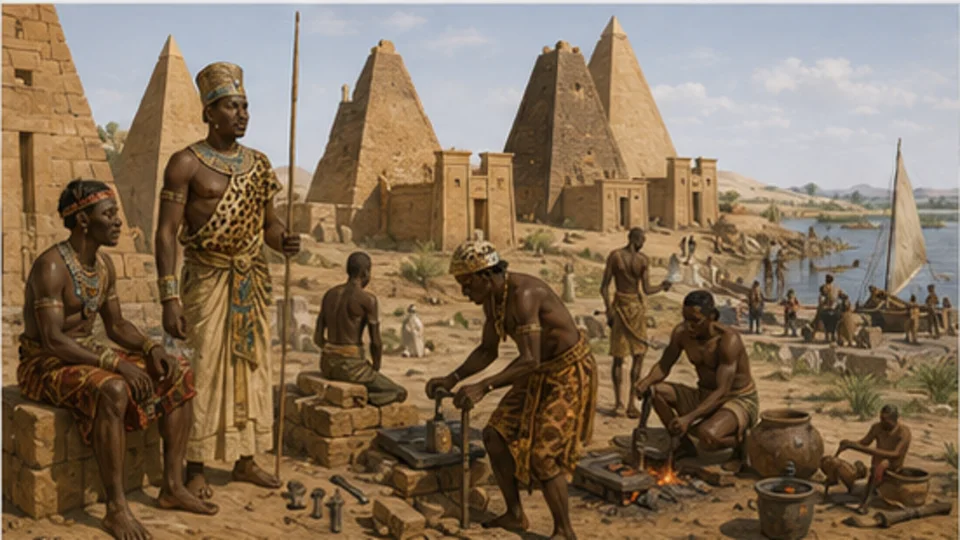
1000 BCE–350 CE · AfricaKush and Nubian kingdoms

Nubian kingdoms south of Egypt developed powerful states, monumental cities and far-reaching trade; Kushite rulers governed Egypt as the Twenty-fifth Dynasty, while the Meroitic kingdom remained a major Nile Valley power into the early centuries CE.

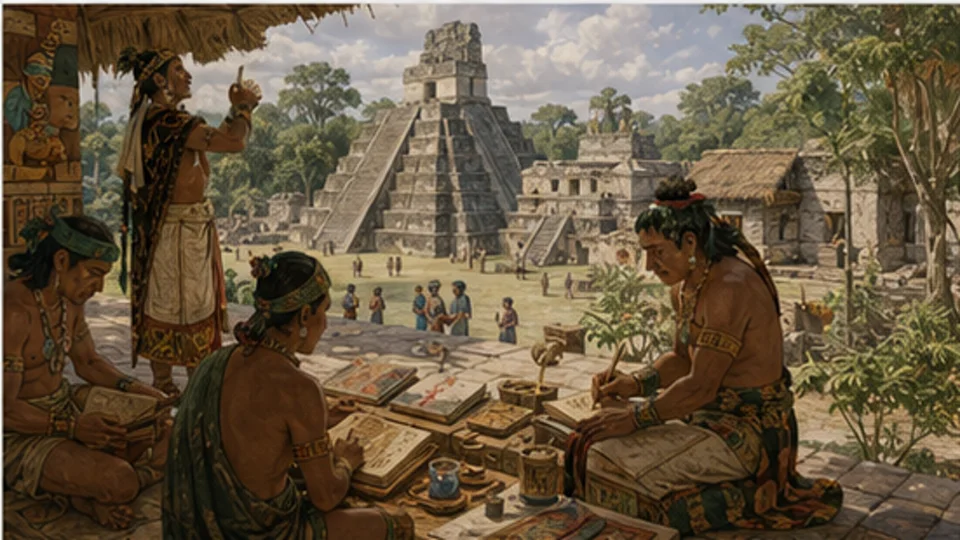
800 BCE–900 CE · AmericasMaya city-states and knowledge

Maya societies built complex cities, writing systems, calendars, mathematical traditions and regional trade networks across Mesoamerica.