ATLAS / 1000 BC—PRESENT
How Atlas is sourced← Back to Atlas
Back to Atlas timeline

1000 BC–-350 · Africa · Empire

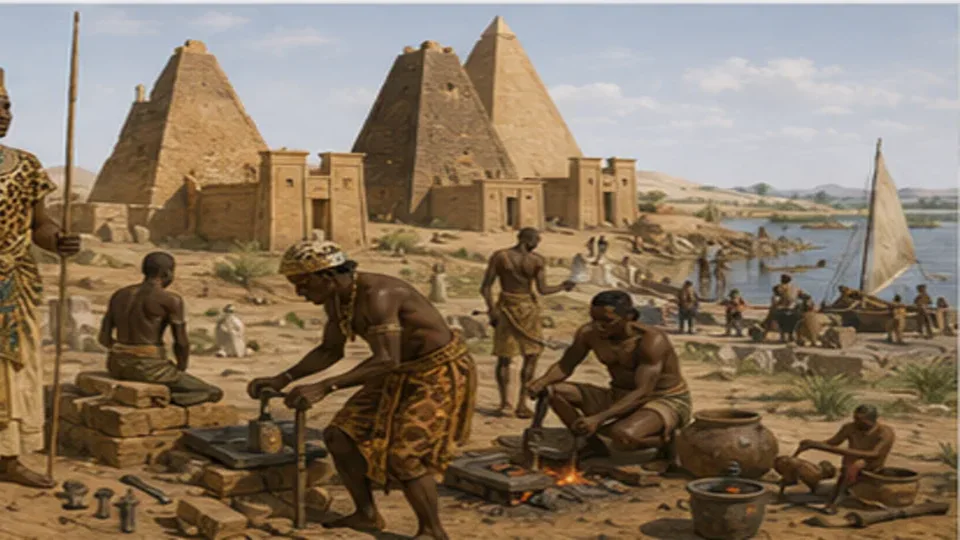
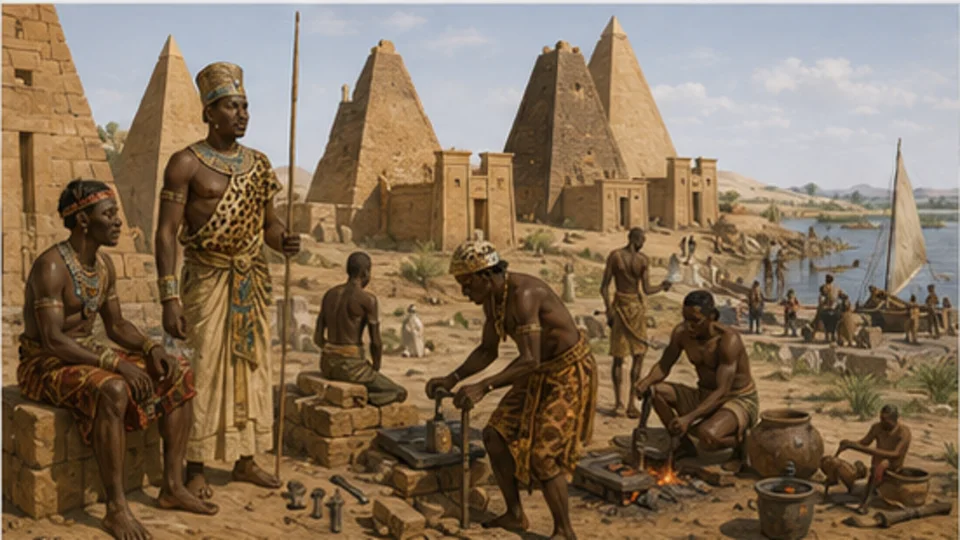
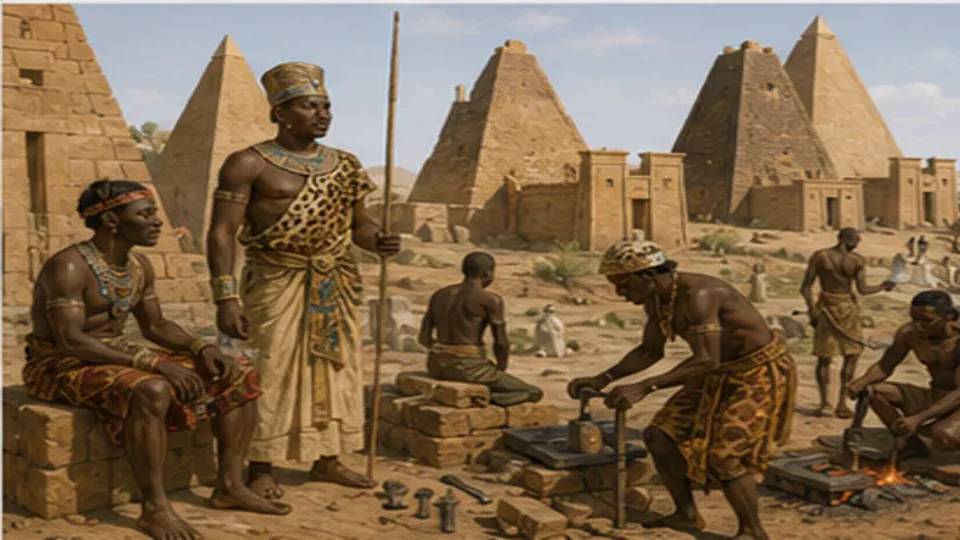
Kush and Nubian kingdoms

Nubian kingdoms south of Egypt developed powerful states, monumental cities and far-reaching trade; Kushite rulers governed Egypt as the Twenty-fifth Dynasty.

Atlas dossier · Ancient World

Free device narration · synchronized English captions · transcript available

Why it matters

Kush overturns old assumptions that political and cultural innovation flowed in only one direction along the Nile.

Date
1000 BC–-350
Historical setting
Ancient World · Africa
People & communities
Kushite rulers · Piye · Taharqa · communities of Napata and Meroë
01

Event

Nubian kingdoms south of Egypt developed powerful states, monumental cities and far-reaching trade; Kushite rulers governed Egypt as the Twenty-fifth Dynasty.

02

People

Kushite rulers · Piye · Taharqa · communities of Napata and Meroë
03

Consequences

Kush overturns old assumptions that political and cultural innovation flowed in only one direction along the Nile.

Interpretation note

Evidence, memory and historical debate

This dossier distinguishes the event’s basic chronology from later arguments about meaning, responsibility and legacy. When comparing religious, national, Indigenous or scholarly interpretations, consult the primary and institutional sources above alongside peer-reviewed historical work.

Elsewhere in the world

Parallel histories near this moment

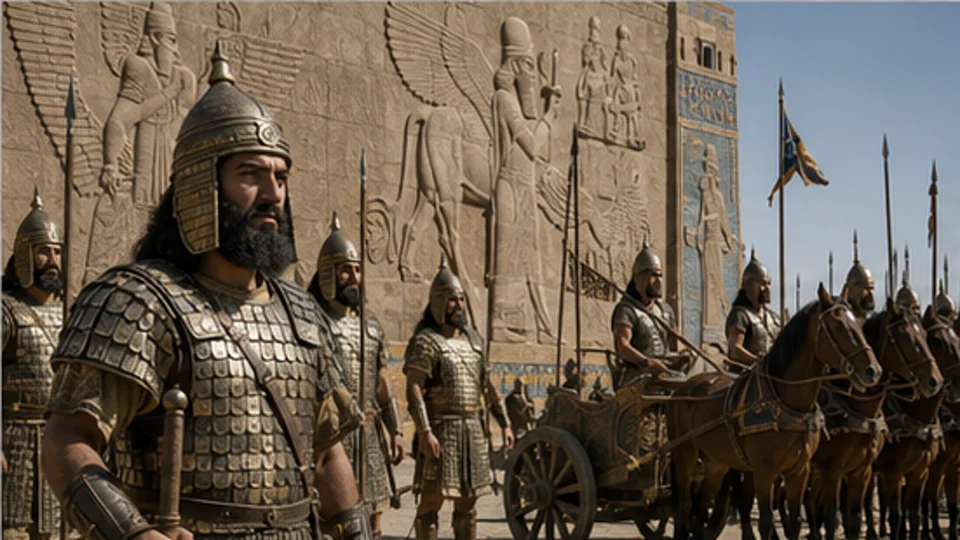
911 BC–-609 · Middle EastNeo-Assyrian Empire

A formidable imperial system linked Mesopotamia, Egypt and the Levant through conquest, tribute, roads and forced migration.

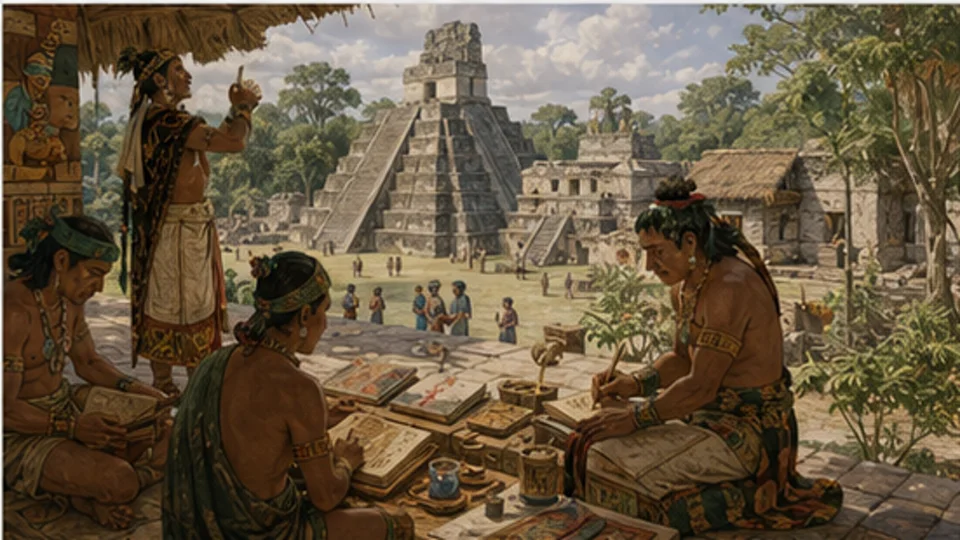
800 BC–900 · AmericasMaya city-states and knowledge

Maya societies built complex cities, writing systems, calendars, mathematical traditions and regional trade networks across Mesoamerica.

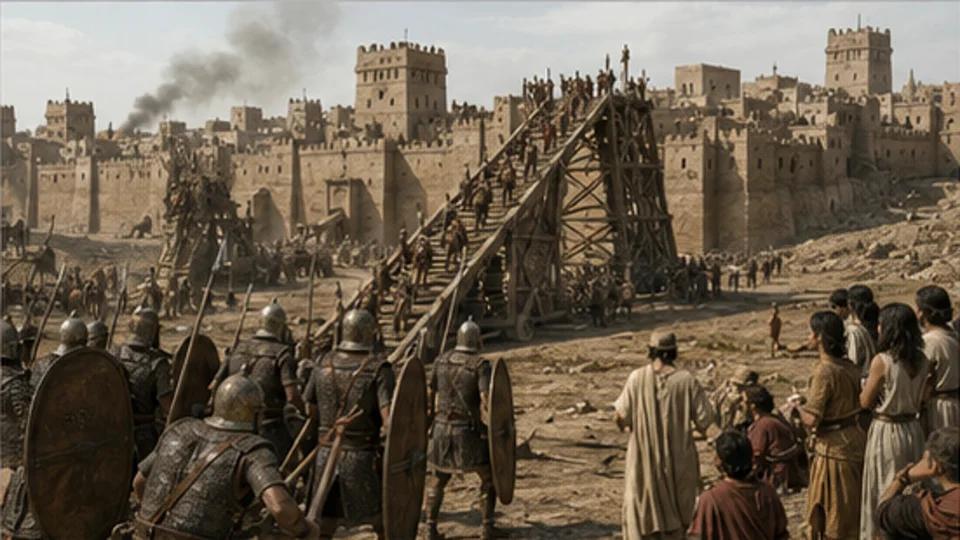
722 BC · Middle EastFall of Samaria

Assyria captured the capital of the northern kingdom of Israel, deporting inhabitants and remaking the region’s population.