ATLAS / ANCIENT—PRESENT
All historyHow Atlas is sourced← Back to Atlas
Back to Atlas timeline
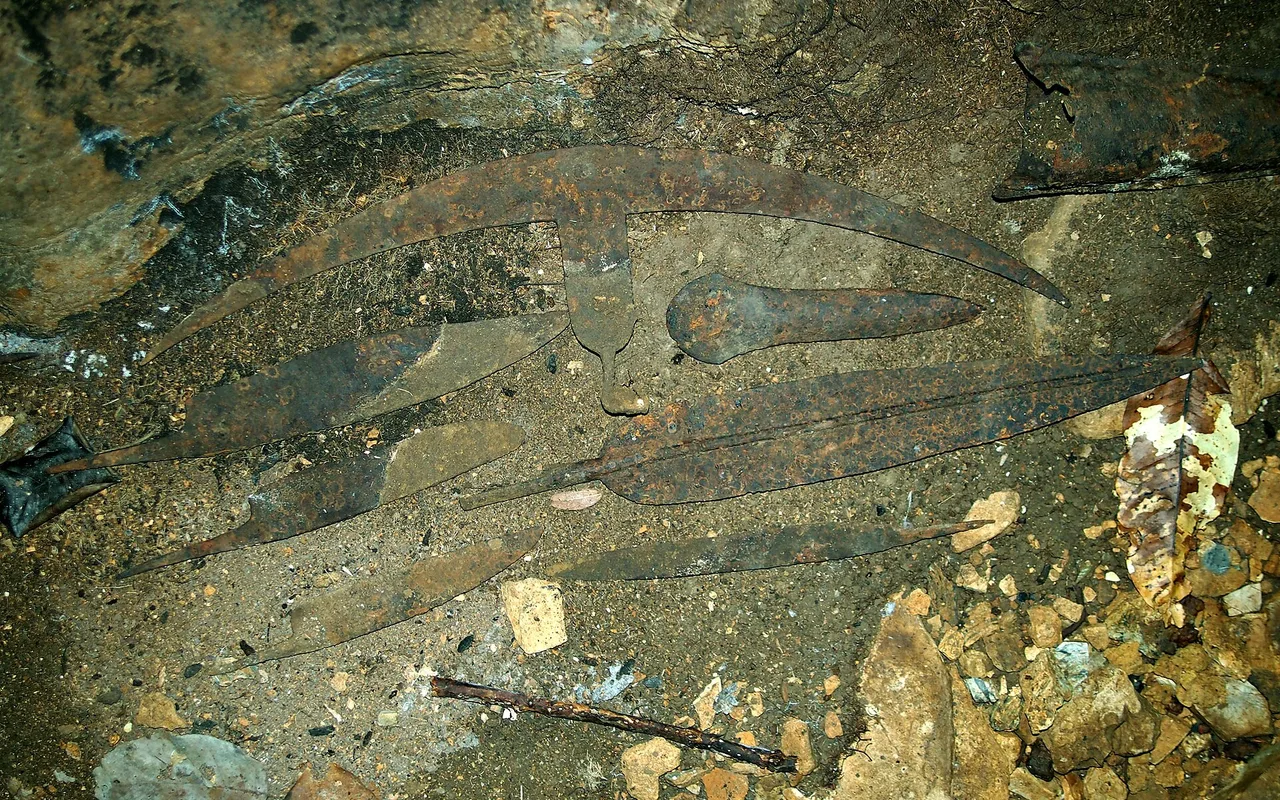
Iron artefacts from Iroungou cave in Gabon.jpg

1000 BCE–1500 CE · Africa · Technology

Bantu-speaking migrations and African ironworking networks

Over many centuries, Bantu-language dispersals reshaped linguistic landscapes across central, eastern and southern Africa. Communities adopted and developed farming and ironworking in different places and times, through diverse exchanges with peoples already living in these regions.

Atlas dossier · Ancient World

Free device narration · synchronized English captions · transcript available

Why it matters

This long history helps explain Africa’s linguistic map, agricultural landscapes and political networks without reducing complex communities to a single migration story.

Date
1000 BCE–1500 CE
Historical setting
Ancient World · Africa
People & communities
Bantu-speaking communities · earlier inhabitants · ironworkers · farmers · traders · oral historians
Illustrated sequence

A visual presentation accompanying this entry. Read each image’s attribution to distinguish archival records, later depictions and reconstructions.

Iron artefacts from Iroungou cave in Gabon.jpg
IMAGE 1

Visual record

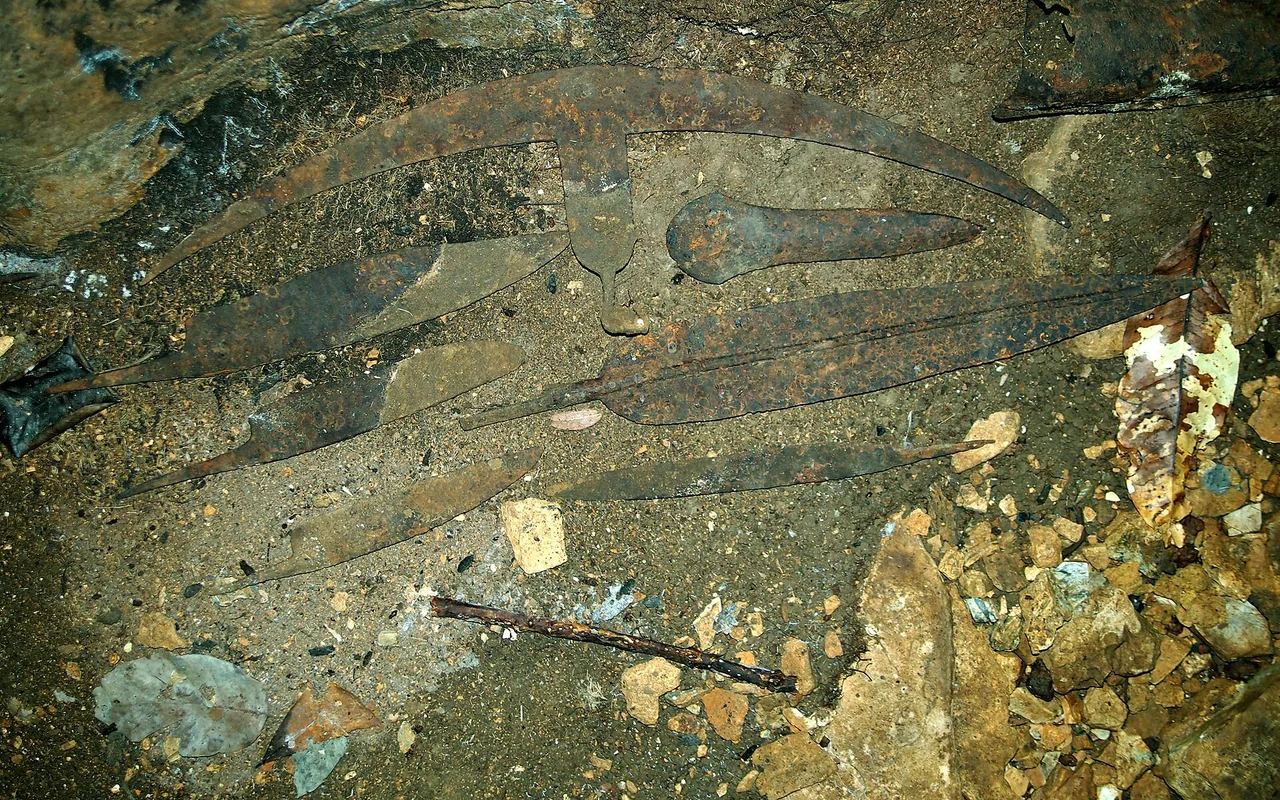
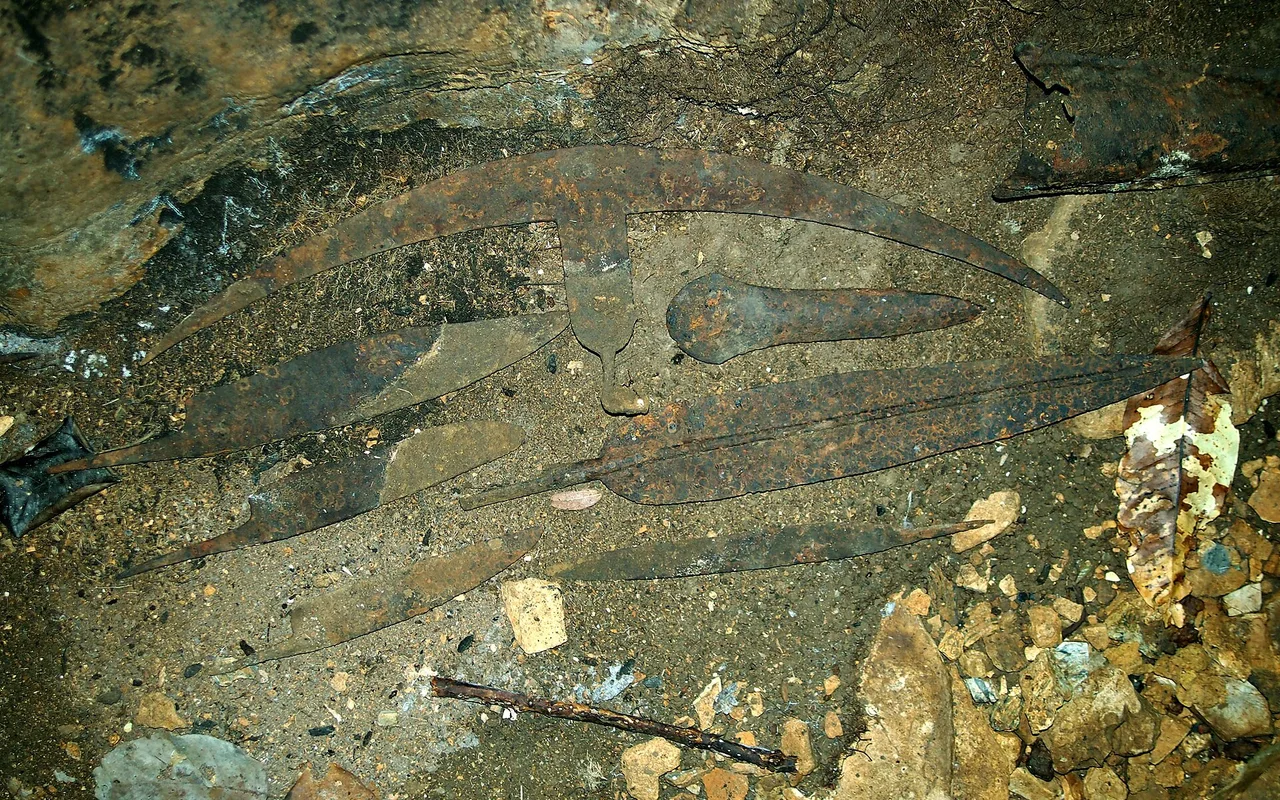
Iron objects from Iroungou, photographed in 2018. These burial finds illustrate African metalworking; they cannot by themselves establish early Bantu-language migrations.

Iron artefacts from Iroungou cave in Gabon.jpg — Olivier Testa; CC BY-SA 4.0; via Wikimedia Commons repository. Resized, cropped and converted to WebP for Atlas display.

Source and reuse terms ↗ · Read the licence ↗

Interpretation note

Evidence, memory and historical debate

This dossier distinguishes the event’s basic chronology from later arguments about meaning, responsibility and legacy. When comparing religious, national, Indigenous or scholarly interpretations, consult the primary and institutional sources above alongside peer-reviewed historical work.

Elsewhere in the world

Parallel histories near this moment

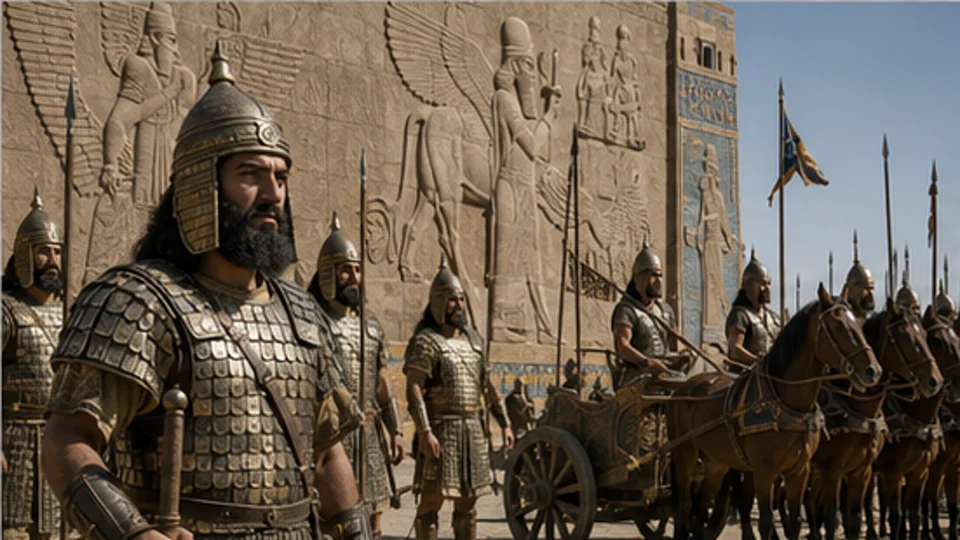
911–609 BCE · Middle EastNeo-Assyrian Empire

At its height, the Neo-Assyrian imperial system linked Mesopotamia, the Levant, Anatolia and Egypt through conquest, tribute, provincial administration, communication routes and forced migration.

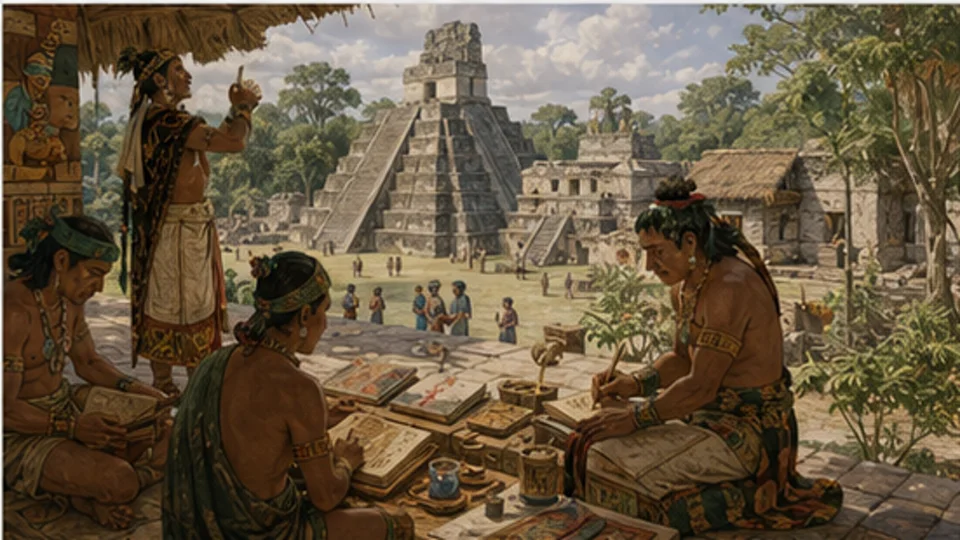
800 BCE–900 CE · AmericasMaya city-states and knowledge

Maya societies built complex cities, writing systems, calendars, mathematical traditions and regional trade networks across Mesoamerica.

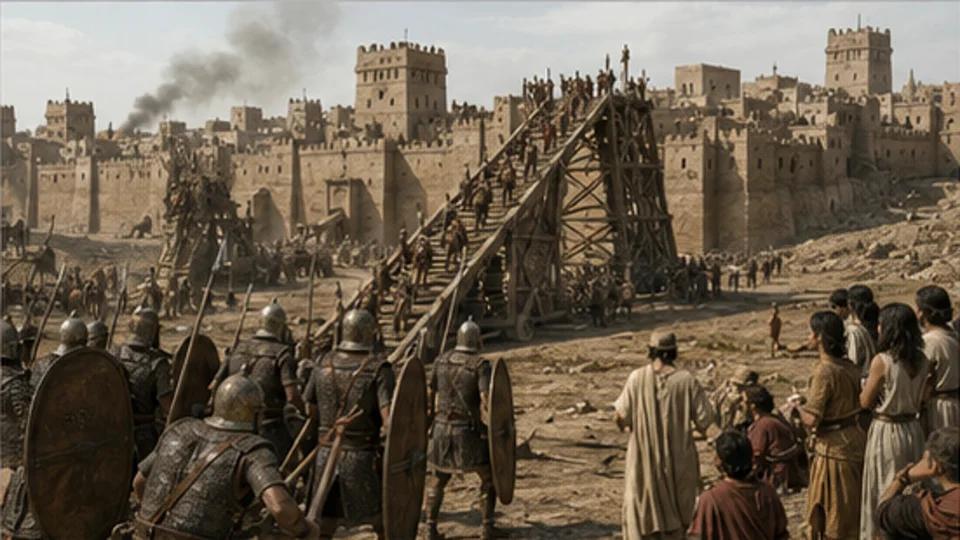
722–721 BCE · Middle EastFall of Samaria

Assyria captured Samaria, capital of the northern kingdom of Israel, in 722/721 BCE, deported a large section of its population and incorporated the territory into its imperial system; local population continuity remained.