1170–1848 CE · Europe · Faith
Waldensians: preaching, persecution and the limits of emancipation
From lay preaching in medieval Lyon to civil rights in Piedmont, Waldensian history connects religious conviction with changing institutions, exile, books and contested memories.
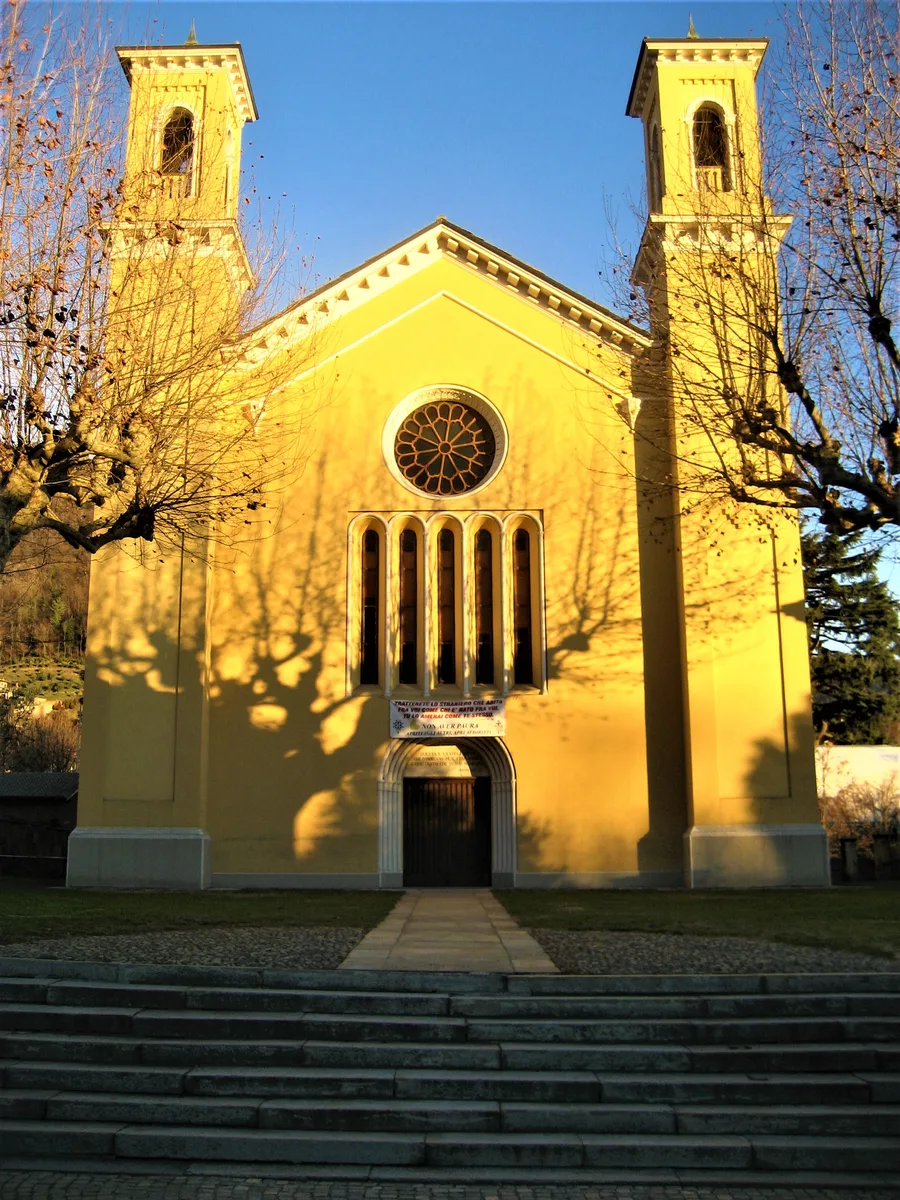 Enlarge and examine the picture
Flucco, via Wikimedia Commons · CC BY-SA 4.0 · Resized without cropping and converted to WebP; derivatives under the same licence · Source and rights ↗ · Licence terms
Poverty and preaching in medieval Lyon
The movement emerged around Valdes, also called Waldo, in late-twelfth-century Lyon. Voluntary poverty and explaining the gospel brought lay believers into a field controlled by clergy. At the 1179 Lateran council, preaching permission remained conditional on clerical invitation; excommunication followed in 1184. An anonymous chronicle written around 1218 places Waldo’s conversion in 1173 and describes his disposal of property. That retrospective narrative offers evidence about remembered origins, not a contemporary transcript. The opening date here marks an approximate period.
Women, travelling preachers and uneven records
Women as well as men preached. Their participation matters because a history told only through famous male reformers misses people who carried teaching between communities. The American Waldensian Society stresses the scarcity of early records and the importance of inquisitorial evidence. Records made while authorities pursued suspected heresy cannot provide an unfiltered portrait of daily belief. Surviving descriptions should be read for both what they reveal and the circumstances in which testimony was produced.
Reformation contact was a process
The Waldensian preacher Georges Morel discussed belief and practice with Oecolampadius and Bucer in 1530. A surviving manuscript records propositions debated at Angrogna in September 1532, including worship, ethics and predestination. These exchanges helped reshape the movement. Over the following decades, Waldensian communities adopted Reformed teaching, moved toward public worship and built churches, with pastors increasingly attached to congregations rather than travelling between concealed groups. Later histories condensed them into a decisive meeting called the Synod of Chanforan. The American Waldensian Society notes that this name was assigned in 1847. The commemorated turning point and the surviving record of debates are related, but they are not identical forms of evidence.
A Bible required money, skills and a press
Waldensians contributed funds to Olivétan’s French Bible, completed in 1535. A November 1532 fundraising letter helps distinguish the documented project from later stories centred on Farel. Translation, finance and printing connected Olivétan, Antoine Saunier, Martin Gonin and the Neuchâtel printer Pierre de Vingle. The volume’s large format and French language could also limit its usefulness to the people who financed it. Producing a vernacular Bible did not mean that every household could obtain and read one.
Persecution, exile and return
In 1655 ducal troops attacked Waldensian communities in Piedmont; the killings prompted protest beyond the region. Renewed restrictions and military repression in 1686 brought imprisonment and exile. The armed return led by Henri Arnaud in 1689 belonged to a changing European political landscape as well as to a community’s struggle to survive. Refuge, international support and shifting alliances mattered alongside mountain terrain. These episodes do not describe every Waldensian community, and disputed casualty totals are not treated here as settled measurements.
What the 1848 decree actually changed
Charles Albert’s Letters Patent of 17 February 1848 admitted Waldensians to civil and political rights and to schools, universities and academic degrees. The same document explicitly left arrangements for their worship and their own schools unchanged. Emancipation was a major legal change, but the decree should not be paraphrased as an unrestricted grant of religious equality. Reading its reservation alongside its promises makes the distinction visible. The photograph shows a later public church, rather than evidence of medieval worship or the decree’s immediate effects.
Later Protestant interpretations
J. A. Wylie presented the Waldensians as custodians of an ancient faith and contributors to modern liberty. D’Aubigné emphasised the religious significance of Olivétan’s Bible. Ellen G. White interpreted Waldensian endurance within a wider conflict over biblical faith. These nineteenth- and early-twentieth-century Protestant narratives remain important to religious memory; claims of uninterrupted apostolic continuity should be attributed to that interpretation. White’s chapter cites Wylie, so their agreement is not independent eyewitness corroboration. Contemporary documents and later commemorative writing answer different historical questions.