ATLAS / WORLD HISTORY IN PICTURES

The reading room

Find your way through history.

Explore 279 entries across places and centuries. Follow an event, compare its context, and examine the evidence.

Jump to the pictures and stories ↓

10 entries · Oldest periods first

Back to filters ↑
1170–1848 CEIn-depth study
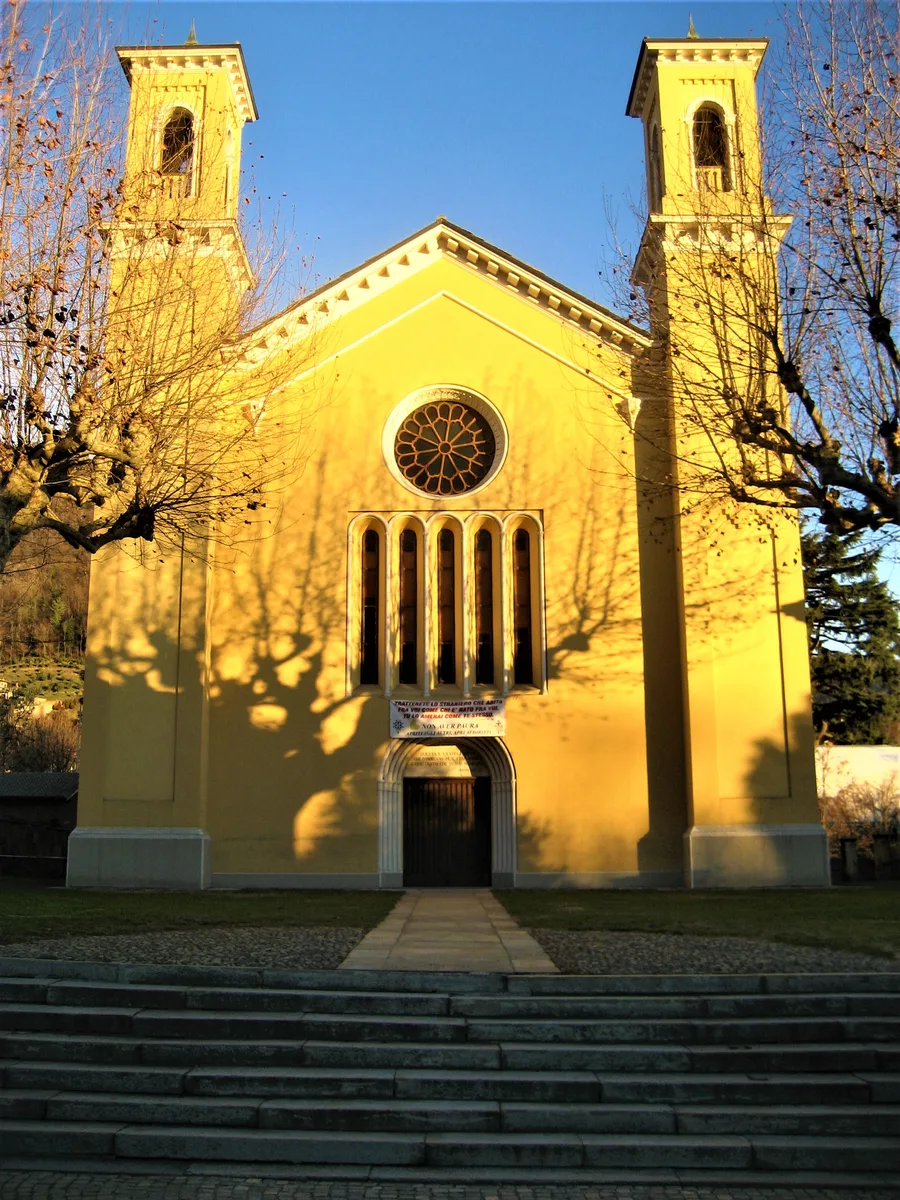
Tempio Nuovo at Torre Pellice, photographed on 7 December 2011. This later church illustrates the community’s continuing public presence; it is not a medieval building or a picture of persecution.
Picture source & rightsFlucco, via Wikimedia Commons · CC BY-SA 4.0 · Resized without cropping and converted to WebP; derivatives under the same licence · Licence terms

Europe / Faith

Waldensians: preaching, persecution and the limits of emancipation

From lay preaching in medieval Lyon to civil rights in Piedmont, Waldensian history connects religious conviction with changing institutions, exile, books and contested memories.

Read →
1377 CEIn-depth study
Pages 4v–5r of the 1377 printed Jikji, digitized by the Bibliothèque nationale de France. This is a surviving printed book, not a photograph of the metal type used to produce it.
Picture source & rightsBibliothèque nationale de France / Wikimedia Commons · Public domain · Converted to WebP · Licence terms

Asia / Technology

Jikji and the longer history of printing

The surviving volume of Jikji, printed in Korea in 1377, is the oldest extant book printed with movable metal type. It sits within a much longer East Asian history of reproducing texts.

Read →
1392–1600 CEIn-depth study
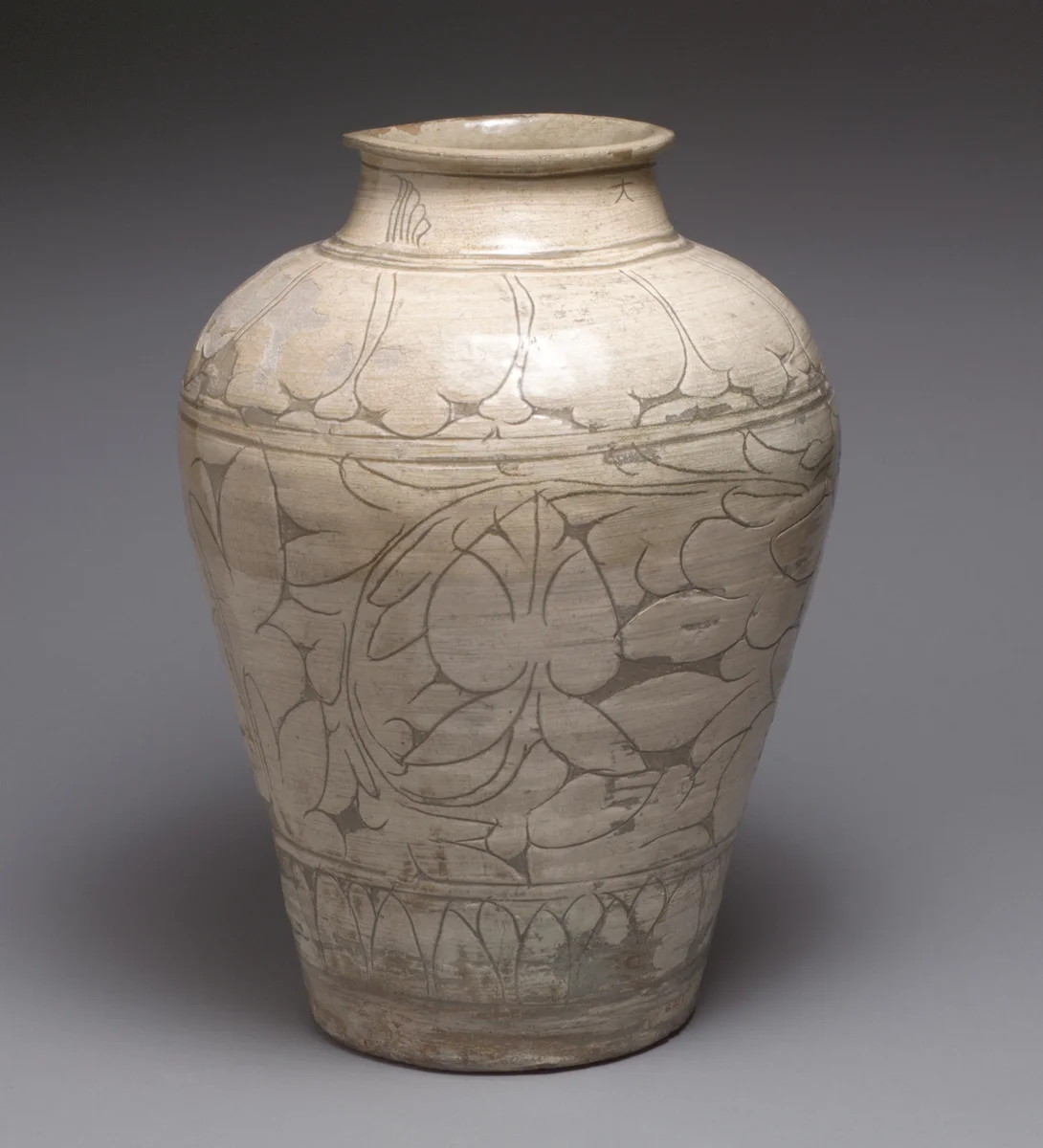
Buncheong jar decorated with peonies, Korea, late fifteenth century. Museum photograph of surviving ceramic work, with incised and sgraffito decoration.
Picture source & rightsThe Metropolitan Museum of Art · Rogers Fund, 1916 · 16.122.1 · Public domain / CC0 · Resized to WebP · Licence terms

Asia / Culture

Early Joseon Korea: writing, belief and the potter’s art

Early Joseon rulers and scholars reshaped institutions and cultural patronage. A new alphabet and inventive ceramics belong to this history alongside the court’s Neo-Confucian programme.

Read →
1450 CEIn-depth study
Historic screw presses at the Plantin-Moretus Museum, Antwerp, photographed in 2009. These surviving presses are a comparison for the mechanism, not an authenticated Gutenberg press.
Picture source & rightsRiopelle / Wikimedia Commons · Public-domain dedication · Resized and converted to WebP
Interactive 3D →

Europe / Technology

The screw printing press: pressure, type and repeated pages

A screw and platen converted a printer’s turning motion into pressure on paper and inked type. The mechanism formed one part of a much larger system of book production.

Read →
1517–1522 CEIn-depth study
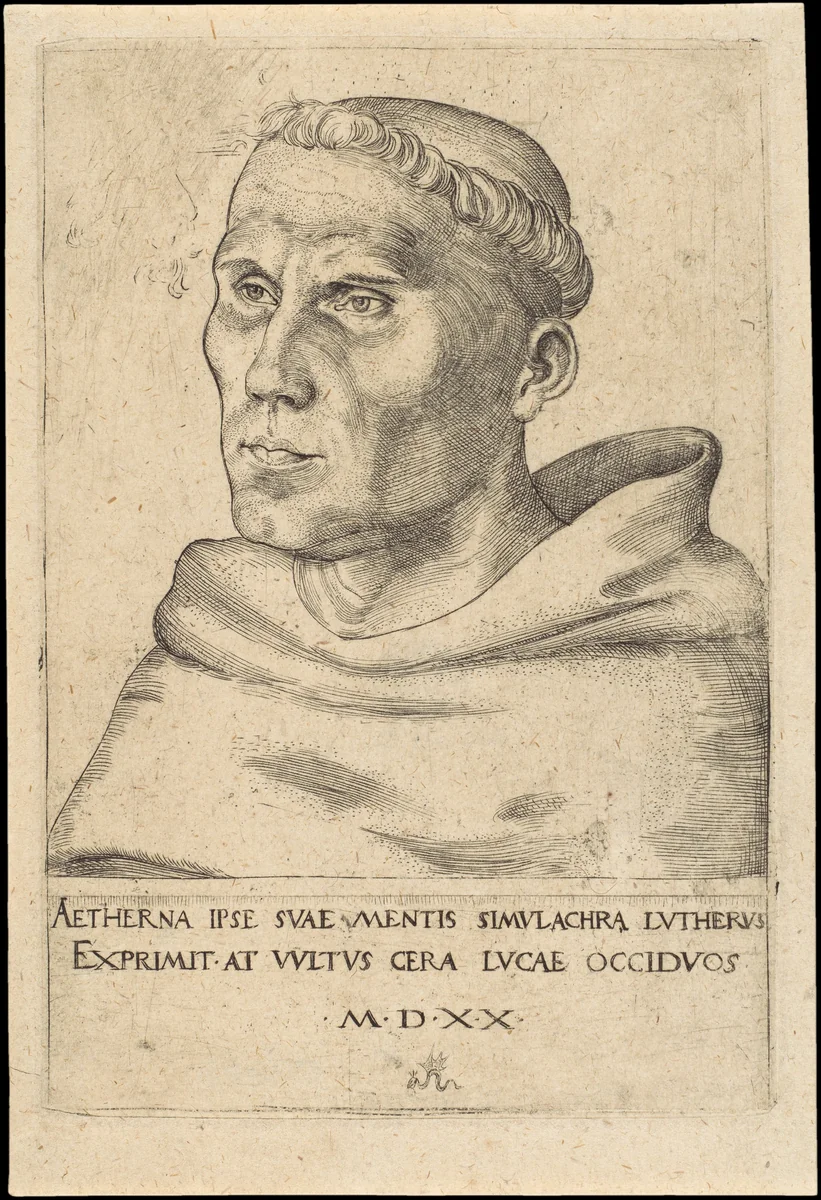
Lucas Cranach the Elder, Martin Luther as an Augustinian Monk, 1520. Contemporary engraving on paper; museum reproduction, not a photograph of Luther or an illustration of the Diet of Worms.
Picture source & rightsThe Metropolitan Museum of Art, 20.64.21 · Gift of Felix M. Warburg, 1920 · Public domain / Open Access · Resized and converted to WebP, uncropped · Licence terms

Europe / Faith

Luther: indulgences, conscience and the German New Testament

A dispute about indulgences became a confrontation over salvation and authority. Letters, printed portraits and surviving books help distinguish Luther’s actions from later Protestant accounts of their meaning.

Read →
1523–1556 CEIn-depth study
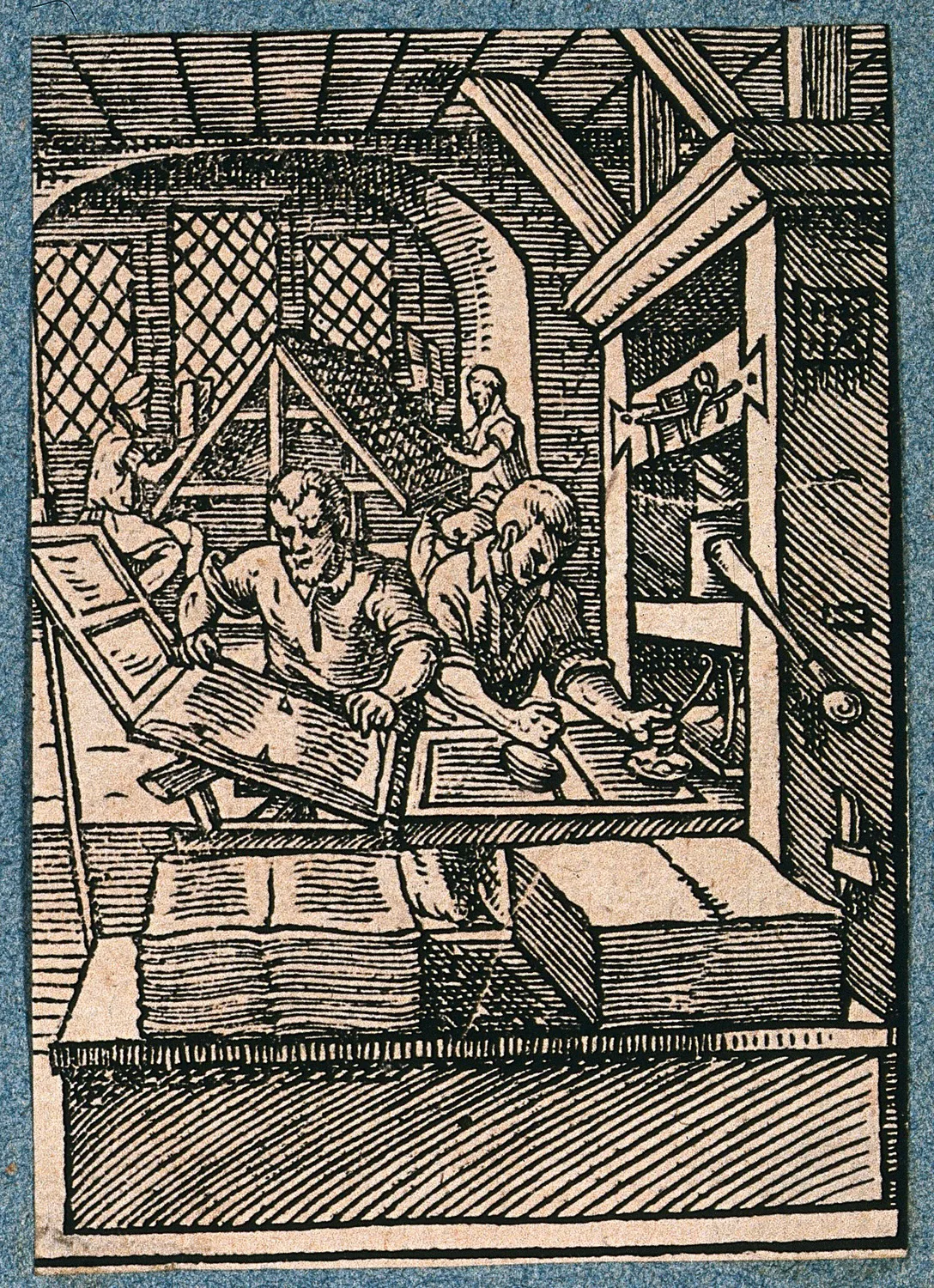
Jost Amman, printers and typesetters,[1568]. This later woodcut depicts printing labor, not Argula von Grumbach, Katharina Zell or their particular printers.
Picture source & rightsWellcome Collection ·34964i · Public Domain Mark · Full supplied sheet retained; proportionally reduced and encoded as WebP · Licence terms

Europe / Faith

Women, schools and printed arguments

Selected German-speaking cases connect women’s religious arguments, civic proposals for schooling and the material lives of pamphlets. They reveal specific acts of participation rather than a uniform transformation of everyday life.

Read →
1534–1563 CEIn-depth study
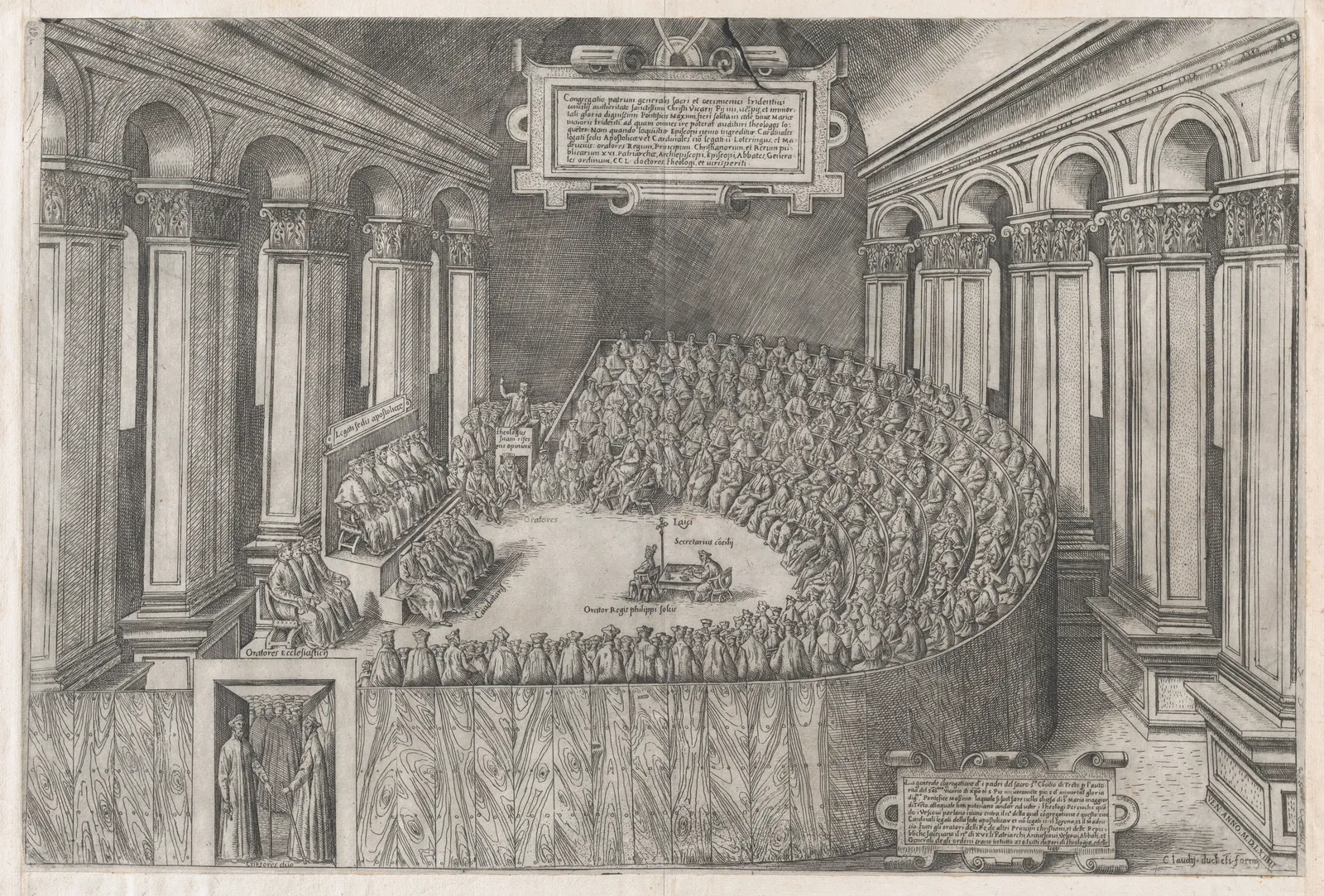
Council of Trent, from Speculum Romanae Magnificentiae, anonymous Italian artist, published by Claudio Duchetti,1565. The print appeared after the council closed in1563. It is a period representation, not an independently established eyewitness record of a particular session.
Picture source & rightsThe Metropolitan Museum of Art · Harris Brisbane Dick Fund,1941 ·41.72(3.70) · Public domain · Full supplied sheet retained; proportionally reduced and encoded as WebP · Licence terms

Europe / Faith

Catholic renewal: Trent, mission and formation

A new religious society and an interrupted council pursued preaching, instruction, doctrinal definition and clerical reform. Their programmes shaped Catholic renewal, while their implementation varied across places and institutions.

Read →
1870–1893 CEIn-depth study
Two pupils read together during a lesson at Fen Ditton Junior School, Cambridgeshire, in 1944. This later classroom photograph illustrates mass schooling after the study’s nineteenth-century legal milestones; it is not a Victorian classroom.
Picture source & rightsMinistry of Information Photo Division / Imperial War Museums, D 23615 / Wikimedia Commons · Public domain, expired UK Crown copyright · Converted to WebP · Licence terms

Europe / Rights

Mass schooling in England and Wales: access, fees and attendance

State-supported school provision, compulsory attendance and the removal of fees developed through separate reforms. Family livelihoods affected whether children could attend.

Read →
1966–1976 CEIn-depth study
Performers stage the model ballet The Red Detachment of Women at Beijing’s Great Hall of the People during the Nixon visit, 22 February 1972. This official performance documents state-approved aesthetics, not daily life or political persecution.
Picture source & rightsByron E. Schumaker / Nixon Presidential Materials / U.S. National Archives / Wikimedia Commons · U.S. federal work, public domain · Converted to WebP · Licence terms

Asia / Rights

China’s Cultural Revolution: mobilisation, persecution and power

Mao’s Cultural Revolution mobilised students and other groups against supposed enemies, destabilised institutions and subjected people to persecution.

Read →
1973–1977 CEIn-depth study
Disability-rights leader Judy Heumann speaking at the 1981 conference “Consumer Unity: New Platforms for Progress in the 1980s.” The image postdates the 1977 Section 504 sit-in and documents a leading activist in the movement’s immediate aftermath.
Picture source & rightsWilliam Bronston / California Department of Rehabilitation / Wikimedia Commons · California public record, public domain in the United States · Converted to WebP · Licence terms

Americas / Rights

The 504 protests and the disability rights movement

Disabled organisers demanded implementation of civil-rights protections. The 1977 protests demonstrated the difference between passing a law and making it effective.
Read →