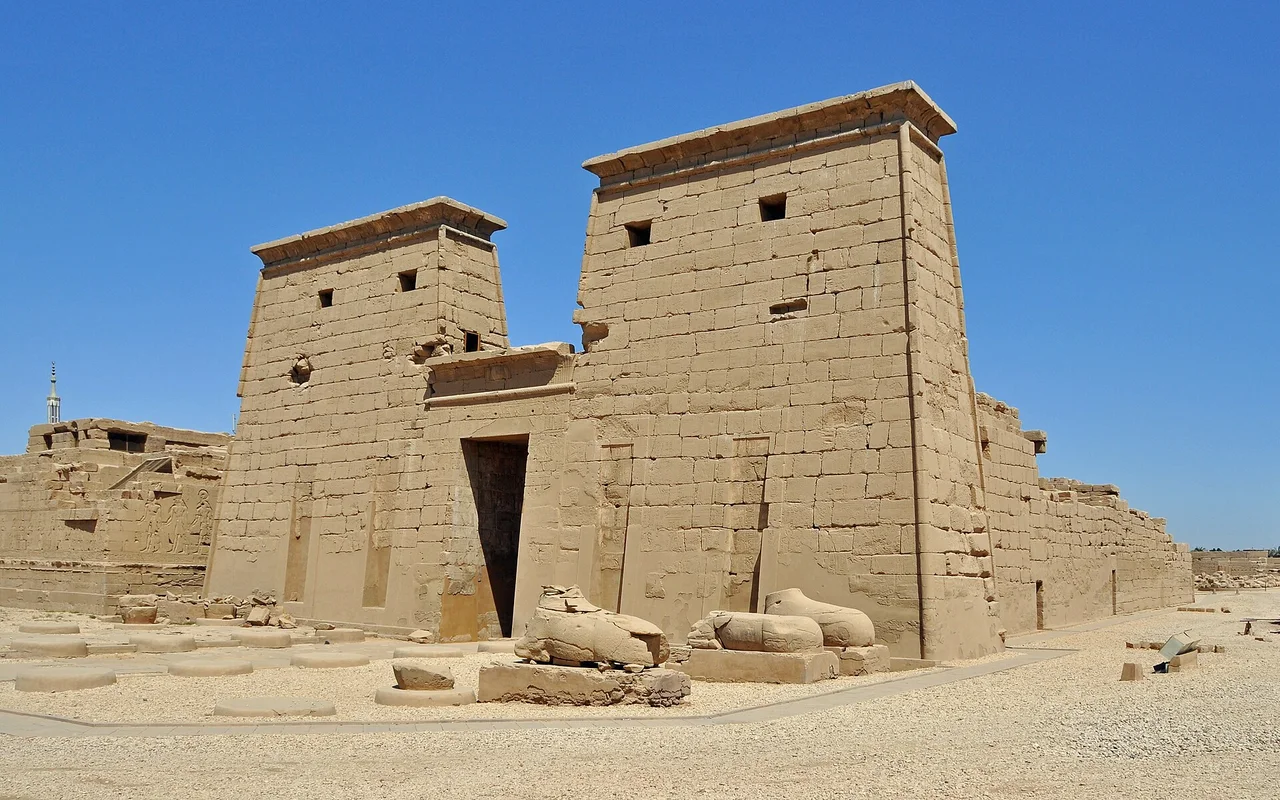
For more than two millennia, Nile Valley kingdoms developed durable systems of agriculture, writing, taxation, religion, craft and state power. The New Kingdom extended Egyptian rule into Nubia and the eastern Mediterranean while leaving a vast architectural and textual record.
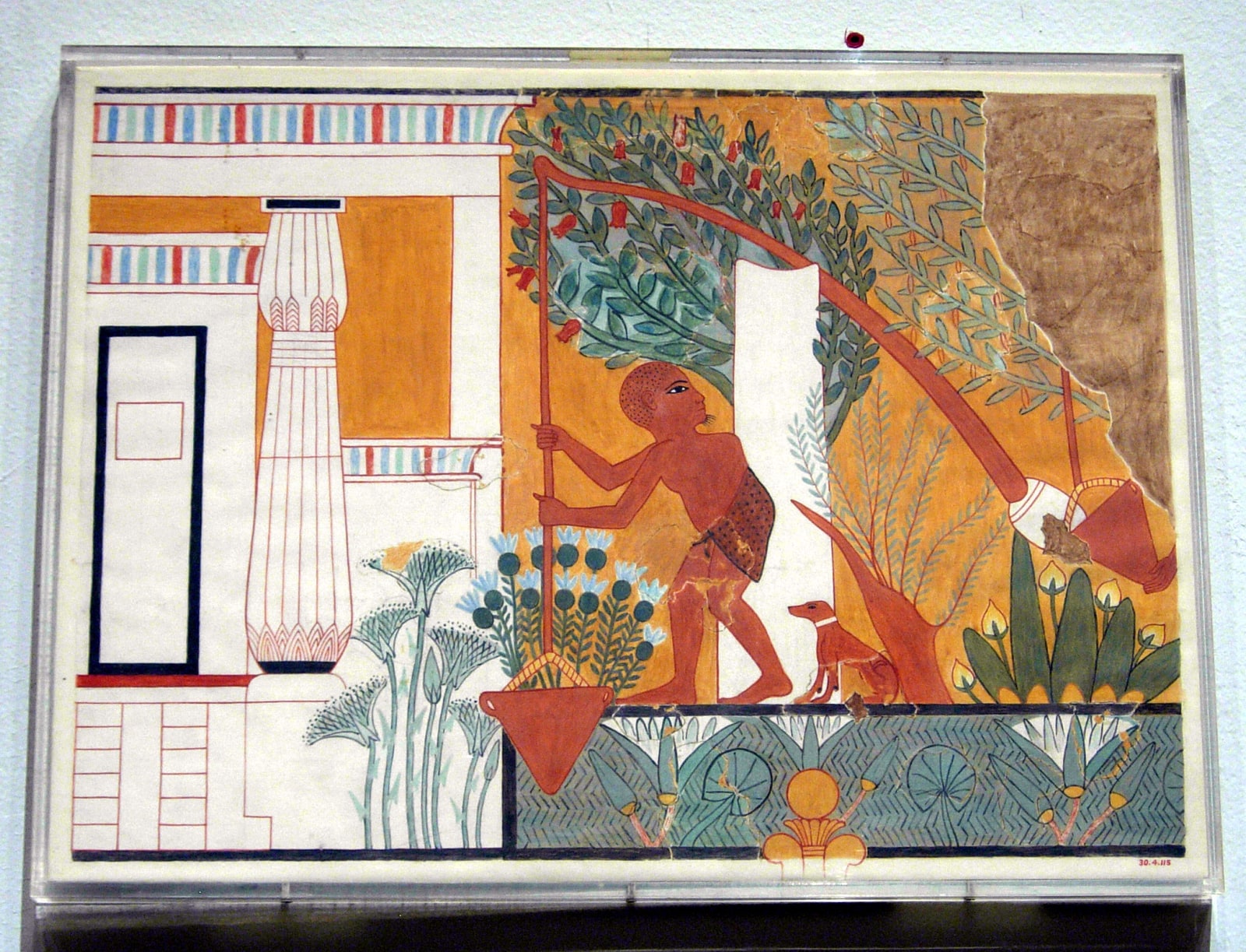
A garden scene from the tomb of Ipuy opens a view onto the practical work of obtaining water. A counterbalanced lifting device links a simple mechanical principle with the labour required to sustain cultivation.
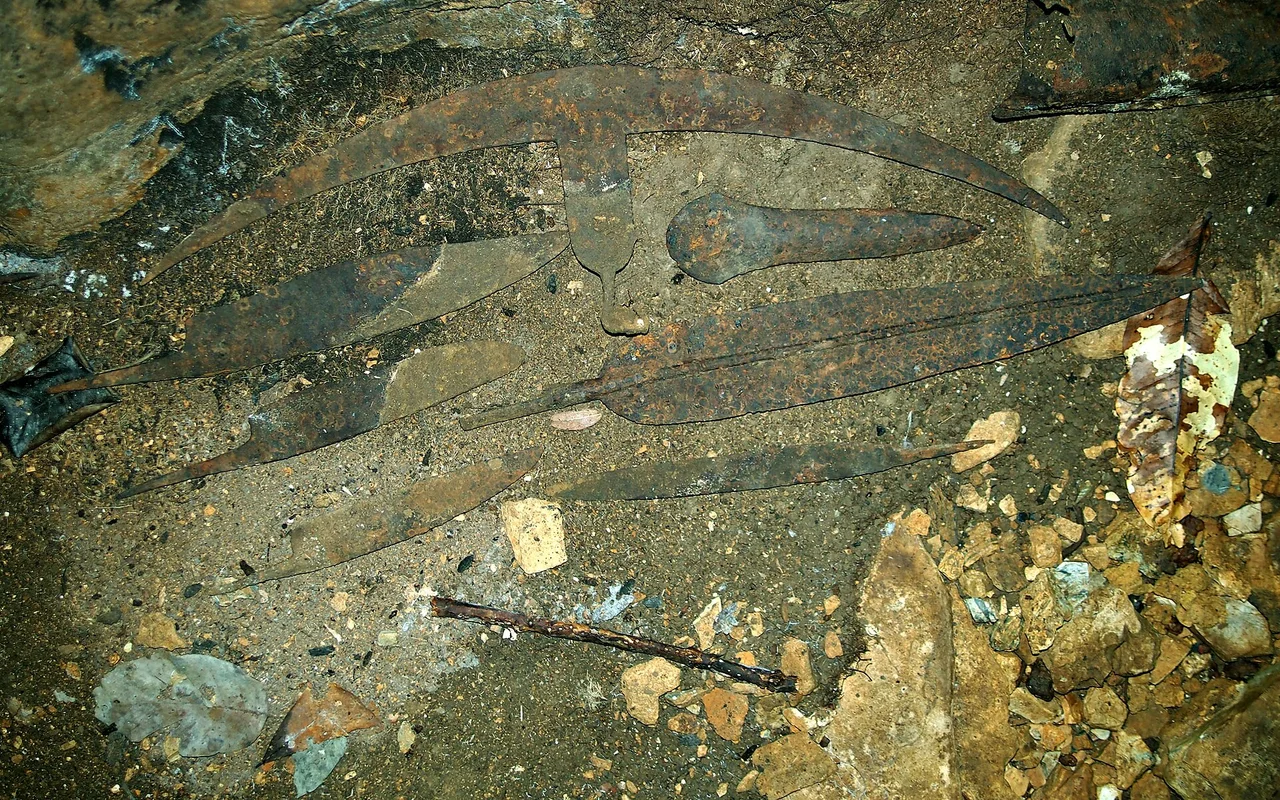
1000 BCE–1500 CEIron objects from Iroungou, photographed in 2018. These burial finds illustrate African metalworking; they cannot by themselves establish early Bantu-language migrations.
Over many centuries, Bantu-language dispersals reshaped linguistic landscapes across central, eastern and southern Africa. Communities adopted and developed farming and ironworking in different places and times, through diverse exchanges with peoples already living in these regions.
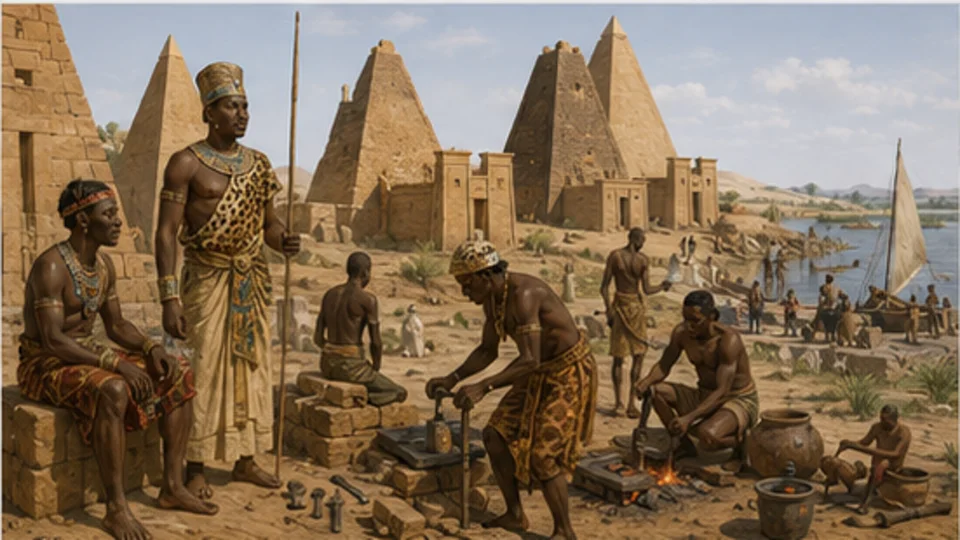
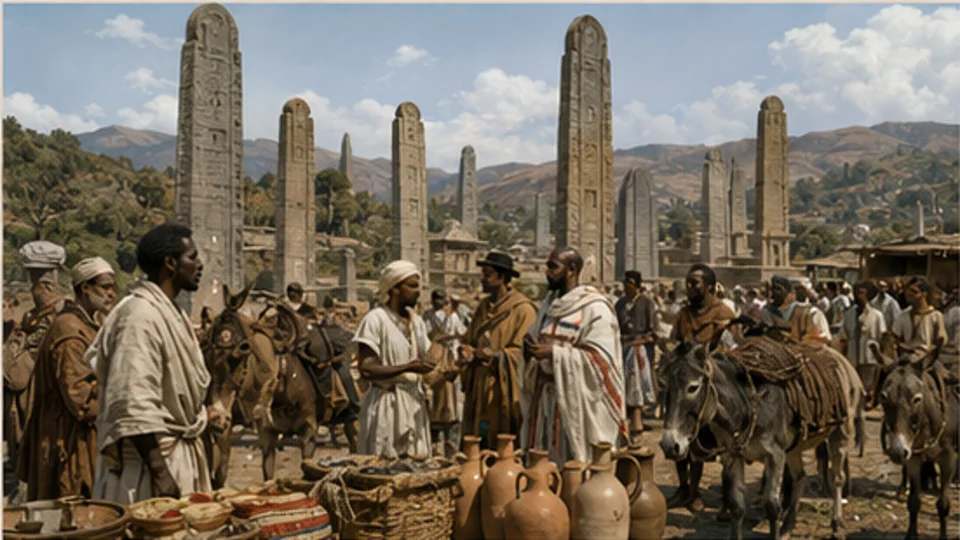
Nubian kingdoms south of Egypt developed powerful states, monumental cities and far-reaching trade; Kushite rulers governed Egypt as the Twenty-fifth Dynasty, while the Meroitic kingdom remained a major Nile Valley power into the early centuries CE.
Ancient Ghana, also called Wagadu, developed in the western Sahel. Its history belongs alongside Mali and Songhai, and is distinct from the modern republic of Ghana.
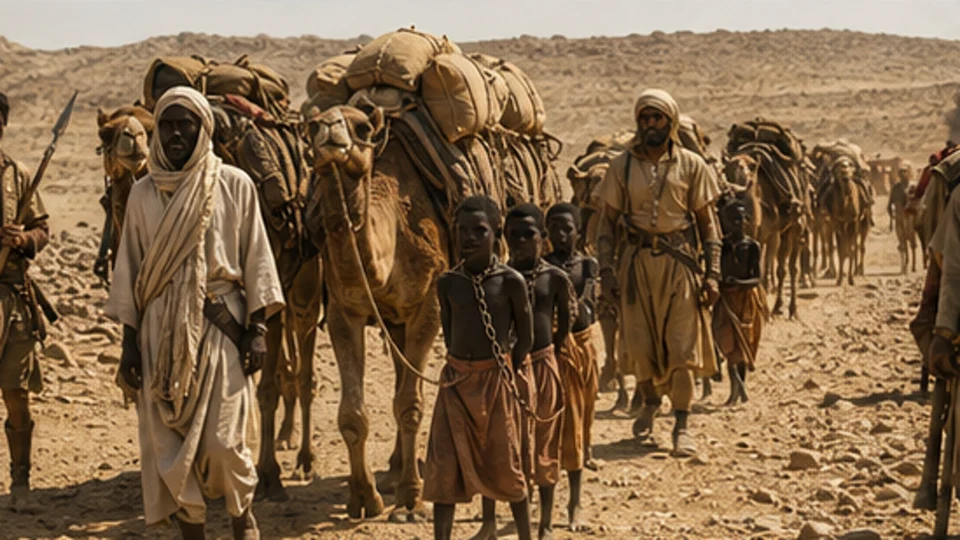
Caravan routes exchanged gold, salt, textiles, books and other goods between North and West Africa; enslaved Africans were also transported northward through Saharan networks over many centuries.
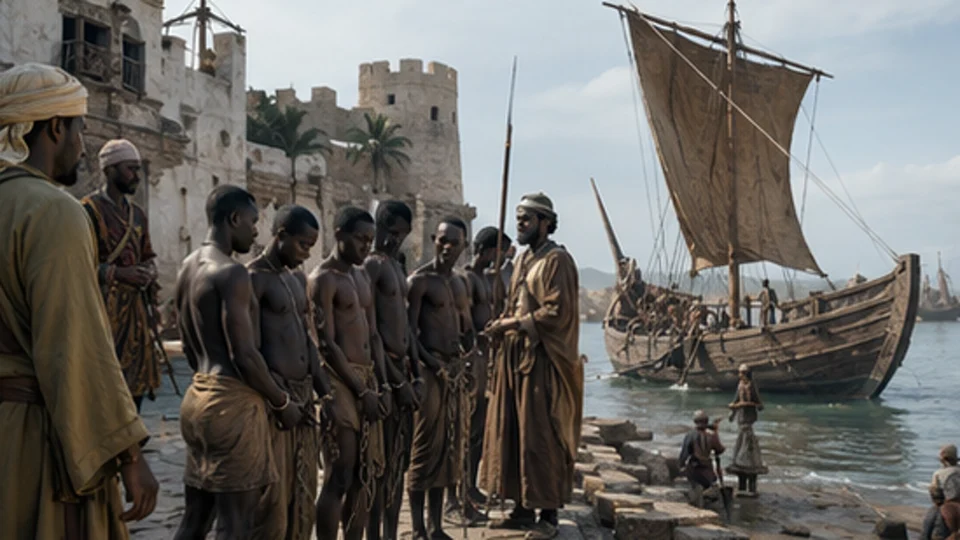
Interconnected Red Sea and Indian Ocean systems moved commodities and enslaved people among East Africa, Arabia, Persia, India and island societies; Zanzibar became a major nineteenth-century hub.
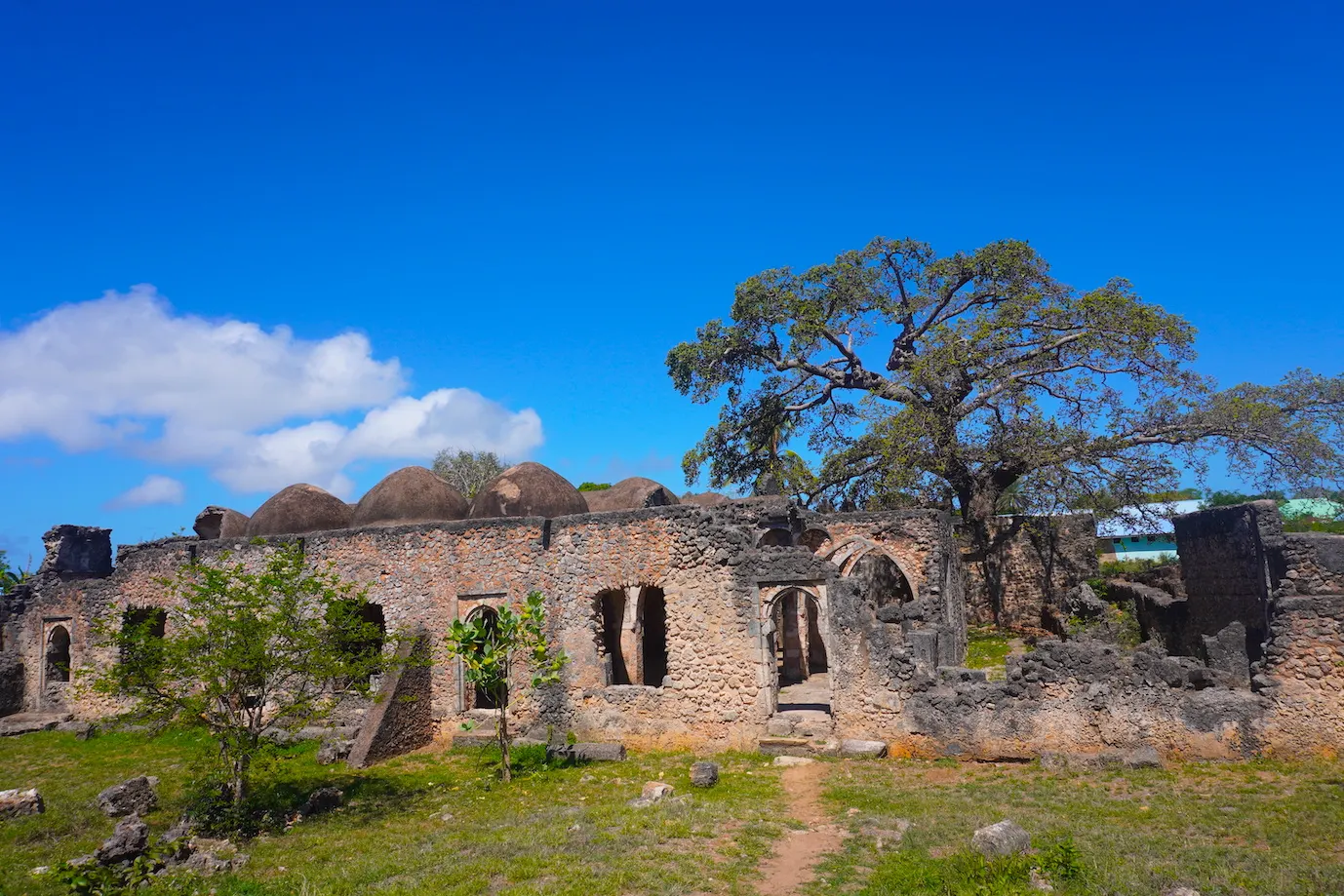
Kilwa Kisiwani and neighbouring settlements reveal an African coastal history connected to commerce, architecture and political networks across the Indian Ocean.
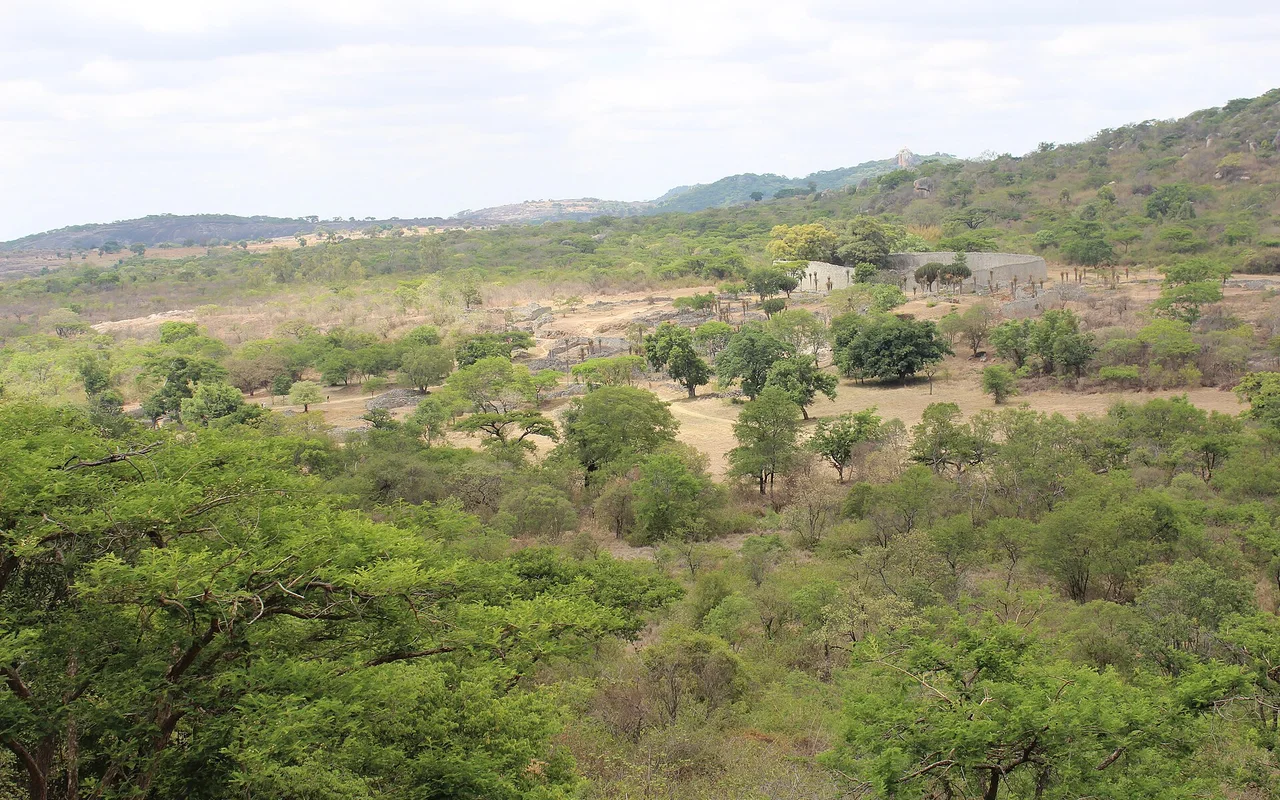
Great Zimbabwe became the centre of a Shona-speaking state whose monumental dry-stone architecture and gold, cattle and trade networks connected the southern African interior to the Indian Ocean world.
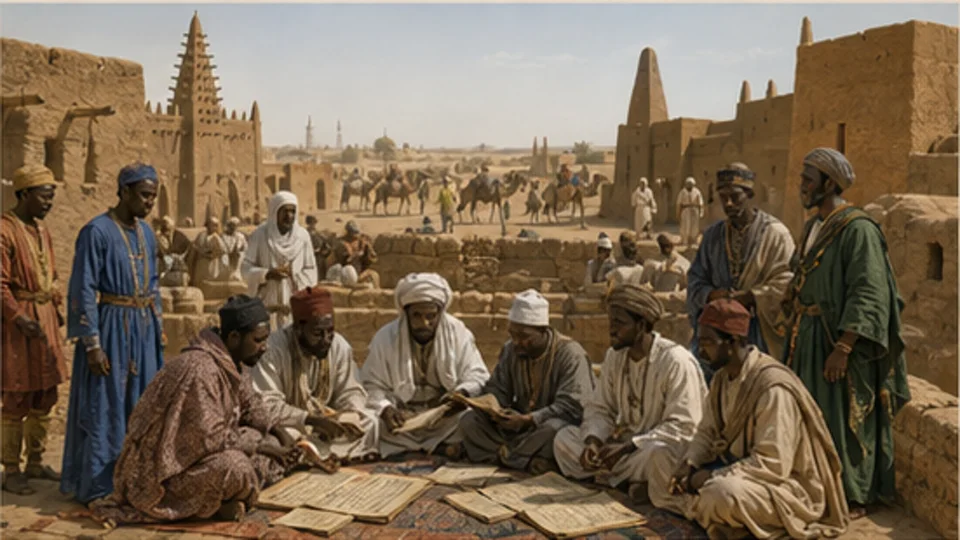
Mali and Songhai were distinct, overlapping Sahelian powers. Mali's rise in the thirteenth century preceded Songhai's expansion under Sunni Ali from 1464; Morocco's invasion broke Songhai's imperial power in 1591. Farming, gold, taxation, trade and scholarship sustained these societies.
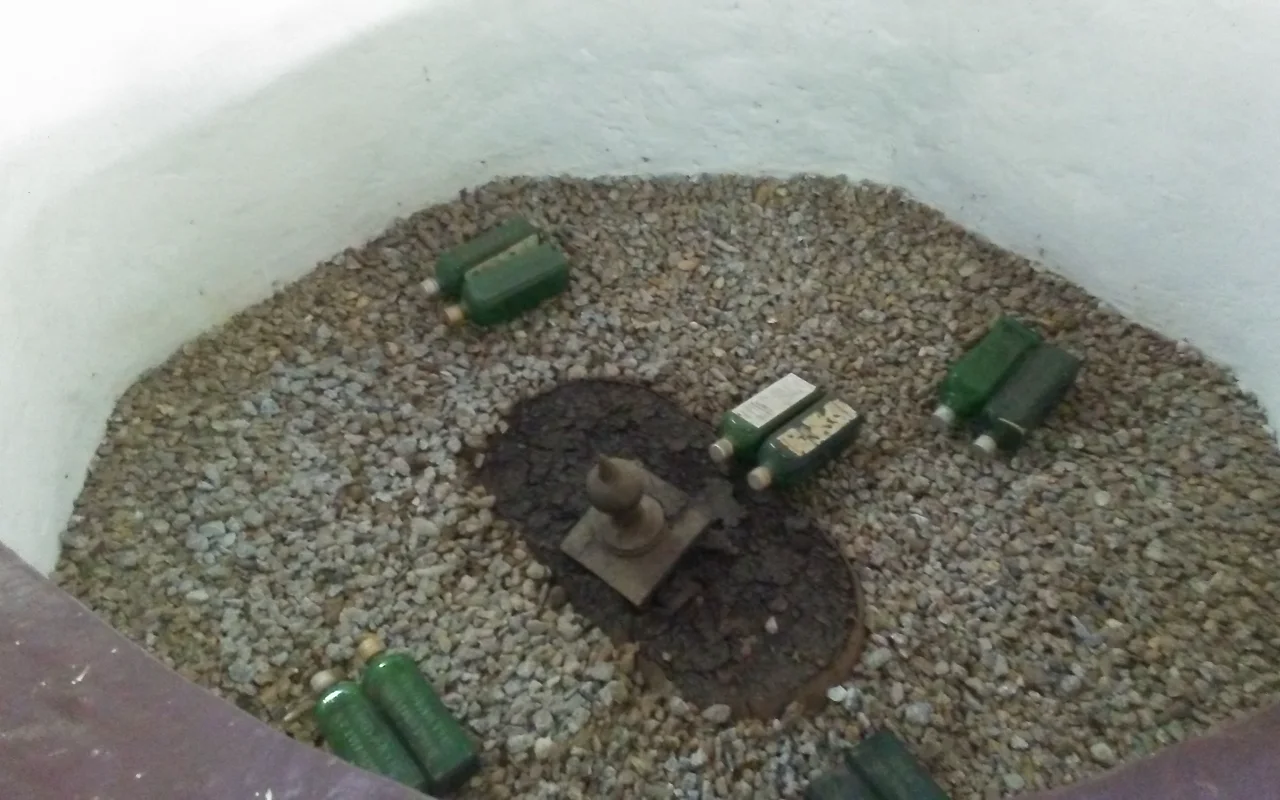
c. 1680–1901 CE · state formation to colonial annexationModern photograph (2018) of the Okomfo Anokye sword site in Kumasi, associated with Asante foundation traditions.
Osei Tutu and Okomfo Anokye helped unite Akan states around Kumasi and the Golden Stool; a sophisticated confederacy grew through military power, diplomacy, law and gold and kola trade.
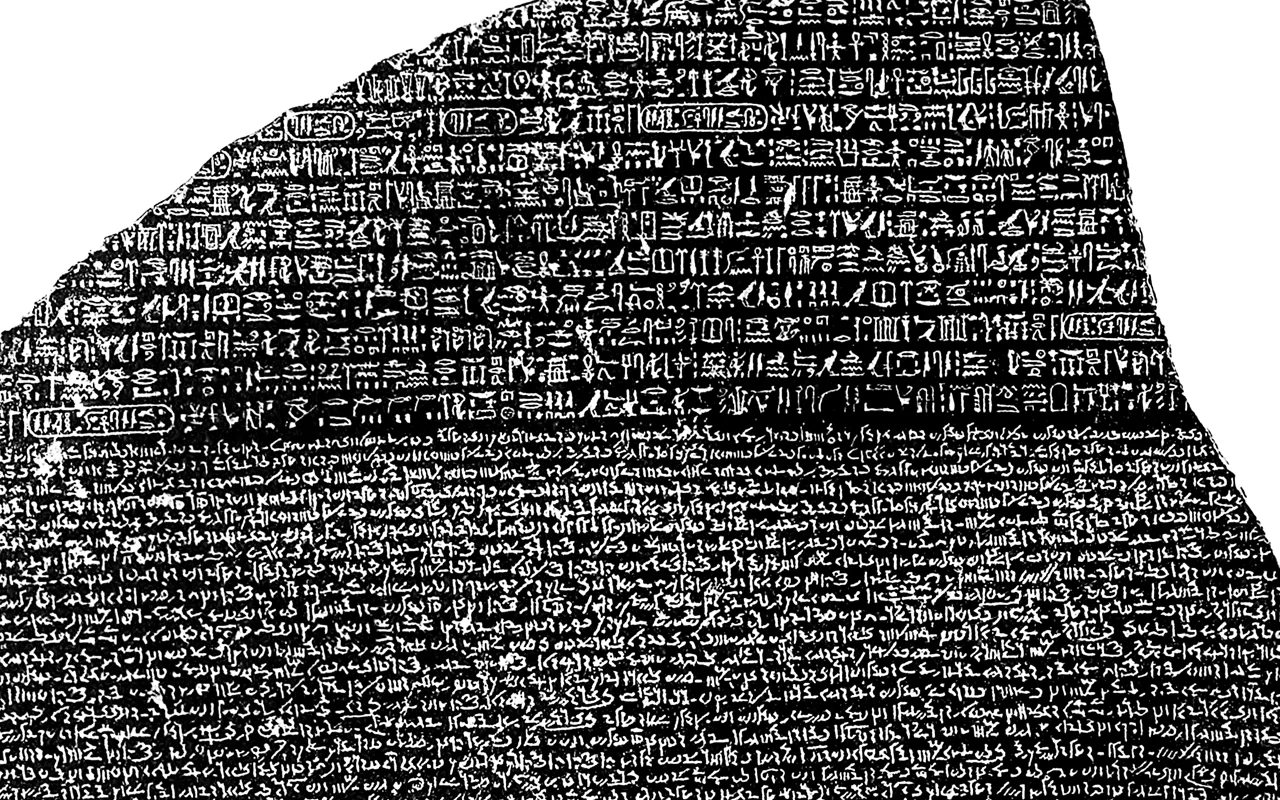
1799–1822 CE · discovery and decipherment milestonesA photograph of the Rosetta Stone published in 1922, subsequently digitally enhanced. It does not show the discovery in 1799.
French soldiers found the trilingual Rosetta Stone at Rashid in 1799. British forces took it in 1801; in 1822 Jean-François Champollion announced a decisive advance built on Thomas Young’s work and earlier scholarship.
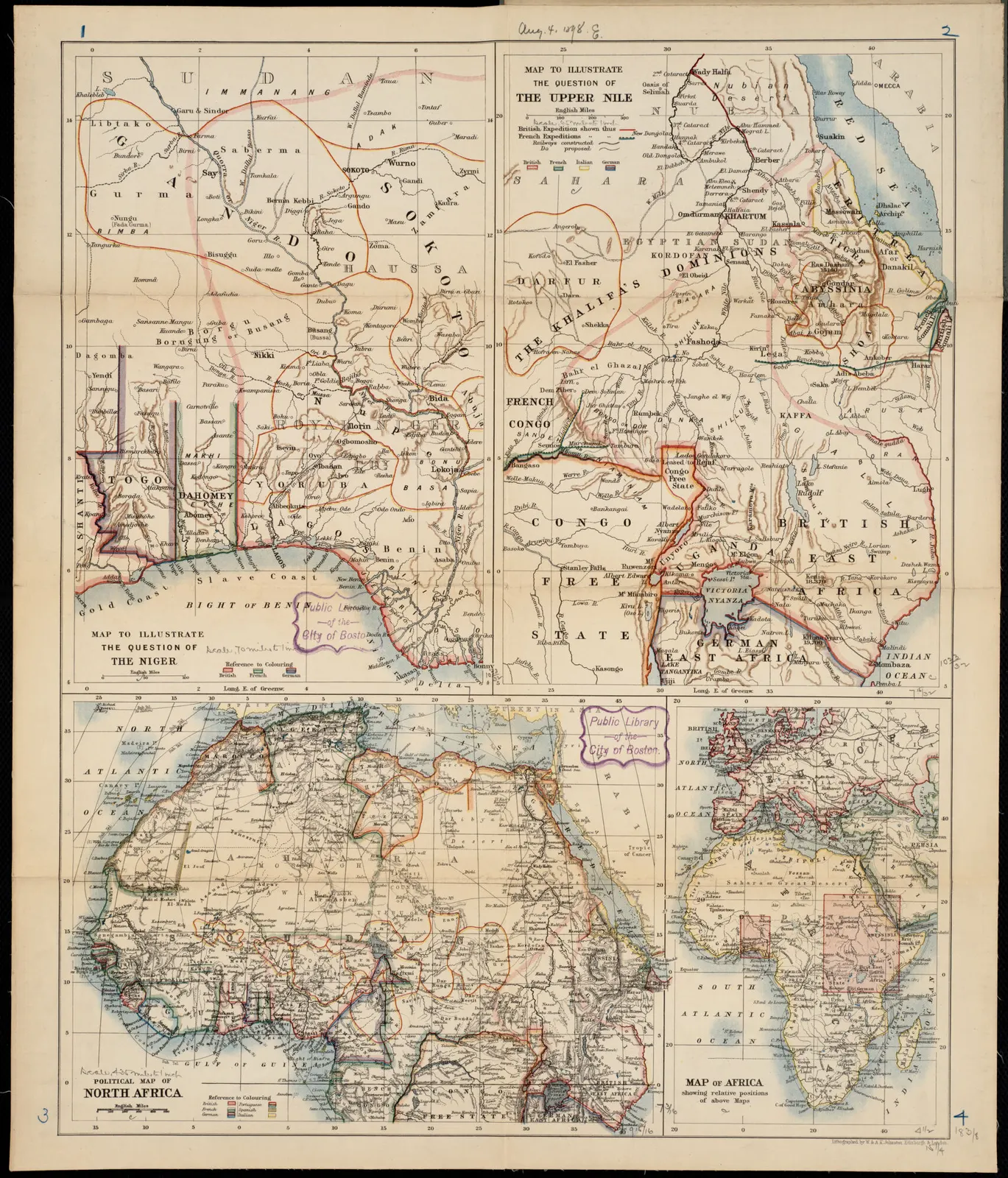
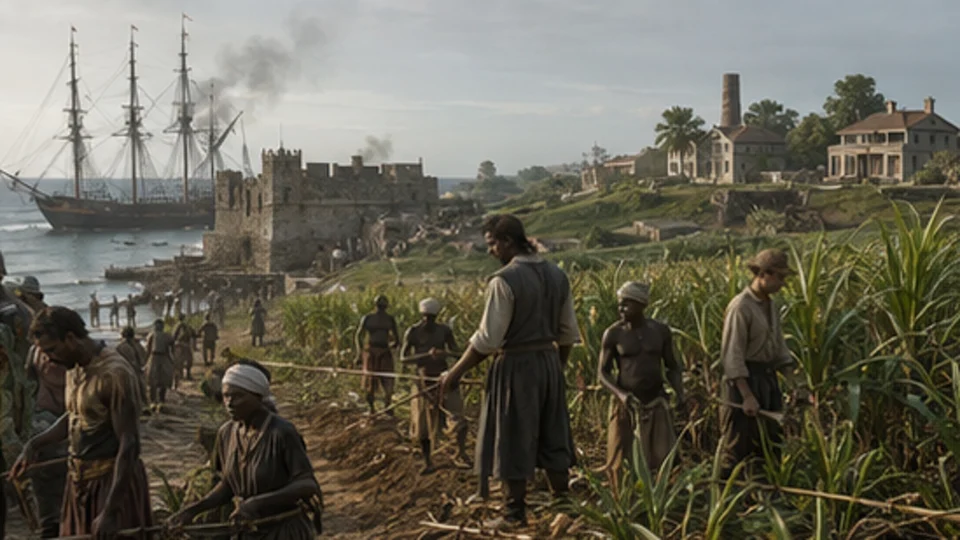
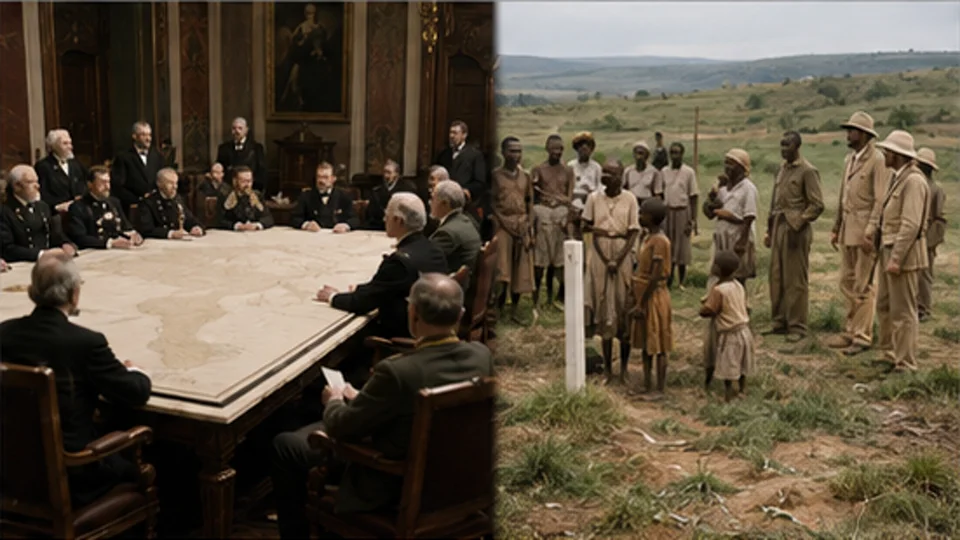
Across different African regions, uneven abolition measures, African political choices, changing commerce and European naval coercion preceded—but did not mechanically cause—later territorial conquest and colonial rule.
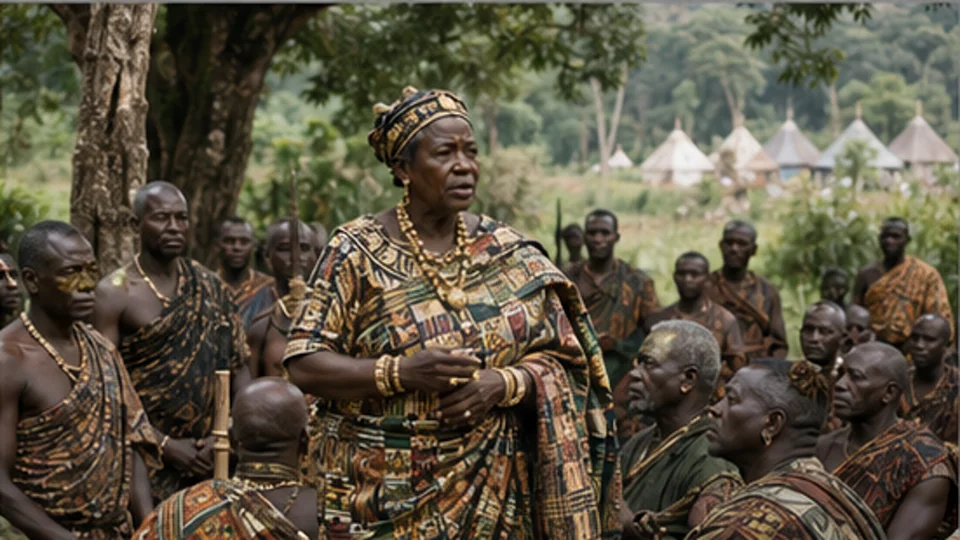
Successive conflicts pitted Asante sovereignty against British expansion on the Gold Coast. Yaa Asantewaa led the 1900 War of the Golden Stool; Britain annexed Asante in 1901 without ending Asante identity or institutions.
British plans for a southern African federation threatened an independent Zulu kingdom. Military resistance, conquest and political fragmentation followed.
1881–1925 CE · cache discovery and excavation milestonesHarry Burton’s 1924 photograph from the documentation of Tutankhamun’s tomb; Griffith Institute, album 5, photograph 470.
The Deir el-Bahari royal-mummy cache entered official archaeology in 1881. Tutankhamun’s tomb was found in 1922 and his mummy examined in 1925 through work involving Egyptian excavators and officials as well as Howard Carter’s team.
Leopold II’s Congo Free State organised violent extraction of rubber and ivory. Its history requires attention to coercion, disrupted livelihoods and the limits of population estimates.
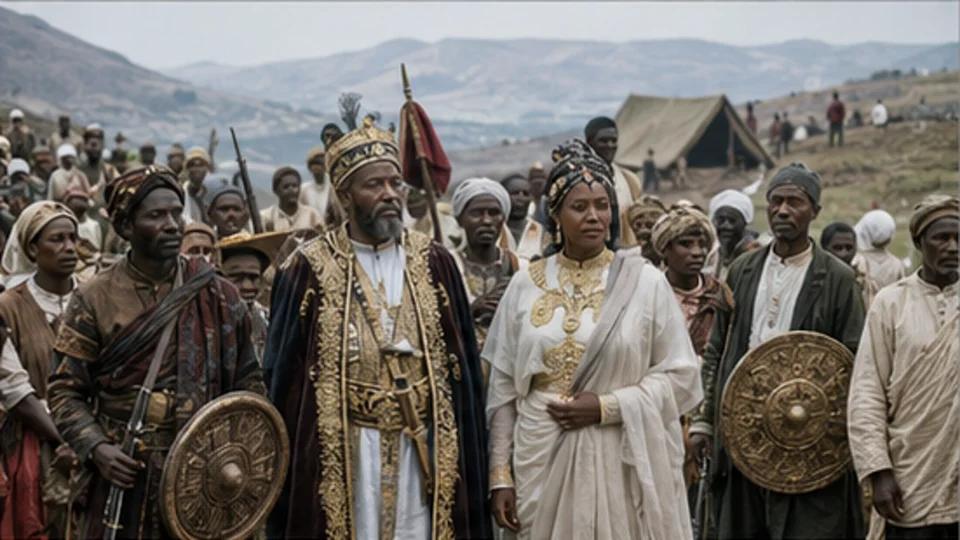
An Ethiopian army assembled from several regions under Menelik II and Taytu Betul defeated Italy’s invading force at Adwa; Italy recognised Ethiopian independence in the Treaty of Addis Ababa later that year.
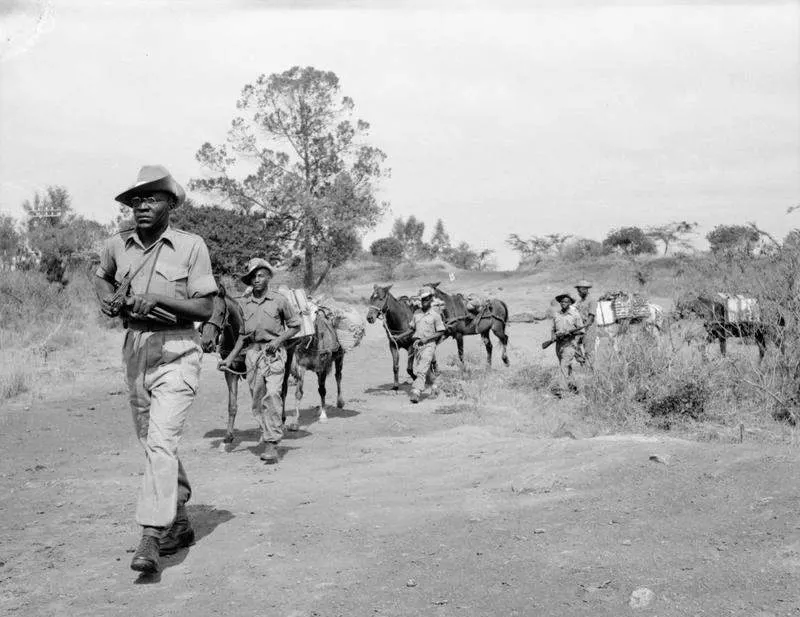
Resistance to German rule in East Africa grew from coercive taxation and labour. The suppression devastated communities in what is now mainland Tanzania.
The National Party formalized apartheid from 1948 upon older colonial segregation, enforcing racial classification, dispossession, forced removal, exclusion and repression. Diverse internal resistance and international campaigns helped force negotiation and universal-suffrage elections in 1994.
The war for independence ended French colonial rule in Algeria. Political sovereignty also raised questions about archives, art and who would control the cultural inheritance.
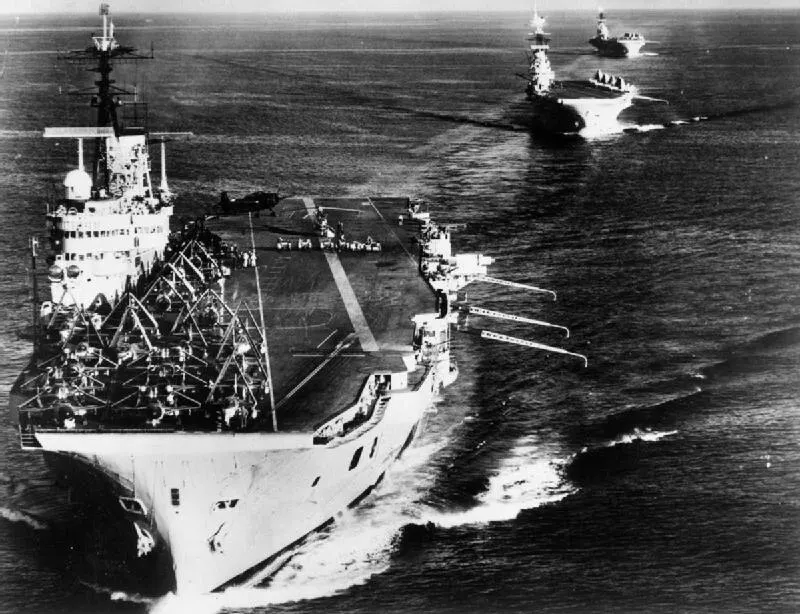
Egypt’s nationalisation of the Suez Canal Company was followed by an Israeli attack and British-French intervention, making control of a trade artery a global crisis.
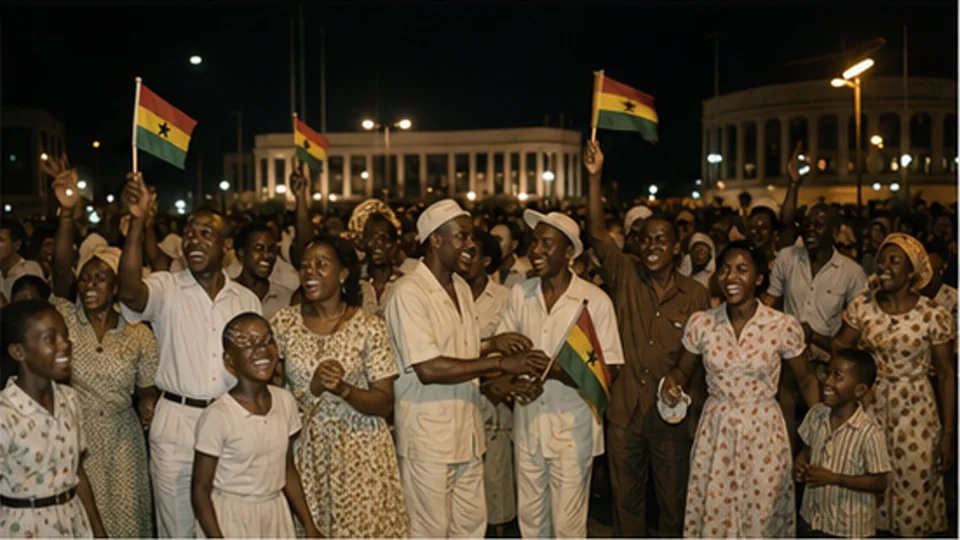
The British colony of the Gold Coast became independent Ghana on 6 March 1957 after strikes, elections, constitutional negotiation and mass anticolonial organizing led through—but not confined to—the Convention People’s Party.
Independent African states built continental institutions to support liberation, sovereignty and cooperation. The OAU and its successor, the AU, belong to different stages of that project.
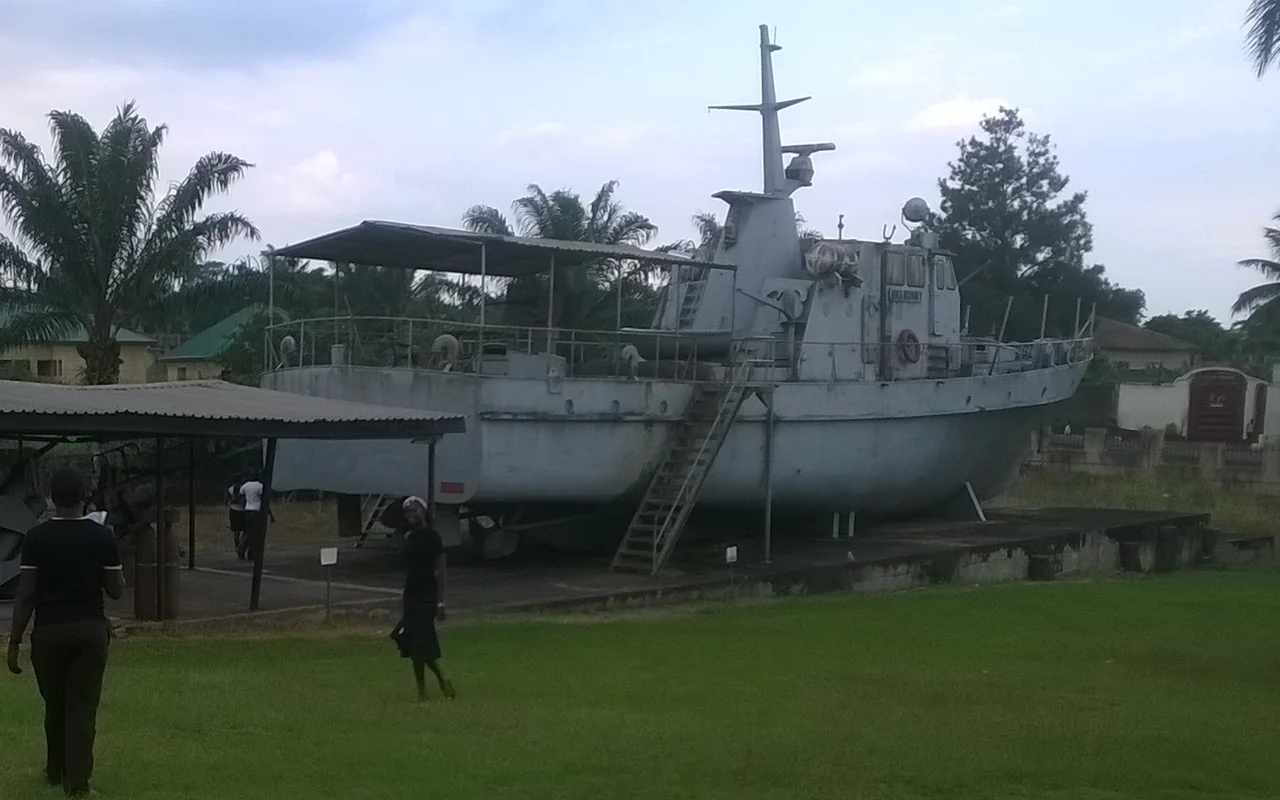
30 May 1967–15 January 1970 CE · secession and civil warNNS Bonny as a museum display, photographed in 2014. This is a later view of a preserved vessel, not a photograph of combat during the Biafran war.
Biafra’s secession followed coups, massacres of Igbo people and a crisis of Nigerian federal authority. Federal victory ended the civil war in January 1970 after blockade, fighting, mass hunger, displacement and civilian death whose totals remain disputed.
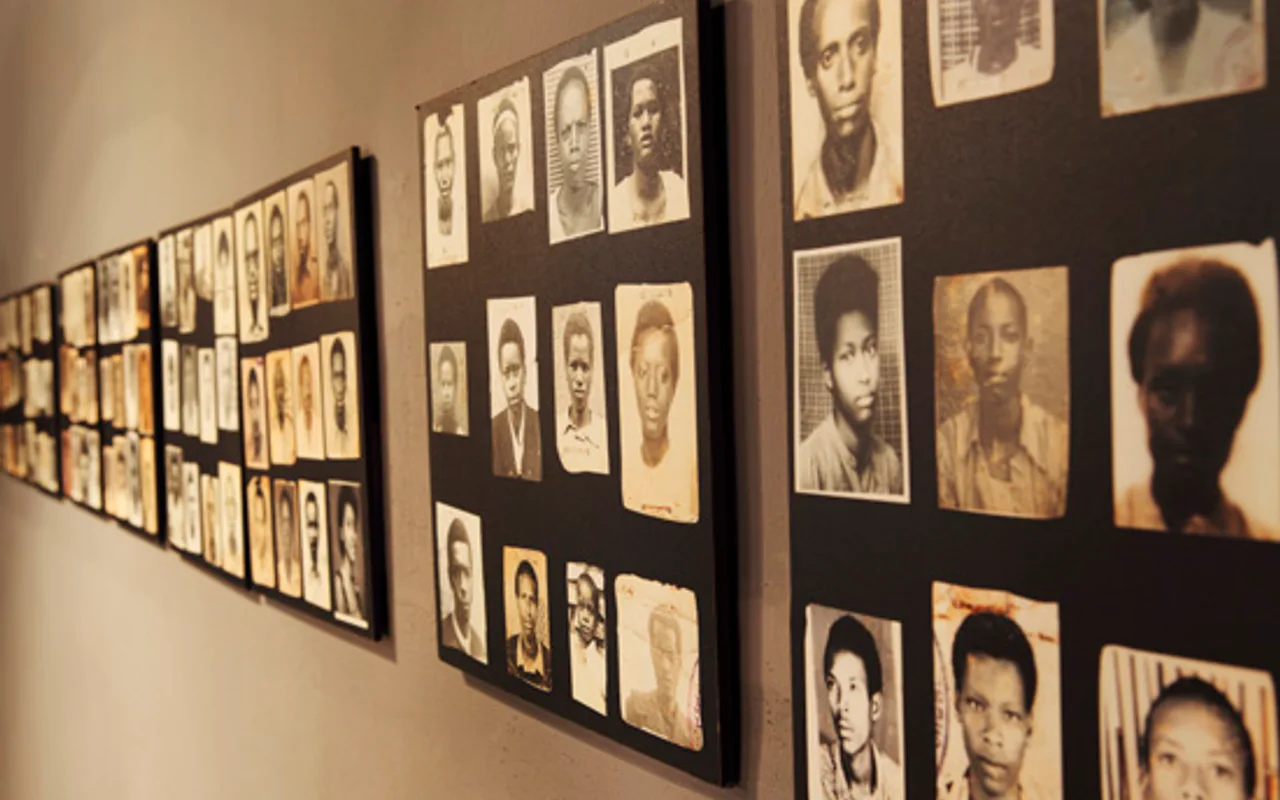
7 April–mid-July 1994 CE · genocide against the Tutsi and regional aftermathAn exhibition room at the Kigali Genocide Memorial, photographed in 2012. This is a later memorial display, not a contemporaneous photograph of the 1994 killings.
From 7 April to mid-July 1994, state authorities, armed forces, militias and mobilised civilians carried out genocide against the Tutsi in Rwanda and murdered Hutu and others who opposed it. The Rwandan Patriotic Front's military advance ended the genocidal regime.
December 2013–June 2016 CE · outbreak, emergency declaration and final transmission chainsPrimary Atlas editorial reconstruction for West African Ebola epidemic.
The largest recorded Ebola outbreak began in Guinea and spread principally through Liberia and Sierra Leone. WHO declared a Public Health Emergency of International Concern in August 2014; transmission chains were interrupted through local care, surveillance, safer burials, community adaptation and international support, with the outbreak declared over in June 2016.