ATLAS / ANCIENT—PRESENT
All historyHow Atlas is sourced← Back to Atlas
Back to Atlas timeline
Biafran War ship.jpg

30 May 1967–15 January 1970 CE · secession and civil war · Africa · War

Biafran War and Nigerian humanitarian crisis

Biafra’s secession followed coups, massacres of Igbo people and a crisis of Nigerian federal authority. Federal victory ended the civil war in January 1970 after blockade, fighting, mass hunger, displacement and civilian death whose totals remain disputed.

Atlas dossier · Cold War & Decolonization

Free device narration · synchronized English captions · transcript available

Why it matters

The war joined contested sovereignty and regional power to humanitarian emergency, while relief agencies, governments and journalists argued over access, neutrality, propaganda and whether aid prolonged the conflict.

Date
30 May 1967–15 January 1970 CE · secession and civil war
Historical setting
Cold War & Decolonization · Africa
People & communities
Igbo and other eastern civilians · Nigerian civilians · federal and Biafran forces · displaced families · relief workers · journalists


Secession followed coups, massacre and federal crisis

The Eastern Region’s declaration of Biafra on 30 May 1967 followed the 1966 coups, massacres of Igbo people in northern Nigeria and failed attempts to resolve the federation’s constitutional and security crisis. These causes do not erase political divisions inside the east or reduce every Nigerian to one position.

UK National Archives research shelf: Biafra ↗

Blockade and hunger shaped the war

Federal encirclement and blockade, territorial loss and disrupted agriculture produced catastrophic hunger and disease. Images of starving children mobilised international relief and propaganda. Mortality estimates vary, so the dossier records the scale of suffering without presenting a disputed total as an exact count.

Library of Congress research shelf: Nigerian Civil War ↗

Relief was morally urgent and politically contested

Air corridors and relief flights saved lives, yet governments and agencies disputed sovereignty, neutrality, inspection and whether supply routes sustained Biafran resistance. The 15 January 1970 surrender ended organised secession, not bereavement, displacement or arguments over memory and Nigerian federal power.

Academic research on the Biafran War ↗

Illustrated sequence

A visual presentation accompanying this entry. Read each image’s attribution to distinguish archival records, later depictions and reconstructions.

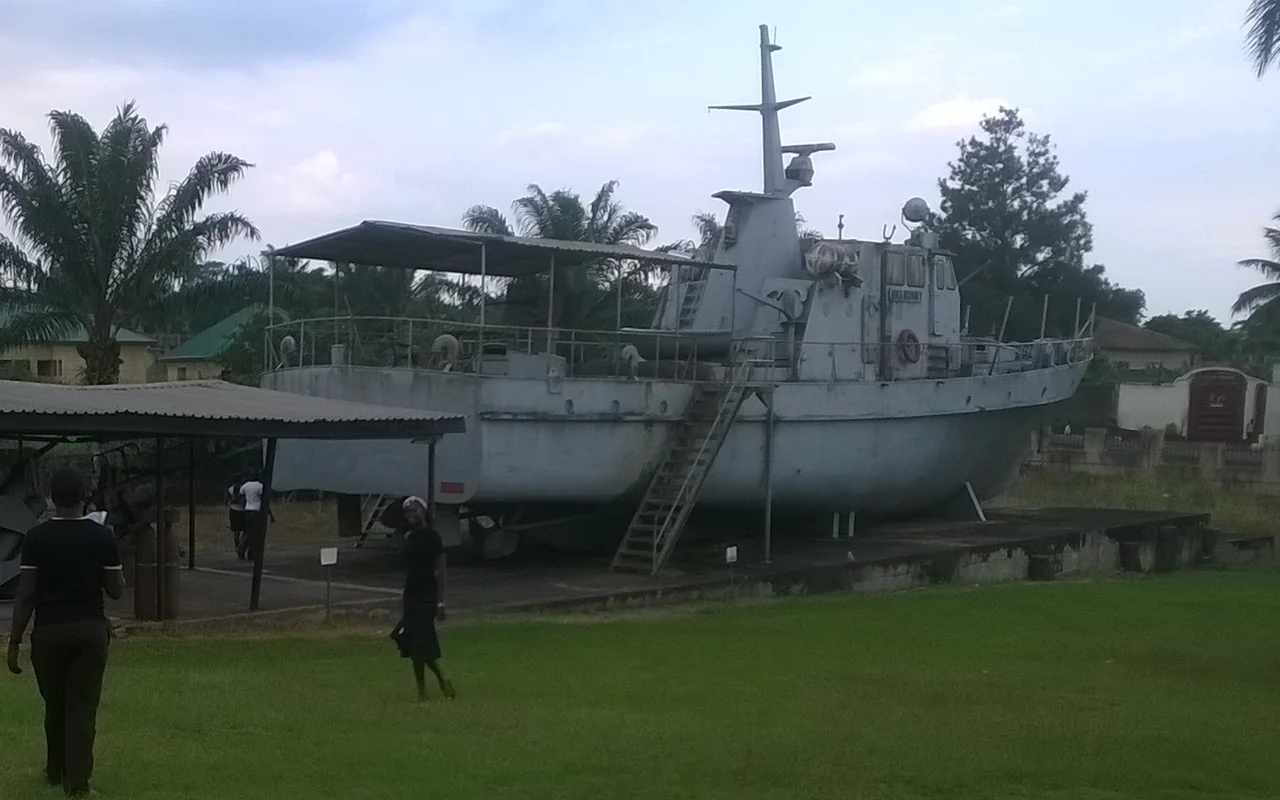
Biafran War ship.jpgEnlarge and examine the picture

Examine the picture

IMAGE 1

Visual record

NNS Bonny as a museum display, photographed in 2014. This is a later view of a preserved vessel, not a photograph of combat during the Biafran war.

Biafran War ship.jpg — David; CC BY-SA 4.0; via Wikimedia Commons repository. Resized, cropped and converted to WebP for Atlas display.

Source and reuse terms ↗ · Read the licence ↗

Interpretation note

Evidence, memory and historical debate

This dossier distinguishes the event’s basic chronology from later arguments about meaning, responsibility and legacy. When comparing religious, national, Indigenous or scholarly interpretations, consult the primary and institutional sources above alongside peer-reviewed historical work.

Elsewhere in the world

Parallel histories near this moment

16–24 July 1969 CE · Apollo 11 mission · GlobalHumans land on the Moon

Apollo 11 carried Neil Armstrong and Buzz Aldrin to the first crewed landing on the Moon while Michael Collins remained in lunar orbit, after an immense mobilization of science, engineering, tracking networks, industry and public funds.

1963–1968 CE · selected seafloor evidence and tectonic synthesis · GlobalPlate tectonics and Earth-system science

Seafloor maps, earthquake patterns, paleomagnetic stripes and spreading hypotheses converged during the 1960s into plate tectonics, a framework that explained moving lithospheric plates, ridges, transform faults and subduction.

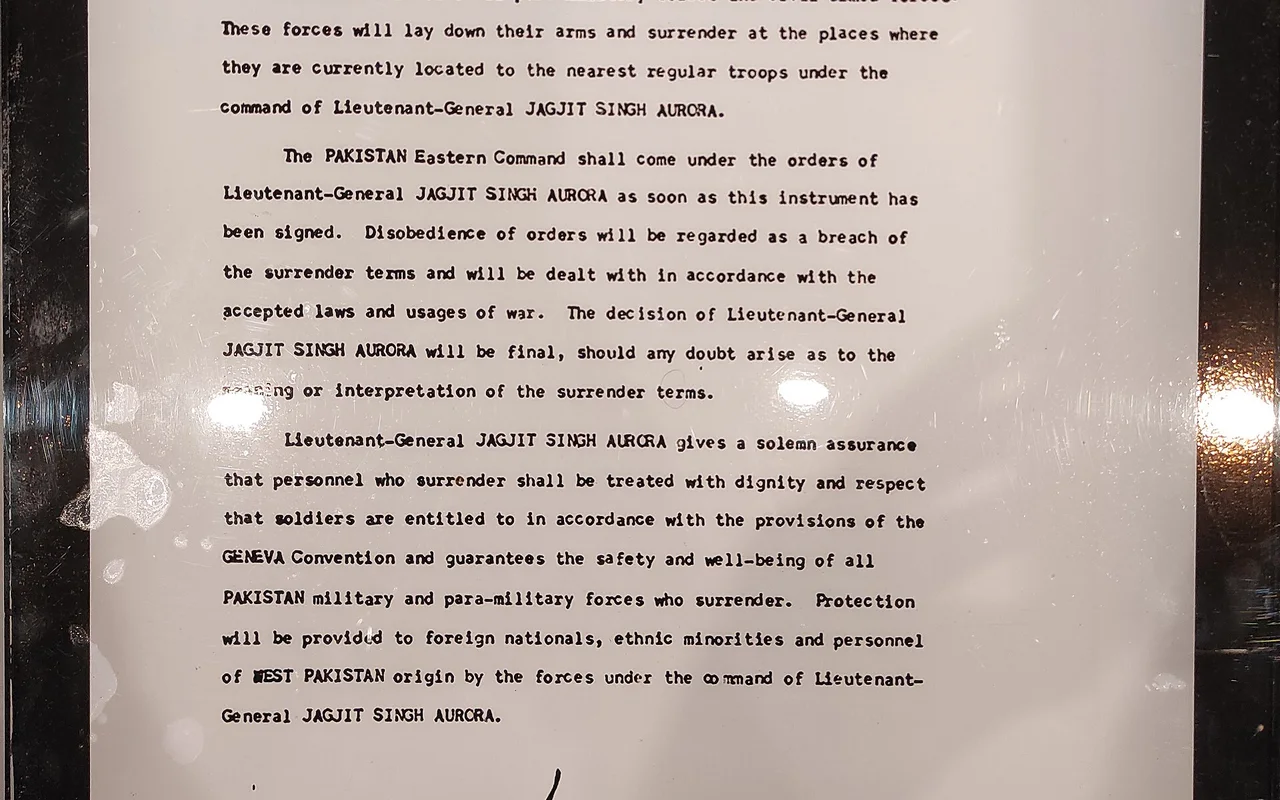
March–December 1971 CE · repression, liberation war and regional intervention · AsiaBangladesh Liberation War

After the Awami League won Pakistan’s 1970 election, the refusal to transfer power and the Pakistani army’s March 1971 crackdown precipitated war, mass atrocities and flight. Bengali forces fought for independence; Indian intervention in December accelerated Pakistan’s surrender and Bangladesh’s creation.