ATLAS / ANCIENT—PRESENT
All historyHow Atlas is sourced← Back to Atlas
Back to Atlas timeline
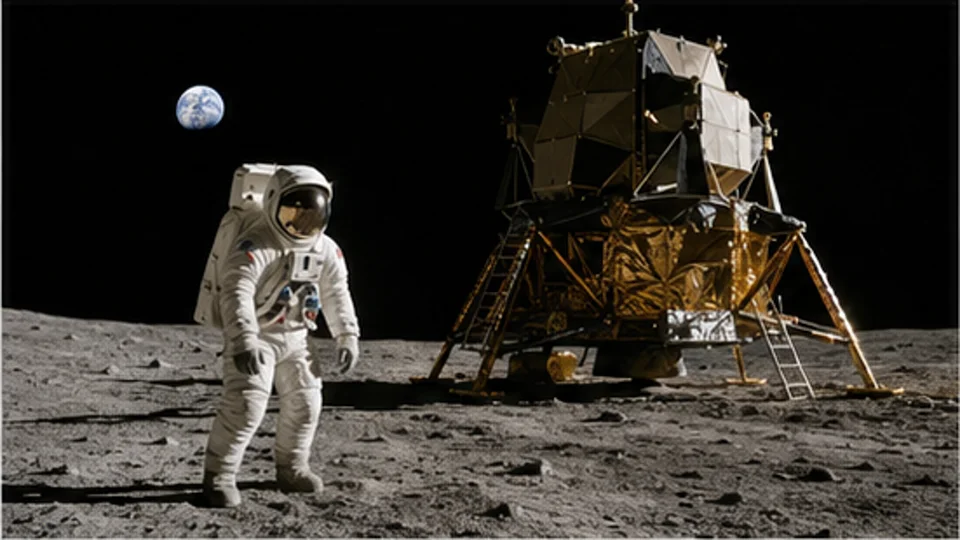
Humans land on the Moon — original Atlas editorial reconstruction

16–24 July 1969 CE · Apollo 11 mission · Global · Science

Humans land on the Moon

Apollo 11 carried Neil Armstrong and Buzz Aldrin to the first crewed landing on the Moon while Michael Collins remained in lunar orbit, after an immense mobilization of science, engineering, tracking networks, industry and public funds.

Atlas dossier · Cold War & Decolonization

Free device narration · synchronized English captions · transcript available

Why it matters

The mission returned samples and observations that advanced lunar science, while also expressing Cold War rivalry, national power and choices about public resources rather than a politically neutral triumph by three astronauts alone.

Date
16–24 July 1969 CE · Apollo 11 mission
Historical setting
Cold War & Decolonization · Global
People & communities
Neil Armstrong · Buzz Aldrin · Michael Collins · mission controllers · engineers and factory workers · global tracking stations · scientific teams

A precise crewed-landing claim

Apollo 11 launched on 16 July 1969. Armstrong and Aldrin landed and worked on the lunar surface while Collins piloted the command module in lunar orbit; all three returned on 24 July. The claim is the first crewed landing, not the first spacecraft, object or scientific observation to reach the Moon.

NASA: Apollo 11 ↗

Three astronauts depended on a vast system

At its peak Apollo involved roughly 400,000 U.S. workers and more than 20,000 firms and universities, as well as tracking facilities across several continents. Controllers, programmers, manufacturers, seamstresses, technicians and scientists belong inside the achievement alongside the flight crew.

NASA: Langley’s contributions to Apollo ↗

Science and rivalry coexist

Samples, instruments and later analysis advanced lunar geology. The programme also grew from U.S.–Soviet competition and extraordinary public spending. Celebrating technical achievement need not hide geopolitical display, risks to crews and workers, or contemporary debate over national priorities.

Smithsonian National Air and Space Museum: Apollo resources ↗

Illustrated sequence

Silent pan-and-zoom motion derivative of the Humans land on the Moon reconstruction; not archival footage.

Interpretation note

Evidence, memory and historical debate

This dossier distinguishes the event’s basic chronology from later arguments about meaning, responsibility and legacy. When comparing religious, national, Indigenous or scholarly interpretations, consult the primary and institutional sources above alongside peer-reviewed historical work.

Elsewhere in the world

Parallel histories near this moment

30 May 1967–15 January 1970 CE · secession and civil war · AfricaBiafran War and Nigerian humanitarian crisis

Biafra’s secession followed coups, massacres of Igbo people and a crisis of Nigerian federal authority. Federal victory ended the civil war in January 1970 after blockade, fighting, mass hunger, displacement and civilian death whose totals remain disputed.

March–December 1971 CE · repression, liberation war and regional intervention · AsiaBangladesh Liberation War

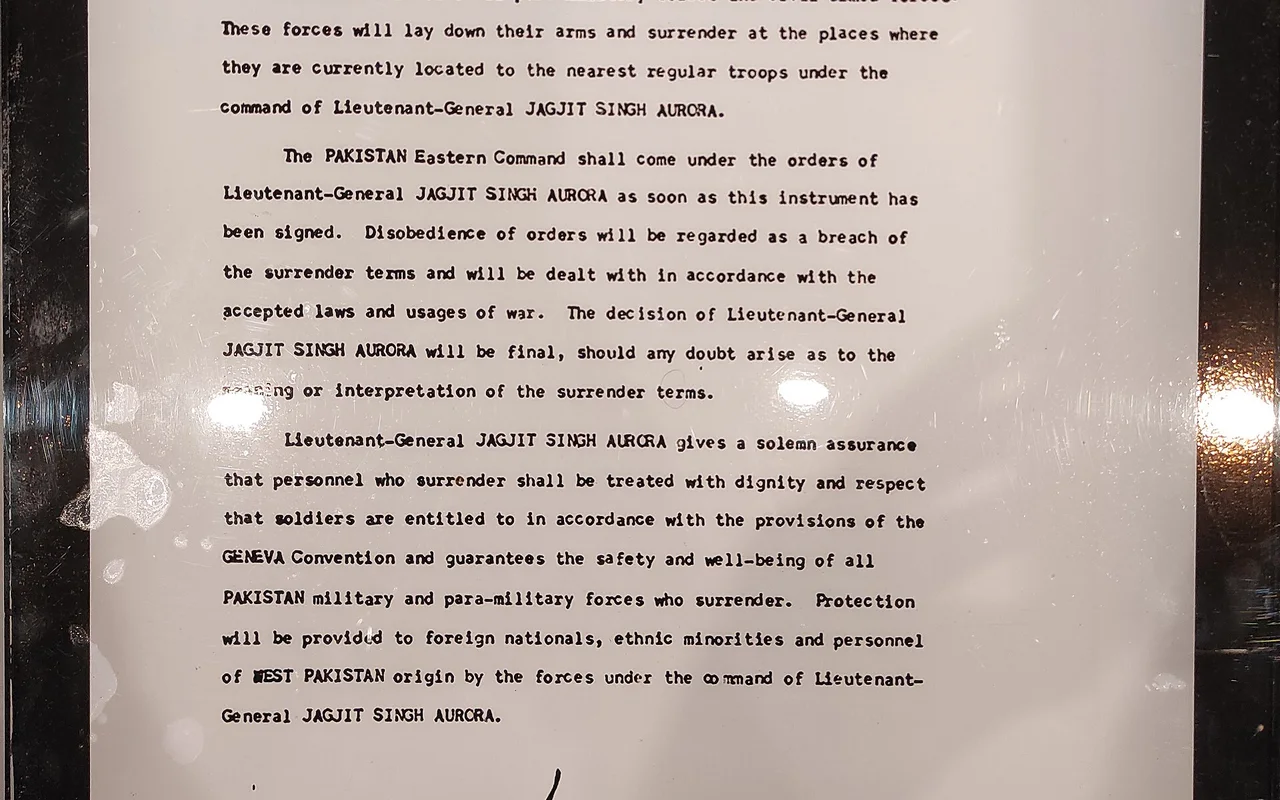
After the Awami League won Pakistan’s 1970 election, the refusal to transfer power and the Pakistani army’s March 1971 crackdown precipitated war, mass atrocities and flight. Bengali forces fought for independence; Indian intervention in December accelerated Pakistan’s surrender and Bangladesh’s creation.

1971–1977 CE · first clinical CT and foundational MRI milestones · EuropeCT, MRI and non-invasive medical imaging

Computed tomography reconstructed cross-sectional images from many X-ray measurements, while magnetic-resonance imaging used magnetic fields, radio-frequency signals and spatial encoding. Their first clinical and foundational milestones unfolded through different teams during the 1970s.