ATLAS / ANCIENT—PRESENT
All historyHow Atlas is sourced← Back to Atlas
Back to Atlas timeline
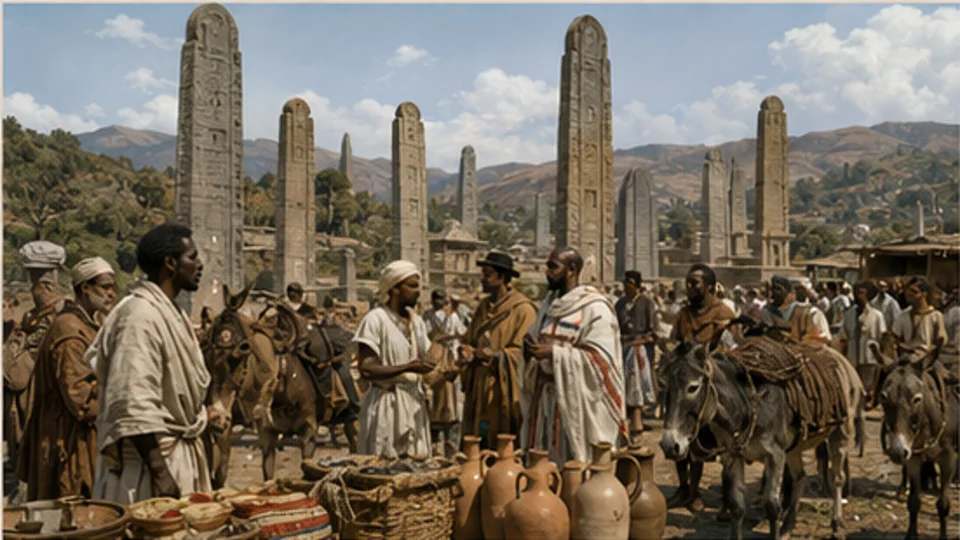
Kingdom of Aksum — original Atlas editorial reconstruction

c. 1st–8th centuries CE · Africa · Trade

Kingdom of Aksum

Aksum linked the African interior, Red Sea and Indian Ocean, minted coinage and adopted Christianity in the fourth century.

Atlas dossier · Late Antiquity

Free device narration · synchronized English captions · transcript available

Why it matters

It was a major commercial and Christian power connecting Africa to Arabia, Byzantium and the wider world.

Date
c. 1st–8th centuries CE
Historical setting
Late Antiquity · Africa
People & communities
Ezana · Aksumite merchants · Ethiopian and Eritrean communities

A period of prominence, not an exact founding and fall

The first-to-eighth-century span follows the Met’s description of Aksum’s trading empire. It replaces a falsely precise terminal year. Adulis connected the interior with the Red Sea, while coins and inscriptions document royal authority. Political change did not end the city’s religious significance or the histories of the communities that lived there.

The Met: Monumental Architecture of the Aksumite Empire ↗

Illustrated sequence

Silent pan-and-zoom motion derivative of the Kingdom of Aksum reconstruction; not archival footage.

Interpretation note

Evidence, memory and historical debate

This dossier distinguishes the event’s basic chronology from later arguments about meaning, responsibility and legacy. When comparing religious, national, Indigenous or scholarly interpretations, consult the primary and institutional sources above alongside peer-reviewed historical work.

Elsewhere in the world

Parallel histories near this moment

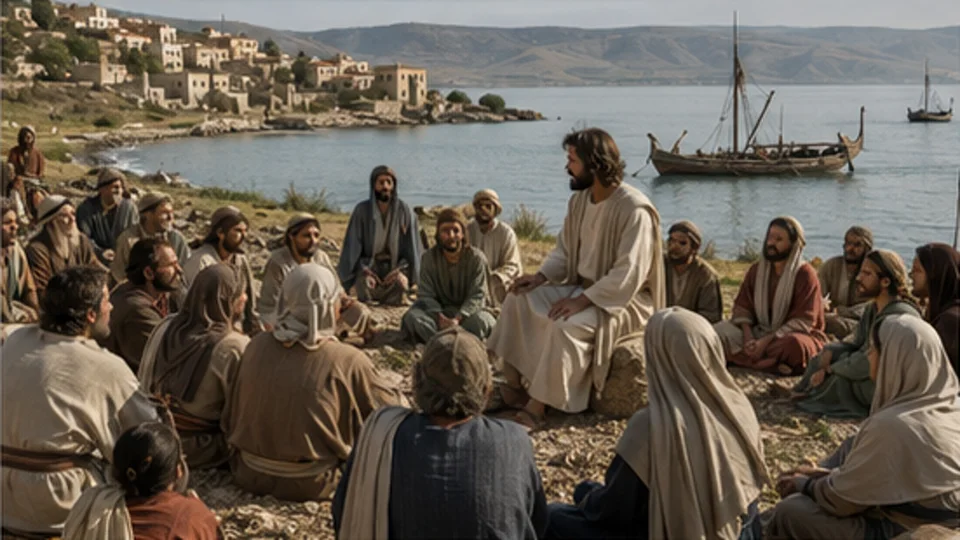
c. 4 BCE–c. 30 CE · approximate chronology · Middle EastLife and ministry of Jesus Christ

Jesus taught in Roman-ruled Judea and Galilee, was crucified under Pontius Pilate, and—according to the New Testament—rose and ascended.

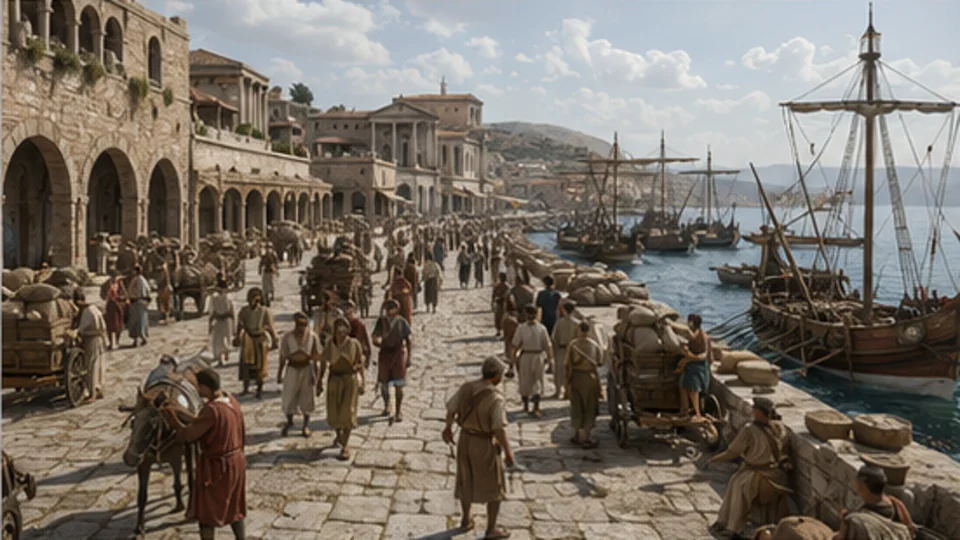
27 BCE–180 CE · EuropePax Romana

The period conventionally called the Pax Romana, from Augustus to Marcus Aurelius, linked Mediterranean communities through imperial administration, roads, ports and commerce. It also included conquest, slavery, revolts and civil war.

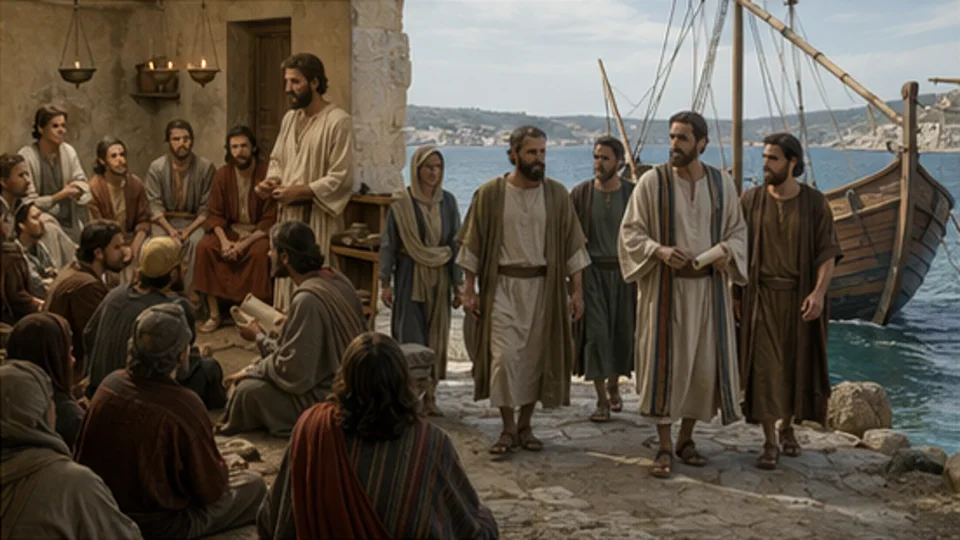
30–67 CE · Middle EastApostolic Church and Paul’s journeys

Pentecost, missionary travel and house churches carried the Christian message from Jerusalem through Asia Minor, Greece and Rome.